 Yan Zhou
Forget fancy restaurants for a minute. The real soul of Shanghai's food scene pulses on its sidewalks, in steamy alleyway windows, and at sizzling carts tucked between skyscrapers. I've spent years getting lost in these lanes, and the truth is, a perfect meal here often costs less than a cup of coffee back home. But with so many options, where do you even start? You start with the classics—the dishes that define the city's palate, balancing rich sweetness, savory umami, and delicate textures. This isn't just a list; it's a field guide to eating like a local, complete with the exact spots where these staples are done right, what to pay, and how to navigate the ordering chaos.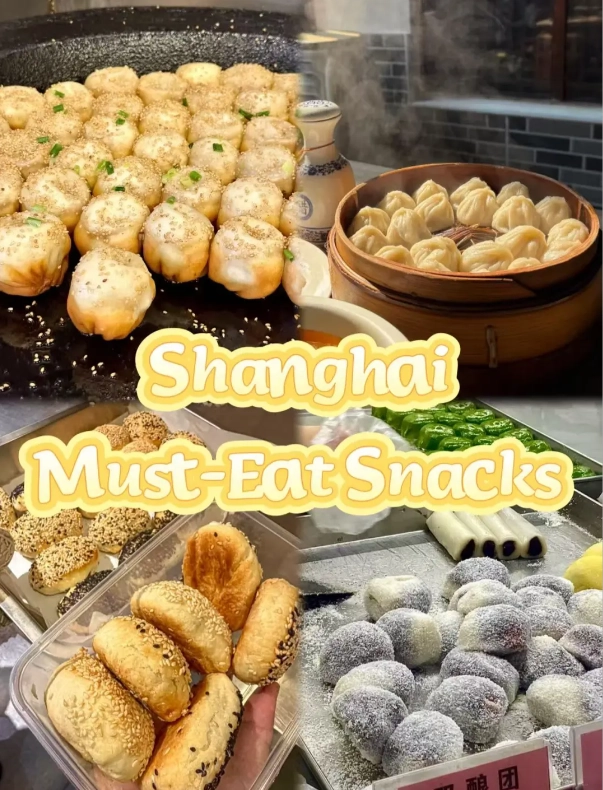
What's on the Menu?
The Essential Must-Try Dishes
These five items form the non-negotiable core of Shanghai street food. Miss one, and you haven't really done it.
1. Xiaolongbao (Soup Dumplings)
The king. Don't call them just dumplings. The magic is in the hot, savory broth trapped inside a delicate, pleated wrapper. The common mistake? Biting into it like a burger. You'll lose the soup and burn your mouth. The technique: gently lift it with your chopsticks, place it on your spoon, nibble a tiny hole on top to suck out the soup (it's usually pork and gelatin-based, melted by steaming), then eat the rest. The best ones have a thin, almost translucent skin that doesn't tear.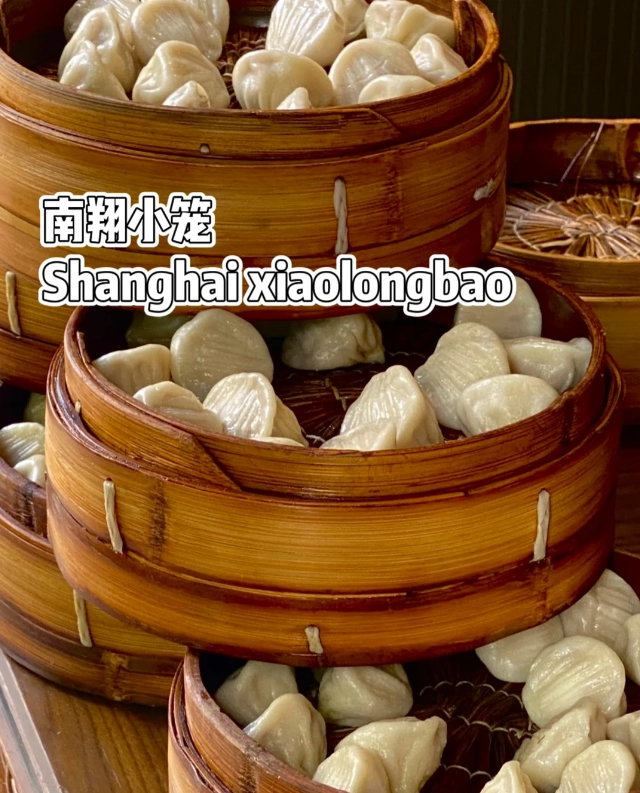
Where to go: For a legendary, no-frills experience, head to Jia Jia Tang Bao on Huanghe Road. There's no English sign, just a constant queue. I go for the pure pork ones. They open at 7:30 AM and often sell out by early afternoon. A basket of 12 costs about 25 RMB. It's cramped, you'll share a table, and it's absolutely worth it.
2. Shengjianbao (Pan-Fried Pork Buns)
Xiaolongbao's crunchier, more rugged cousin. These are thicker buns pan-fried until the bottom is a deep, crispy, golden brown crust, then steamed to cook the top. They're juicier than you expect, filled with pork and a bit of broth. Eat them hot, but be careful—that first bite can send a jet of scalding juice across the table. Locals often dab a bit of Zhenjiang vinegar on top to cut the richness.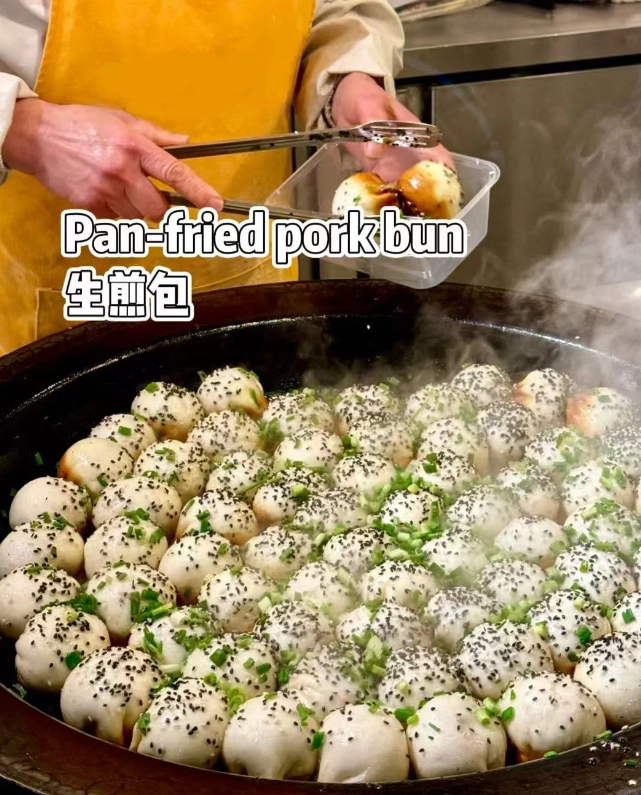
Where to go: Yang's Fry-Dumpling is the institution. It's a chain, but the one on Nanjing West Road (near the intersection with Huanghe Road) is my benchmark. The key is the perfect contrast between the fluffy top, savory filling, and that crackling, sesame seed-studded bottom. Four pieces cost around 12 RMB. They're open from 6 AM to 7 PM.
3. Cong You Bing (Scallion Pancakes)
This is the ultimate snack. It's not a fluffy pancake; it's a layered, chewy, crispy flatbread stuffed with chopped scallions and pan-fried in oil until its exterior shatters. A great one has dozens of flaky layers and a strong, fragrant scallion flavor. I've found the best ones are from unmarked stalls in residential areas, where an auntie makes them one by one on a griddle. They cost about 4-6 RMB each.
4. Cifantuan (Glutinous Rice Roll)
Shanghai's breakfast on-the-go. A vendor spreads warm, sticky glutinous rice on a cloth, layers on your chosen fillings—the classic is a crispy youtiao (fried dough stick), pickled vegetables, and shredded pork floss—then rolls it tight into a cylinder. The contrast of soft rice, crunchy youtiao, salty, and sweet is textural heaven. It's hearty, portable, and usually under 10 RMB.
5. You Doufu Si Fen Tang (Oil Dregs & Vermicelli Soup)
A deeply comforting, savory soup that's a staple. It features chewy bean thread vermicelli in a light broth with chunks of fried tofu puff (which soak up the soup deliciously), seaweed, and the namesake "you doufu"—these are the crispy, browned bits left after pressing tofu, not actual oil dregs. It's a humble, warming dish you'll find at small counters everywhere for 15-20 RMB.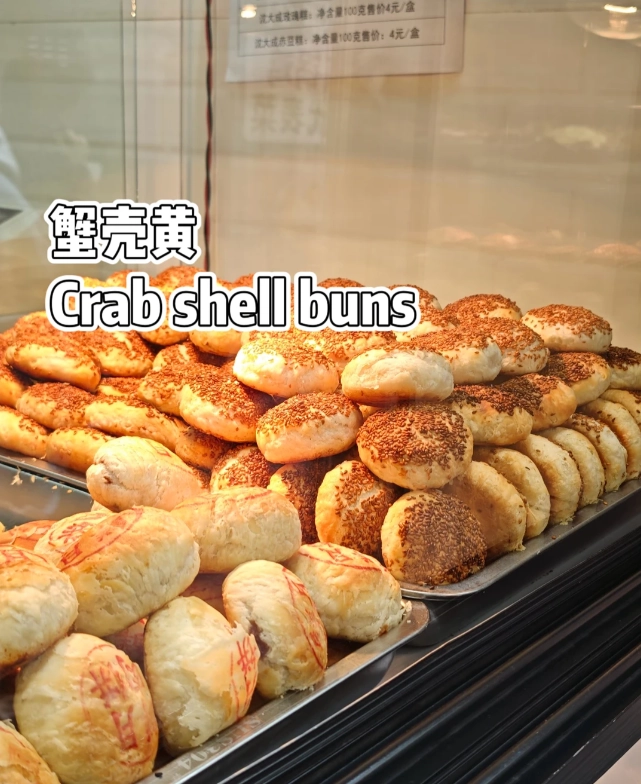
| Dish | Key Spot (Example) | Approx. Price | Best For |
|---|---|---|---|
| Xiaolongbao | Jia Jia Tang Bao (Huanghe Road) | 25 RMB/basket | Breakfast, legendary status |
| Shengjianbao | Yang's Fry-Dumpling (Nanjing W. Rd) | 12 RMB/4 pcs | Mid-morning snack, crispy fix |
| Cong You Bing | Street stalls in Old City area | 5 RMB/piece | Anytime hunger, cheap & satisfying |
| Cifantuan | Breakfast stalls near metro exits | 8 RMB/roll | Breakfast on the run |
| You Doufu Fen Tang | Local noodle soup shops | 18 RMB/bowl | Light lunch, comfort food |
Your Shanghai Street Food Neighborhood Map
Shanghai's food scene is neighborhood-driven. You don't find one of everything in one place. Here’s where to target your cravings.
The Old City & Yuyuan Bazaar Area
Touristy? Yes. But also packed with traditional snacks in a maze of alleys. This is a great zone to sample a wide variety quickly. Look for stalls selling stuffed lotus root (sweet glutinous rice inside), smelly tofu (an acquired taste, fried and pungent), and various sweet rice cakes. The crowds are part of the experience. For a slightly more relaxed vibe, venture into the surrounding Fuyou Road and Fangbang Road alleys.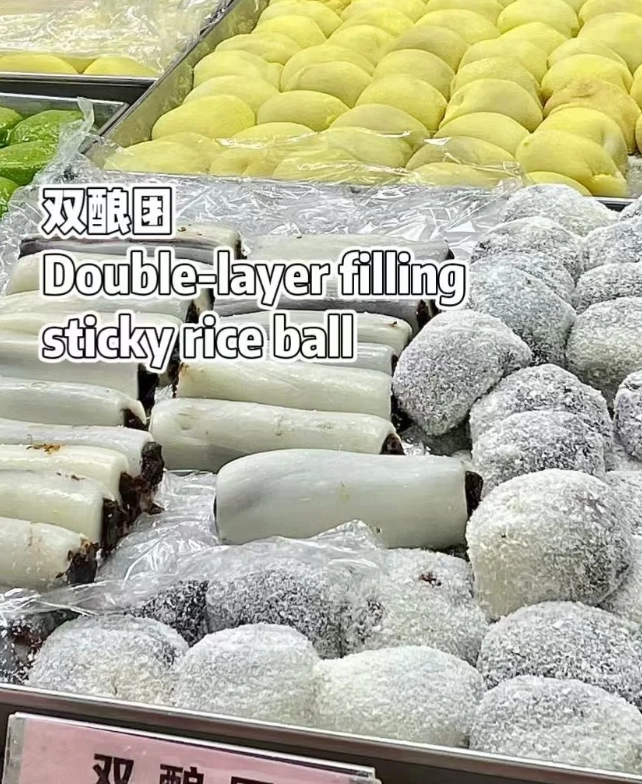
The Former French Concession
Don't let the tree-lined avenues fool you. Hidden in the lilong (alleyway) complexes are fantastic local joints. Wukang Road and the area around Changshu Road metro station have small shops famous for cifantuan and xiaolongbao that cater to residents. The quality is high because they rely on regulars.
Jing'an & Putuo Districts
This is where you find the workaday, no-nonsense spots. Xiangyang Road market area (though much reduced) and the streets around Jing'an Temple still have morning breakfast stalls. The Zhabei area is known for its density of local lamian (hand-pulled noodle) shops, a northern Chinese influence but fully adopted here. A bowl of beef lamian with a clear broth is a street food-adjacent masterpiece for about 25 RMB.
Street Food Survival Tips
A few hard-earned lessons to make your foraging smoother.
- Cash is (Still) King: While WeChat Pay and Alipay are ubiquitous, some of the oldest, best stalls only take cash. Have small bills (5, 10, 20 RMB) ready.
- Point and Nod: Don't stress about language. A smile, pointing at what you want, and showing fingers for quantity works 100% of the time. "Zhege" (this one) and "yige" (one) are helpful.
- Hygiene Look: Go where the locals go. A steady stream of customers means high turnover and fresh food. Look for clean cooking surfaces, even if the overall environment is basic.
- Timing is Everything: Breakfast items (cifantuan, xiaolongbao) are best before 10 AM. Shengjianbao and lunch soups go all day. Evening brings out more barbecue and skewer stalls.
- Embrace the Stand-and-Eat: Many places have no seating, or just a few plastic stools. Eating while walking or leaning against a wall is part of the fun.
FAQs Answered by a Regular Eater
Is Shanghai street food safe for tourists with sensitive stomachs?
Generally, yes, but be strategic. Your main risk isn't the food itself but a sudden change in oil, spices, and ingredients. Start with milder, cooked-to-order items like xiaolongbao or scallion pancakes. Avoid pre-made cold salads. I always carry digestive enzymes when I plan a big street food day—it helps your system adjust. Listen to your body and build up gradually.
What's the biggest mistake people make when trying shengjianbao for the first time?
They eat it like a sandwich. The top is soft, but the bottom is a searing hot, crispy armor holding in boiling soup. Biting straight down guarantees a burnt tongue and a messy shirt. The correct way: take a small bite from the top or side first to release steam and create a channel to sip the broth, then enjoy the rest. Use a spoon for support.
 Where can I find the best street food if I only have one afternoon in Shanghai?
Head to the periphery of the Yuyuan Bazaar/Old City. Instead of the main tourist square, explore the smaller alleys like Sipailou Road. You'll find concentrated clusters of stalls selling all the classics within a few blocks. It's chaotic, authentic, and efficient. You can try shengjianbao, a scallion pancake, and a sweet rice cake within a 100-meter radius.
How do I know if a xiaolongbao place is good before I even order?
Look at the kitchen window if you can. Are they pleating the dumplings by hand on-site? That's a great sign. Also, observe the texture of the steamed dumplings in other people's baskets. The skin should look thin and slightly wobbly from the soup inside, not thick and doughy. A place that specializes in only one or two things (like just xiaolongbao and maybe noodles) is usually more reliable than one with a giant picture menu of 50 dishes.
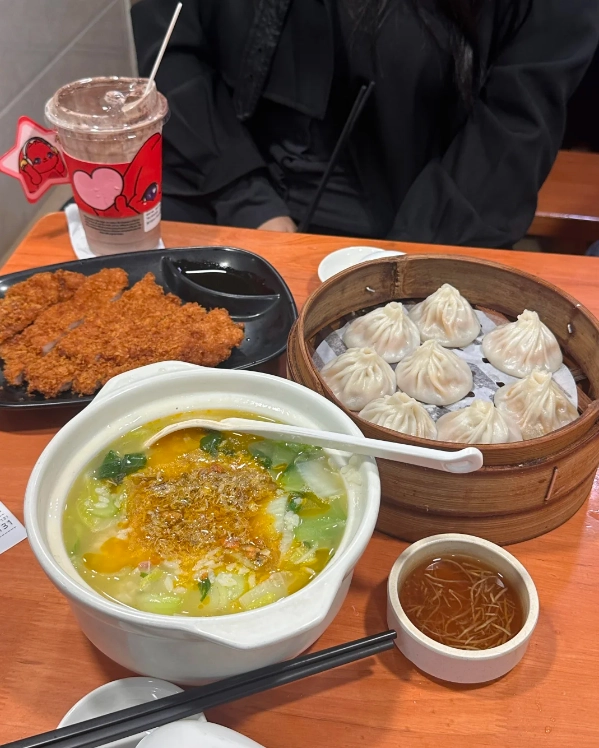 The beauty of Shanghai street food is in its directness. It's about flavor, texture, and immediacy, served without pretense. It connects you to the city's daily rhythm in a way no museum can. So grab some cash, wear comfortable shoes, and follow your nose. The best meal of your trip is probably sizzling on a griddle just around the next corner.
This guide is based on personal, repeated visits to these establishments and areas. Details like pricing and operating hours are subject to change, but the core recommendations represent longstanding local favorites.





The scallion pancake from a tiny hole-in-the-wall near the Bund was pure bliss. Flaky, oily, and loaded with green onions. I stood on the curb eating it straight out of the paper bag while watching the river lights — one of those perfect Shanghai moments. Highly recommend hunting this down.
I was so excited for the stinky tofu at Yunnan Road but honestly found it a bit disappointing. The outside was decently crispy but the inside was too mushy, and the sauce was overwhelmingly sweet. Maybe I just got a bad batch? The vendor was friendly though. Worth trying once but not my favorite.
Tried the spicy crayfish at a night market stall on Shouning Road. The portion was generous and the flavor had a serious kick. Only gave it 4 stars because the plastic gloves kept ripping while I was peeling — minor gripe but the taste made up for it. Would go again for sure.
Grabbed some jianbing from a cart near the French Concession early one morning. The lady spread the batter so thin and cracked an egg perfectly. I added extra chili and a youtiao — it was messy, warm, and glorious. Cheap, fast, and unforgettable. 10/10 street food experience.
Finally tried the shengjianbao at Yang's Fry Dumpling on Wujiang Road — the crispy bottom and soupy filling totally lived up to the hype. I went back twice in one day. The line moved fast, and the staff were efficient even during rush hour. Absolute must if you're in Shanghai.
Went for the siu mai and fried tofu at the stall near the Yau Ma Tei market. The siu mai were plump with juicy pork and shrimp, but I wish they’d given a better chili sauce – the one they had was basically ketchup with a hint of heat. The fried tofu was excellent though, super crispy skin and fluffy inside, dipped in sweet soy. Prices were fair (20 HKD for the combo). Not life-changing, but a solid lunch option if you’re near.
Finally tried the famous claypot rice on Portland Street – and it did not disappoint! The rice was perfectly charred at the bottom, the Chinese sausage was fatty and sweet, and they poured that soy sauce mix tableside with a dramatic sizzle. The wait was about 20 minutes, but the guy running the stall cracked jokes with everyone in line. Felt like real Hong Kong soul food. Will dream about that crispy rice crust.
Dropped by the dai pai dong on Graham Street around midnight. Ordered the curry fish balls and stir-fried noodles. The fish balls had a nice bounce, but the curry sauce was overly salty and waterish – tasted like they watered it down to stretch the batch. The noodles were decent, wok hei present but not mind-blowing. Service was fine but nothing warm. A solid 3.5 for a late-night fix, but not worth a special trip.
Hands down the best egg waffle I’ve ever had! Found this little cart near Mong Kok, and the lady took her time to get the batter just right – crispy on the outside, soft and chewy inside, with that perfect hint of vanilla. Cost me only 15 HKD, and she even let me try a sample of the coconut version. Absolute gem. Go hungry.
I’m usually a sucker for street food, but this spot on Temple Street was a letdown. The xiao long bao were lukewarm and the skin was way too thick – basically dough pockets with sad broth. The vendor seemed rushed and barely made eye contact. I get it’s a busy night, but for the price (30 HKD for 6), I expected at least some warmth. Won’t be going back.
Xiaolongbao were beautifully made with thin wrappers and rich soup – authentic Shanghainese flavor. But the wait was nearly 40 minutes and there were only three tiny stools to sit on. The price was great though, so I can't complain too much. Just come prepared to stand and eat.
The scallion pancake here is next level – flaky, fragrant, and greasy in the best way. Then I tried the candied hawthorn skewer and it was like a sweet-tart explosion. The lady running the stall was super patient helping me decide. Easy to find near the Yunnan Road food street. 10/10 would come back.
I really wanted to like the stinky tofu because everyone raves about it, but honestly the smell was too much for me and the taste was just as intense. Also felt like the portion was tiny for 20 kuai. Maybe it’s an acquired taste – just not mine. Disappointing experience overall.
Loved the spicy lamb skewers – they had that perfect char and heat. My only complaint is that the alley was a bit grimy and the tables were sticky. Still, the guy grilling them was friendly and the price was fair. Worth a stop if you’re okay with rough around the edges.
Hands down the best shengjian bao I've ever had! The bottom is perfectly crispy and the broth bursts with every bite. The line was long but moved fast, and the whole street was buzzing with energy. If you're in Shanghai, this is an absolute must-try.