 Hui Lin
What You’ll Find Here
I’ve brought groups to the Nine-Dragon Screen more times than I can count. And every single time, someone asks: “When should we go?” The internet will tell you “spring and autumn are nice”—but that’s too vague to help you dodge the real pain points.
So here’s my raw take after sweating through summer afternoons and shivering through winter mornings with clients.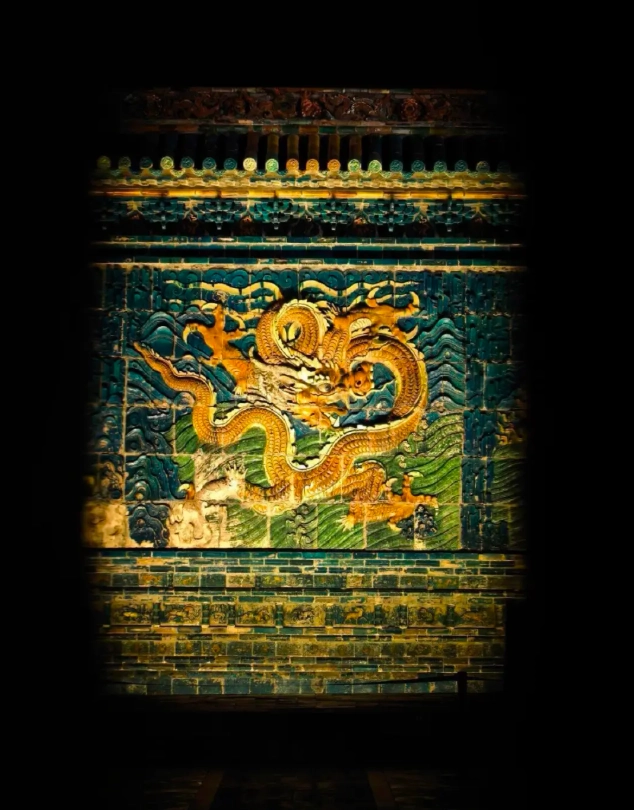
The Brutal Truth About Timing
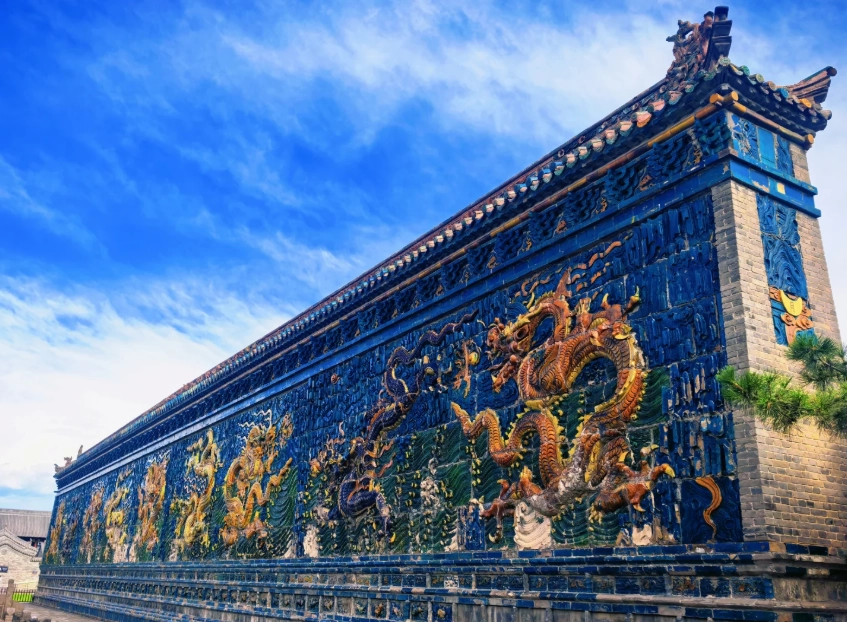
The Nine-Dragon Screen faces east. That single fact controls everything. In the morning, the sun hits the glazed tiles from the front—they glow. By noon, the light is harsh overhead, washing out the colors and casting your own shadow right onto the dragons. By 2PM, it’s a backlit mess.
Best window? 8:00–9:30 AM, March–October. Or 9:00–10:30 AM in winter. Any later and you’re fighting light and crowds.
Season-by-Season: Spring vs Autumn vs Winter
Here’s a quick comparison from my experience dragging tourists through all four seasons.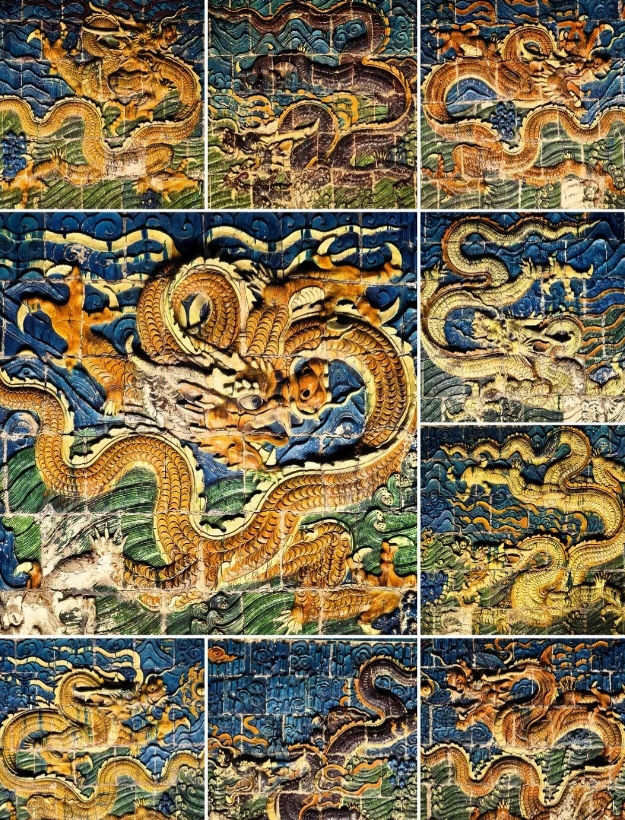
| Season | Pros | Cons | My honest verdict |
|---|---|---|---|
| Spring (Apr–May) | Mild temps, flowers blooming in nearby Huayan Temple | Sandstorms possible in April; dusty wind | Decent, but check air quality before booking |
| Autumn (Sep–Oct) | Crisp air, golden hour light perfect from 8AM | October gets packed; prices spike | ⭐⭐⭐⭐⭐ My favorite—clear sky, comfortable |
| Winter (Nov–Feb) | No crowds, you can have the screen to yourself | Freezing (often -15°C); outdoor time limited | Only if you’re dressed like an onion—3 layers minimum |
| Summer (Jun–Aug) | Long days, greenery | Scorching sun, UV index high; indoor exhibits crowded | Avoid if you can—I’ve seen tourists faint from heat |
If I had to pick one month: mid-September. The sun angle is perfect, the city isn’t yet flooded with Golden Week crowds (that’s Oct 1–7), and the temperature sits around 20°C. My groups always leave happy.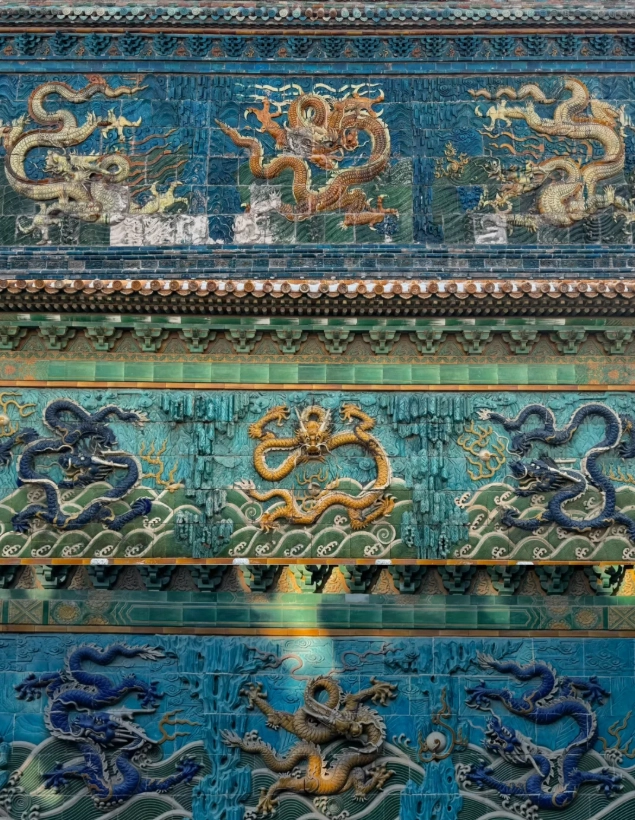
Best Hour to Visit (And When to Run Away)
Let me break it down by hour so you can plan your whole morning.
- 7:30–8:00 AM: Gate just opens. Good light but still dim—wait 15 minutes for full brightness.
- 8:00–9:30 AM: 💎 Optimal. Sun hits the glazed tiles at a low angle. Dragons look three-dimensional. Minimal people.
- 9:30–11:00 AM: Acceptable. Sun gets higher, but still decent if you arrive early in this window.
- 11:00 AM–1:00 PM: Overhead light. Harsh shadows on your own face if taking photos. Crowds peak.
- 1:00–4:00 PM: Worst. Backlit screen, you’ll squint. Heat in summer. Avoid unless you have no choice.
- 4:00–5:00 PM (last entry 5PM): Mellow light if overcast, but weak. Loses the glow. I’d skip.
Check the closing time—it varies by season. Always verify on Trip.com or the official Datong tourism WeChat account. Good luck navigating that app in Chinese though—I still struggle. Ask your hotel front desk to book if you can’t figure it out; they’re used to it.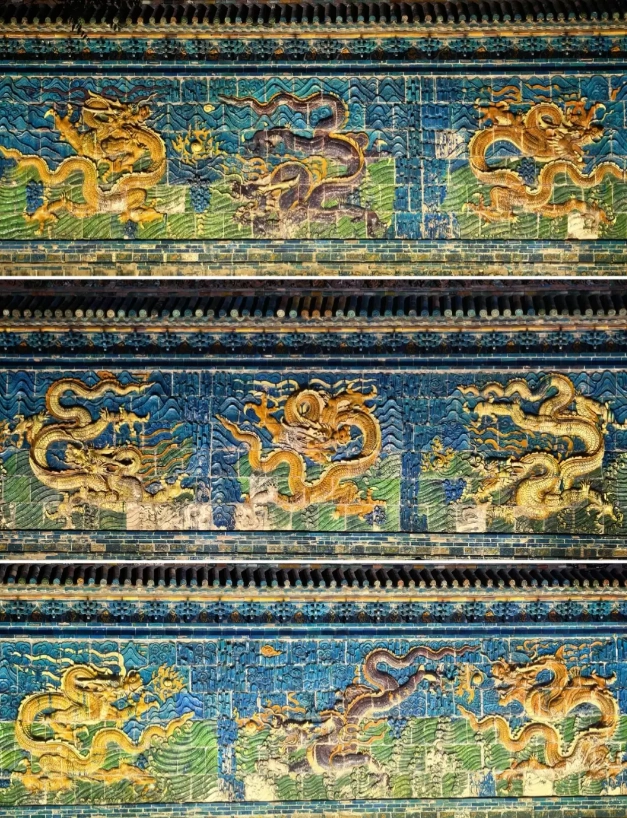
Photographer’s Light: Capture the Glazed Dragons
I’ve seen people camp out with tripods at 7AM just for that shot. Here’s what they know.
- Best angle: Stand 20 meters back from the center of the screen, slightly to your left (south side). You’ll catch the dragon heads in profile with golden light.
- Worst mistake: Using the flash. It wipes out the glaze texture. Switch to manual, ISO 100, aperture f/8 to f/11 for depth.
- No tripod allowed? Security sometimes stops you if it’s crowded. Go early, be polite, show them your camera—I’ve never had an issue before 8:30AM.
- Rainy day hack: The glazed tiles actually look richer under overcast light—colors saturate. But check the forecast; if it pours, the screen may be wet and slippery nearby. Not recommended.
My 24-Hour Datong Stopover If You’re in a Rush
Say you only have one night in Datong. Here’s how I schedule it for my private clients.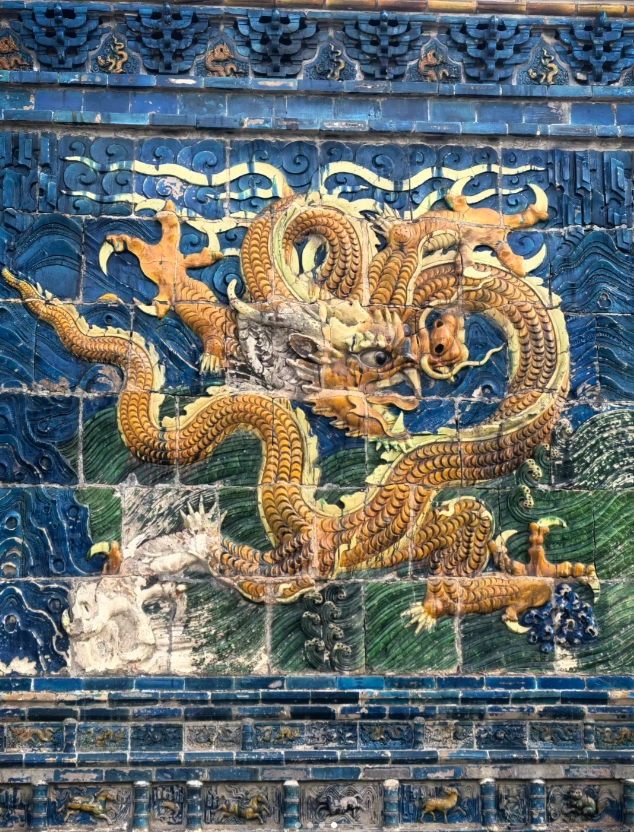
Day 1 – Evening arrival: Take a high-speed train from Beijing (about 2 hours, ¥150). Drop bags at Datong Garden Hotel (close to the old city, ¥350–500/night, decent WiFi, staff speak basic English). Dinner at Hua Xin Yuan (大同花心园) for local lamb noodles—address: 大同市平城区大十字街37号. Avg ¥25 per bowl. Queues around 7PM, go at 6:30.
Day 2 – 7:00 AM: Wake up. Skip breakfast at the hotel; grab a shaobing from the street stall outside the south gate (¥3, cash only). Enter Nine-Dragon Screen as soon as it opens. You’ll finish by 9AM with plenty of light.
9:30 AM: Walk 5 minutes to Huayan Temple (entry ¥50). Massive Buddhist complex, quiet in the morning. Take a 1-hour stroll.
11:00 AM: Head to Shanxi Mian Shi (山西面食) for knife-cut noodles with meat sauce. Address: 大同市平城区鼓楼西街. Avg ¥28, Google Maps rating 4.3. No English menu, but point at the first photo—it’s their best seller.
12:30 PM: Taxi to Yungang Grottoes (30 minutes, ¥50). Spend 3–4 hours there. That’s your day—packed but doable.
⚠️ Backup for rain: If it pours, skip Yungang (outdoor) and go to Datong Museum instead (free, indoor, excellent exhibits on Northern Wei). Nearby: Shanxi Flavor Restaurant for braised pork ribs. It’s what the locals do.
FAQs Tourists Ask Me Every Time
Verified and fact-checked by the editorial team.





Best decision of my trip: going at 7:50 AM and being the first person in! The security guard smiled as I walked in. The screen is even more breathtaking up close — you can see the subtle color gradients in the glazed tiles. I spent a good 15 minutes examining each dragon. No one else arrived until I was leaving. This is how you experience a cultural relic without the selfie-stick chaos. Highly recommend planning around the sun.
Perfect early morning visit — got there right at 8 AM opening. Only three other people around. The screen is massive and the colors are so vivid in the soft light. I sat on the nearby bench for 20 minutes just taking it in. No harsh sun, no crowd noise. Exactly the peaceful cultural experience I was hoping for. If you're planning a visit to Datong, this should be high on your list.
Absolutely magical at dusk! I arrived around 4:30 PM (an hour before closing) and had the whole place almost to myself. The golden hour light made the dragons look like they were breathing fire. No queues, no pushing — just me and 600 years of history. The detail on each ceramic tile is incredible. This is a must-see in Datong, just avoid midday at all costs. 5/5, would come back again.
Honestly, I was a bit let down. The Nine-Dragon Screen is impressive in photos, but in person it felt smaller than I imagined. I followed the advice to go early to avoid crowds, but even at 9 AM there were already quite a few people. The sun was already intense, and there's barely any shade around the viewing area. For a 10-minute visit, I'd say it's not worth the detour unless you're a huge history buff. The nearby temple was more interesting.
Went at 8:30 AM hoping to beat both the crowds and the sun, and it mostly worked. The screen itself is stunning — the glazed tiles really pop in the soft morning light. Only gave it 4 stars because there was a school group that arrived right when I was about to leave, and the reflection on the glass protective barrier made it a bit tricky to get a clean photo. Still, a very worthwhile stop if you time it right.