 Ting Chen
What’s inside?
I still remember my first group in July. Sweat dripping, sunscreen melting. That’s when I learned timing is everything. Most foreign travelers ask me the same question: when is the best time to visit Tiger Leaping Gorge? And honestly, the answer isn’t one-size-fits-all. But if I had to give you the short version: late April to early June and September to early November. Those windows give you clear skies, comfortable hiking temps, and manageable crowds.
Now let me walk you through the details so you don’t end up like my July group — hiking in a sauna. I’ve been guiding here for eight years, and I’ve seen every mistake imaginable. This guide is built from those real moments.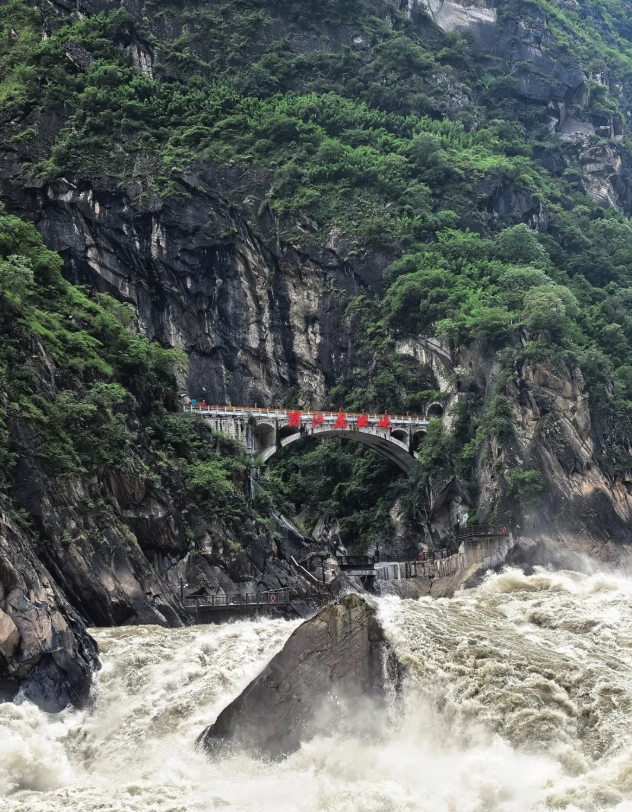
Why Timing Matters at Tiger Leaping Gorge
People think “any time is fine” — until they hit a landslide in August or shiver in January. The gorge sits at an elevation of about 1,800m at the bottom, but the trail climbs to 2,600m. That means weather shifts fast. Rainy season (July–August) brings mud and blocked views. Dry season (November–March) can be cold, especially in the morning.
Here’s the catch: the best time to visit Tiger Leaping Gorge depends on what you value most — photography, solitude, or budget. I’ll break it all down.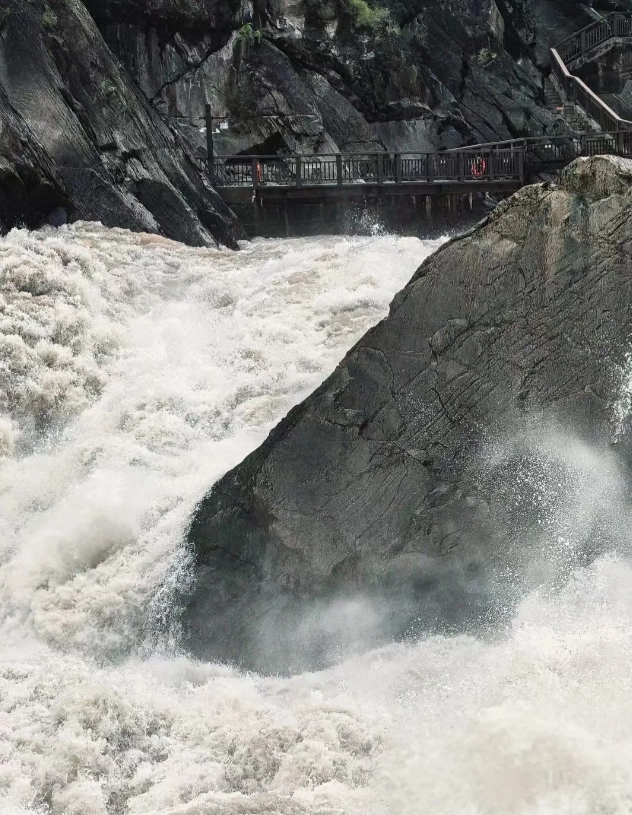
Month-by-Month Breakdown
Spring (March–May)
March can still be chilly, but by late April the valley bursts with wildflowers. Temperatures range from 10°C to 22°C. This is prime time. I usually tell my clients: “If you can only come once, come in May.” The Jinsha River roars with snowmelt, and the views of Jade Dragon Snow Mountain are crystal clear.
Summer (June–August)
June starts okay, but July and August are the rainy season. Trails get slippery, and the famous “Tiger Leaping Rock” is often hidden in mist. Plus, it’s crowded with domestic tourists (school holidays). I avoid bringing groups here in July unless I have no choice.
One thing I do: if you come in summer, start hiking at 7 AM to beat the afternoon downpours. The rain usually hits around 2 PM.
Autumn (September–November)
This is my personal favorite. The monsoon ends, the air is crisp, and the sky is sapphire blue. September still has some warmth, but October and November are perfect hiking conditions. The only downside? It’s also peak season for foreigners, so guesthouses fill up fast. Book ahead.
Winter (December–February)
Cold but quiet. Daytime temps hover around 8°C–15°C, but nights drop to near 0°C. Snow at higher elevations sometimes blocks the Upper Trail. That said, if you love solitude and clear air, winter is underrated. Just pack a proper down jacket.
Weather at a Glance
| Month | Avg Temp (°C) | Rainfall (mm) | Trail Condition | Crowd Level |
|---|---|---|---|---|
| Jan | 5–12 | 10 | Dry, some ice at top | Low |
| Feb | 6–14 | 12 | Dry, icy patches | Low |
| Mar | 9–17 | 20 | Clear, cool | Low–Medium |
| Apr | 12–21 | 25 | Excellent | Medium |
| May | 15–24 | 40 | Excellent | Medium–High |
| Jun | 17–26 | 100 | Good, occasional rain | High |
| Jul | 18–27 | 180 | Muddy, slippery | Very High |
| Aug | 18–27 | 170 | Poor, landslides risk | Very High |
| Sep | 16–24 | 90 | Good, improving | Medium |
| Oct | 12–21 | 35 | Excellent | High |
| Nov | 8–17 | 15 | Excellent | Medium |
| Dec | 5–13 | 8 | Good, cold mornings | Low |
Crowds & Cost: When Does Your Budget Breathe?
Let’s talk money. The entrance fee is always 45 RMB (about 6 USD) — that’s fixed. But accommodation and transport vary wildly.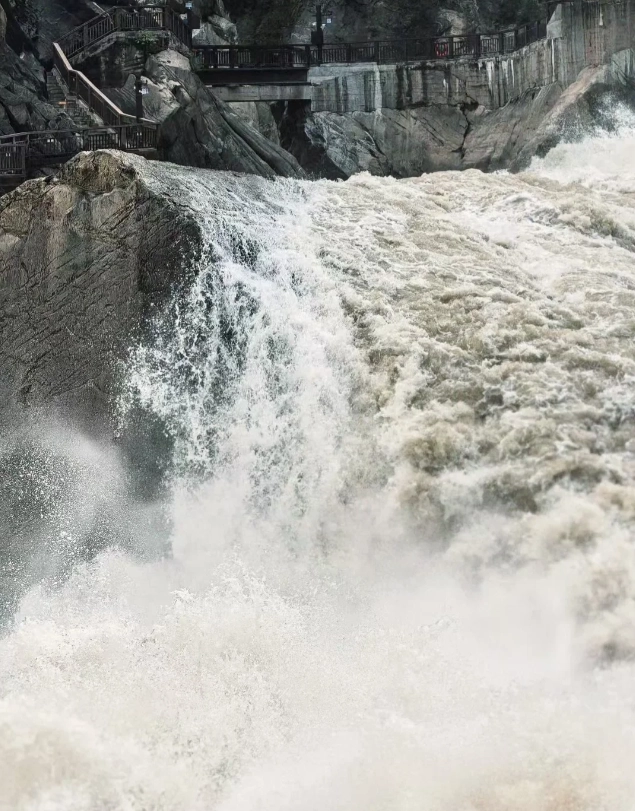
- Peak season (May, October, Chinese holidays): A dorm bed in a guesthouse like Halfway Guesthouse costs 80–120 RMB. Private rooms go for 250–400 RMB. You need to book 2 weeks ahead.
- Shoulder season (April, June, September, November): Prices drop by about 30%. You can negotiate on the spot.
- Off-peak (December–March except Spring Festival): Dorm beds as low as 40 RMB. Some guesthouses even close though, so call ahead.
One trick: avoid Chinese public holidays like National Day (Oct 1–7) and Labor Day (May 1–5). The gorge turns into a conga line. I once spent 20 minutes just to squeeze past one narrow section.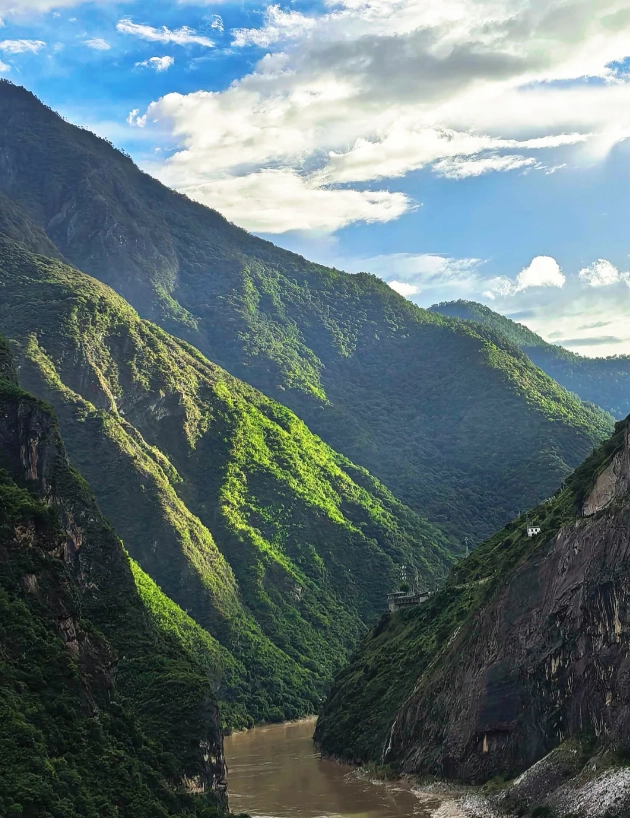
Insider Tips for Each Season
FAQs – Real Questions from Travelers
Verified and fact-checked by the editorial team.





No comments yet.