 Yan Zhou
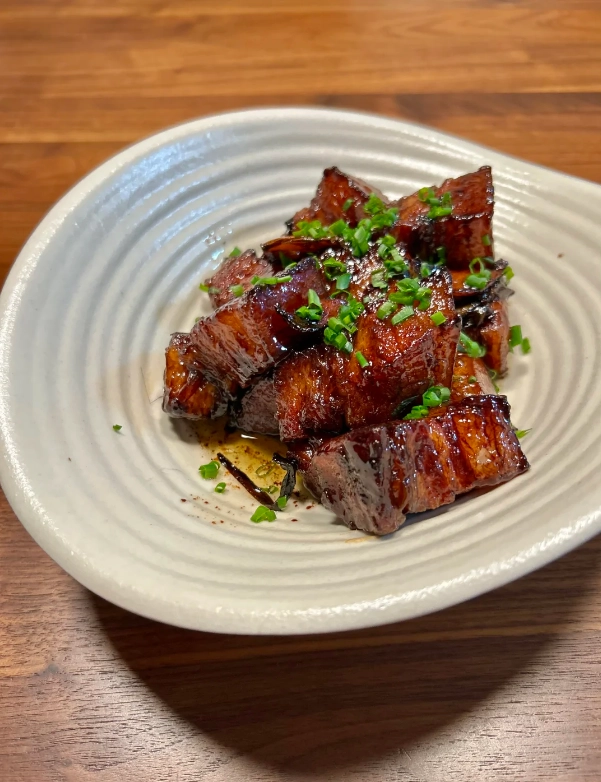
Let's get this out of the way first. Shanghai Hongshao Rou isn't just a dish; it's a mood. It's the culinary equivalent of a warm, comforting hug. That deep, glossy, reddish-brown sauce clinging to impossibly tender cubes of pork belly, the perfect balance of sweet and savory that makes you want to lick the plate clean. I've spent years eating my way through Shanghai, from back-alley kitchens to white-tablecloth restaurants, chasing the perfect version. And I've made some spectacular failures in my own kitchen trying to replicate it. This guide is what I wish I had when I started.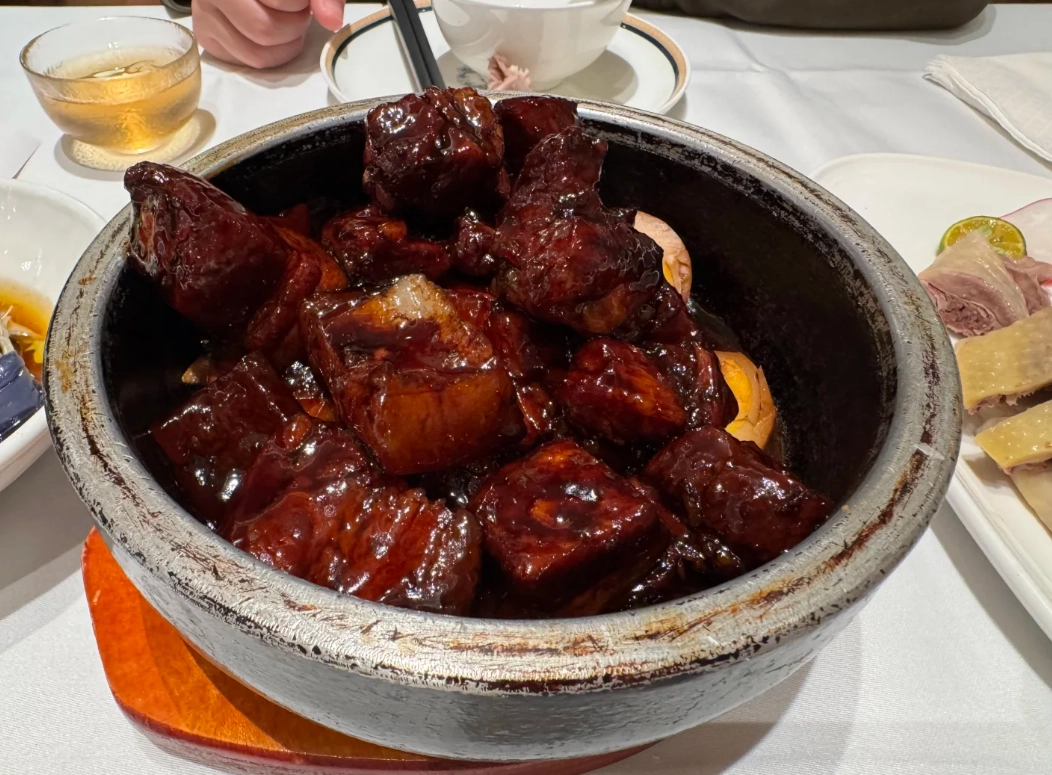
What’s Inside This Guide
What Makes Shanghai Hongshao Rou Special?
You'll find braised pork everywhere in China. But the Shanghai style has a distinct personality. It's all about the "hongshao" (red-braising) technique and the sauce.
The color doesn't come from tomatoes or food dye. It comes from caramelizing rock sugar in oil at the very beginning. This step, called 炒糖色 (chao tangse), is non-negotiable. It gives the dish its signature sheen and a foundational sweetness that's complex, not cloying. Skip this and use only soy sauce and sugar later? You'll get a dull, flat-tasting stew. I learned this the hard way.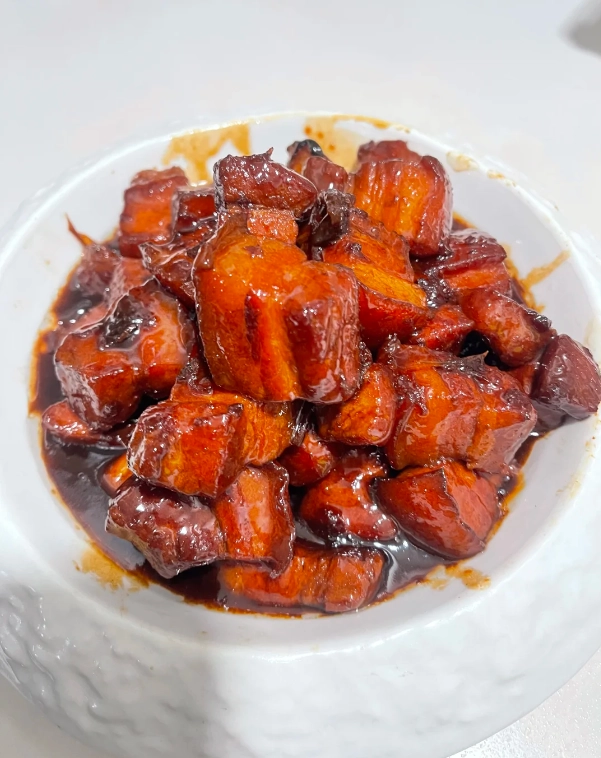
The Flavor Profile: Think sweet (from rock sugar), salty (from light and dark soy sauce), aromatic (from ginger, scallion, and sometimes star anise), and unctuous (from the rendered pork fat). The meat should be so tender it practically dissolves between your tongue and palate, while the skin and fat remain intact, offering a delightful gelatinous bite.
It's a humble dish that demands respect. The best versions are deceptively simple, hiding the skill required to balance those elements perfectly.
Where to Eat the Best Hongshao Rou in Shanghai
Forget the fancy tourist traps on Nanjing Road. The real magic happens in places that have been doing one thing well for decades. Here are my personal picks, based on countless meals. Prices are approximate for a portion of Hongshao Rou.
| Restaurant | Address / Area | What's Special | Price Range | Vibe & Tip |
|---|---|---|---|---|
| Xin Rong Ji (Multiple locations) | Nanyang Road (Flagship) | An upscale interpretation. Their pork is cut into precise, smaller cubes, and the sauce is refined, glossy, and not overly sweet. It's Hongshao Rou in a tuxedo. | ¥98 - ¥128 | Modern, sleek. Book ahead. Go for the set menu to try other Taizhou specialties. |
| Old Jesse (Lao Jie Si) | 41 Tianping Road, near Huaihai Rd | A legendary, no-frills spot. This is the classic, homestyle version—dark, rich, and powerfully flavorful. The sauce is thicker, perfect for mixing with rice. | ¥78 - ¥98 | Tiny, always packed, chaotic. No reservations for small groups. Go at 5 PM or be prepared to wait an hour. |
| Fu 1039 | 1039 Yuyuan Road | Served in a beautiful old villa. Their version often includes hard-boiled eggs braised alongside the pork. The flavor is deep and aromatic, with a noticeable hint of star anise. | ¥108 - ¥138 | Historical ambiance. A splurge for a special meal. The egg absorbs the sauce beautifully. |
| Jia Jia Tang Bao (Huanghe Road) | 90 Huanghe Road | Yes, they're famous for soup dumplings, but their Hongshao Rou lunch set is an insider's secret. It's a simple, satisfying, and incredibly affordable version. | ¥35 - ¥45 (lunch set) | Fast, casual, crowded. Perfect for a quick, delicious fix. Don't go at peak dumpling hours. |
My personal favorite for pure nostalgia and flavor punch is Old Jesse. It's not the prettiest, but it tastes like memory. The Fu 1039 experience, however, is something you'll tell stories about.
My Master Hongshao Rou Recipe (After Many Trials)
Ready to try it yourself? This is the method that finally worked for me, consolidating tips from a Shanghainese friend's grandmother and my own errors.
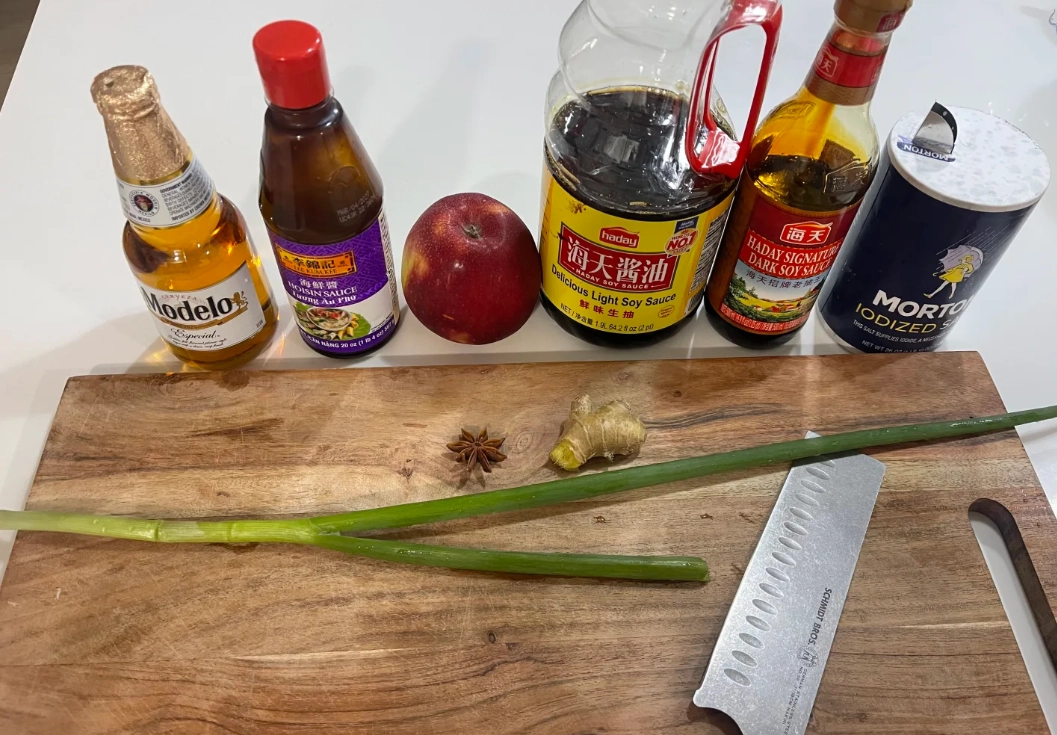
Ingredients You Absolutely Need
- Pork Belly (五花肉, wuhuarou): 600g, skin-on. Get a piece with even layers of fat and meat. Too lean, and it dries out; too fatty, and it's overwhelming.
- Rock Sugar (冰糖, bingtang): 40g. This is key for the color and sheen. White sugar works in a pinch but won't give the same depth.
- Soy Sauces: 2 tbsp light soy sauce (for saltiness), 1 tbsp dark soy sauce (primarily for color). Use a decent brand like Pearl River Bridge or Lee Kum Kee.
- Aromatics: A 3-inch knob of ginger (sliced), 3-4 scallions (cut into 2-inch lengths).
- Cooking Wine: 2 tbsp Shaoxing rice wine. Don't skip it.
- Water or Stock: Enough to barely cover the pork.
The Step-by-Step Process (Don't Rush)
1. Prep the Pork: Cut into 1.5-inch cubes. Blanch them in boiling water for 2-3 minutes, then rinse with cold water. This removes impurities and tightens the skin. Dry the pieces thoroughly. Wet pork won't sear properly.
2. The Critical Step – Caramelize the Sugar: Heat 1 tbsp of oil in a wok or heavy pot over low heat. Add the rock sugar. Stir constantly until it just melts into a light amber liquid. This takes patience. If it smokes or turns dark brown, it's burnt—start over. The aroma should be sweet, not acrid.
3. Sear the Pork: Immediately add the dried pork cubes. Turn the heat to medium-high and toss them for 2-3 minutes until every piece is coated in the caramel and lightly browned.
4. Braise: Add the ginger and scallions, stir for 30 seconds. Pour in the Shaoxing wine, let it sizzle. Add the light and dark soy sauces. Give it a good stir. Add hot water until it just covers the pork. Bring to a boil, then reduce to the gentlest simmer. Cover, but leave a small crack.
This is where you walk away for 60-90 minutes. A slow, patient simmer is what breaks down the connective tissue into silkiness.
5. Reduce the Sauce: After the meat is tender, uncover. Turn the heat to medium-high and let the sauce reduce. This is when the magic happens—the sauce thickens, glazes the pork, and becomes glossy. Stir gently to avoid breaking the pork. It's done when the sauce coats the back of a spoon.
Serve immediately with lots of steamed white rice.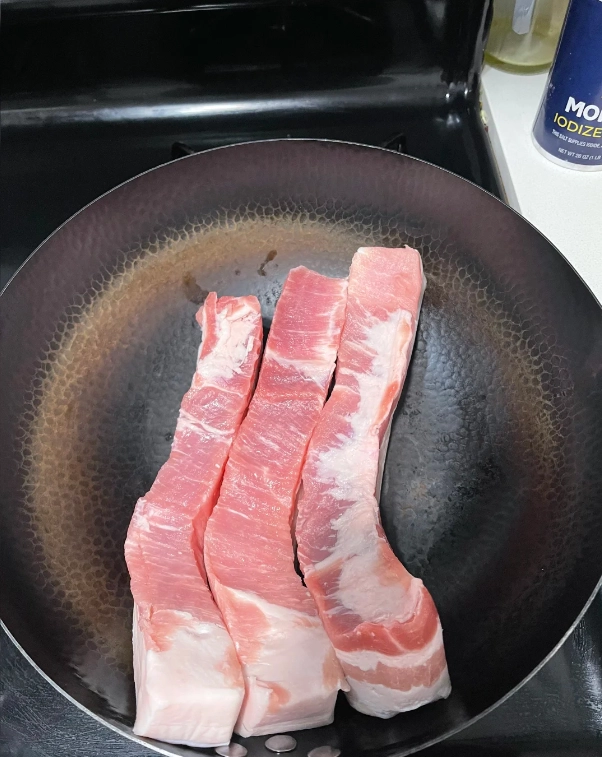
Common Mistakes That Ruin Your Braised Pork
I've made them all so you don't have to.
Not drying the blanched pork. Moisture prevents browning and causes oil splatter when you add it to the hot caramel.
Burning the sugar. Low heat, constant stirring, and pulling it off the heat the moment it's amber. Burnt sugar makes the whole dish bitter.
Using boiling liquid to deglaze. When you add the wine and soy sauce to the hot wok after searing, have them ready at room temp. Cold liquid on a super-hot pan can cause the caramelized bits to harden into a sticky, un-dissolvable mess on the bottom.
Simmering at too high a boil. You want barely a bubble breaking the surface. A rolling boil will make the pork tough and dry out the sauce before the fat renders.
Adding salt. The soy sauce is usually enough. Always taste after reducing the sauce before considering any extra seasoning.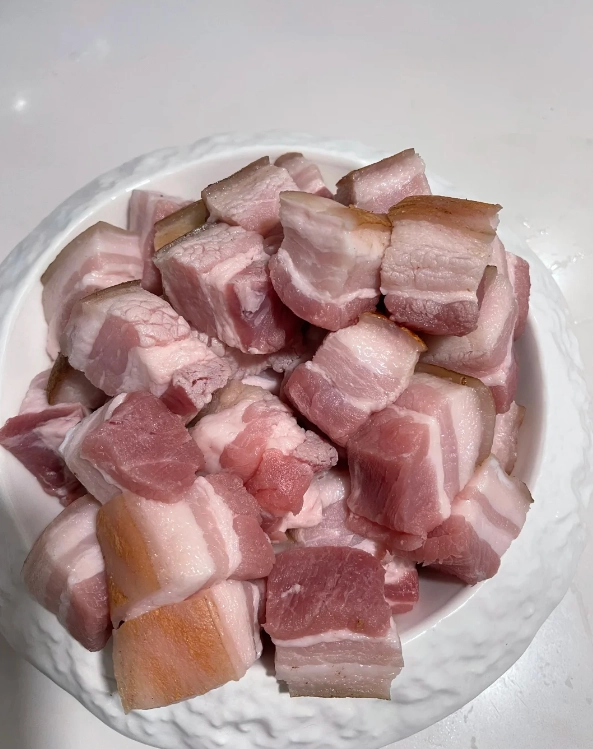
Your Hongshao Rou Questions, Answered
 What's the best cut of meat besides pork belly?
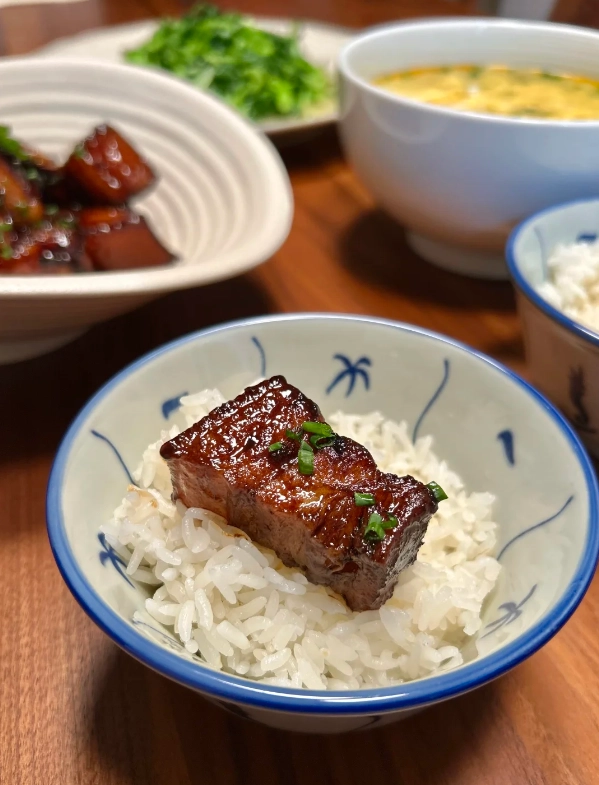 The journey to a perfect plate of Shanghai Hongshao Rou is part of the fun. It's about tasting, tweaking, and finding that balance that makes your taste buds sing. Start with a trusted restaurant version to set your benchmark, then brave your own pot. Just remember the golden rules: respect the sugar, embrace the slow simmer, and always make extra rice.
This article has been fact-checked for culinary accuracy.
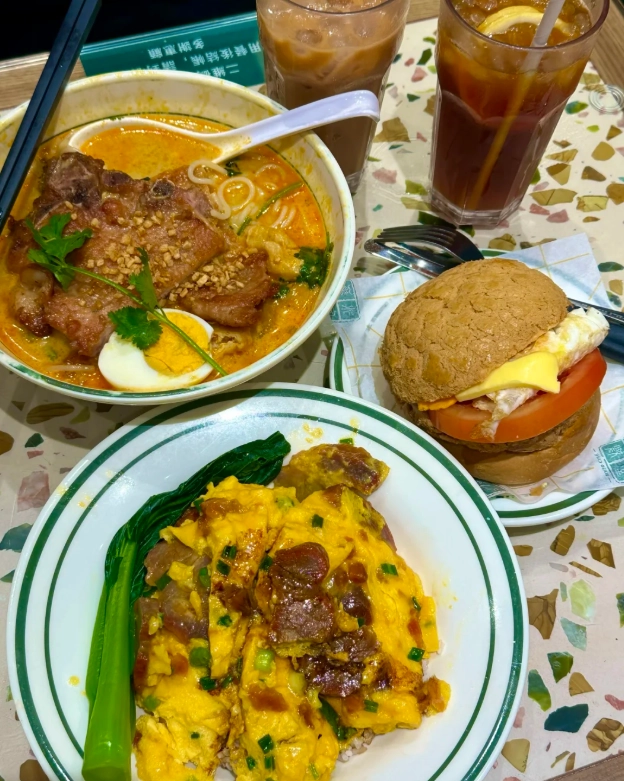





Wanted to love this but it fell short. The meat was mostly fat – barely any lean part, which made it feel heavy and cloying after a few bites. The sauce lacked depth, tasted like just sugar and dark soy without any star anise or cinnamon notes. And the place was packed and noisy, with a queue spilling onto the street. Honestly, I've had better Hongshao Rou from a hole-in-the-wall near my hostel. Disappointing given the hype.
Solid rendition of Hongshao Rou – the pork was tender and the skin had a nice gluey texture. I liked that it wasn't overly greasy. But I found it a tad too sweet for my taste (maybe authentic, but I prefer more soy sauce punch). Also the wait was around 20 minutes even on a weekday, which felt a bit long. Still, the atmosphere was lively and the staff were friendly. A good meal overall, just not mind-blowing.
If you're hungry, THIS is the spot. The portion of red braised pork is massive – easily enough for two. I'm a big eater and I struggled to finish. The meat was super fatty but in a good way, almost like pork belly candy. Price was shockingly reasonable for the quality and quantity. Only minor thing: the rice was a bit dry, but you'll be too busy mopping up that glorious sauce to care. Will definitely repeat.
Tucked away in a charming old lane, this place feels like stepping back in time. The braised pork was outstanding – deeply caramelized, fall-apart texture, and the sauce had that smoky wok hei flavor. The owner came out to chat and explained they use free-range pork which really makes a difference. Came at 11:30 to avoid the queue and got a seat by the window. A true gem for anyone wanting the classic Shanghai experience.
Finally found the real deal! This braised pork was melt-in-your-mouth tender with that perfect balance of sweet and savory. The skin was sticky and rich, exactly how it should be. We ordered it with a side of steamed buns to soak up the sauce – absolute heaven. The old lady next table even gave us a thumbs up when she saw our empty plates. Can't recommend this enough if you want authentic home-style Hongshao Rou.
Useful for absolute beginners, but I was a bit disappointed by the lack of troubleshooting advice. For example, what if your pork belly is too thick? Or if the sauce splits? The temperature and timing tips are fine, but I've made hongshao rou maybe ten times before and didn't learn much new here. A decent starting point, but not the definitive guide the title suggests.
Finally, a guide that explains WHY you shouldn't rush the braising process! I've been searching for years for a recipe that delivers that glossy, sticky sauce without being cloyingly sweet. The author's note about adjusting sugar based on the soy sauce brand saved my batch. Used it for a dinner party last weekend and everyone asked for seconds. Will definitely bookmark this.
Honestly, I felt a little let down. The guide promised 'local secrets,' but most of the techniques are exactly what you'd find in any standard Chinese cooking blog. I was hoping for more Shanghainese nuance—like whether to use huangjiu vs. shaoxing wine, or the exact brand of soy sauce locals prefer. Ended up needing to cross-reference with other sources to get the real deal. Not terrible, but not the insider scoop I expected.
Solid advice overall, but a bit lengthy for a quick reference. I wish there were more photos showing the color progression during braising, especially for those of us who are visual learners. That said, the section on choosing the right pork belly (with the ideal fat-to-meat ratio) was genuinely helpful. I’d give it a 4 if it were just a bit more concise.
This guide is an absolute gem! I've tried a dozen hongshao rou recipes over the years, but the tip about caramelizing the sugar just until it's a deep amber before adding the pork is a game-changer. The step-by-step breakdown on how to achieve that perfect jiggle in the fat is spot on. My family couldn't stop raving about the result. A must-read for anyone serious about mastering this dish.
This guide is very beginner-friendly and well-structured. I liked the timeline breakdown (how long to simmer, when to flip the meat). My only wish is that it included a few variations — like how to adapt it with hard-boiled eggs or tofu puffs, which are common in Shanghai home cooking. But for a straightforward, no-fuss recipe that actually works, it's a solid 4 stars. My first attempt came out great!
As someone who grew up eating my grandma's version of hongshao rou, I was skeptical of online guides — but this one got it right. It even mentioned the trick of using pork belly with five layers of fat and meat, which so many recipes ignore. The little note about adding a star anise halfway through brought back so many childhood memories. If you want the real Shanghai taste, this is the page to bookmark. Absolutely spot on.
Honestly, I was expecting more from a guide titled 'local's guide.' It covers the basics okay, but it totally skips over the tricky part — controlling the heat during the braising so the meat doesn't fall apart too early. The photos are also a bit blurry on mobile, which made it hard to follow the caramelization step. Not a terrible article, but I think there are better resources online if you're serious about mastering this dish.
Solid article overall — I appreciate the detailed ingredient list and the emphasis on caramelizing the sugar first. The only reason I'm giving 4 instead of 5 is that the amounts for soy sauce felt a bit off for my taste; I ended up adding an extra tablespoon of dark soy sauce to get that deep mahogany color. Still, the final dish was delicious and my dinner guests cleaned the plate. Worth a read if you're new to hongshao rou.
I've tried a dozen different red-braised pork recipes over the years, but this guide was an absolute game-changer. The step-by-step instructions were so clear, and the tip about blanching the pork belly twice really made a difference in texture. My family couldn't stop raving at our Sunday dinner — the meat was melt-in-your-mouth tender and the sauce had that perfect balance of sweet and savory. Highly recommend this to anyone wanting an authentic taste of Shanghai at home!