 Lei Li
What You'll Learn in This Guide
Gray walls under a gray sky. My taxi driver dropped me at the south gate, shrugged, and said nothing. I stood there, jet-lagged, wondering if I made a mistake.
Two hours later? I was already planning my next visit.
So is Datong Ancient City worth visiting? That depends on what you expect. If you're chasing the ancient authenticity of Pingyao or Xi'an — you might be disappointed. But if you want massive Ming-style walls without the crowds, hidden temples with world-class statues, and a genuine glimpse of everyday Shanxi life — then yes. Here is the catch: you need to know where to go and what to skip.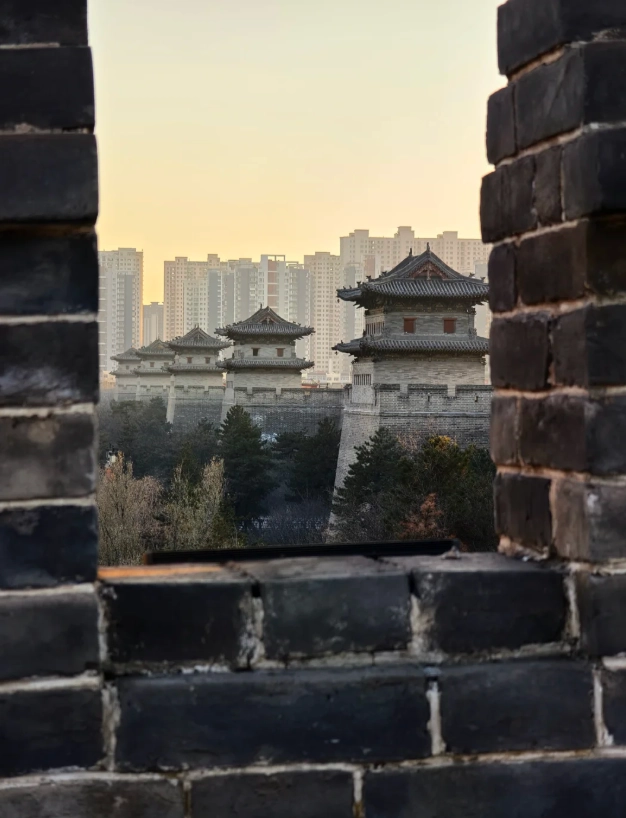
My First Reaction vs Reality
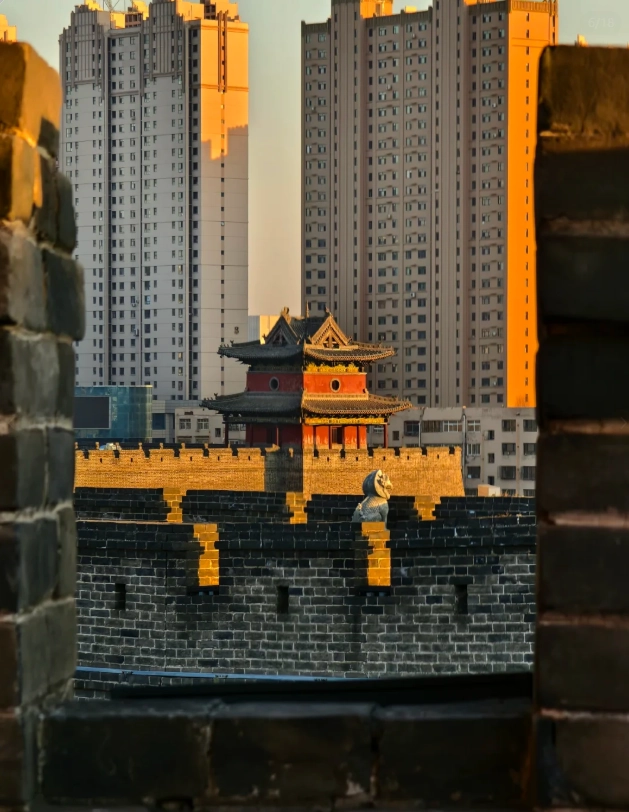
Let me be honest. When I first walked through the Yongtai Gate, I thought: This is too clean. Too new. Many parts of the ancient city were reconstructed after 2008. But as a guide who has now brought over 20 groups here, I've changed my mind. The reconstruction is well-researched — they used Ming dynasty records and traditional materials. And the scale? The city wall is 7.2 kilometers long — longer than Xi'an's! Most tourists don't realize this.
What Makes Datong Ancient City Special
It's not the whole city that's worth your time — it's three specific spots that blow most visitors away.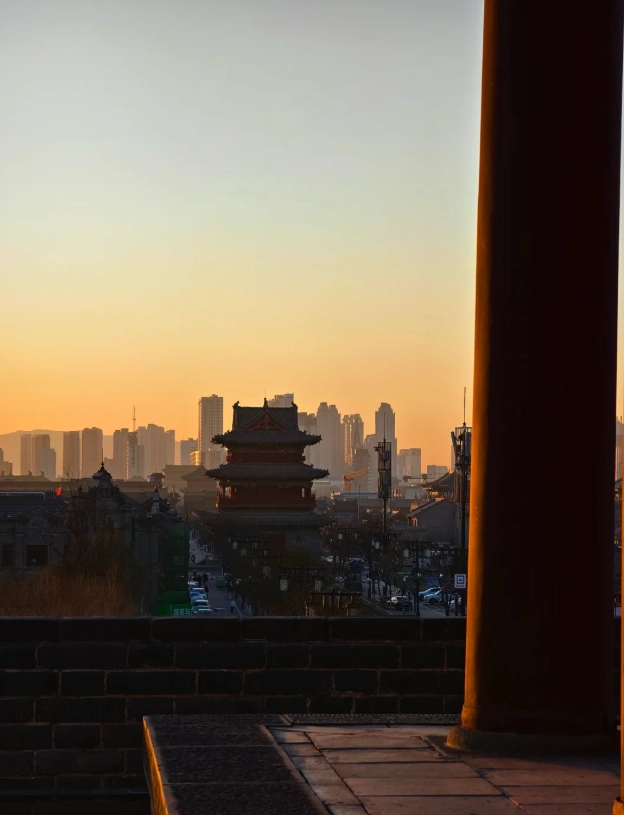
The City Wall – Best in China?
I've cycled the walls of Xi'an, Nanjing, and Pingyao. For a Datong Ancient City worth visiting argument, the wall here is the clincher. It's 14 meters high and wide enough for two cars to pass. You can rent a bike (30 RMB per hour) or take the electric cart (20 RMB). Go at 4:30 PM — the sunlight hits the brickwork perfectly, and the shadow patterns are stunning. Avoid noon unless you like frying.
Hidden Temples Within the Walls
Two temples sit inside the ancient city that are absolute gems. First, Huayan Temple (address: 13 Dapi Street, entrance fee 50 RMB). It houses a stunning Liao dynasty wooden hall and a 5-meter-tall clay Buddha that will make your jaw drop. Second, Shanhua Temple (address: 5 Nansi Street, entrance fee 30 RMB). It's quieter, smaller, but contains some of the most expressive Ming dynasty arhat statues I've ever seen.
Both temples are a 10-minute walk from each other. Go before 9:00 AM — you'll have the halls almost to yourself.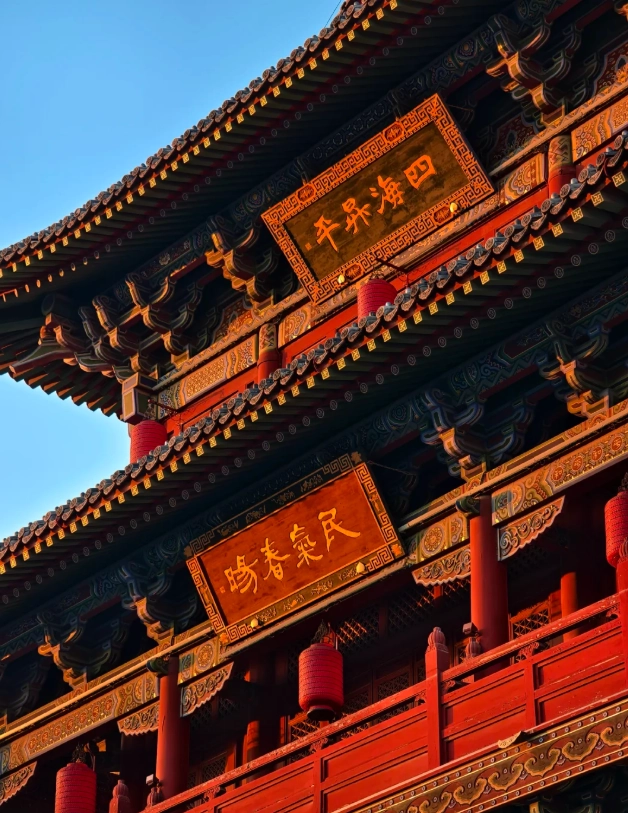
| Spot | Ticket Price | Opening Hours | Best Time |
|---|---|---|---|
| City Wall | Free (admission), Bike 30 RMB | 8:00-18:00 (summer), 8:00-17:00 (winter) | 4:30-5:30 PM |
| Huayan Temple | 50 RMB | 8:30-17:30 | 8:30 AM before groups arrive |
| Shanhua Temple | 30 RMB | 8:30-17:30 | 9:00-10:00 AM |
The Practical Headaches (and How to Beat Them)
Let's be real. Visiting Datong Ancient City comes with frustrations. Here is how I navigate them with my groups.
Ticket Master: Avoiding the WeChat Trap
Official tickets are available on WeChat mini-programs — but the interface is 100% Chinese. International credit cards? Forget it. Most machines accept only Alipay or WeChat Pay. My solution: pay cash at the window. The windows accept Chinese yuan. But the English-speaking ticket windows at Huayan Temple close at 4:00 PM — after that, you're stuck. So go early. Or ask your hotel front desk to help you book via their phone.
Getting There Without Losing Your Mind
Datong Ancient City is about 2 km from Datong Railway Station (high-speed trains from Beijing arrive in about 2 hours, 170 RMB). From the station, don't take the taxis waiting in line — they often refuse to use the meter and charge 50 RMB for a 15 RMB ride. Instead, use DiDi (Chinese Uber) and pay around 15-20 RMB. If you can't download DiDi, walk 200 meters to the main road and hail a passing taxi — they will use the meter.
If you're coming from the Yungang Grottoes (a must-see!), bus route 603 takes you directly to the South Gate in 45 minutes (3 RMB).
How to Spend a Perfect Half-Day
You don't need a full day. Here is my optimized itinerary that covers the highlights without burning out.
- 8:30 AM – Start at Huayan Temple. Explore the main hall and the museum. (1.5 hours)
- 10:00 AM – Walk 10 minutes to Shanhua Temple. (45 minutes)
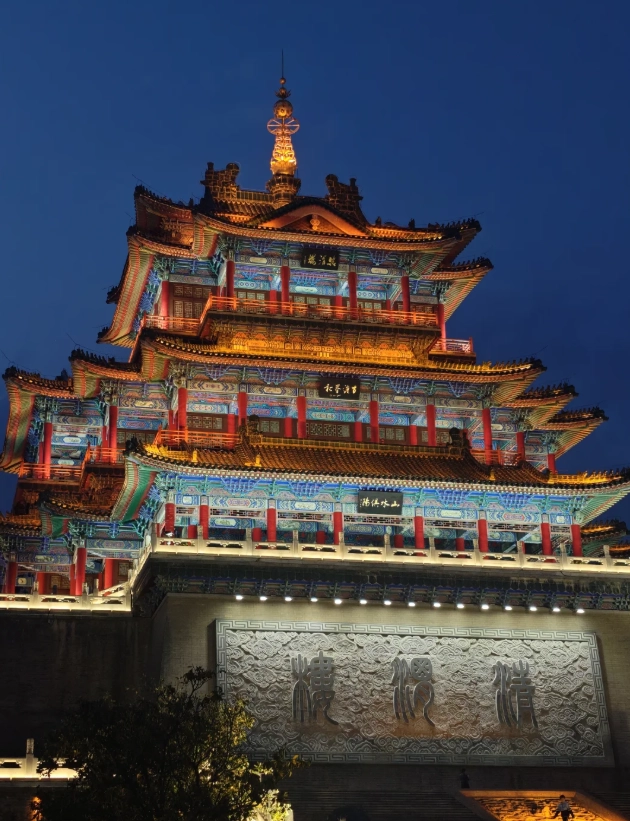
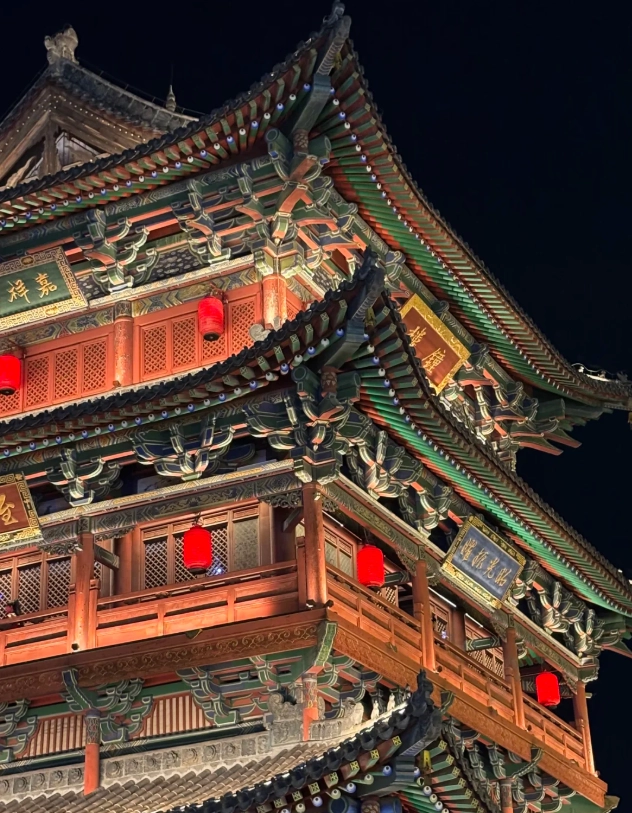
- 10:45 AM – Walk north to the Drum Tower and climb it for city views (free, 15 minutes).
- 11:15 AM – Grab a quick lunch at He Mian Restaurant (address: 142 Dapi Street, Google Maps rating 4.3, budget 25 RMB) – order the knife-cut noodles with braised pork.
- 12:00 PM – Head to the South Gate wall entrance. Rent a bike and cycle the east section. The east side has the best view of the old brick kilns. (1 hour)
- 1:30 PM – Finish. If you have more time, check out the Datong Museum next to the east wall (free, closed Mondays).
FAQ
After countless trips, I keep coming back. Not because it's perfect — it's not. But because Datong Ancient City rewards the patient traveler. Skip the tourist-trap souvenir shops inside, ignore the selfie-stick hawkers, and instead look up at those clay Buddhas. They've been watching for a thousand years. They'll make you forget the entry fee.






No comments yet.