 Fang Wang
I walked past the souvenir stalls and the incense clouds, following a scent that was different. It wasn't sandalwood. It was the deep, savory aroma of mushrooms simmering in a rich broth, the subtle fragrance of steamed wheat gluten, and the clean, sharp note of fresh bamboo shoots. This was the real draw for me, hidden in plain sight within the serene Jade Buddha Temple complex: its legendary vegetarian restaurant. Most visitors come for the sacred jade Buddhas, and rightly so. But skipping the temple's food is like visiting Paris and ignoring the bakeries. After multiple visits, from quick lunches to leisurely weekend meals, I've put together what I wish I knew before my first bite.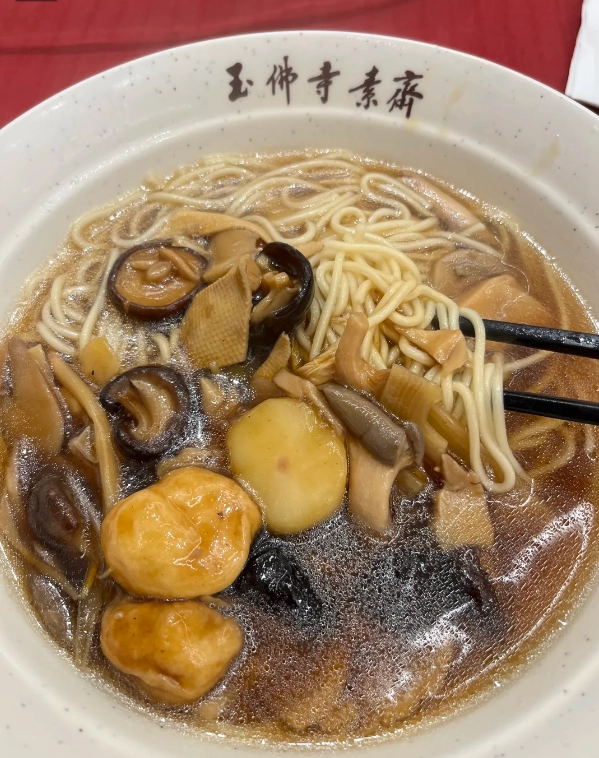
What You'll Find in This Guide
Finding the Restaurant & Key Details
Let's get the logistics out of the way first, because the setup can confuse first-timers. The main sit-down restaurant is called the Jade Buddha Temple Vegetarian Restaurant (玉佛寺素斋). It's not a street-side stall. You'll find it inside the temple grounds, but it has its own entrance on Anyuan Road. Think of it as a culinary annex to the spiritual complex.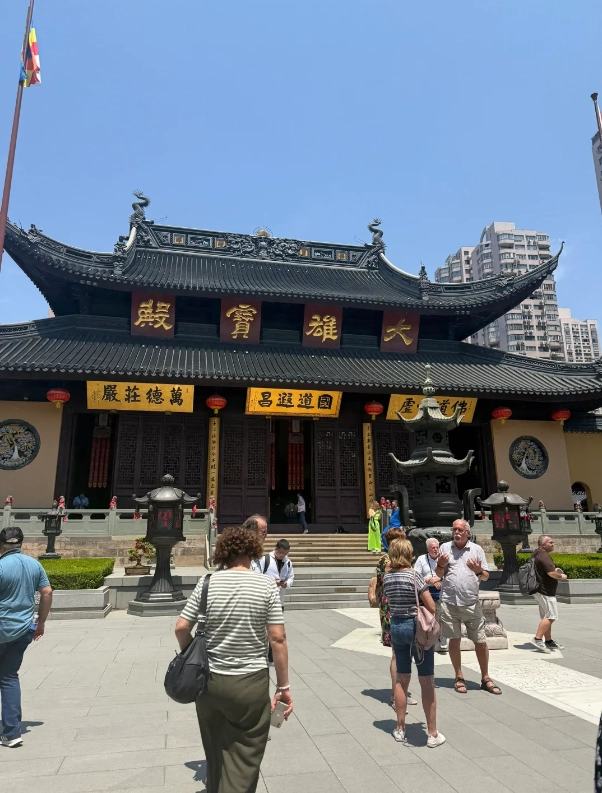
Address: 188 Anyuan Road, Putuo District, Shanghai. (Inside the Jade Buddha Temple complex).
Nearest Metro: Line 13, "Jiangning Road" Station, Exit 3. A 7-10 minute walk.
Restaurant Hours: 11:00 AM – 2:00 PM, 5:00 PM – 9:00 PM (Last order usually around 8:30 PM).
Temple Hours: 8:00 AM – 4:30 PM. You need a temple ticket to enter the grounds and access the restaurant during these hours. After 4:30 PM, the main temple gates close, but the restaurant's street-side entrance on Anyuan Road remains open for dinner.
Here's a tip nobody tells you: If you're going just for dinner, you don't need to pay the temple admission fee. Use the restaurant's direct entrance. For lunch, you must buy a temple ticket. The restaurant itself is spacious, with multiple floors. The ground floor is functional, often busy with tour groups. The upper floors are quieter, with better décor. Ask for a table upstairs if you can.
The Top 5 Dishes You Must Try
The menu is vast. It's easy to be overwhelmed. Based on tasting my way through it, here’s my personal ranking of the dishes that define the Jade Buddha Temple food experience.
| Rank & Dish | What It Is & Why It's Special | My Tasting Notes |
|---|---|---|
| 1. Braised Vegetarian "Goose" (素鹅) | Not goose at all. It's layers of seasoned bean curd sheets, rolled, steamed, and deep-fried, then braised in a sweet-savory soy-based sauce. | The texture is the star—firm yet yielding, with a slightly crispy skin soaking up the complex sauce. It's the dish that made me understand temple cuisine. |
| 2. Buddha Jumps Over the Wall (素佛跳墙) | The vegetarian rendition of the luxury soup. A broth simmered for hours with over a dozen ingredients like bamboo pith, morel mushrooms, ginseng, and wolfberries. | Incredibly rich and umami without a single animal product. It feels nourishing. Order it to share; it's a pot of culinary alchemy. |
| 3. Vegetarian "Kung Pao Chicken" (宫保素鸡丁) | Diced wheat gluten and peanuts stir-fried in the classic kung pao sauce with dried chilies and Sichuan peppercorns. | The wheat gluten has a remarkably meat-like chew. The sauce has the perfect balance of sweet, sour, and the numbing *mala* kick. It's comforting and exciting. |
| 4. Shanghai Style Vegetarian Noodles (上海素炒面) | Thick Shanghai noodles stir-fried with shredded cabbage, mushrooms, carrots, and bean sprouts in a light soy sauce. | Simple, but executed perfectly. The wok breath (*wok hei*) is there. It's not greasy. It's the ideal, satisfying carb to anchor your meal. |
| 5. Eight Treasure Rice Pudding (八宝饭) | A traditional dessert of glutinous rice steamed with eight kinds of candied and dried fruits, nuts, and sweet bean paste. | Heavy and sweet, but a perfect finale. Share one among the table. The contrast of the warm, sticky rice with the sweet bean center is classic. |
A dish that didn't make my top five but is worth a mention is the vegetarian "squirrel-shaped mandarin fish." The presentation is fantastic—it looks just like the fried fish dish. The taste, made from mushrooms and tofu skin, is good, but I found the texture a bit one-dimensional compared to the braised "goose."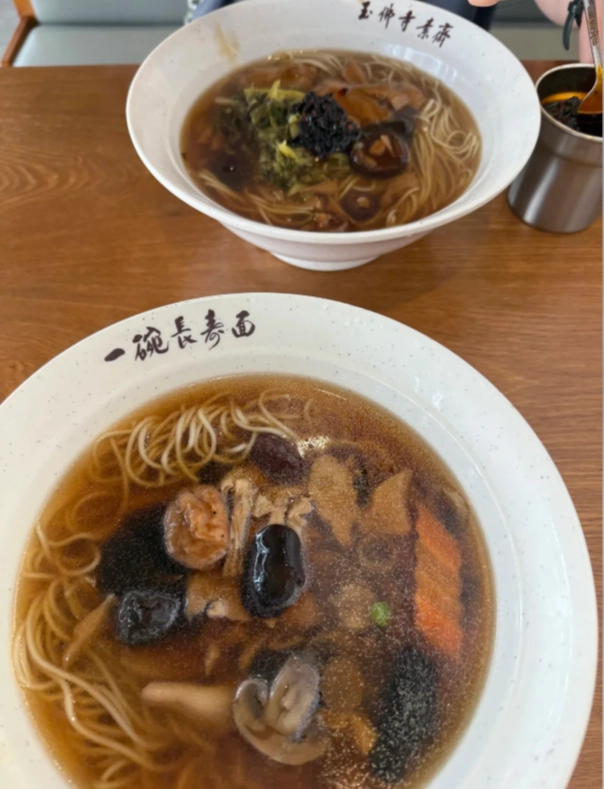
How to Order Like a Regular
The menu has pictures, but it's huge. Walking in cold is a gamble. Here’s how I structure a meal there now.
Start with a shared soup or appetizer. The Buddha Jumps Over the Wall is the ultimate splurge. For something lighter, the mushroom and bamboo shoot soup is clear and flavorful.
Pick one "showstopper" protein-style dish. This is your Braised "Goose" or the Kung Pao "Chicken." These are the centerpieces that showcase the chef's skill in transformation.
Add a vegetable-forward stir-fry. Something like snow pea shoots with garlic or braised cabbage. This balances the richer dishes and adds freshness.
Don't forget the carbs. A bowl of steamed rice is fine, but the Shanghai fried noodles are a better choice. They have more character.
One thing I learned: the servers can be rushed. Have 2-3 dish names ready. Pointing at the menu works, but knowing the English or Chinese names (素鹅 - Sù é, 素佛跳墙 - Sù fótiàoqiáng) speeds things up.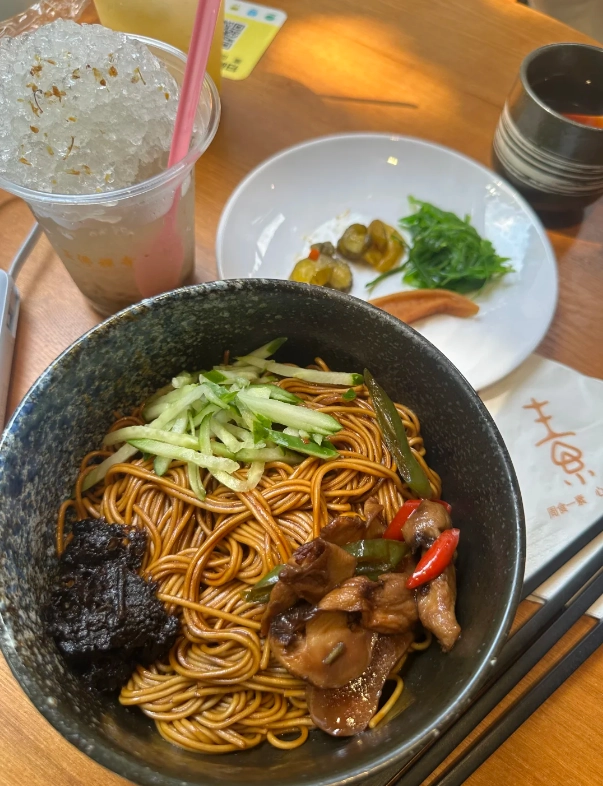
The Hidden Menu Item (Sort Of)
They don't advertise it widely, but around major Buddhist festivals, the restaurant sometimes offers special set menus or festival-specific pastries. It's always worth asking the server, "Are there any special dishes today?" I once scored a plate of exquisite mooncake-like pastries filled with nut paste during the Mid-Autumn period that weren't on the regular menu.
Your Complete Dining Guide: Timing, Price & Atmosphere
Best Time to Go: For lunch, aim to arrive at 11:15 AM. You beat the big tour groups that roll in around noon. For dinner, any time after 6:30 PM is usually calm. Avoid weekends if you hate crowds; the atmosphere is more serene on a Tuesday evening.
Price Range: It's not a cheap street meal, but it's reasonable for the quality. Expect to spend between 80 to 150 RMB per person for a satisfying meal with multiple dishes. The luxurious soups like Buddha Jumps Over the Wall can push this higher if ordered.
The Vibe: It's not a silent, meditative space. It's a bustling Chinese restaurant. You'll hear the clatter of plates and lively conversation. The décor is traditional Chinese with Buddhist motifs—dark wood furniture and lanterns. It's clean and well-maintained. Don't expect fine-dining service; it's efficient and functional.
Vegetarian Food Beyond the Main Restaurant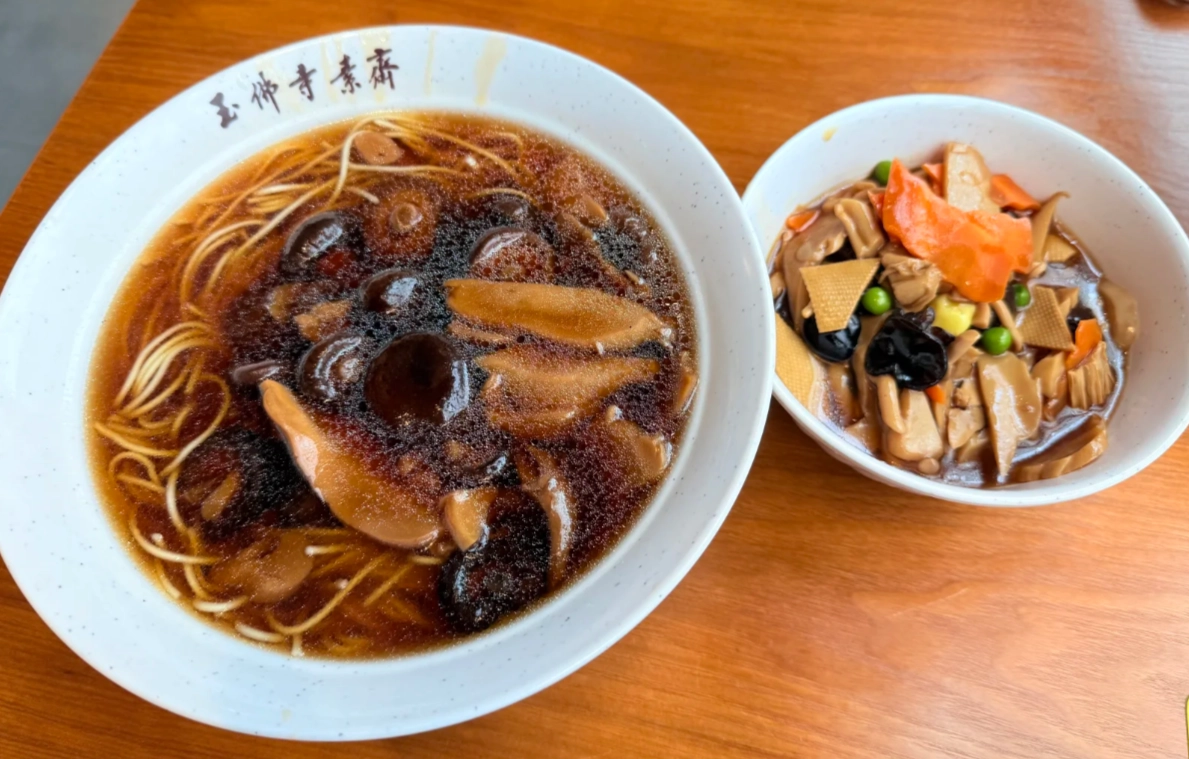
If the main restaurant is full or you want a quicker bite, the temple has other options.
Right near the temple's exit, there's a small snack counter selling steamed vegetarian buns (素包子 - sù bāozi). The filling is usually minced vegetables and vermicelli. They cost about 3-5 RMB each. They're perfect for a grab-and-go snack. I find them a bit dry, but they're authentic.
Also, explore the temple's own bakery (look for signs saying 素点). They sell beautifully packaged vegetarian cookies, pastries, and mooncakes. These make for unique, edible souvenirs. The walnut cookies are particularly good.
For broader context on Shanghai's temple culture and official visitor information, the Shanghai Municipal Government website is a reliable source, though it doesn't focus specifically on food.
Answers to Your Practical Questions
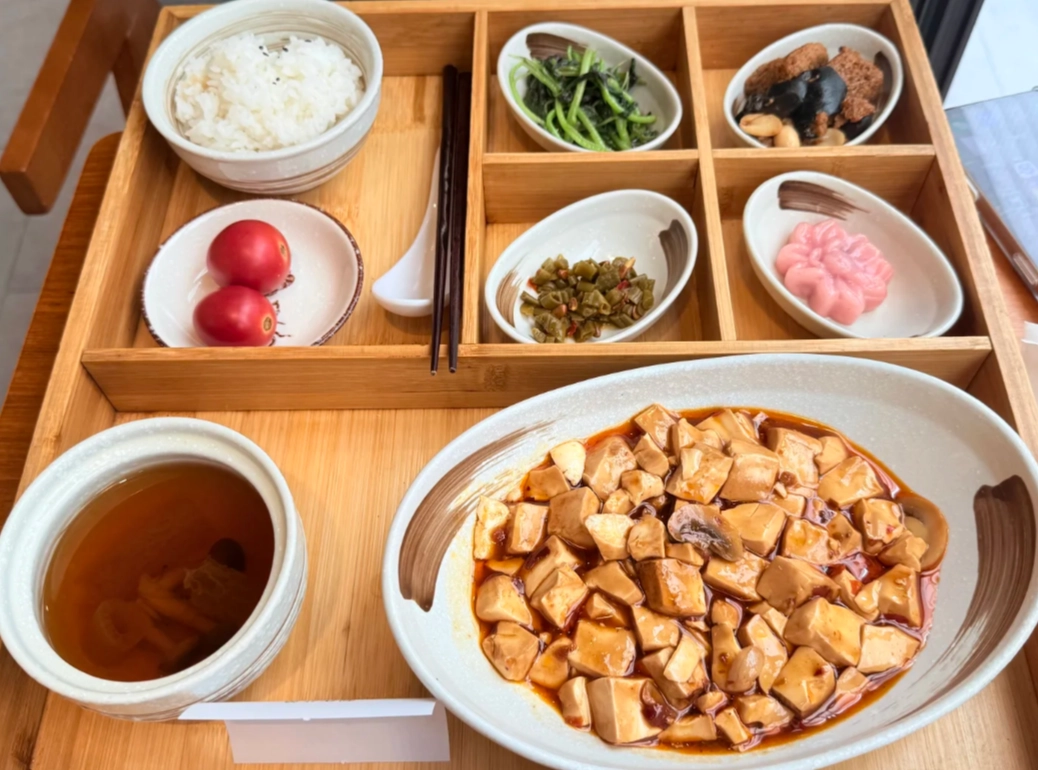 Is it suitable for a solo traveler?
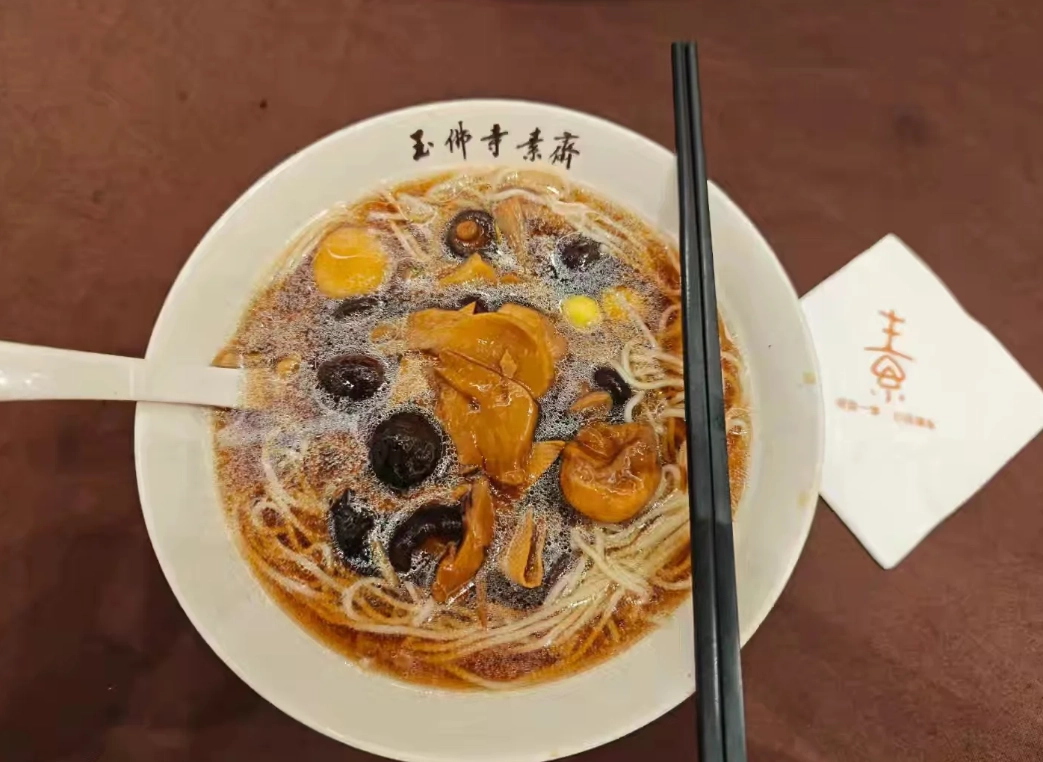 The Jade Buddha Temple offers more than spiritual solace; it provides a genuine taste of a culinary tradition that turns simplicity into artistry. It’s a meal that stays with you, long after the incense scent has faded from your clothes.
This article is based on multiple personal visits and consultations with local culinary enthusiasts. Information was fact-checked for accuracy regarding location, hours, and menu offerings.
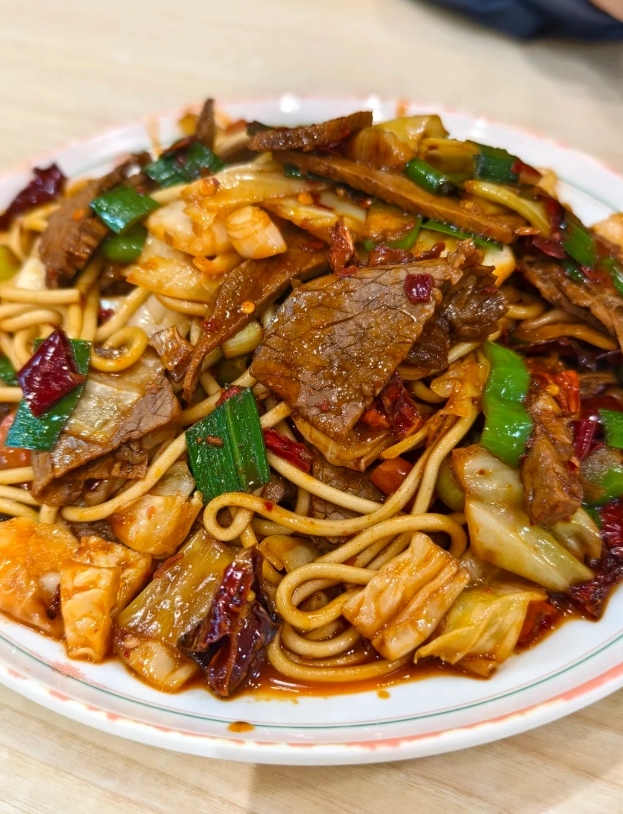





Best temple food I've ever had, hands down! As a long-term vegan, I'm always skeptical about 'fake meat' dishes, but this place nailed it. The 'shrimp' made from tofu skin was so realistic my friend thought it was real seafood. Also loved the cold jellyfish salad (also plant-based) – refreshing and tangy. The service was warm and efficient, and the courtyard view added to the magic. If I could give 6 stars, I would. Absolutely coming back!
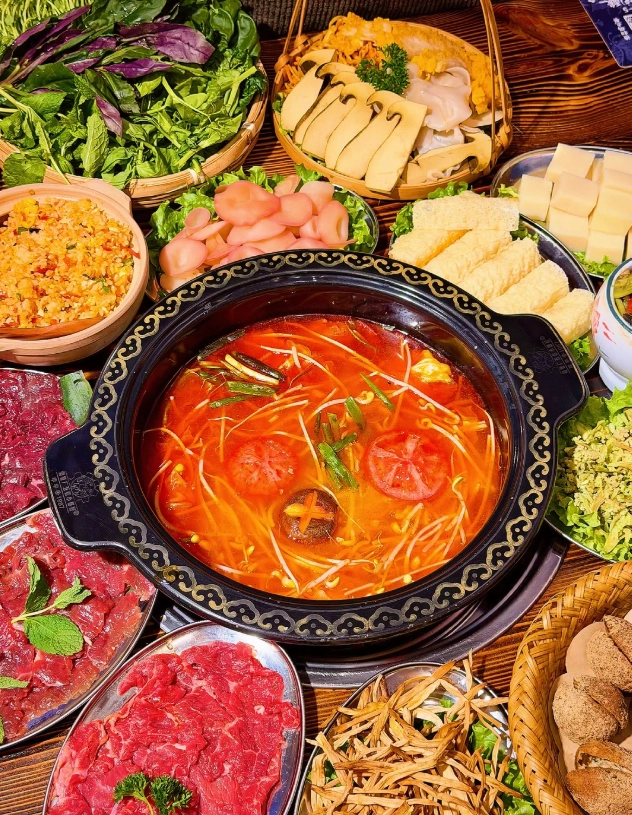
A hidden gem for both the soul and the stomach. Visiting Jade Buddha Temple is already a calming experience, and this restaurant takes it to another level. I had the Buddha's Delight hot pot and the handmade sesame buns—both were incredibly flavorful without being heavy. The ingredients tasted so fresh, and the presentation was beautiful. The staff even explained the significance of some dishes. I felt peaceful and nourished after my meal. Highly recommend!
Absolutely incredible! Hands down the best vegetarian meal I've had in Shanghai. The setting inside the temple is so tranquil, and the food is elevated yet comforting. I loved the crispy 'eel' made from mushrooms—mind-blowing texture. Also tried the vegetable dumplings which were delicate and fresh. Every dish felt thoughtfully prepared. If you're in Shanghai, do not miss this place, even if you're not vegetarian. 5 stars all the way!
Solid temple food experience! The ambiance is serene and the location inside the temple grounds makes it unique. We shared the sizzling mushroom platter and the sweet and sour 'pork'—both were tasty and well-seasoned. Only reason I'm giving 4 stars instead of 5 is that the service was a bit slow during lunch rush and we had to wait 20 minutes for our main dishes. Still, worth a visit if you're in the area and want a calm meal.
Stopped by after visiting the temple and was really looking forward to it after reading all the hype. The setting is peaceful and the staff were polite enough. But honestly, the food didn't blow me away. I ordered the signature vegetarian duck and the braised noodles—both were okay but felt a bit oily and bland. For the price, I expected more flavor. Maybe it was an off day, but I left a little disappointed.
This isn’t just a meal, it’s a cultural immersion. I loved how the menu incorporates Buddhist philosophy – no mock meats trying to trick you, just pure, clean flavors. The stir-fried seasonal greens with bamboo shoots were simple but perfectly seasoned. I sat near a window overlooking the pagoda and felt completely at peace. A truly soulful dining experience.
Maybe I came on a busy day, but it felt rushed and chaotic. The famous ‘Jade Buddha noodles’ were bland – just plain noodles in a thin broth with a few veggies. The dining hall was noisy with tour groups, which totally killed the zen vibe I was expecting. Service was indifferent too. For a temple restaurant, I hoped for more care. Won’t be returning.
Good food in a very unique setting – you’re basically eating inside a working temple. The steamed buns were fluffy and the vegetable soup was comforting. I’d give it a solid 4 because the portions were a bit small for the price (80 RMB for a plate of greens seems steep). Still, the experience is one-of-a-kind and I’d recommend it to anyone curious about temple cuisine.
I’m not even vegetarian but this place blew me away. Ordered the set menu and every course was a surprise – the mushroom ‘abalone’ had such a silky texture. The temple grounds are gorgeous, and it’s such a contrast to the busy streets outside. Only downside: we had to wait 40 minutes for a table at lunch, but it was totally worth it.
Hands down the best vegetarian meal I’ve ever had. The braised ‘duck’ made from tofu skin was impossibly realistic – crispy on the outside, tender inside. Sitting in the tranquil courtyard with incense drifting by made the whole experience feel meditative. The staff even explained which dishes were vegan-friendly. Absolutely coming back next time I’m in Shanghai.
Solid temple food experience, but I can see why locals say it's more for tourists. The vegetarian dim sum platter is photogenic and tastes good — especially the crystal dumplings filled with mushroom and bamboo shoot. But the service felt rushed, and they cleared my plate before I finished. The location inside the temple is cool, and you can combine it with a visit to the Jade Buddha statues. Good value for a one-time try, but I wouldn't go out of my way again. Perfect for a rainy afternoon activity.
If you're in Shanghai, you HAVE to eat here. I'm not even vegetarian but this place converted me for a meal. The 'mock shrimp' made from kelp and potato starch was uncanny — even the texture was spot on. The real star was the dessert: a sticky rice cake with red bean paste and a hint of osmanthus. Sitting in the bright, clean dining room with monks walking by outside gave the whole meal a meditative feel. I went back two days in a row. Best 5 dollars I've ever spent on lunch.
Honestly, I was a little disappointed. I've had better vegetarian food at other temples in China. The 'vegetarian fish' in sweet and sour sauce was overly oily and the sauce was cloying. The fried rice was bland and seemed like it had been sitting out. The restaurant itself was also pretty noisy — lots of tour groups talking loudly. I understand it's a popular spot, but the food didn't live up to the hype for me. Maybe I came on a bad day. The only highlight was the free jasmine tea they serve while you wait.
Nice experience overall, but I'm knocking off one star because the prices felt a bit steep for a temple cafeteria. The braised tofu skin roll was delicious — slightly sweet and perfectly chewy. However, the portion size of the cold sesame noodles was tiny for 38 RMB. The atmosphere is peaceful, though you're sharing tables with strangers. Service was fast but not particularly warm. Worth a visit if you're in the area or curious about Buddhist cuisine, but don't expect a bargain.
Absolutely hands down the best temple food I've ever had. I went on a weekday around 11:30 and the queue wasn't too bad — about 15 minutes. The 'mock duck' was so convincing I had to double-check it wasn't real meat. The broth in their noodles was incredibly umami, and the steamed buns were pillowy soft. The dining hall is simple but serene, with a faint incense smell drifting in from the temple grounds. Staff were efficient and polite despite the busy lunch rush. A must-visit for any vegetarian or even curious carnivore in Shanghai!