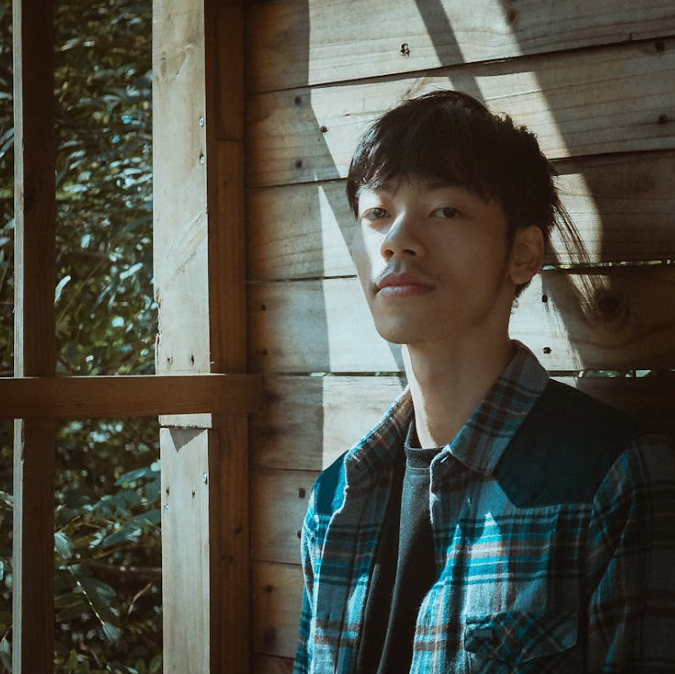
 Lei Li
What's Inside
Let me be honest with you — I've taken hundreds of travelers through these caves. And almost every first-timer makes the same mistake: they show up without a map, wander aimlessly, and miss the best carvings. That's why I put together this guide. You'll learn not just where things are, but the exact route to take, the ticket tricks, and the small details that make your visit unforgettable.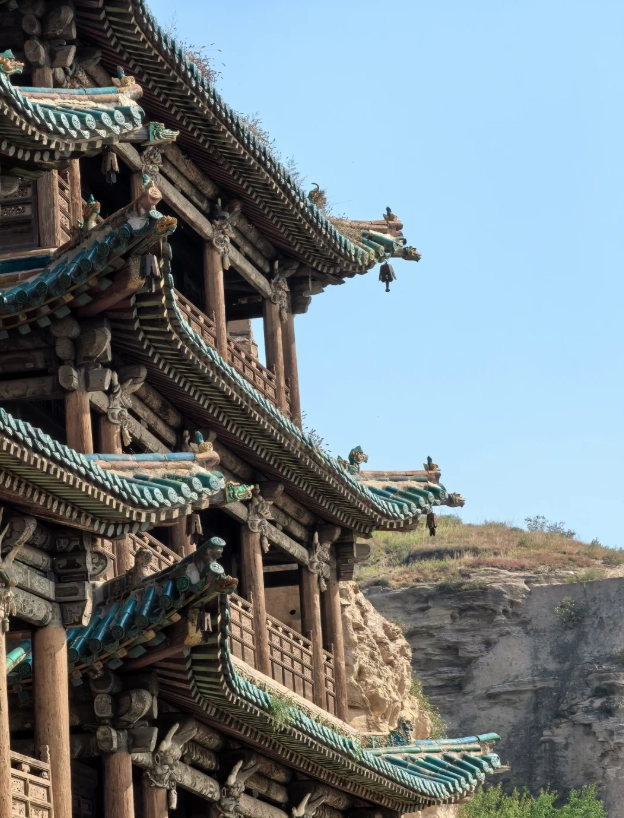
Site Layout & Cave Highlights
The Yungang Grottoes site is divided into three main areas: Eastern Caves (caves 1–4), Central Caves (caves 5–13), and Western Caves (caves 14–45). Most travelers skip the eastern section because it's less impressive — but I'd argue cave 3 has the largest seated Buddha in the complex. Here's a quick breakdown of what you absolutely cannot miss:
| Section | Must-See Caves | Highlight |
|---|---|---|
| Eastern | Cave 3 | Colossal seated Buddha (17m tall) — my favorite photo spot if you arrive before 9am |
| Central | Caves 5, 6, 9, 10 | Cave 6 has intricate reliefs telling Buddha's life story; cave 9 and 10 feature front pillars with bold colors |
| Western | Caves 16–20 (the Five Caves of Tan Yao) | These are the earliest and most iconic — cave 20 has the famous collosal Buddha with the open-air exposure, the symbol of Yungang |
One thing that always surprises my guests: the central caves (especially 5 and 6) can get incredibly crowded after 10am. I suggest you visit them first, then work your way west. More on timing later.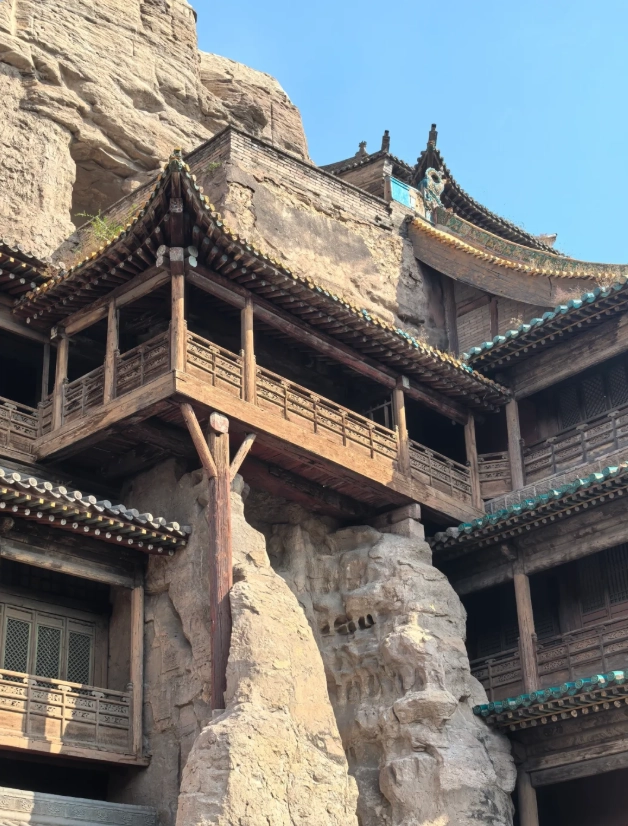
How to Book Tickets
You can't just show up and buy a ticket easily — at least not if you want to avoid hassle. Here's the drill:
Official price: 120 RMB for adults (no separate student ticket, but seniors over 60 get free entry with ID. Children under 1.2m are free). But here's the catch — during peak season (May–October) the on-site ticket window often has long lines. I always tell my groups to book online via WeChat. If you don't have WeChat Pay, ask your hotel receptionist to help you purchase. Alternatively, you can use Trip.com or Klook to book in advance — just search "Yungang Grottoes ticket."
Opening hours: 8:30–17:30 (last entry at 16:30). The site closes earlier in winter (8:30–17:00, last entry 15:30). I highly recommend arriving when gates open at 8:30 — you'll have almost an hour of near-empty walkways.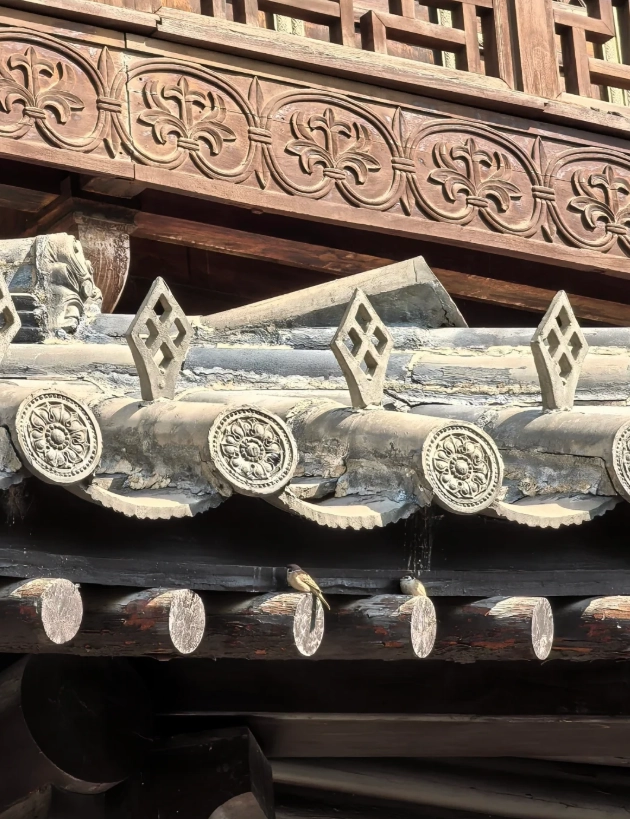
Getting to Yungang Grottoes
The grottoes are about 16 km west of Datong city center. Here are your options:
- Taxi / DiDi: Fastest and easiest. From Datong railway station, about 30–40 minutes and 40–50 RMB. Just show the driver "云冈石窟" (Yungang Shiku) or use the app. One tip: ask the driver to drop you at the East Gate, not the main south gate. The east gate is closer to the ticket office and you'll skip the long walk through the shopping street.
- Public bus: Bus No. 3 from Datong Hotel or Xinkai South Road. Takes about 1 hour, costs 2 RMB. Get off at "Yungang Grottoes" stop, then walk 15 minutes to the entrance. Not my favorite because the bus can be packed and slow, but it's cheap.
- Private car: Most hotels can arrange a round-trip car for about 200–250 RMB. Split among 4 people, it's a steal. I often use this for small groups — the flexibility to leave whenever you want is priceless.
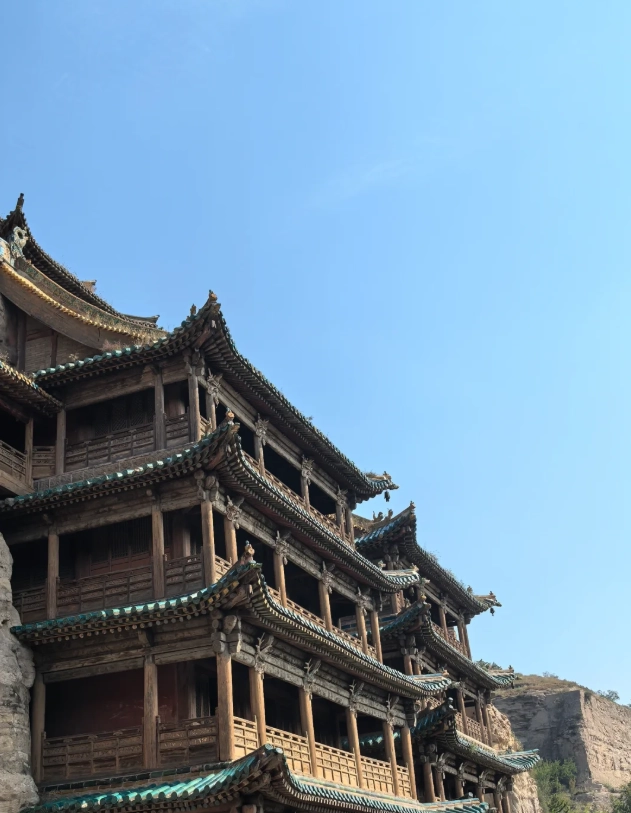
Best Walking Route & Time-Saving Tips
Most travelers start at the entrance (south gate), walk through a long commercial street, then enter the cave area from the east. But that's inefficient. Here's my optimized route:
- Enter via East Gate — if you arrive by taxi, ask to be dropped here. You'll pass the ticket office and walk straight to the cave area.
- Start with Central Caves (5–13) — they're the most detailed. Spend about 45 minutes here. If it's crowded, skip cave 5's interior (you can see the huge Buddha from outside) and go straight to cave 6.
- Walk west to the Tan Yao Caves (16–20) — this is the highlight. Cave 20 is the iconic open-air Buddha. Take your time here — another 30–40 minutes.
- Then backtrack to the Eastern Caves (1–4) — only if you have more than 2 hours total. I honestly tell most visitors to skip the eastern section if you're short on time. Cave 3 is the only one worth seeing, and you can get a glimpse from the path.
- Exit via the south gate — you'll walk through the shopping street, but it's fine if you want souvenirs.
Total walking distance: about 2.5 km if you follow my route. You'll need at least 2.5 hours for a solid visit, 3.5 if you take lots of photos and visit the museum (which is free and air-conditioned — a great escape from summer heat!).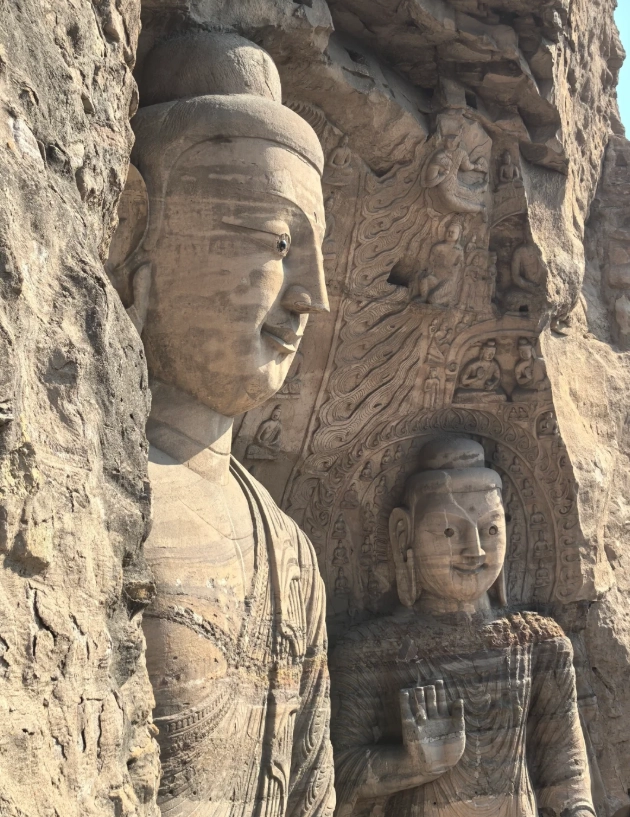
When to Go & How to Avoid Crowds
I've been to Yungang at every hour, in every season. My strong advice: arrive at 8:30 sharp on a weekday. The worst time is 10am–2pm on weekends or during Chinese holidays (especially Golden Week in October and Spring Festival). If you can only visit on a weekend, go at 3pm — the tour groups start leaving around 4pm, and the golden hour light (around 4:30–5pm) makes the carvings look magical. Just be aware that last entry is 16:30, so you'll have about 90 minutes.
Another thing: avoid summer afternoons (July–August). It's scorching, and the caves offer little shade. I've seen guests get heatstroke. If you're going in summer, bring a hat and plenty of water. There are vending machines, but they're pricey (8 RMB for a small bottle).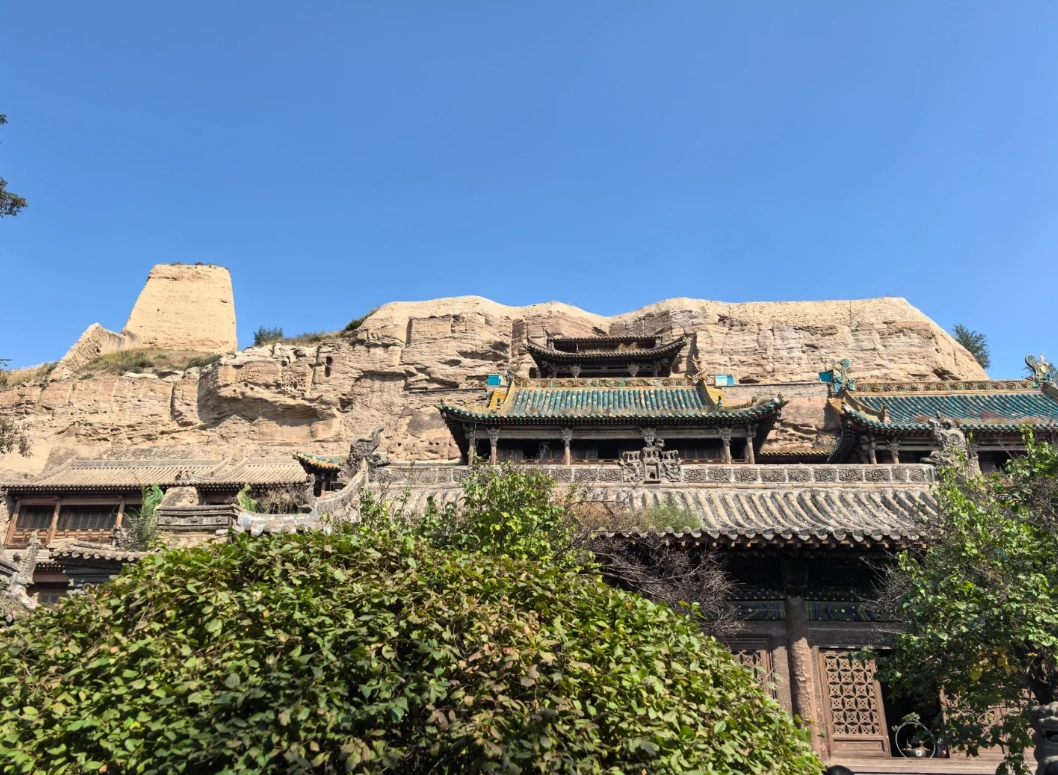
Frequently Asked Questions
Verified and fact-checked by the editorial team.





No comments yet.