 Wei Zhang
Quick Navigation
I've lost count how many times I've walked through that gate with a group of eager photographers. And every single time, someone whispers, "Where did you find this angle?". Truth is, the Chongsheng Temple Three-Pagoda site is packed with incredible photo ops, but most tourists leave with the same tired shot from the main plaza. Let me fix that.
I've been guiding travelers around Dali for over a decade, and I've learned exactly where to stand, when to visit, and what to avoid to get those frame-worthy images. No fluff – just real, on-the-ground advice.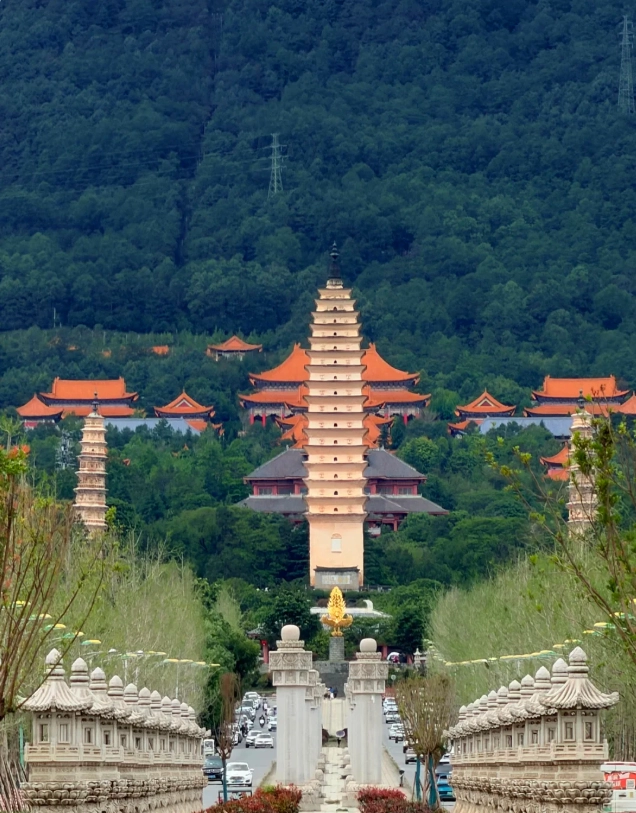
Why This Location Matters for Photographers
These three pagodas aren't just ancient structures – they're the iconic symbol of Dali, dating back to the 9th and 10th centuries. The main pagoda stands 69 meters tall, with two smaller ones flanking it. The setting against the Cangshan Mountains and reflection in the surrounding ponds makes it a dream subject. But here's the catch: most visitors come between 11am and 2pm, when the sun is harsh and the crowds thick. That's your first mistake.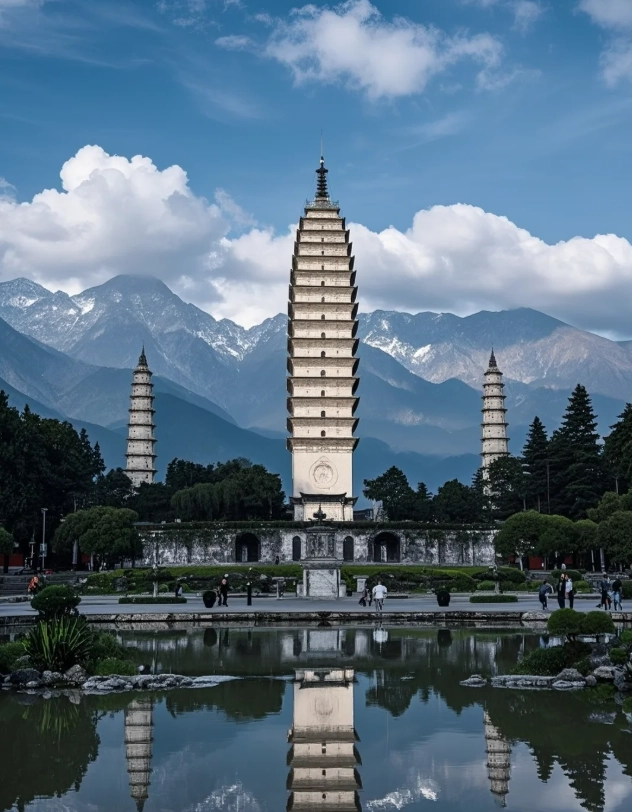
Best Time to Shoot the Three Pagodas
Let’s get specific. Based on hundreds of sessions, here's my cheat sheet for timing:
| Time Slot | Light Quality | Crowd Level | Best For |
|---|---|---|---|
| 7:30 – 9:30 AM | Soft warm, low angle | Very low | Reflection pool, clean backgrounds |
| 10:00 – 2:00 PM | Harsh, high contrast | Peak | Not recommended unless overcast |
| 4:00 – 6:00 PM | Golden, backlight | Moderate | Silhouettes, texture on the pagodas |
| 6:30 – 7:30 PM (summer) | Twilight, blue hour | Low (close to closing) | Long exposures, city lights |
Note: The park closes at 7pm (summer) or 6pm (winter). Last entry is 30 minutes before close, but you can stay a bit longer if you're inside. Security is usually relaxed about photographers lingering near the exit.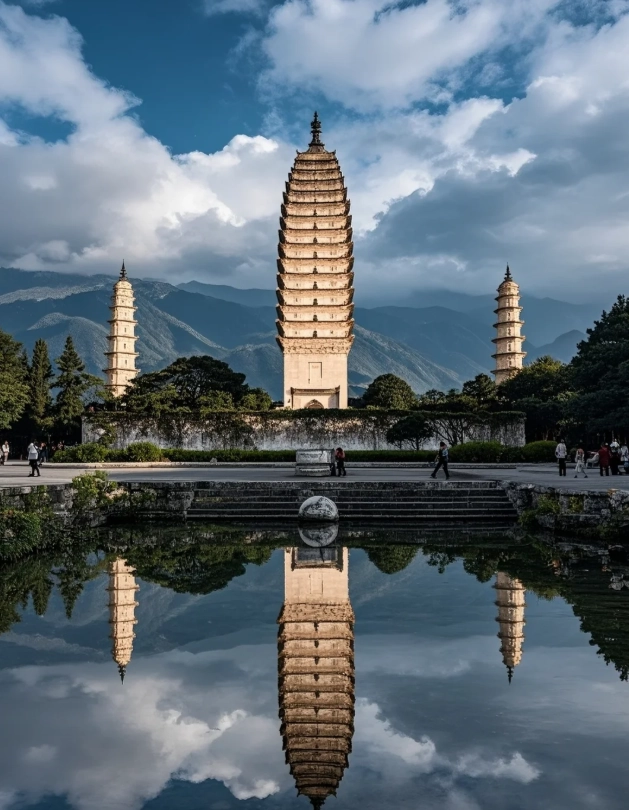
Top 5 Photography Spots Inside the Temple
Forget the main plaza – everyone stands there. Here are my secret spots:
1. Reflection Pool on the East Side
Most visitors run straight to the main hall. Instead, veer left (east) after entering. There's a small pond with lotus flowers in summer. The pagodas reflect perfectly here if the water is calm. Use a polarizer to cut glare.
2. The Elevated Platform Behind the Main Hall
Walk past the main hall to the back. A stone platform gives you a slightly elevated view, compressing the three pagodas together. This is where I take the postcard shot – but only at 8am when the shadow of the central pagoda falls diagonally across the grass.
3. The Bamboo Grove Corridor
On the western edge of the complex, a path lined with bamboo leads to a small pavilion. From here you can frame the pagodas through bamboo stalks. Great for a more organic, layered composition.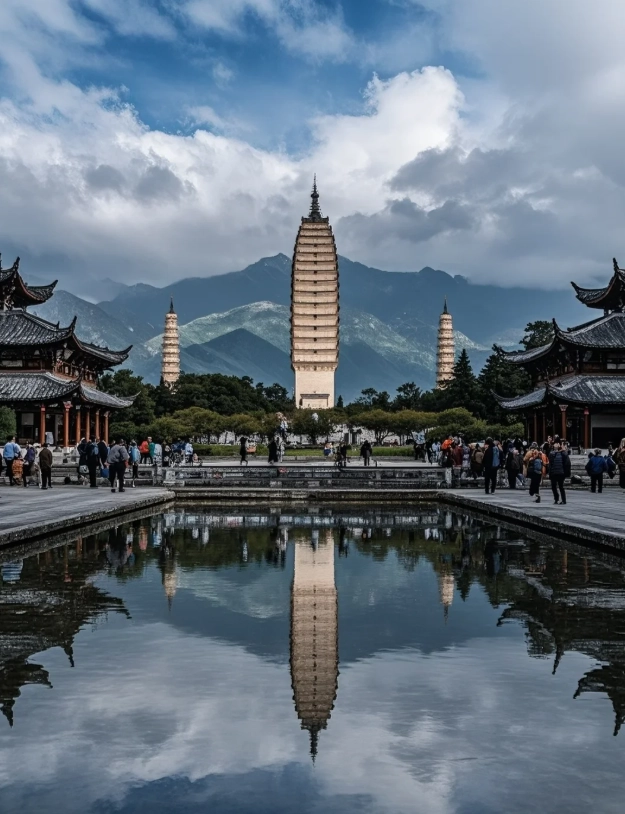
4. The South Gate Approach
Instead of entering from the main north gate, come through the south side (the one closer to the city). The view from the path is unobstructed, and you can capture the pagodas rising above the ancient city wall. Perfect for a wide-angle shot with Yunnan blue sky.
5. Rooftop of the Nearby Starbucks (Seriously)
Yes, there's a Starbucks across the street from the main entrance. The rooftop terrace offers a unique perspective, especially during sunset. Buy a coffee (about 30 yuan) and you can shoot from their balcony. Not many people know this.
Golden Hour & Weather Hacks
Dali weather can be moody. The rainy season (June–September) brings dramatic clouds. That actually creates amazing photographic conditions – the pagodas against dark, textured skies look incredible. Don't cancel your trip if rain is forecast; bring a rain cover and shoot during breaks.
Winter (December–February) has the clearest skies and the lowest sun angle, giving you long golden hours. But mornings are cold – bring a jacket.
One more thing: the park is closed on the day after the Lunar New Year (usually for maintenance). Check the official WeChat account before you go.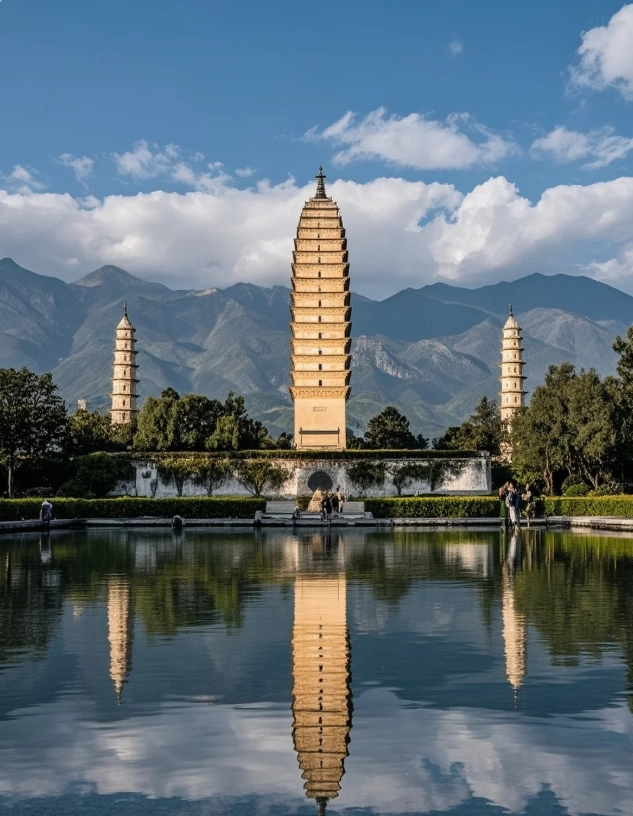
Ticket Info & Practical Tips
| Item | Details |
|---|---|
| Ticket Price | 75 yuan (adult), 40 yuan (child 6-18), free for seniors 70+ and children under 6 |
| Opening Hours | 8:00 AM – 7:00 PM (Apr-Oct), 8:00 AM – 6:00 PM (Nov-Mar) |
| Last Entry | 30 minutes before closing |
| How to Book | Official WeChat mini-program (Chinese only – ask your hotel to help) or buy on-site (cash, WeChat, Alipay; international cards rarely work) |
| Getting There | From Dali Old Town: take bus No. 4 or 8 to 'Three Pagodas' stop (15 min). From Dali Railway Station: bus No. 8 to the north gate, then walk 15 min or take a taxi (about 30 yuan) |
| Nearest Metro | None – Dali has no subway |
Payment problem: almost no vendors accept international credit cards. Make sure you have WeChat Pay or Alipay set up, or bring enough cash (yuan). The ticket office does take cash.
Frequently Asked Questions
Verified and fact-checked by the editorial team.





No comments yet.