 Bo Wu
Bo Wu
Quick Navigation
I've been guiding foreign friends through Yungang Grottoes for over 8 years. And honestly, most day trip guides you find online will leave you exhausted and frustrated. Here's the catch: the standard advice tells you to start at 8 AM, but by 10 AM you'll be stuck behind fifty tour groups wearing matching hats. Let me show you what actually works.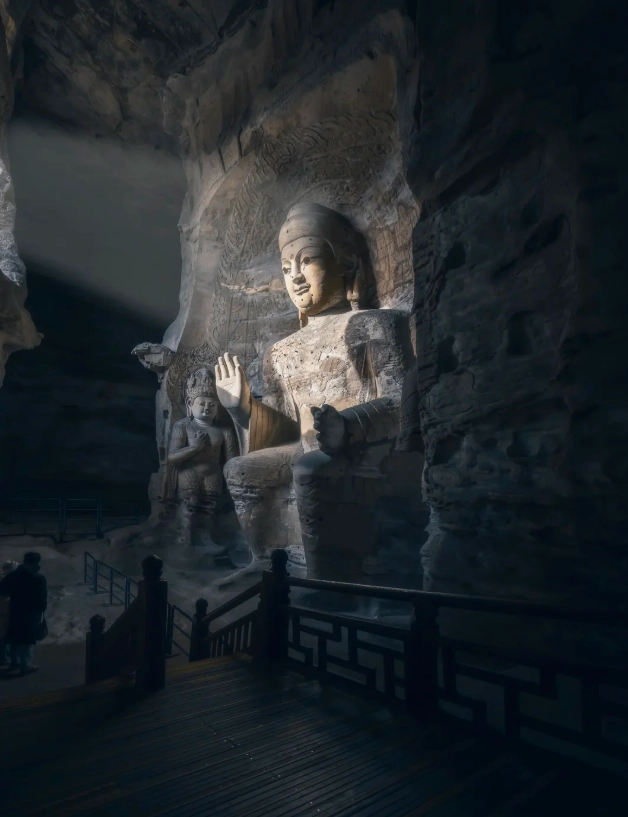
Why Most Day Trip Itineraries Fail (and How to Fix It)
The biggest mistake? Following the crowd schedule. Yungang Grottoes is about 16 km west of Datong city center. Most tourists leave Datong around 8:30 AM, arrive at 9, and hit the peak wave. I always tell my clients: leave at 7:00 AM, be at the ticket gate by 7:30. You'll have the caves nearly to yourself for the first 90 minutes. That's when the morning light is perfect for photos too.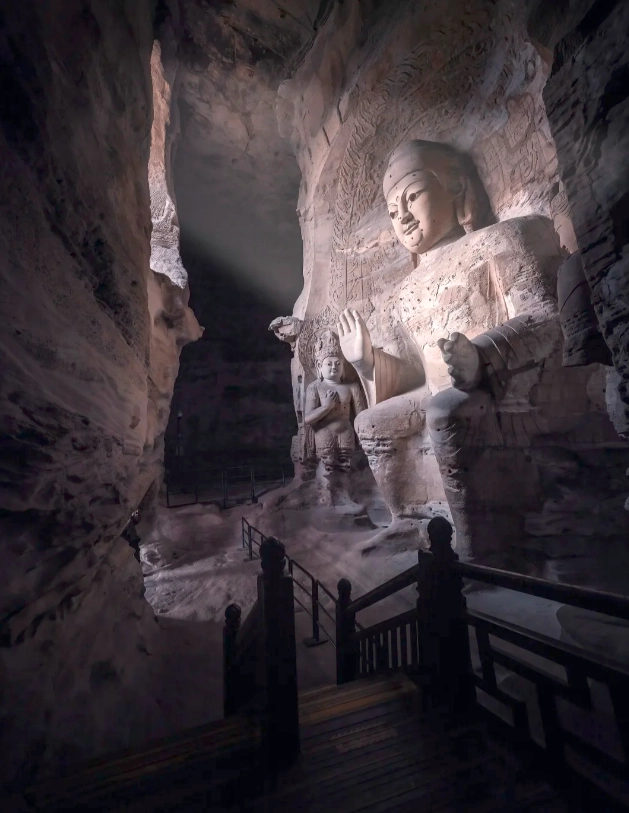
Getting to Yungang Grottoes from Datong
By Taxi or Ride-Hailing
From Datong's city center (say, the old town near Huayan Temple), a taxi costs about 40-50 RMB one way. The ride takes 30-40 minutes. Pro tip: Use Didi (the local Uber) and select "Yungang Grottoes East Gate" as destination — that's the main entrance. Avoid the South Gate: longer walk to the ticket office. Make sure your driver knows to go to the east gate. I once had a driver drop my guests at a back entrance that added 20 minutes of walking.
By Public Bus
Bus 3 from Datong Railway Station goes directly to Yungang Grottoes. Cost: 2 RMB. Travel time: about 50 minutes. The bus stop is right outside the station's east square. But here's the thing — buses run every 15-20 minutes, and they get crowded after 8 AM. If you're not used to squeezing, just take a taxi. You'll save your energy for walking.
By Private Tour
If you book a private tour through Trip.com or a local agency, they usually pick you up from your hotel. Prices range from 300-500 RMB per person for a half-day tour (includes driver and English-speaking guide). Worth it if you want deep historical context without the hassle.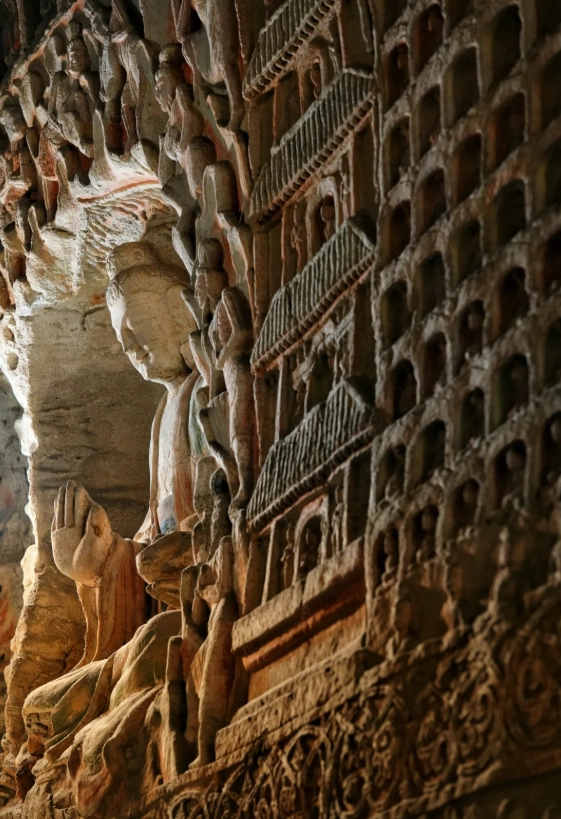
Ticket Booking Nightmare (Solved)
I'm not going to sugarcoat it — the official booking system is a pain for foreigners. You need to use a WeChat mini-program called "云冈石窟" (Yungang Grottoes Official). It's only in Chinese. Here's the solution: ask your hotel front desk to buy the ticket for you. They can scan the QR code and handle payment. Or, if you have WeChat Pay, I've written a step-by-step guide on my blog (search "Yungang ticket WeChat guide").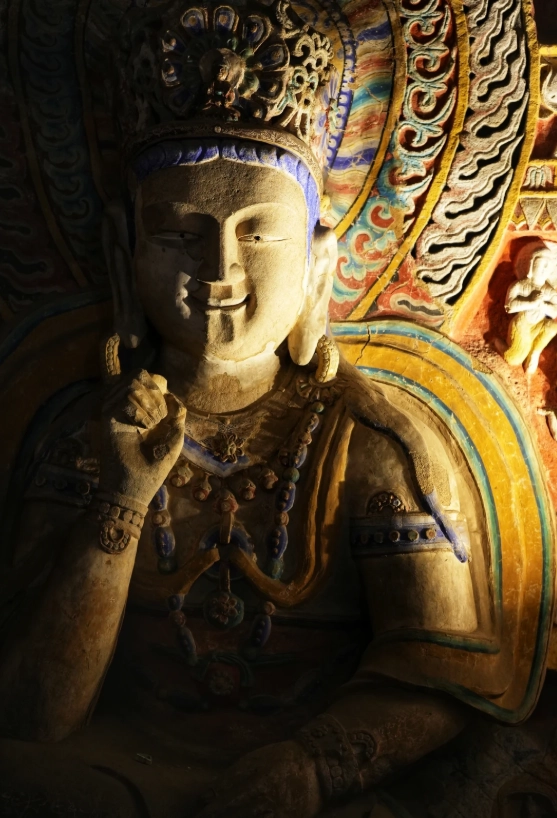
| Ticket Type | Price (RMB) | Notes |
|---|---|---|
| Adult (April-October) | 120 | Peak season, must reserve online |
| Adult (November-March) | 80 | Off-peak, can buy at window |
| Student | 60 | Valid ID required |
| Senior (65+) | Free | With passport; need to queue for free ticket |
| Audio guide rental | 20 | English available; deposit 100 RMB |
Important: During Chinese holidays (May Day, National Day), tickets often sell out days in advance. Book at least 3 days ahead. I've seen too many tourists turned away at the gate. Don't be that person.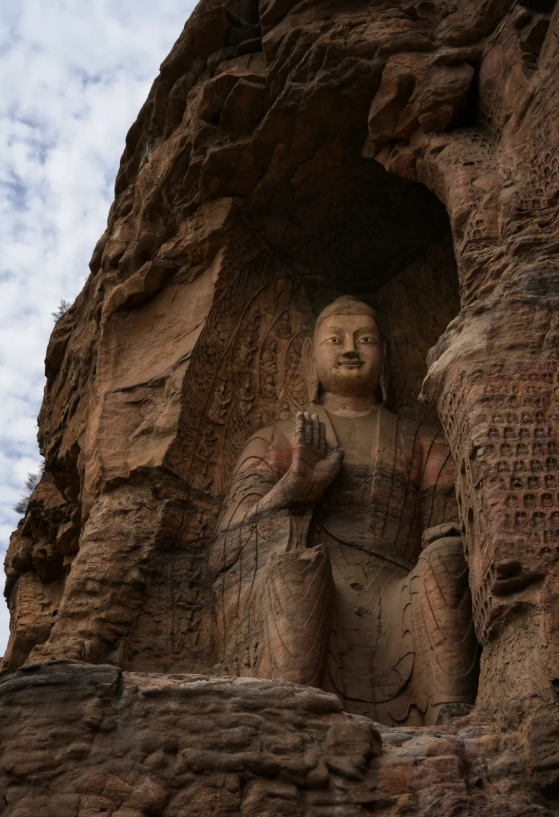
The Best Route Inside the Grottoes
The grottoes stretch from east to west for about 1 km. My recommended route goes west to east, hitting the highlights before the crowds arrive.
Cave 1-4: Skip or Spend 10 Minutes
The first few caves are smaller and less preserved. Unless you're a scholar, just walk through quickly. Cave 3 has a giant seated Buddha, but it's under scaffolding half the time. Save your time.
Cave 5-13: The Must-Sees
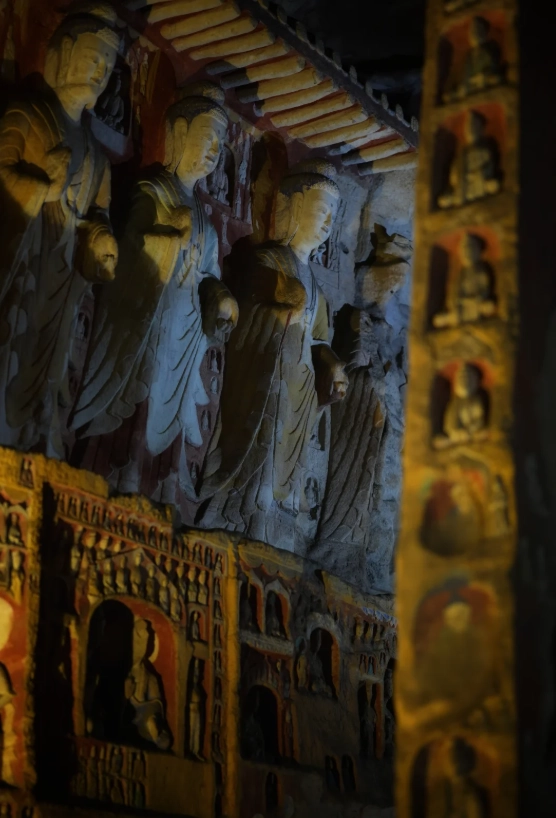
This is the heart of Yungang. Cave 6 houses the amazing "pagoda pillar" — a central column carved with thousands of figures. Cave 9-13 are the "Five Caves of the Tan Yao" (actually 16-20, wait... no, the Tan Yao caves are 16-20; I'm mixing up. Let me clarify: Caves 16-20 are the famous Tan Yao Five, built by the monk Tan Yao. Caves 5-13 are earlier and more colorful. Spend about 30-40 minutes here. Personal note: Cave 12 is nicknamed the "Music Cave" — wall carvings show an ancient orchestra. Bring a small flashlight; the interior is dim and you'll miss details otherwise.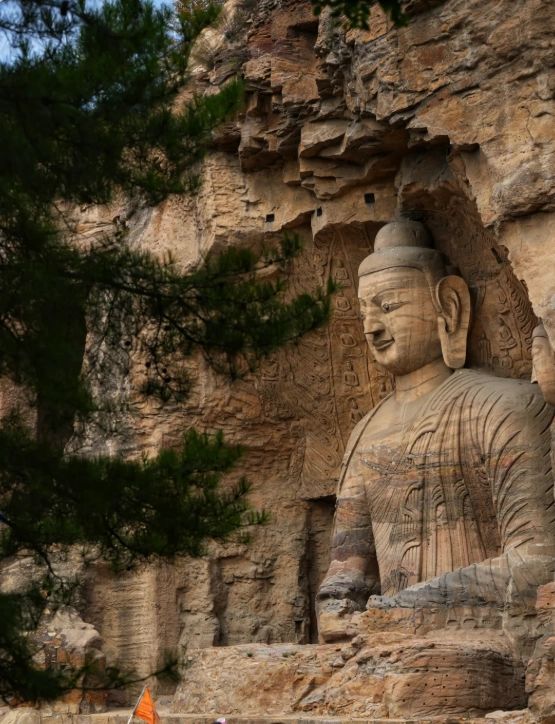
Cave 16-20: The Five Great Buddhas
These are the iconic images you see on postcards. The central Buddha in Cave 20 is 13.7 meters tall, carved directly from the cliff. Photo tip: The best shot is from the wooden walkway in front — go early when the sun is behind you. By 11 AM, it's harsh and shadows ruin the face.
The Museum Area
At the far west end there's a small museum (included in ticket). It has replicas of caves that are closed for conservation. Worth a quick 15-minute stop if you want context.
Best Time to Visit (Personal Experience)
I've been bringing groups year-round. Here's the honest breakdown:
- April-May & September-October: Ideal weather, moderate crowds. Start at 7:30 AM, finish by 11:30, head back for lunch.
- June-August: Hot (35°C+) and crowded. Wear a hat, bring water. There's almost no shade on the walking path.
- November-March: Cold! Temperatures can drop to -15°C in January. But fewer tourists. Just bundle up. The caves are actually warmer inside (they stay around 10°C).
Biggest rookie mistake: People think afternoon visits are fine because they can sleep in. But the tour buses arrive between 10 AM and 2 PM. The walkways become a conga line. Aim to be done by noon.
Where to Eat and Rest (Local Tips)
Inside the scenic area there are overpriced noodle stalls (40 RMB for a bowl that's 15 RMB in town). Skip them. Instead, head back to Datong's old town for lunch. My go-to spot is Hua Yan Noodle House near Huayan Temple. Their knife-cut noodles with fried sauce cost 18 RMB and are legit. Address: No. 18, Gucheng Street. Opens 11 AM to 9 PM. Cash or WeChat, no international cards.
If you need a rest during the visit, there's a Starbucks-style coffee shop near the exit of the grottoes (yes, in a cultural site). A latte is 35 RMB. Decent coffee, free Wi-Fi. Good place to charge your phone.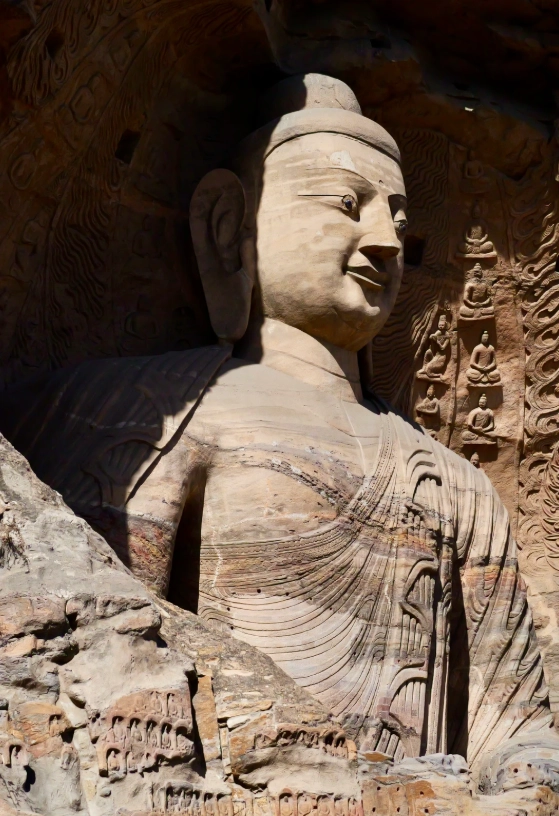
FAQ: Yungang Grottoes Day Trip
Verified and fact-checked by the editorial team.





No comments yet.