 Qiang Huang
You've seen the pictures. Elegant, grey-brick Shikumen lane houses, meticulously restored, housing chic cafes and international boutiques. Xintiandi Square is a Shanghai postcard come to life. But on my first visit years ago, I made the classic mistake. I treated it like a museum, walking through, snapping photos, and leaving. It felt beautiful but sterile. It wasn't until I started going back—for dinner dates, for after-work drinks, for lazy weekend coffees—that I understood its real rhythm. Xintiandi isn't just a preserved relic; it's a living, breathing part of Shanghai's social fabric, a place where history is the backdrop for a very modern, very specific kind of urban experience. This guide is for the visitor who wants to move past the postcard and into the pulse of the place.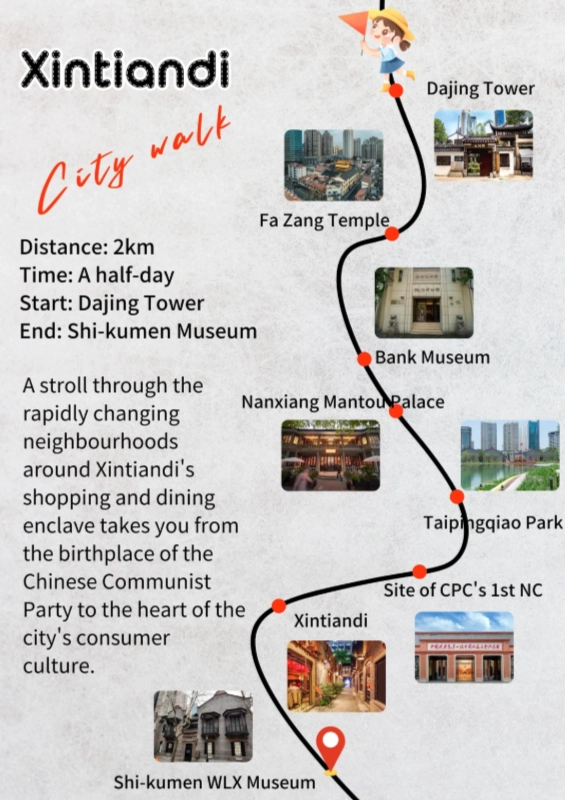
What's Inside This Guide
What Exactly Is Xintiandi Square?
Let's clear something up first. "Xintiandi" (New Heaven and Earth) refers to the entire pedestrian district split into two main sections: North and South Blocks. The "Square" is often the focal point, an open plaza area, but when people say "Xintiandi," they mean the whole complex. The magic, and the common misunderstanding, lies in the architecture. Those aren't replicas. They are genuine Shikumen ("stone gate") houses from the 1920s and 30s, a hybrid style blending Western row-house design with Chinese courtyard elements. In the late 1990s, instead of demolishing them, a developer led a radical preservation-through-adaptation project. The internal structures were gutted and rebuilt to modern standards, while the iconic facades were preserved.
The result is a fascinating tension. You're walking down a lane that looks exactly like the one where the Chinese Communist Party held its First Congress in 1921 (the museum is right there, a must-visit for context). But behind those stone gates, you'll find a sleek Italian restaurant, a high-end jewelry store, or a cocktail bar playing deep house. This isn't a flaw; it's the entire point. Xintiandi proved that historical preservation could be commercially viable, setting a template that changed urban development in China.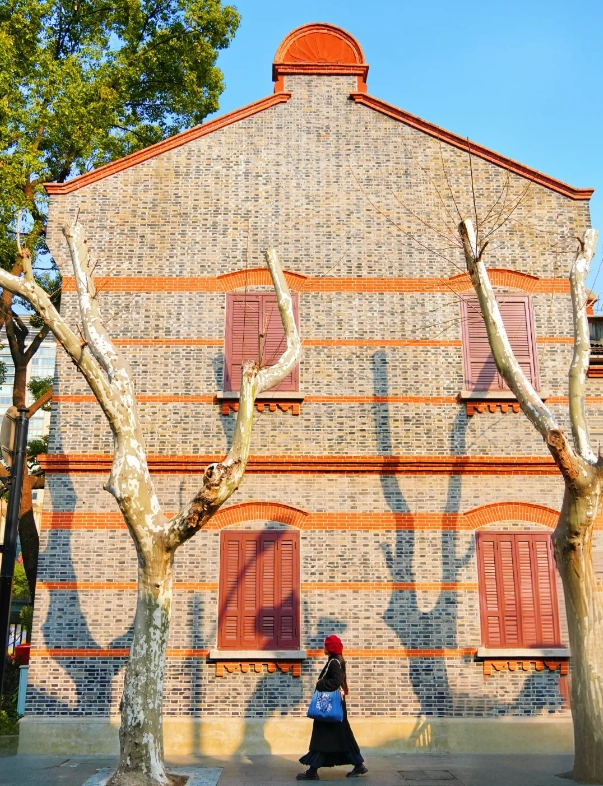
My take: Don't come expecting a "traditional" Chinese neighborhood. That ship has sailed. Come instead to see a brilliantly executed concept of adaptive reuse. The history is in the walls and the plaques. The present is on the menus and in the designer store windows. Appreciating that duality is key to enjoying Xintiandi.
The Best Restaurants and Bars in Xintiandi
This is where Xintiandi shines and where most of your time (and budget) will go. The density of quality options is impressive. But it's easy to get overwhelmed or pick a dud. Based on repeated visits, here’s a breakdown of where to go, categorized by what you're after.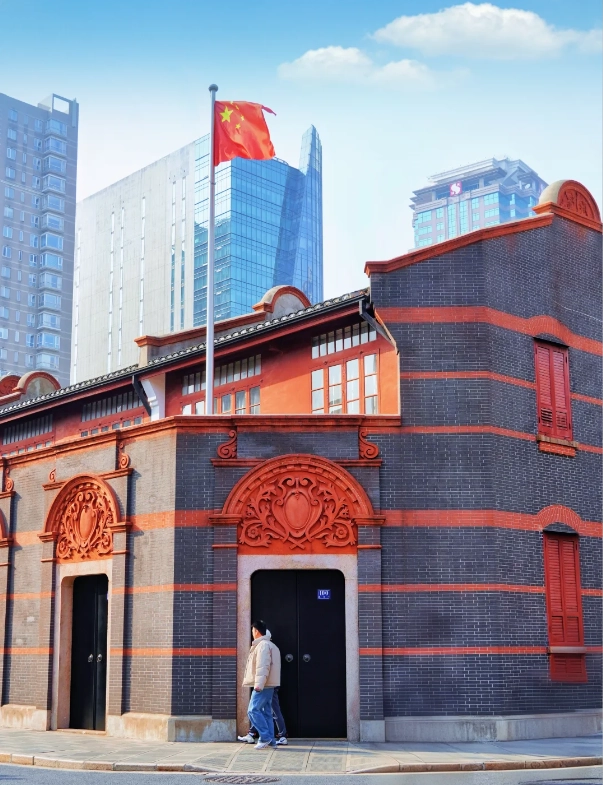
For a Memorable Sit-Down Meal (Worth the Splurge)
THE CUT Steakhouse: Consistently ranked among Shanghai's best for steak. It's not cheap, but the dry-aged ribeye and the truffle fries are benchmarks. The interior is moody and modern, a stark contrast to the Shikumen shell. Address: North Block, Lane 181, Taicang Road. Expect 500-800 RMB per person.
Lost Heaven (Ye Shanghai): This is where you go for "elevated Yunnan cuisine" in a stunning, theatrical setting. The Dai-style chicken, the pineapple rice, and the floral cocktails are standout. It's a full sensory experience. I find it more reliable for dinner than the sister restaurant on the Bund. Address: South Block, Building 5. Around 300-500 RMB per person.
For Lively Vibes and Great Drinks
Kartel: Don't be fooled by the unassuming entrance. This wine bar and bistro is a local favorite. The wine list is thoughtful without being pretentious, the small plates (like the burrata and beef tartare) are excellent, and the upstairs terrace is a prime people-watching spot. It gets packed after 8 PM. Address: North Block, Lane 181, Taicang Road. 200-350 RMB.
The Refinery Gastrobrew: A solid choice if your group can't decide. They brew their own decent craft beer, the cocktails are good, and the gastropub food (burgers, pizzas, wings) hits the spot. The industrial-chic space has a great energy on weekends. Address: South Block, 1/F.
The Hidden Gem Most Miss
Walk to the far western edge of the South Block, near the intersection of Madang Road and Zizhong Road. Look for a small, discreet door with minimal signage. This is Speak Low, a world-famous speakeasy regularly on Asia's 50 Best Bars lists. You'll need to find the hidden mechanism to enter. Inside, it's a multi-floor cocktail temple. The bartenders are artists. It's not an Xintiandi "brand" place; it's a destination that happens to be located there. Go early or be prepared to wait.
Coffee Culture and Quick Bites
The mainstream chains are here, but skip them. % Arabica in the South Block has a beautiful, minimalist design and consistently perfect brews. For a quieter moment, Seesaw Coffee in a sunlit corner of a building offers excellent pour-overs. For a quick, delicious, and relatively affordable lunch, Baker & Spice is my go-to for salads, sandwiches, and fantastic pastries.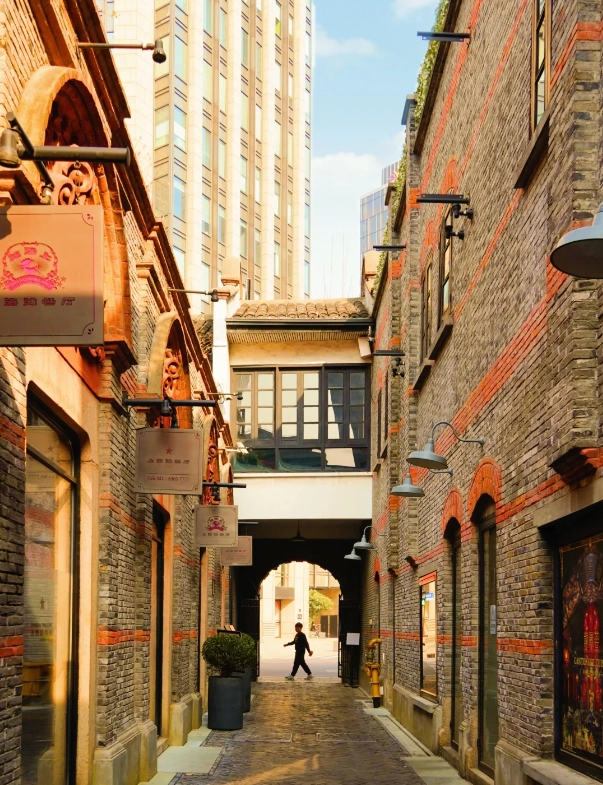
Beyond Food and Drink: Culture and Shopping
Yes, consumption is king here, but there are layers.
The Site of the First National Congress of the CCP: This museum is free, well-curated, and provides the essential historical counterpoint to the luxury outside. You'll understand the Shikumen's original role as crowded, multi-family housing. It adds profound depth to your stroll.
Shopping: This is for browsing, not bargain hunting. You'll find flagship stores for Chinese designers like Zuczug and Uma Wang, alongside international names. Spin Ceramics has beautiful, modern pottery. The Xintiandi Style market in the underground passage near the subway station has more accessible souvenirs and trinkets.
My personal ritual is to pop into Garden Books, a charming independent bookstore with a great selection of English-language books on China and art. It's a peaceful oasis.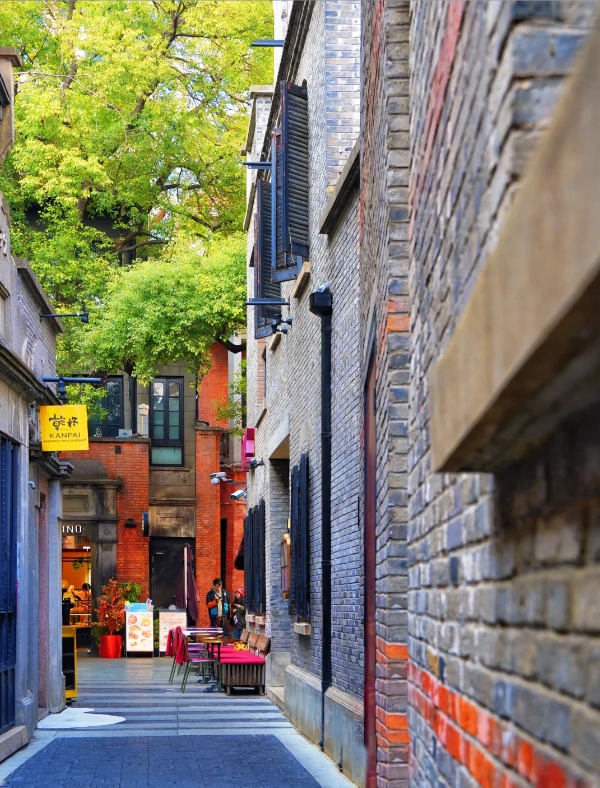
How to Get to Xintiandi and Practical Tips
The location is central and accessible.
| Method | Details | Notes |
|---|---|---|
| Metro (Subway) | Take Line 10 or Line 13 to Xintiandi Station. Exit 6 puts you right in the heart of the South Block. This is the easiest and fastest way. | Avoid rush hour (5-7 PM) if you dislike crowds. |
| Taxi / Ride-Hail | Tell the driver "Xintiandi" (新天地). The main drop-off point is near the intersection of Madang Road and Taicang Road. | Traffic on nearby Huaihai Road can be heavy. Metro is often quicker. |
| Walking | From the popular Huaihai Road shopping district, it's a pleasant 10-15 minute walk south. | A nice way to approach and see the neighborhood transition. |
Essential Visitor Tips:
Timing is Everything: Daytime (10 AM - 5 PM) is quieter, perfect for coffee, museum visits, and photography. The atmosphere changes completely after 6 PM. Dinner reservations are highly recommended, especially on Fridays and Saturdays. The nightlife buzz peaks around 9-11 PM.
Budget Realistically: Xintiandi is upscale. A casual meal will cost more than in a local neighborhood. A cocktail at a nice bar can be 80-120 RMB. Plan accordingly.
Explore the Periphery: Step one block out of the core pedestrian zone. You'll find more local life, cheaper noodle shops, and see the stark contrast that makes Xintiandi so unique.
Your Xintiandi Questions Answered
 Can I find authentic local
 Xintiandi Square doesn't try to be old Shanghai. It creates a new Shanghai narrative using the bricks of the old one. Go for the history in the morning, linger over a long lunch, people-watch with a coffee, and settle in for a sophisticated evening. See it not as a frozen monument, but as a stage—one of the most compelling in the city—where the drama of modern Shanghai life is constantly performed.





Hands down the best cultural dining experience in Shanghai. Xintiandi Square nails the balance between heritage and modernity. I joined a guided walk that explained the architecture and then had an incredible dinner at a Shanghainese restaurant where the chef came out to talk about the dishes. The crispy eel and red-braised pork were out of this world. Even the souvenir shops had quality stuff — I bought a hand-painted fan. If you’re a foodie or a history buff, this place is a must-visit.
Xintiandi Square is the perfect spot for a lazy Sunday. I spent hours just strolling through the lanes, popping into boutiques and watching street performers. The whole area has this relaxed yet energetic feel. Had a fantastic brunch at a French bistro — the croissant was flaky and buttery, coffee was spot on. The little museum about Shanghai’s history in one of the renovated houses was a nice surprise. Everything felt curated but not pretentious. 5 stars from me!
Absolutely loved my afternoon at Xintiandi Square! Stumbled into a tiny dumpling shop tucked behind a gallery — best soup dumplings I’ve had in Shanghai. The staff were super friendly and even showed me how to eat them properly. Later I wandered through the art installations and grabbed a craft beer at a rooftop bar. Every corner had something photogenic. Can’t recommend it enough for anyone who loves food and culture mixed together. Will definitely come back!
Xintiandi is a solid 4-star experience for me. The mix of old shikumen buildings and modern shops is really unique, and I loved the vibe in the evening with all the lights. We ate at a Sichuan place that was flavorful but a little pricey for the portion size. The cultural exhibitions in the lane houses were fascinating though. One big downside: finding a clean restroom was a nightmare. Still worth a visit if you’re in the area, just come prepared to spend.
I’ve been to Xintiandi Square a few times now, and honestly, it feels a bit too crowded and commercialized for my taste. The architecture is beautiful, but the restaurants are overpriced for what you get. I had a so-so lunch at one of the western-style cafes — the pasta was bland and service was slow. If you’re just walking through it’s nice for photos, but I wouldn’t go out of my way for the dining scene. Maybe try the quieter side streets nearby.
Xintiandi is more than just a shopping and dining complex — it’s a living museum of Shanghai’s heritage. I spent three hours here just wandering, photographing the restored stone-gate houses, and reading the historical plaques. The cultural alleyway even had a temporary exhibit on old Shanghai fashion. The only downside? It can get overwhelmingly crowded on weekends, and some of the ‘authentic’ souvenir shops are just mass-produced tat. Still, a must-visit for architecture lovers.
As a local, I often bring out-of-town friends here and it never disappoints. The food scene is incredibly diverse — from Michelin-starred tasting menus to affordable Shanghainese xiaolongbao. Last week we tried a new fusion dim sum place and the truffle har gow was mind-blowing. The whole area feels safe, clean, and well-curated. If you want to experience Shanghai’s cosmopolitan vibe in one concentrated area, this is it. Highly recommended.
What a fantastic spot for a lazy Sunday afternoon! Strolled through the pedestrian lanes, grabbed a flat white from a tiny coffee kiosk, and sat watching people. The blend of international brands and local boutiques is unique. I also popped into the art gallery near the north entrance — free entry and a lovely little exhibition on modern Chinese photography. Only reason I’m giving 4 instead of 5 is because some restrooms were hard to find and a bit dirty.
I really wanted to love Xintiandi, but my experience was a bit mixed. The architecture and open plaza are beautiful, no doubt. However, the restaurant we tried (a well-rated Italian place) was overpriced for the portion sizes, and the waiter seemed rushed. I get that it's a touristy area, but I expected better value. The cultural exhibits in the alleyways were interesting though. Probably worth a walk-through, but I’d eat elsewhere.
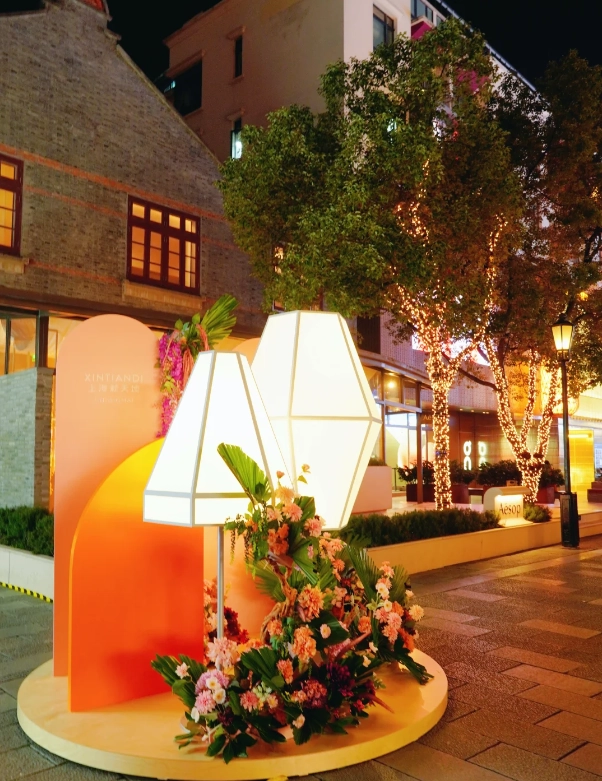
Came here on a Saturday evening with my girlfriend. The atmosphere is absolutely electric — the mix of old Shikumen architecture and modern lighting is stunning. We grabbed dinner at a Sichuan spot on the second floor and the mapo tofu was spot-on. Service was fast even though the place was packed. Definitely one of the best dining districts I've visited in Shanghai. Will come back for the jazz bar next time.
Went with my family last Saturday and we all had a blast! The kids loved the open-air art installations and the little bubble tea shop that gave out free samples. I treated myself to a fancy French dinner at a rooftop restaurant—the view of the Xintiandi skyline was breathtaking. The vibe is sophisticated yet welcoming. Perfect for a date, a family outing, or even solo exploration. Highly recommend!
Honestly, I don’t get the hype. Yes, the renovated alleyways are pretty, but everything is designed for Instagram rather than genuine culture. The “traditional” performances felt staged and rushed. I had a bowl of noodles at a random shop and it was just average. Plus, it’s a pain to navigate—maps are confusing and there’s no clear signage. Maybe it’s better at night, but my afternoon visit left me cold.
This place is a paradise for food lovers! From high-end Cantonese dim sum to street-side xiaolongbao, the choices are endless. I loved that many restaurants offer tasting menus so you can sample multiple cuisines. The atmosphere is clean and polished, and the staff mostly speak decent English. My only minor gripe: the restrooms in the south block could use more frequent cleaning. Still, a solid 4-star experience.
Came here on a weekday afternoon hoping for a relaxing stroll, but it felt overly crowded and commercialized. Prices are clearly inflated for tourists—paid 68 yuan for a mediocre matcha latte that I could get better elsewhere for half the price. The cultural exhibits near the museum are interesting, but way too small to justify a special trip. It’s okay if you’re nearby, but I wouldn’t go out of my way.
Loved the mix of modern architecture and traditional shikumen buildings. Had dinner at a Spanish tapas place in the north block, the food was incredible and the outdoor seating was buzzing with energy. Also caught a free jazz performance near the central plaza—such a vibe! Definitely a must-visit for anyone wanting to soak up Shanghai’s contemporary food scene and culture.