 Yan Zhou
Skip to the Good Parts
I remember my first visit to Tianzifang—I got lost within minutes. That's part of the charm. Tianzifang is famous for its maze-like lanes filled with preserved Shikumen houses from the 1920s, now buzzing with art galleries, indie shops, and cozy cafes. It's not just a tourist spot; it's a living piece of Shanghai's history where creativity spills onto the cobblestones. If you're wondering what the fuss is about, let me walk you through it, based on my own wanderings there last spring.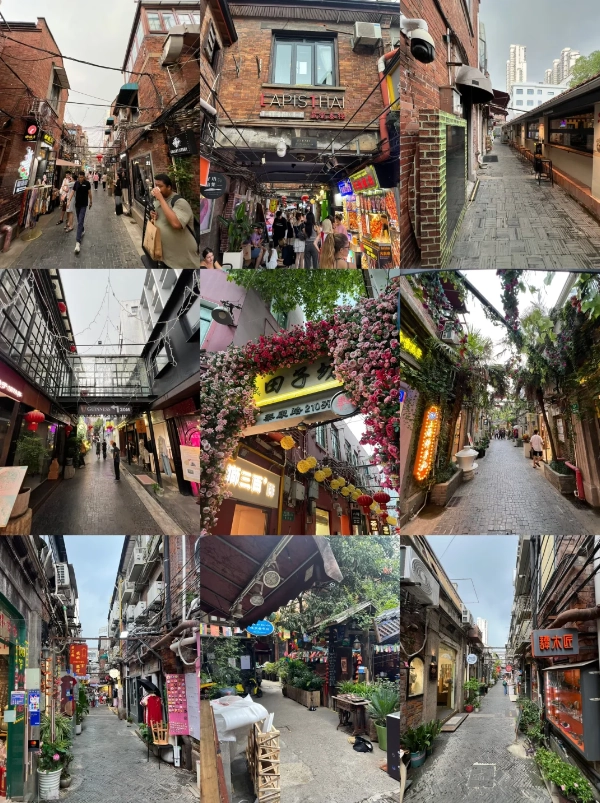
The Shikumen Architecture: Tianzifang's Backbone
When people ask what Tianzifang is famous for, the Shikumen architecture always comes up first. These are traditional Shanghai stone-gate houses, blending Western and Chinese styles. I spent hours just staring at the brick facades and ornate doorways—each one tells a story of old Shanghai. The area was once a residential neighborhood, but in the early 2000s, artists moved in, transforming it into a cultural hub. According to the Shanghai Municipal Tourism Administration, Tianzifang is a key example of urban heritage preservation. The lanes are narrow, often crowded, but that intimacy makes you feel like you're stepping back in time. Don't just rush through; peek into the courtyards. Some are open to the public, revealing hidden gardens or small exhibitions.
Why Shikumen Matters Here
Most visitors miss this, but the Shikumen in Tianzifang aren't just pretty facades. They're functional spaces. I noticed how the ground floors are shops, while upper floors might still house studios or apartments. This mix keeps the area authentic, unlike some overly commercialized spots. The preservation efforts have been praised by cultural groups, but honestly, some buildings show wear—cracks in the walls, faded paint. That adds character, though. If you're into photography, the best light hits the lanes around late afternoon, casting long shadows that highlight the textures.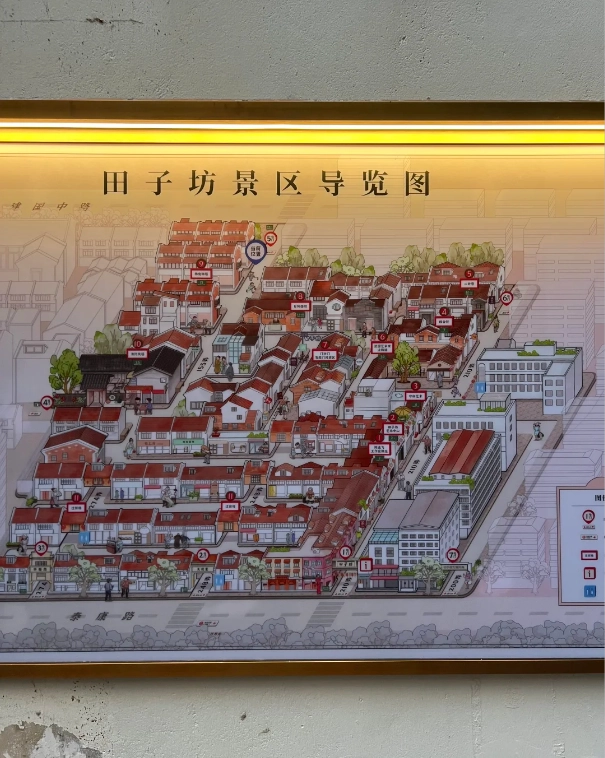
Art Galleries and Creative Studios
Tianzifang is a magnet for art lovers. It's famous for its concentration of small galleries, often run by local artists. I popped into several, and each had a distinct vibe. Here's a table of my top picks, based on what they offer and my personal experience.
| Gallery Name | Specialty | Address in Tianzifang | Estimated Visit Time |
|---|---|---|---|
| Art Labor | Contemporary Chinese art, often interactive | Lane 210, No. 5 | 30-45 minutes |
| ShanghART Gallery | International exhibitions, well-known artists | Lane 210, No. 7 | 1 hour |
| Studio 123 | Local pottery and sculptures | Lane 248, No. 3 | 20-30 minutes |
| Ink Art Space | Traditional Chinese ink paintings | Lane 200, No. 12 | 25-40 minutes |
Art Labor stood out to me because the owner, a painter named Li, was there chatting with visitors. He explained how the space used to be a kitchen in a Shikumen house. That personal touch is common in Tianzifang—you're not just viewing art; you're meeting the creators. Some galleries charge a small fee, usually around 20 RMB, but many are free. I found that the smaller ones off the main lanes have more unique pieces, away from the crowds.
How to Engage with the Art Scene
If you want to dive deeper, visit on a weekday morning. I went on a Tuesday around 10 AM, and several artists were working in their studios, happy to talk. One even let me try a brushstroke. That's something guidebooks rarely mention. Also, check for events—Tianzifang often hosts art walks or open studios, promoted on local cultural websites. The energy here is raw, not polished like bigger museums, and that's what makes it famous.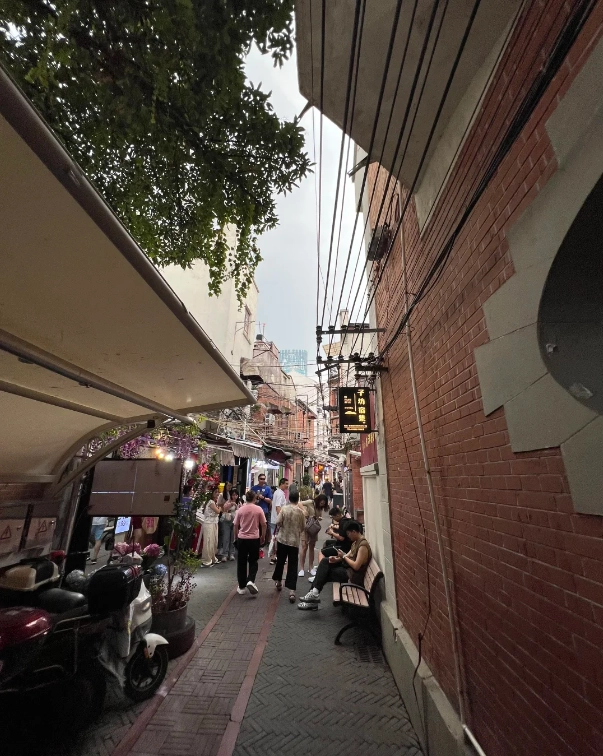
Shopping in Tianzifang: Unique Finds
Shopping is a big part of what Tianzifang is famous for. Forget generic souvenirs; here, you'll find handcrafted jewelry, custom clothing, and quirky home decor. I bought a silk scarf from a shop called "Loom & Weave"—the owner dyed it herself using natural pigments. Prices vary: some items are pricey (think 200-500 RMB for quality crafts), but bargaining is possible in smaller shops. Here are categories of shops you shouldn't miss:
- Boutique Fashion: Look for stores like "Cotton Field" for organic cotton wear. Address: Lane 210, No. 15. Prices start at 150 RMB.
- Handmade Jewelry: "Silver Linings" in Lane 248 offers custom pieces. I got a necklace for 180 RMB.
- Artisanal Goods: Ceramics, wooden toys, and more. "Clay Dreams" in Lane 200 has beautiful pots from 80 RMB.
- Bookshops and Stationery: "Page Turner" sells indie magazines and notebooks. Great for gifts.
A common mistake? Sticking to the central lanes. I ventured into the side alleys and found a tiny shop selling vintage postcards—much cheaper and more authentic. The shopping experience here is about discovery, not just buying.
Food and Drink: A Culinary Adventure
Food in Tianzifang is famous for its blend of local flavors and international twists. From street snacks to sit-down cafes, there's something for every palate. I tried a bunch of places, and here's my take.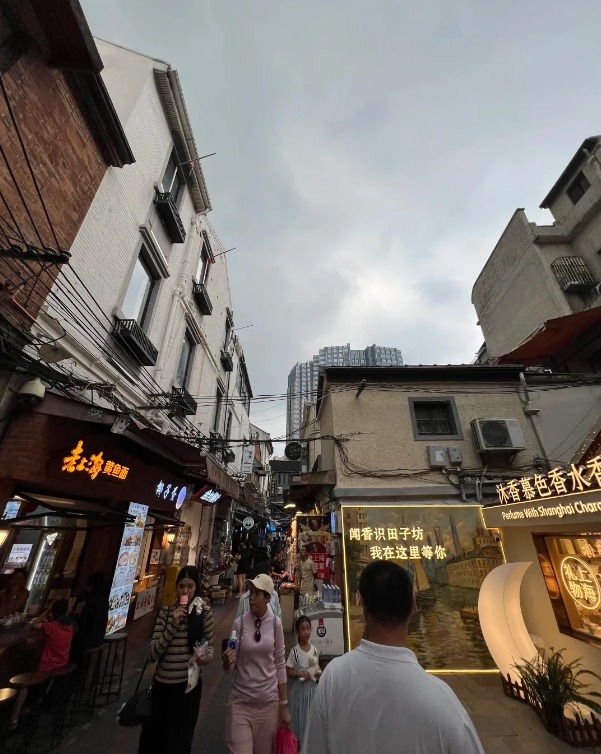
Personal Favorite: The hidden cafe "Bean There" in Lane 210, No. 8. It's tucked away on the second floor, with a balcony overlooking the lanes. Their pour-over coffee costs 35 RMB, and the owner sources beans from Yunnan. I spent an hour there just watching the world go by—perfect for a break.
For a quick bite, the street food stalls offer jianbing (savory crepes) for about 10 RMB. But if you want a meal, consider these spots:
- La Maison de Tianzifang: French-inspired bistro at Lane 248, No. 10. Their duck confit is 120 RMB, and the ambiance is cozy. Open 11 AM to 10 PM.
- Noodle House: Local Shanghai noodles, affordable at 25 RMB per bowl. Address: Lane 200, No. 5. It's busy during lunch, but worth the wait.
- Tea House "Zen": For traditional tea ceremonies. A session costs 50-100 RMB. I found it a bit touristy, but the tea quality is good.
Drinks-wise, many cafes serve craft beers or cocktails in the evening. I noticed that prices can be higher than in other parts of Shanghai, but the atmosphere justifies it for a treat.
How to Visit Tianzifang: Practical Tips
To make the most of your visit, here's the essential info I gathered from my trips.
Address: Tianzifang is located at No. 210 Taikang Road, in the Huangpu District of Shanghai. It's not a single building but a network of lanes, so entry points vary.
Opening Hours: Most shops and galleries open from 10:00 AM to 10:00 PM daily. However, some smaller places might close earlier, around 8 PM. I recommend visiting between 10 AM and 6 PM for the full experience.
Admission Fee: Entry to the Tianzifang area is completely free. Individual galleries or attractions may charge, as mentioned earlier.
How to Get There: The easiest way is by Shanghai Metro. Take Line 9 and get off at Dapuqiao Station. Use Exit 1, and it's a 5-minute walk south. Signs in English are available. If you're taking a taxi, just say "Tianzifang"—drivers know it well. Parking is limited, so public transport is best.
Best Time to Visit: Weekdays are less crowded. I found Saturdays packed, especially after 2 PM. Mornings are quieter, allowing you to explore without the hustle. Weather-wise, spring and autumn are ideal—summer can be hot and humid in the narrow lanes.
What to Bring: Comfortable shoes are a must—you'll be walking on uneven cobblestones. A camera, of course, and some cash for small vendors who might not accept cards. I also carried a water bottle; while there are cafes, staying hydrated is key.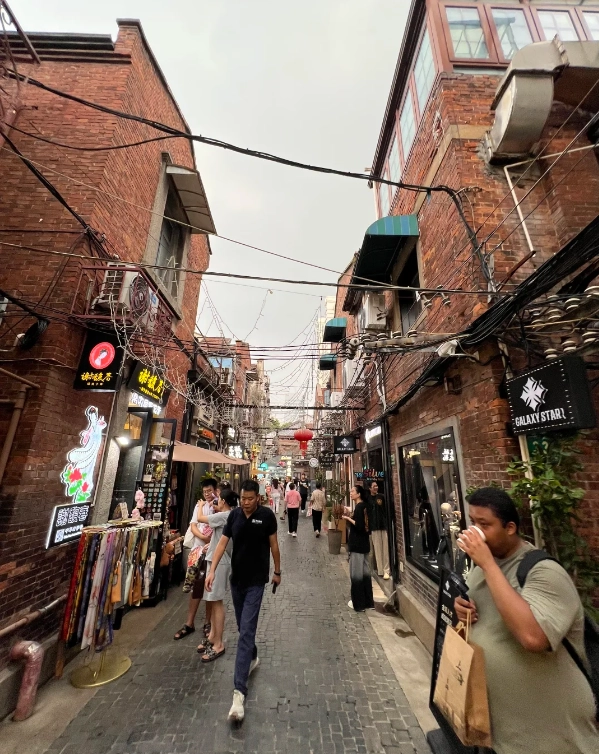
Frequently Asked Questions
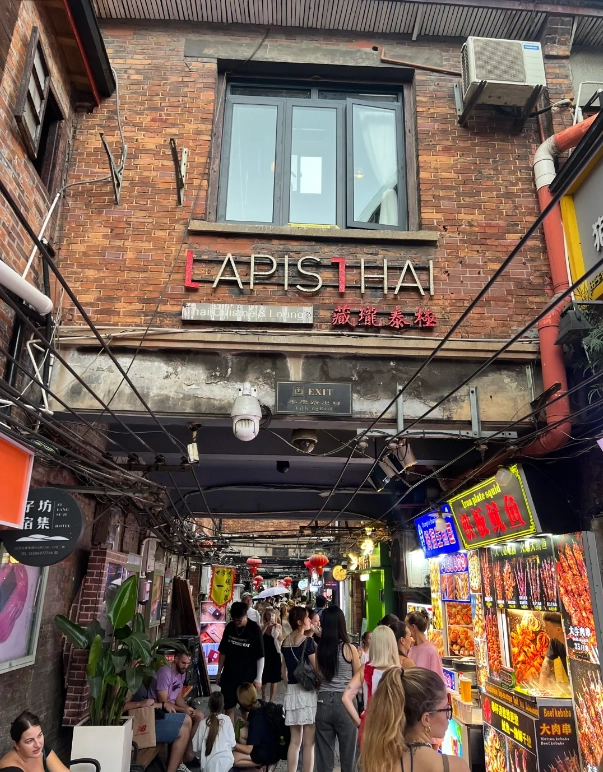 Are there any hidden spots in Tianzifang that most tourists miss?
After all my visits, I can say Tianzifang lives up to its fame—but it rewards those who wander off the beaten path. It's more than just a checklist item; it's a sensory journey through Shanghai's past and present. Whether you're an art enthusiast, a shopper, or a foodie, there's something here that'll stick with you. Just don't forget to look up—the architecture above the shops is often the best part.





Hands down my favorite spot in Shanghai. Tianzifang isn’t just a tourist market – it’s a living neighborhood where artists actually work and live. I found a tiny second‑floor gallery with oil paintings of old Shanghai that gave me chills. The tea house tucked behind a bamboo courtyard served the best jasmine tea I’ve ever had. Yes, it gets crowded, but the charm makes up for it. Come with an open mind and you’ll discover magic.
Tianzifang completely exceeded my expectations. We went early on a Sunday (before 10am) and had the alleys mostly to ourselves – so peaceful. The art studios are genuine; we chatted with a calligraphy artist who let us try our hand. The street food is incredible: try the stinky tofu and the cold noodle salad. By noon it got busy, but the energy was fun. Highly recommend for anyone who loves art, food, and wandering.
Absolutely loved Tianzifang! This place is a photographer’s dream – every corner has quirky murals, hanging lanterns, and old Shikumen architecture. I spent hours ducking into ceramic studios and spice shops. The vibe is electric but somehow cozy. Had the best sesame balls from a grandma at a tiny window stall. If you want souvenirs, look for the hand‑painted postcards and local tea. A true hidden gem in Shanghai!
Tianzifang is a fun maze of narrow lanes with a bohemian vibe, but it gets insanely crowded after 11am. I enjoyed wandering into the tiny art galleries and watching a printmaker at work – that felt authentic. The scallion pancakes from a hole‑in‑the‑wall stall were amazing. However, prices for souvenirs are jacked up, so haggle hard. A solid half‑day stop if you’re in the area, but not a must‑see.
Was really looking forward to Tianzifang after reading about it online, but honestly it felt like a giant tourist trap. The alleys are packed shoulder-to-shoulder even on a weekday, and most shops sell the same mass‑produced trinkets and ‘art’ prints. A few hidden craft studios are nice if you can squeeze in, but the constant hawking and overpriced street food left a bad taste. Not worth the metro ride from Pudong.
It was okay, but I expected more 'art' and less souvenir chaos. The alleys are cute but extremely narrow, and it's hard to enjoy when you're constantly bumping into people. I did find a cool little gallery with contemporary Chinese paintings, but otherwise it felt like a generic market. Not bad, but I wouldn't go out of my way to visit again.
Tianzifang is a photographer's dream! The old Shikumen buildings, colorful murals, and quirky storefronts make for amazing shots. I loved chatting with a local calligraphy artist who let me try my hand at brush writing. Yes, it's touristy, but the energy is infectious. Highly recommend going early in the morning to avoid the rush.
What a charming maze! I spent an entire afternoon getting lost in the tiny lanes, discovering handmade pottery, vintage posters, and a tiny dumpling stall that was SO good. The street art on the walls adds so much character. Not everything is cheap, but you can find unique gifts if you dig around. A solid 4 stars for creativity and atmosphere.
Honestly, I was a bit let down. Tianzifang is super crowded on weekends, and the 'art district' feels more like a tourist trap with overpriced souvenirs. A few galleries had nice pieces, but most shops sell the same mass-produced stuff. The alleys are charming, but the crowds kill the experience. Worth a quick look, but don't expect authentic art.
I absolutely loved wandering through the narrow alleys of Tianzifang! The mix of quirky art studios, tiny cafes, and handmade jewelry shops is so unique. I bought a beautiful silk scarf from a local designer and had the best matcha latte at a hidden rooftop spot. The vibe is artsy and vibrant—definitely a must-see in Shanghai!
This place is a photographer’s dream! I loved the mix of traditional Shanghai lane houses and modern street art. Every wall seems to have a mural or a hidden sculpture. I found a tiny gallery run by a local painter who explained his work to me—such a personal touch. The crowds can be overwhelming, but if you duck into side alleys you’ll find quiet corners. Definitely a highlight of my Shanghai trip.
A decent place to spend a couple of hours if you’re in the area, but not worth a special trip. The alleys are charming with their old Shikumen architecture, but most shops are overpriced for what they offer. I bought a small ceramic bowl for 80 yuan that I later saw online for 20. The vibe is nice for photos, though. I’d give it a 4 if prices were fairer, but the sticker shock brought it down.
Honestly, Tianzifang exceeded my expectations. Yes, it’s touristy, but the energy is contagious. I loved watching local artists paint on the spot and found some incredible hand‑painted postcards. The food stalls offer everything from stinky tofu to matcha ice cream—I tried them all. Just go early in the morning before the crowds hit, and you’ll have a magical time.
I was really excited to visit Tianzifang after seeing photos online, but the reality was a bit disappointing. The alleys are so narrow and packed with tourists that you can barely move, and many shops sell the same mass‑produced trinkets. The original artistic vibe feels a little lost now. A few hidden cafes are nice, but overall it felt more like a crowded market than an art district.
Tianzifang is a maze of narrow alleys packed with tiny art galleries, quirky boutiques, and street food stalls. I spent an entire afternoon just wandering and getting lost—every corner had something new. The vibe is super creative, but it gets insanely crowded on weekends. Still, if you love handmade crafts and unique souvenirs, this is absolute heaven. Grab a cold bubble tea and just explore.