 Qiang Huang
Let's be honest. Planning a day out at Gucun Park, especially during the famous Sakura Festival, involves more than just admiring flowers. A major, often overlooked, part of the plan is food. You'll be walking for hours. You'll get hungry. And the last thing you want is to be stuck with an overpriced, disappointing meal that ruins the vibe of a perfect spring day. I've made that mistake before—buying a soggy, lukewarm sandwich from a generic kiosk because I didn't know where else to go.
This guide is different. It's based on multiple visits, during both the chaotic festival season and quieter weekdays. I've tried the lakeside cafes, navigated the packed food stalls, and found the spots where you can actually sit down and enjoy a meal without feeling rushed. I'll tell you exactly what to expect, where to find it, and how to plan your meals so your focus stays on the cherry blossoms, not your growling stomach.
Quick Navigation: Find Your Food Fast
Where to Eat in Gucun Park: A Complete Area Guide
Gucun Park is massive. Thinking of it as having one "restaurant" is a mistake. Dining options are scattered in specific zones, each with a different character. Knowing which zone matches your mood and budget is key.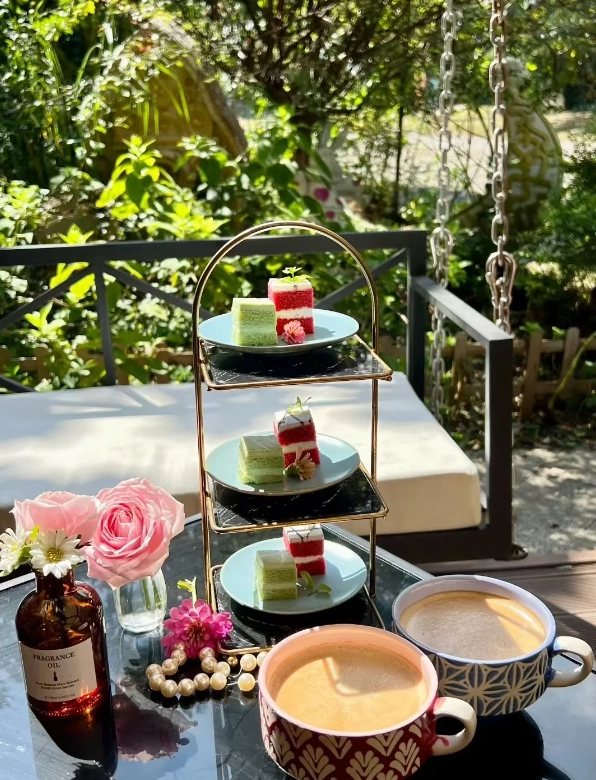
The Lakeside Dining Area (Near the Boating Section)
This is your best bet for a proper sit-down meal. The atmosphere here is calm, with views over a small lake. There are two primary establishments.
The Main Lakeside Restaurant: This is a full-service Chinese restaurant. The menu is heavy on Shanghainese and Jiangsu-Zhejiang style dishes—think braised pork belly, sweet and sour spare ribs, and seasonal vegetable stir-fries. Portions are designed for sharing. When I ate here with a friend, we ordered the squirrel-shaped mandarin fish (a sweet and sour whole fish) and a plate of bok choy. The fish was well-executed, crispy on the outside, and the sauce had the right balance of tang and sweetness. The downside? It's the priciest option in the park. Expect to pay around 80-150 RMB per person for a satisfying meal with a drink. It's open from 11:00 AM to 8:00 PM.
The Adjacent Cafe: Attached to the restaurant is a simpler cafe. This is for lighter bites: coffee, tea, juices, along with sandwiches, pastries, and simple rice bowls. I grabbed an Americano here once; it was standard chain-coffee quality, but having a hot drink while looking at the water was worth the 25 RMB. It's perfect if you just need a quick recharge.
The Cherry Blossom Forest Snack Kiosks
Scattered along the main paths, especially in the denser cherry blossom areas, you'll find small kiosks. These are for immediate gratification—ice cream, bottled drinks, popcorn, sausages, and instant noodles. The quality is exactly what you'd expect: convenient but basic. A cherry blossom-shaped ice pop is a fun photo prop (tastes like sweet strawberry milk), but don't make a meal out of these. They operate from park opening until late afternoon.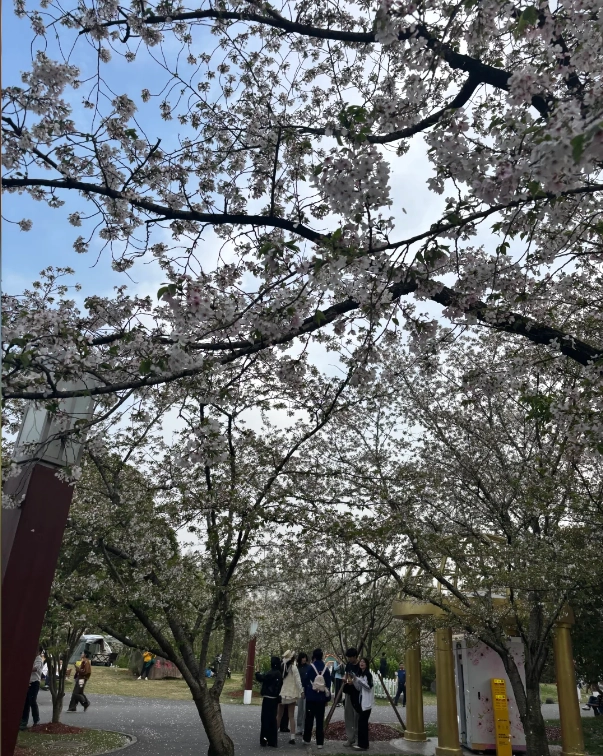
The Festival Food Street (Sakura Season Only)
This is where the action is during the Sakura Festival. It's a dedicated strip of temporary stalls set up near the park's central areas. The variety explodes, but so do the crowds and prices. You'll find everything from Taiwanese fried chicken to Japanese takoyaki, Korean tornado potatoes, and giant grilled squid. The aroma is incredible, the lines are long. I find the quality here hit-or-miss. The takoyaki I had was doughy, but the grilled squid tentacle was juicy and flavorful. Bring cash, as some vendors might not have reliable mobile payment in the thick of the crowd. This area typically runs from late March through April.
Pro Tip: The food street is for snacking and experience, not for a relaxed lunch. Buy a few items to share, find a bench away from the main thoroughfare, and people-watch. Trying to have a "meal" here while juggling plates and drinks in a jostling crowd is a recipe for stress.
How to Plan Your Meals During the Sakura Festival
The Sakura Festival changes everything. Crowds are intense, and a lack of strategy will leave you hangry. Here’s a timeline that has worked for me.
Late Morning (11:00 AM): Head straight to the Lakeside Restaurant. This is the golden hour. Most festival-goers are still arriving and exploring, so you have a high chance of getting a table without a wait. Enjoy a leisurely, proper lunch before the midday rush hits all dining areas.
Mid-Afternoon (2:30 PM - 4:00 PM): This is the perfect time to hit the Festival Food Street. The initial lunch wave has passed. Lines are still there but more manageable. This is when I sample the fun street food—a tornado potato here, a bubble tea there. It serves as a late lunch snack or early dessert.
Key Mistake to Avoid: Trying to eat at the food street between 12:30 and 1:30 PM. It's a logjam. You'll waste precious viewing time standing in line, and finding a spot to eat your food is nearly impossible.
If the sit-down restaurant is full or out of budget, your other option is to pack a picnic. The park allows it. Find a spot on the grass away from the main paths (near the smaller ponds can be good). This gives you full control over your menu and timing. Bring plenty of water—walking and snacking on salty street food is dehydrating.
What Are the Must-Try Foods at Gucun Park?
Beyond just finding a place to sit, you might want to know what's actually worth eating. Here’s a breakdown of standout items, categorized by where and when to find them.
| Food Item | Where to Find It | Approx. Price | Why It's Worth a Try |
|---|---|---|---|
| Braised Pork Belly (Hong Shao Rou) | Lakeside Restaurant | 68 - 88 RMB | The classic Shanghainese comfort food. Rich, tender, and a hearty option if you've been walking all morning. Shares well. |
| Giant Grilled Squid Tentacle | Festival Food Street | 25 - 35 RMB | A festival staple. Look for the stall with the longest queue—it's usually for a reason. Chewy, smoky, and coated in a savory-sweet sauce. |
| Cherry Blossom Soft Serve / Ice Pop | Scattered Snack Kiosks | 15 - 25 RMB | More for the Instagram moment than culinary excellence, but it's a thematic treat. The soft serve often has a subtle floral note. |
| Hot Soy Milk & Fried Dough Sticks (Doujiang Youtiao) | Some morning kiosks near park entrances | 10 - 15 RMB | If you arrive early, this is a classic Chinese breakfast. Perfect for a quick, warm, and cheap energy boost to start your day. |
| Local Craft Beer (Seasonal) | Occasional specialty stalls at the Festival | 30 - 45 RMB | In recent years, some local microbreweries set up pop-ups. A crisp lager or pale ale can be a surprisingly refreshing find amidst the sweetness. |
My personal non-consensus pick? Skip the generic fried rice or noodles from the standard kiosks. They are almost always overcooked and bland. If you want carbs, the tornado potato from the festival street is a more fun and flavorful experience.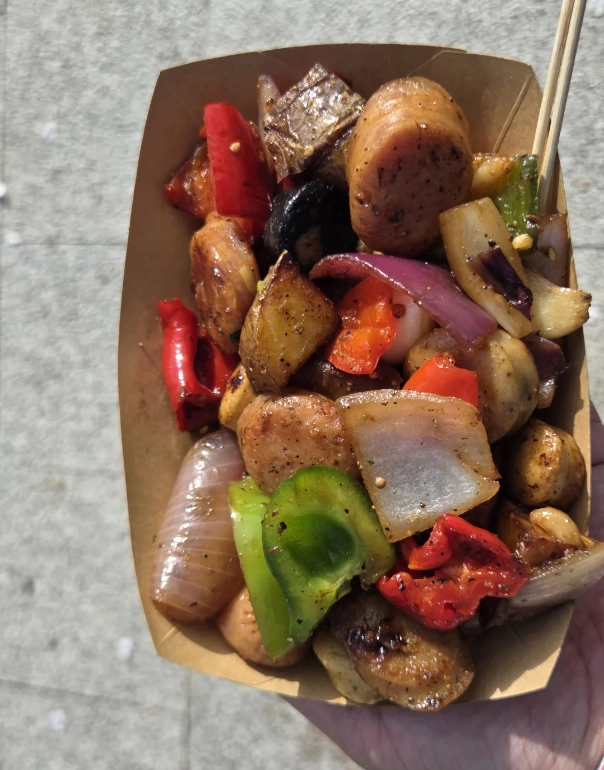
Gucun Park Restaurant Questions Answered
 Is it necessary to make a reservation for the Lakeside Restaurant?
The dining scene at Gucun Park isn't gourmet, but it's functional and can be enjoyable with the right expectations. Plan around the crowds, prioritize the Lakeside area for a real meal, and embrace the festive chaos of the food street for snacks. Most importantly, don't let hunger pull you away from the beauty of the park itself. With this guide, you won't have to.
For the most current park hours and festival dates, always double-check the official Shanghai Municipal Administration of Culture and Tourism website or the park's own announcements before your visit.
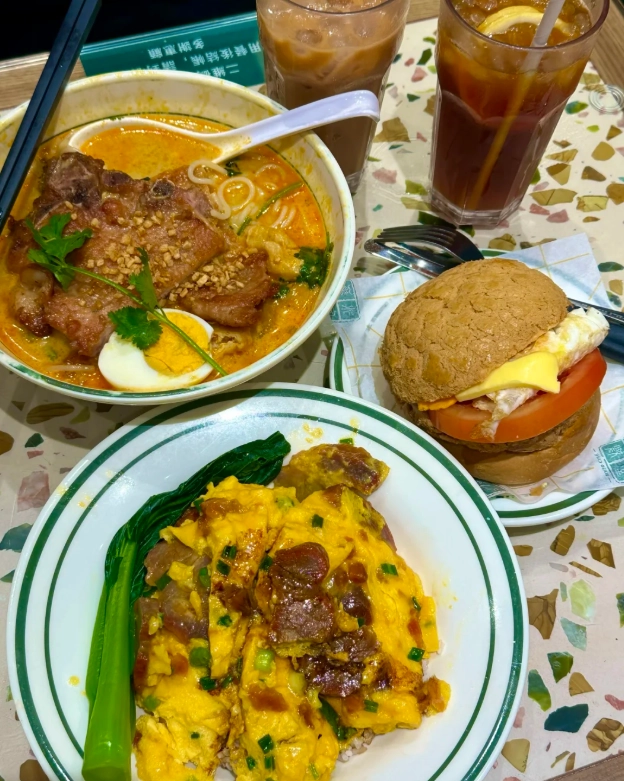





Best decision: grabbing a bento box from the food court near the main gate and finding a quiet spot by the river. The bento had teriyaki chicken, rice, a small salad, and pickles—all fresh and tasty for ¥48. Portion was generous. I loved that there were multiple vegetarian options too (the tofu and avocado wrap was great). My only tiny complaint is that all the trash bins were overflowing by 2pm, but that's a park management issue. The food itself? Five stars. Perfect for a lazy cherry blossom picnic.
The 'Cherry Blossom Cafe' inside the park is a hidden gem. I ordered their seasonal sakura latte and a matcha red bean crepe. The latte was beautifully presented with edible flowers, and the crepe was light and not overly sweet. The cafe itself has big windows overlooking the cherry grove—perfect for people-watching. Service was prompt and the staff spoke basic English, which helped. Prices are a bit higher than outside (¥55 for the latte), but for the atmosphere and quality, totally worth it. Highly recommend!
Absolutely loved the food here! We stumbled upon a small family-run dumpling stand tucked behind the cherry blossom avenue. The pork and chive dumplings were handmade right in front of us—juicy, perfectly pan-fried. The lady running it was so friendly, even gave us extra dipping sauce. Ate them under the blooming trees, petals falling on our table. Magical. Also tried the strawberry mochi from another stall; fresh and creamy. Best park food I've ever had. Will come back every spring!
Decent options inside the park if you know where to look. I grabbed a quick lunch at one of the food stalls near the No.2 entrance. The scallion pancake was crispy and fresh, and the bubble tea was surprisingly good—not too sweet. The only downside was the seating area: very limited benches and most were in direct sun. Had to eat standing up. Still, for a quick bite between walking trails, it's acceptable. Not amazing, but gets the job done.
I visited during peak cherry blossom season and the park was stunning. However, the food experience was a letdown. We tried one of the main sit-down restaurants near the lake. The ramen was lukewarm and tasted like instant noodles, and the takoyaki was undercooked. Service was incredibly slow even though the place wasn't that crowded—waited 25 minutes for two simple dishes. For the price (almost ¥80 for a bowl of ramen), I expected way better. Honestly, just pack your own picnic if you're coming for the flowers.
Absolutely loved this place! The restaurant right next to the main square had a live music performance during our visit, which added such a cozy vibe. I tried the cherry blossom-themed dessert—a pink mochi with red bean paste—and it was both beautiful and delicious. The iced plum drink was refreshing. My only tiny complaint is that the queues for the restroom were insane, but that's expected during festival season. Will definitely come back here every spring!
Came here with my girlfriend for a date. The setting is romantic—cherry trees everywhere, and the restaurant had a nice modern interior with floor-to-ceiling windows. We ordered the set menu for two, which included a decent portion of sushi and grilled fish. The flavors were okay, not exceptional. Service was slow but polite. Price was a bit high for what we got, but the view made it worthwhile. A solid 4 out of 5.
Such a magical experience! We found a small canteen-style spot tucked near the cherry blossom avenue. The scallion pancakes were crispy and fresh, and the hot and sour soup hit the spot on a chilly spring day. The staff were friendly even though it was super busy. I loved sitting on the terrace surrounded by petals falling like snow. A perfect lunch break during our park stroll. Highly recommend the seasonal matcha latte too!
Honestly, I was disappointed. I read about the cherry blossom park and thought the restaurants might be special, but the one we picked was overcrowded and understaffed. My mapo tofu was lukewarm, the rice was clumpy, and they forgot our drinks. The only good part was the outdoor seating area with a view of the lake, but we had to fight mosquitoes the whole time. Overpriced for what it is. Would skip eating inside the park next time.
We came during peak cherry blossom season and the park was stunning. The restaurant we tried was near the entrance, easy to find, but the wait was over an hour. The food was decent—had the beef noodle soup and dumplings—but nothing mind-blowing. The real star was the view of the pink blossoms through the window. If you're here for the flowers, it's fine, but don't expect gourmet dining. Rating 4 because the atmosphere saved it.
I appreciate that the park has a few sit-down restaurants, but the one I tried (the 'Garden Bistro') was disappointing. The sweet and sour pork was mostly batter, and the vegetables were overcooked. The waitress seemed rushed and barely looked at me. For the same price I could have had a much better meal outside the park. Won't eat there again.
The BBQ skewer stall near the south gate is great for a quick bite – egg pancake wrap with spicy sauce hit the spot. Only reason I'm giving 4 stars: the queue was huge (took 25 mins) and there's only one bench nearby to sit on. But the smell of grilled meat and the sound of kids laughing made it a memorable snack break.
Had a lovely late lunch at the café by the children's playground. The iced latte was surprisingly good (they use a proper espresso machine) and the strawberry cake was light, not too sweet. Sat outside on the wooden deck – the cherry trees were shedding petals all around me. Perfect spot to recharge before heading to the 3D art museum.
Decent spot if you're already starving after walking around the lake. I ordered the mapo tofu set – flavor was okay but the tofu was lukewarm and the rice was a bit too sticky. Service was friendly enough but they forgot my water. For the price inside a tourist park, it's acceptable but nothing to write home about.
I was so excited to eat inside the park during peak bloom, and the noodle stand near the cherry blossom avenue saved me. The soup was piping hot, the mushrooms were fresh, and the view of petals falling into my bowl was pure magic. Staff even let me refill my tea twice. Will come back next spring for sure!