 Hong Ma
- Why Visit Helan Mountain Rock Engravings?
- Getting There: Yinchuan to the Engravings
- Ticket Prices & Booking — Save the Headache
- Best Time to Visit & Crowd Avoidance
- What to See: Must-See Panels & Hidden Spots
- Self-Guided vs. Guided Tour — My Take
- Practical Tips for Foreign Travelers
- Frequently Asked Questions
You booked the flight to Yinchuan, excited to see ancient rock art. Then you arrive at the site — and your credit card doesn't work at the ticket booth. The WeChat mini-app is all in Chinese. And the sun is brutal at noon. I've seen it happen a dozen times.
Let me cut through the confusion. The Helan Mountain Rock Engravings are some of China's most significant petroglyphs, dating back over 10,000 years. But visiting them as a foreigner requires some insider know-how. Here's everything I've learned from guiding countless travelers through this incredible site.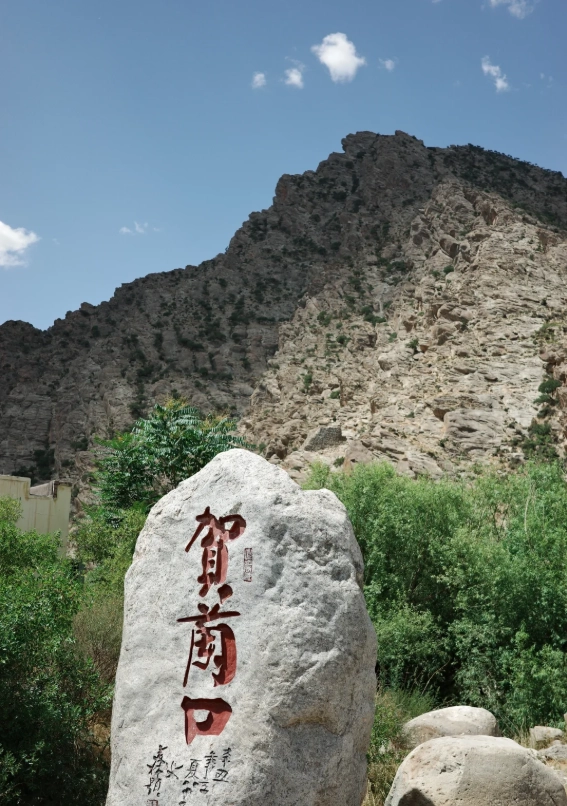
Why Visit Helan Mountain Rock Engravings?
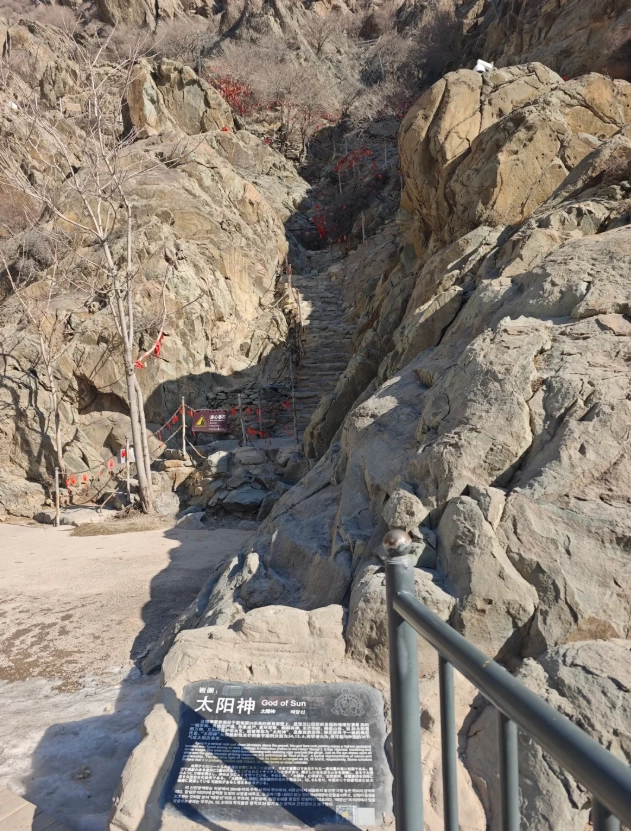
These aren't just random scratches on rock. The engravings depict ancient rituals, hunting scenes, and spiritual symbols left by nomadic tribes. The site covers dozens of panels spread along the foothills, with the most famous being the "Sun God" face — a hauntingly expressive carving that rivals any petroglyph I've seen in the US or Africa. Plus, the setting is gorgeous: the Helan Mountain range forms a dramatic backdrop, especially in late afternoon light.
Getting There: Yinchuan to the Engravings
Most visitors start from Yinchuan, the capital of Ningxia. The engravings site is about 50 km northwest of the city center.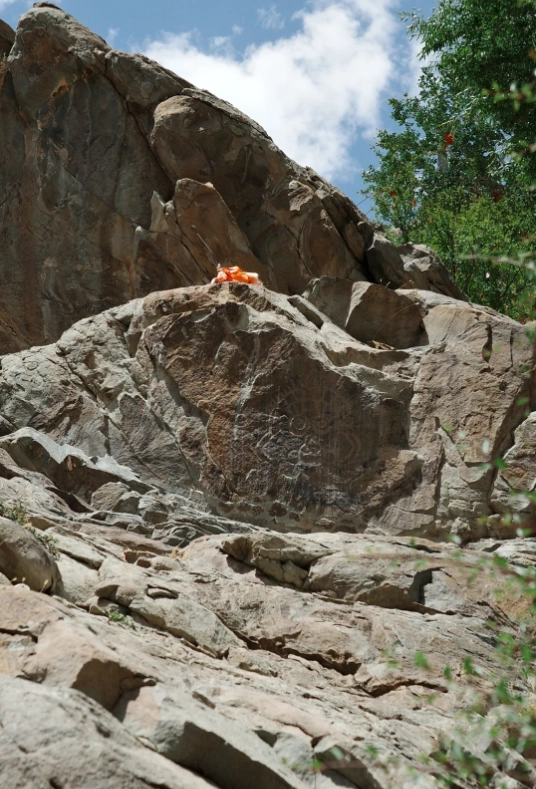
| Transport | Details | Cost (approx) |
|---|---|---|
| Taxi / Didi | 40–50 minutes from downtown Yinchuan. Show the driver: 贺兰山岩画景区 (Hèlán Shān Yánhuà Jǐngqū). Make sure they use the meter or book via Didi app. | 80–120 RMB |
| Bus | Take bus route 57 from Yinchuan Bus Station (银川汽车站) to the terminal stop, then walk 15 min. Buses run hourly. | 10 RMB |
| Tour package | Many hotels in Yinchuan offer day trips that include transport and guide. Ask your front desk. | 200–300 RMB |
My tip: Skip the bus if you're on a tight schedule — the wait in the heat is a killer. A Didi will drop you right at the entrance gate. Just make sure you have the destination saved in the app in Chinese, because the driver won't understand "Helan Mountain Rock Engravings."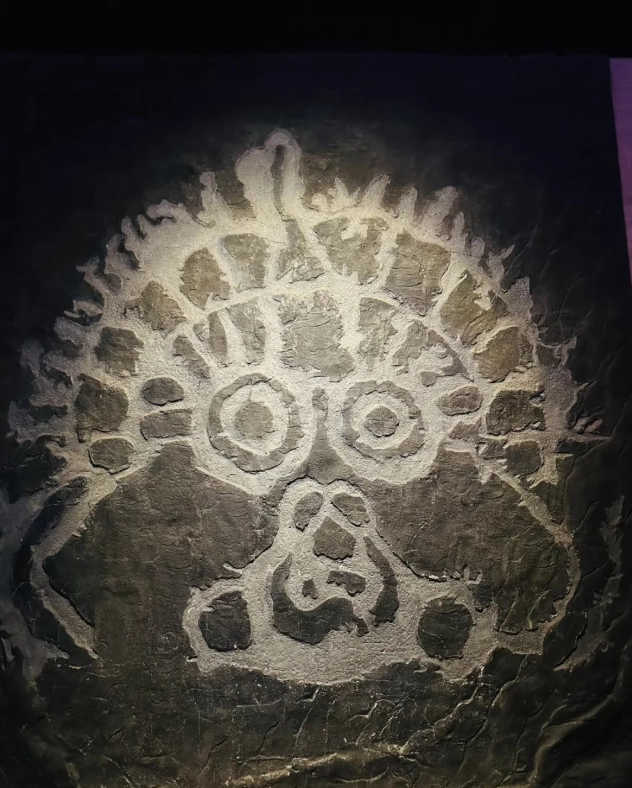
Ticket Prices & Booking — Save the Headache
Here's where many foreigners get stuck. You can't just show up and swipe a card.
| Ticket Type | Price | Notes |
|---|---|---|
| Adult (peak season Apr–Oct) | 70 RMB | Includes entrance, not the sightseeing car (required) |
| Adult (off-season Nov–Mar) | 45 RMB | Same rules |
| Student / Senior (60+) | Half price | Bring your passport — foreign senior discounts are honored |
| Sightseeing car (mandatory) | 15 RMB (round trip) | You must buy this — the walk from entrance to first panel is 3 km unpaved |
How to buy: The official way is through a WeChat mini-program called "贺兰山岩画景区." It's in Chinese only. Honestly, it's a pain for foreigners. My advice: ask your hotel receptionist to help you book. Or, if you're comfortable, arrive early and pay in cash at the ticket window (they accept RMB cash but not international credit cards). You can also show your passport at the window — they can process manual payment sometimes.
One thing that drives me crazy: many online guides say "book online." But they don't mention that the website is inaccessible without a Chinese phone number. So plan accordingly.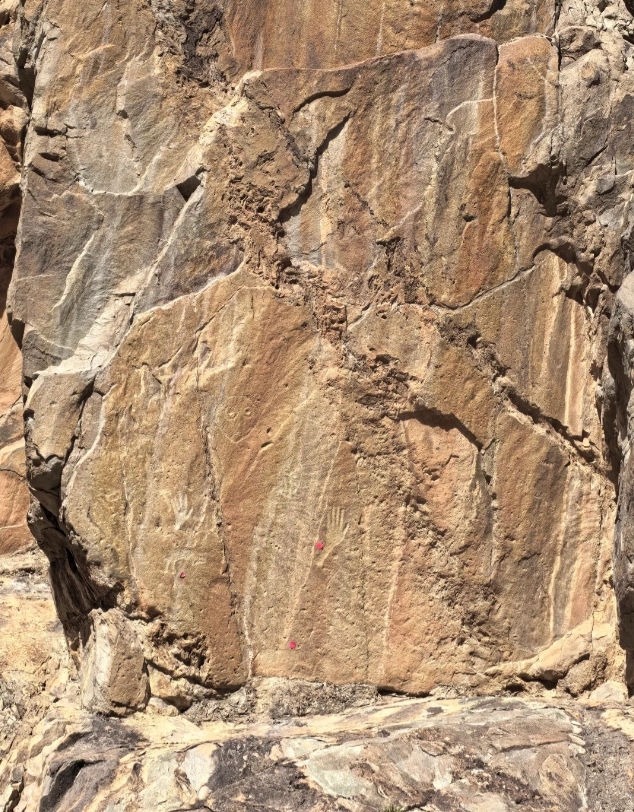
Best Time to Visit & Crowd Avoidance
I always tell my clients: go at 3:30 PM. Not morning. Here's why.
Most tour buses arrive between 9 AM and 11 AM. The site gets noisy and you'll be fighting for photo spots at the main Sun God panel. By 3 PM, the groups are gone. Plus, the lighting from around 4 PM to sunset is stunning — the golden hour makes the engravings pop, especially on the darker rock surfaces. I've seen too many tourists leave by 2 PM complaining about harsh shadows and heat. Don't be that person.
Weekdays are best. If you must go on a weekend, aim for Sunday afternoon — Saturday is the busiest.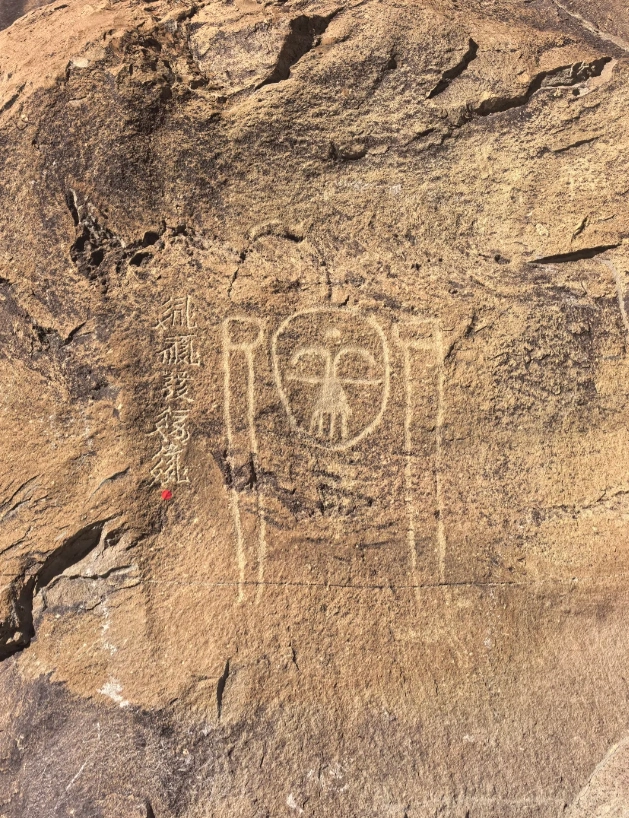
What to See: Must-See Panels & Hidden Spots
The site is divided into several areas. Most visitors stick to the main boardwalk, but I've found a few quieter corners.
The Sun God Panel
This is the crown jewel — a humanoid face with radiating lines, believed to represent a sun deity. It's under a protective shelter about 500 meters from the sightseeing car drop-off. You'll see a crowd gathered around it. Wait your turn, but don't linger — the real magic is elsewhere.
The Sacrificial Altar Area
About 300 meters farther along the path, you'll find a cluster of engravings showing deer, goats, and what looks like a shamanic ritual. This area is often overlooked. I love the quiet here — you can almost feel the ancient energy.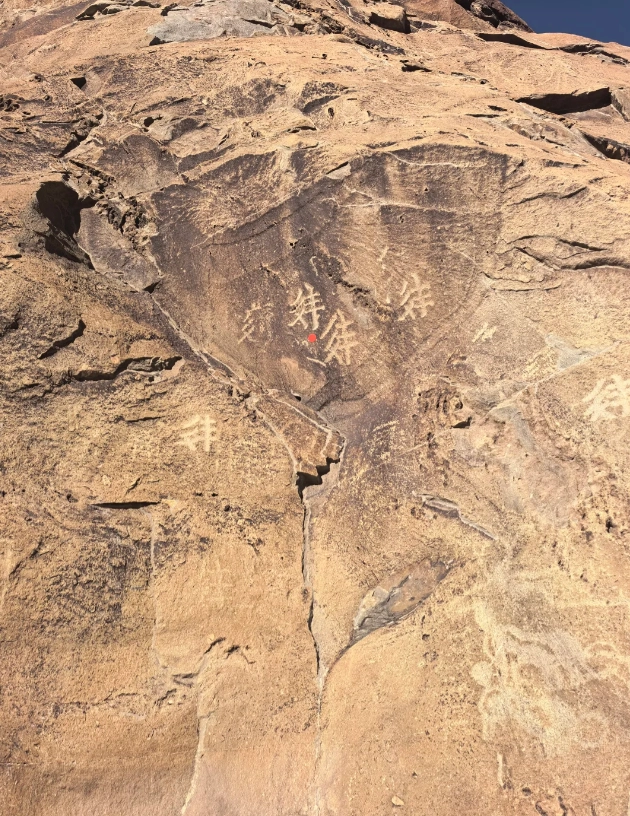
The Hidden Canyon (back section)
Many tourists turn back after the main panel. Don't. Continue up the path into the narrow canyon where a series of smaller, more intimate carvings appear. There's a spring at the end — a perfect spot for a snack. I've had entire 30 minutes there without seeing another person.
The Museum (at entrance)
Before heading home, pop into the small on-site museum. It has excellent replicas of engravings that are too fragile to be outdoors, plus explanations in English (rare!). Worth 20 minutes.
Self-Guided vs. Guided Tour — My Take
You can absolutely self-guide. The path is straightforward, and the main panels have English labels (some have QR codes with audio guides in Chinese only). But if you want deep context — the history of the ethnic groups, the meaning of the symbols — hire a guide at the entrance. The official guides wear uniforms and charge around 100 RMB for 1.5 hours. They speak basic English but can explain a lot. I've had great conversations with them.
If you skip the guide, download the WeChat mini-program's audio guide (it has an English option buried in settings — ask a Chinese speaker to help you find it).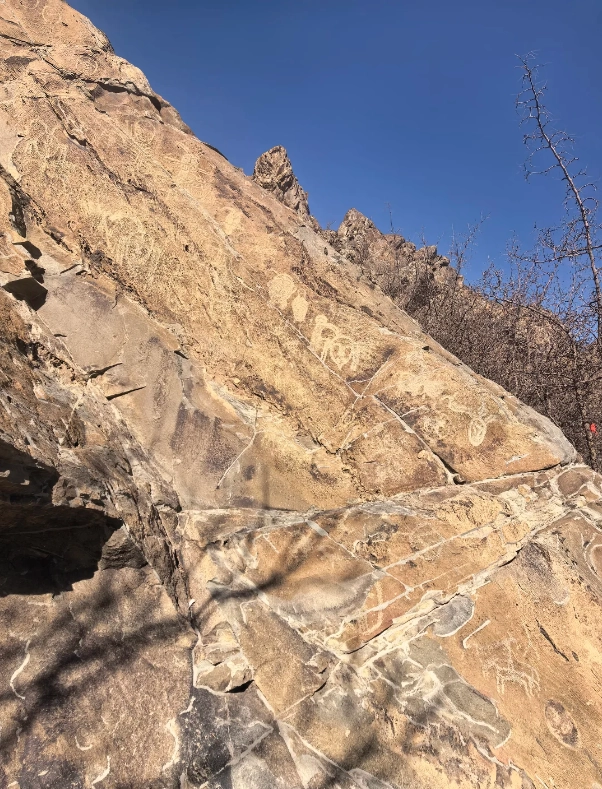
Practical Tips for Foreign Travelers
- Cash is king — bring enough RMB for tickets, snacks, and souvenirs. No international cards accepted anywhere inside.
- Water and snacks — there's one small shop near the entrance selling overpriced drinks (8 RMB for water). Bring your own.
- Shoes — wear sturdy sneakers. The path is paved but uneven, and you'll walk about 3–4 km total.
- Sunscreen and hat — there is almost no shade on the rock art trail. I've seen lobster-red tourists more than once.
- Toilet paper — the restrooms at the entrance have some, but the one near the canyon often runs out. Carry your own pack.
- WiFi — limited signal inside the site. Download offline maps (Maps.me) before you go.
Frequently Asked Questions
Verified and fact-checked by the editorial team.





No comments yet.