 Jian Zhao
What’s Inside (Skip the Fluff)
- Why Most Online Guides Get It Wrong
- The Four Ways to Get to Kumbum Monastery
- Bus from Xining: Cheap but Tricky
- Taxi or Didi: The Convenient Middle Ground
- Private Driver: Zero Hassle, Higher Cost
- Inside the Monastery: What to Expect
- Best Time to Visit (When It’s Not a Zoo)
- Tickets and Other Annoying Details
- FAQ: Real Questions from Travelers
Let’s cut the crap. I’ve been guiding groups to Kumbum Monastery for over a decade, and I still cringe every time I see a tourist stranded at the wrong bus stop or paying triple for a taxi. Getting there from Xining isn’t rocket science, but a few traps can eat your time and money. Here’s how to land at the monastery gate without the headache.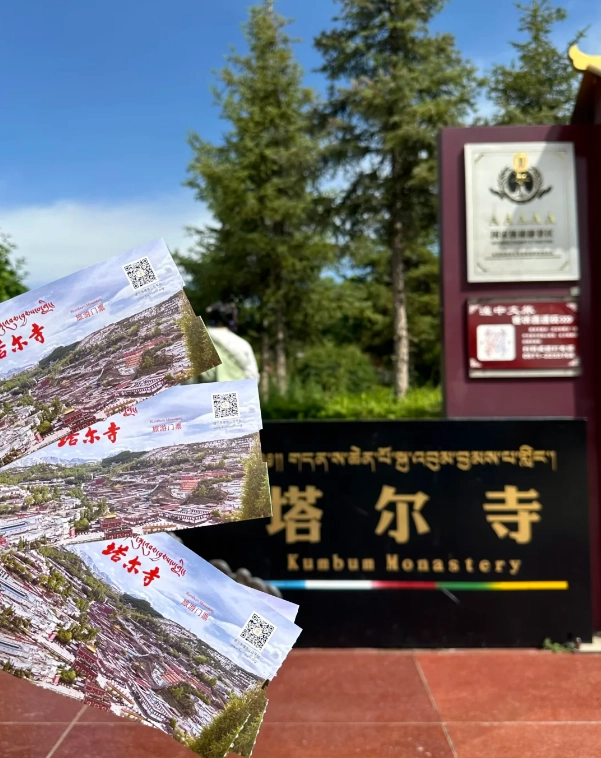
Why Most Online Guides Get It Wrong
Most blog posts will tell you “take bus 3 from Xining station.” That’s half-true – but they forget to mention that bus 3 has two different terminals, and the one you want leaves from the south side of Xining Railway Station, not the main bus hub. I’ve watched people wait for 40 minutes at the wrong shelter. Also, many guides don’t warn you that the monastery’s ticket office closes at 16:30, even though the complex stays open later. Show up at 16:00 and you’re basically locked out.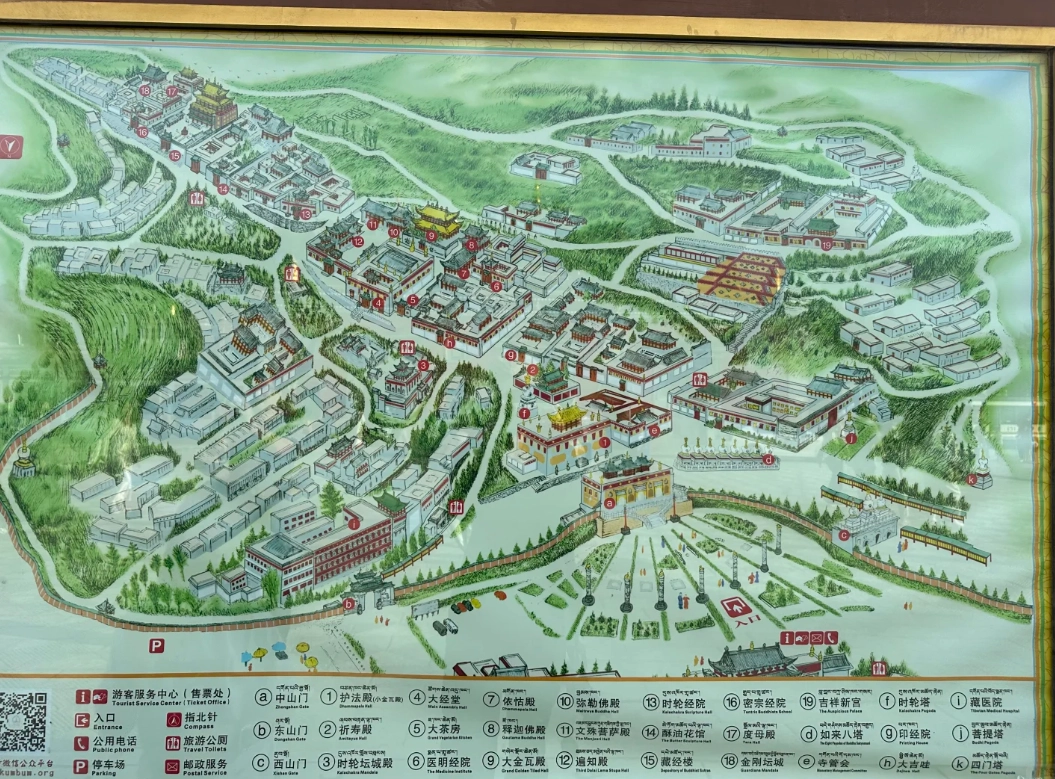
The Four Ways to Get to Kumbum Monastery (Ranked by Sanity)
I’ve ranked these from “cheapest but most annoying” to “easy but pricey”. Choose based on your patience and budget.
| Method | Cost (per person) | Time | Convenience | Best For |
|---|---|---|---|---|
| Public bus (Line 3) | ~ 4 RMB | 60–90 min | Low (crowded, easy to miss stop) | Budget backpackers, solo with time |
| Tourist bus (from Xining) | ~ 30 RMB | 50–70 min | Medium (fixed schedule, limited) | Travelers who want a direct bus but don’t mind waiting |
| Taxi / Didi | 100–150 RMB (one-way) | 40–60 min | High (door-to-door) | Couples, small groups, anyone in a hurry |
| Private driver (pre-booked) | 250–400 RMB (round trip) | Flexible | Very high (waits for you) | Families, photographers, those with tight schedules |
Bus from Xining: Cheap but Tricky
Let me walk you through the public bus option, because it’s the cheapest but also the most error-prone.
Step 1: Go to Xining Railway Station (not the long-distance bus station). Exit from the south square (南广场). You’ll see a bus terminal on the ground level. Don’t go to the north square – that’s for intercity buses.
Step 2: Find Bus 3 (it’s usually red or green). Look at the destination sign – it should say “Huangzhong (Kumbum Monastery)” or “塔尔寺”. Some buses split into two routes, so double-check with the driver: “Qu Kumbum Si?” (去塔尔寺?).
Step 3: Board and pay via your phone’s QR code (WeChat Pay or Alipay) – cash is rarely accepted. If you don’t have mobile payments, get a local prepaid transport card at a convenience store. The ride takes about an hour, maybe more if traffic is heavy.
Watch out: The bus will announce stops in Chinese only. Count the stops: you need about 15–18 stops, then get off at “塔尔寺”. I usually tell my guests to set a map app on their phone and watch the GPS. The monastery appears on the right side as you approach the county town.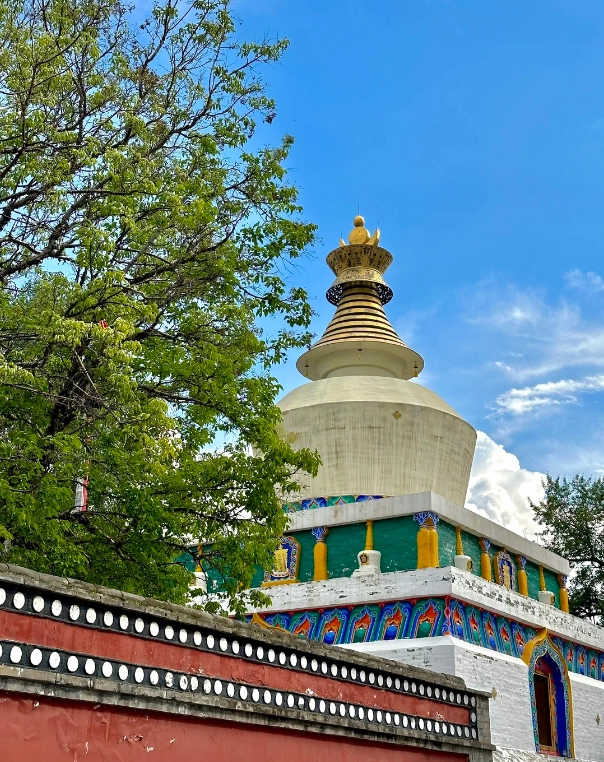
Taxi or Didi: The Convenient Middle Ground
If you’re with a friend or just hate being squeezed in a local bus, grab a Didi (China’s Uber). It’s reliable and not that expensive split two ways.
How to order: Open the Didi app, set pick-up as your hotel, destination as “塔尔寺” (Ta’er Si) or “Kumbum Monastery”. Choose “Express” (快车) – it’s cheaper than a standard taxi. A one-way ride costs around 100–130 RMB depending on traffic. Avoid hailing a street taxi unless you’re confident about the route – some drivers quote 200 RMB to tourists.
Return trip: From the monastery, Didi cars are plentiful near the main gate. But during peak hours (11:00–15:00), wait times can be 10–15 minutes. I always tell my group to book a return Didi before entering the temple if they have a strict schedule.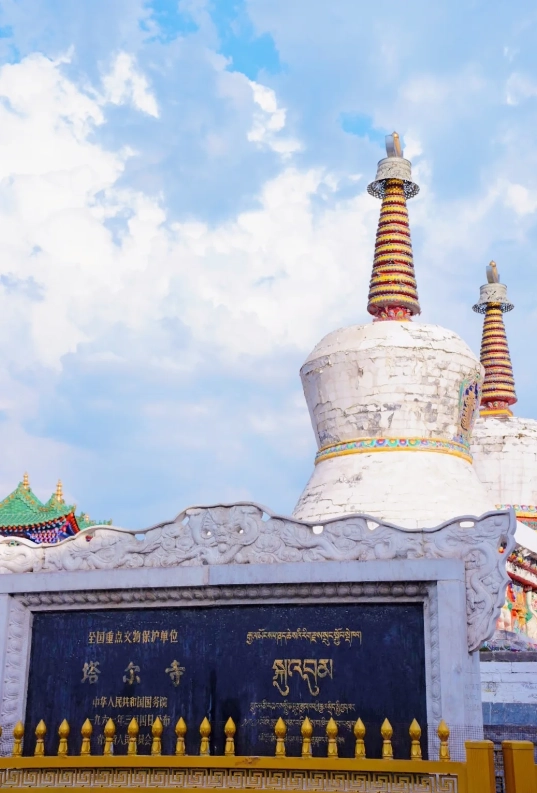
Private Driver: Zero Hassle, Higher Cost
This is my go-to recommendation for families or anyone who wants to make a half-day trip out of it. You can book through your hotel or platforms like Trip.com. Expect to pay 250–400 RMB for a round trip with waiting time (about 3 hours). The driver will drop you at the entrance and pick you up at a pre-agreed time.
One advantage: the driver can also stop at Shahai Xiang or Nianqiong Village on the way back – hidden spots with great views of the monastery’s golden roof from a distance. Most tours skip those, but I always add a 10-minute photo stop.
Inside the Monastery: What to Expect (So You Don’t Get Stuck)
Once you get there, here’s the reality check:
- Entrance: The main gate is grand, but the ticket office is about 50 meters to the left. Don’t let the touts near the gate fool you – they sell overpriced incense and fake tickets.
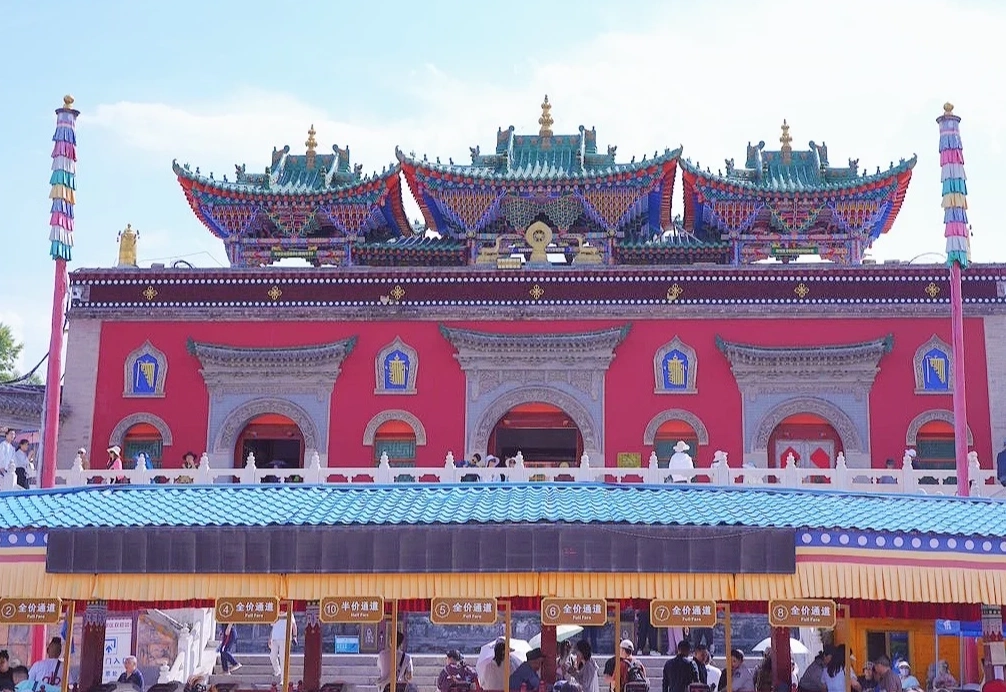
- Layout: There are multiple halls and courtyards. The most famous ones are the Grand Gold Tile Hall (大金瓦殿) and the Butter Sculpture Hall (酥油花殿). The butter sculptures are in a dimly lit room – no photography allowed, and guards will scold you loudly if you try.
- Crowds: Peak hours 10:00–14:00 are insane. You’ll be shoulder-to-shoulder in narrow corridors. I recommend starting from the back halls (Jiefang Hall) and working your way forward. That’s against the flow, so you’ll have more breathing room.
- Bathroom situation: The only public toilet near the ticket office is, honestly, vile. Use the one in the small tea house inside the temple complex – cleaner and less busy.
Best Time to Visit (When It’s Not a Zoo)
If you can, go on a weekday and arrive by 08:30. The monastery opens at 08:00, and the first two hours are blissfully quiet. By 10:00, tour buses from Lanzhou and Xining unload hordes. Also, avoid Chinese national holidays (Golden Week in October, May Day). On those days, the queue for tickets alone can take 40 minutes.
Another overlooked factor: weather. Qinghai is sunny but cold even in summer mornings. I’ve seen tourists shivering in shorts. Bring a light jacket even in July. The monastery is at 2,700m elevation – you might feel a bit breathless climbing the stairs. Take it slow.
Tickets and Other Annoying Details
Price: 80 RMB for adults. Students with valid ID get half price. Seniors over 60 get free entry – but you need to show your passport at the counter.
How to buy: You can either queue at the physical ticket office (cash or Alipay/WeChat) or pre-book via a Chinese app like Ctrip. If you book online, you’ll need to scan a QR code at the entrance – make sure you have mobile data. The ticket office window accepts only Chinese mobile payments or cash – no international credit cards. So keep some 10 or 20 RMB notes handy.
Opening hours: 08:00–17:00 (last admission at 16:30). The halls start closing one by one after 16:00, so don’t cut it too close.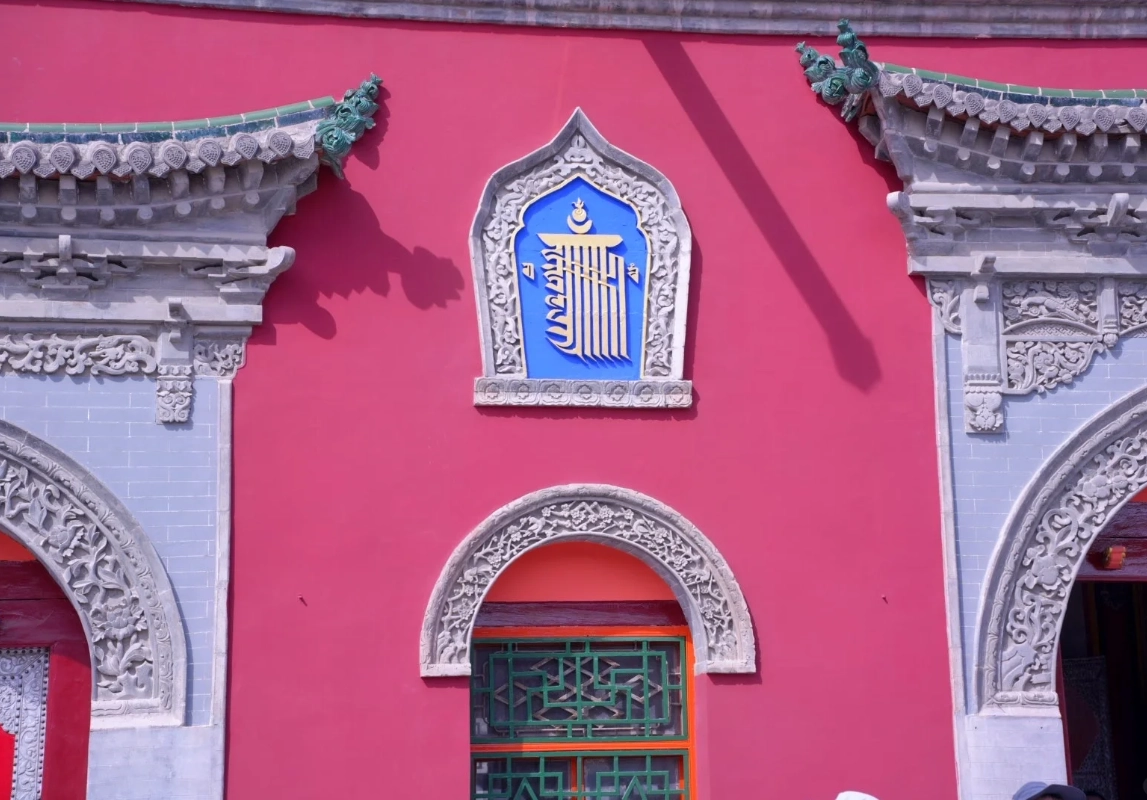





I've been to dozens of temples in Asia and this is the best 'how to get there' guide I've ever come across. The author clearly walked every route themselves. I took the alternate road through the yak pastures—peaceful, scenic, and zero hassle. Even the rickshaw driver was impressed. Five stars, no question.
As a photographer, I'm picky about timing and angles. This article nailed it—they pointed out the exact spot to catch the golden hour light hitting the main hall. I got my best shot of the trip because of the 'hidden balcony' tip. Also, the tip about buying tickets online the night before saved me a 45‑minute wait. Couldn't be happier!
This article is a goldmine! Followed the 'monk's path' they described and it was dead quiet—no crowds at all. The ticket pre‑booking link worked like a charm, saved 10 yuan too. If you hate tourist traps like I do, just use this guide and you'll have the monastery almost to yourself. Absolute must‑read.
Pretty solid guide overall. The route suggestions saved me some time, especially the shortcut from the east side. I wish the article included a simple map though—text descriptions got a bit confusing at one junction. Ticket advice was accurate and helped me skip the long line. With a few visuals this would be perfect.
I was really excited to use the insider routes from this article, but honestly, the parking info was outdated. Ended up circling around for 20 minutes before finding a spot, and the so-called 'back entrance' was closed for construction when I went. The ticket tips are okay but nothing you can't find on the official site. Needs an update badly.