 Fang Wang
Let's be honest. When you search for The Bund, you're shown the same skyline photo a million times. You know you're supposed to go, but you're wondering if it's just an overcrowded tourist trap. I've walked The Bund more times than I can count, at dawn, at noon, and in the glittering night. It's not a trap, but most visitors miss its depth because they follow the same crowded script. This guide is about breaking that script. We'll look past the obvious panorama to the stories in the stone, find the quiet moments, and give you the practical know-how to craft your own experience, whether you have two hours or a full day.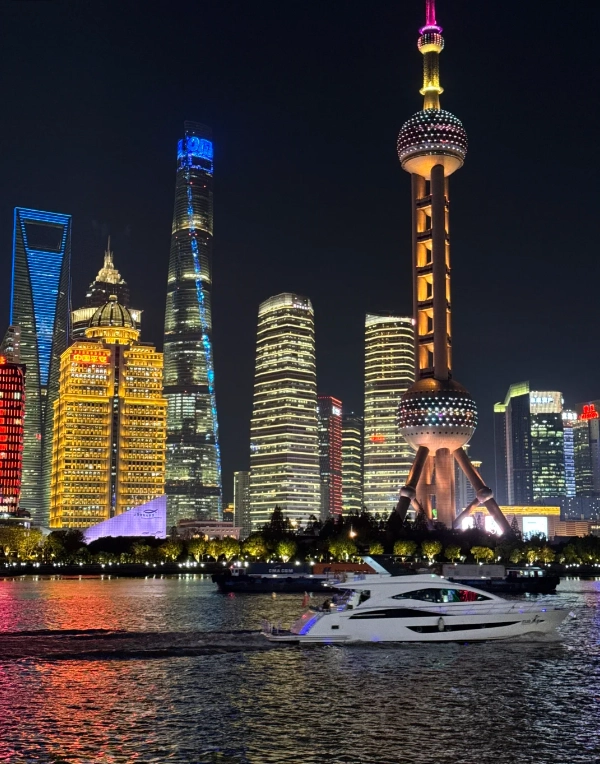
What's Inside This Guide
Why The Bund Matters Beyond the Skyline
Standing on The Bund is like having a physical timeline under your feet. On one side, the Huangpu River, Shanghai's original commercial artery. On the other, a line of granite and steel that tells the story of the city's forced opening, its colonial heyday, and its tumultuous 20th century. This isn't just a pretty walkway; it's the spine of modern Shanghai's identity.
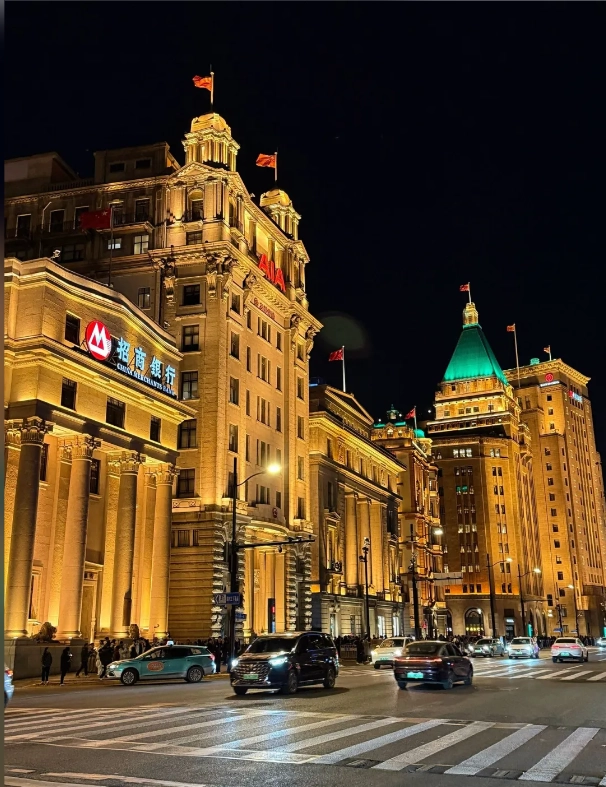
Most people gaze east towards Pudong's futuristic towers. Try looking west instead. Each building has a personality. The former Hong Kong and Shanghai Banking Corporation (HSBC) building whispers of British banking dominance. The Customs House with its iconic clock tower (locals call it 'Big Ching') marked time for the port. The Peace Hotel, with its iconic green pyramid roof, was the place for jazz and high society in the 1930s. I always notice the varying rooflines—pyramids, domes, spires—competing for attention like wealthy merchants once did.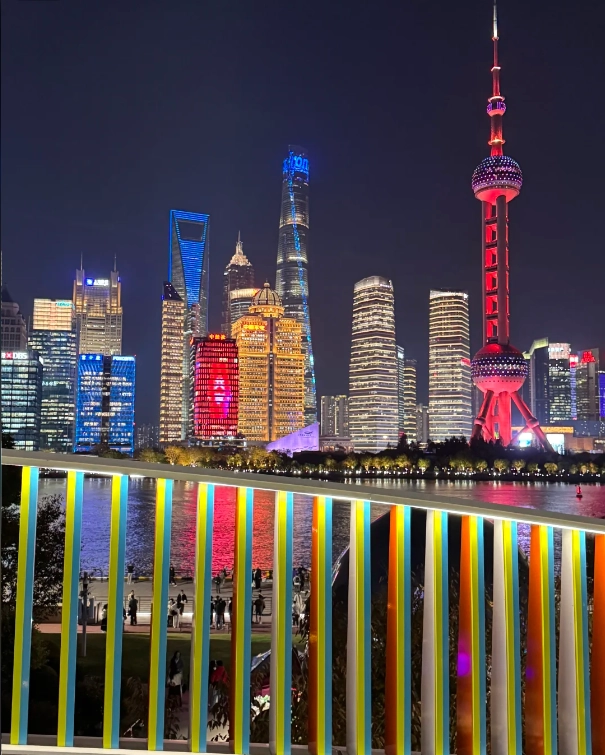
Planning Your Bund Walk: Timing, Routes & Transport
Your experience is 80% dictated by when you go. The postcard-perfect time is not always the best time for actually enjoying it.
The Best Time to Visit The Bund
For photographers and solitude seekers: Go at sunrise. The light hits the Pudong skyscrapers perfectly, the air is often clearer, and you'll share the promenade with only a handful of joggers and fishermen. It's magical and quiet.
For the classic experience: Late afternoon, around 4 PM. Walk the length as the sun starts to drop. Find a spot by 5:30 PM to watch the buildings light up gradually. The official light show on the Pudong side usually begins around 6 PM or 7 PM, depending on the season. This timing lets you see The Bund in both daylight and its illuminated glory.
Time to avoid if you dislike crowds: Weekend evenings after 7 PM. It's a legitimate sea of people. While the lights are spectacular, the experience can feel more like a crowded concert than a historic stroll.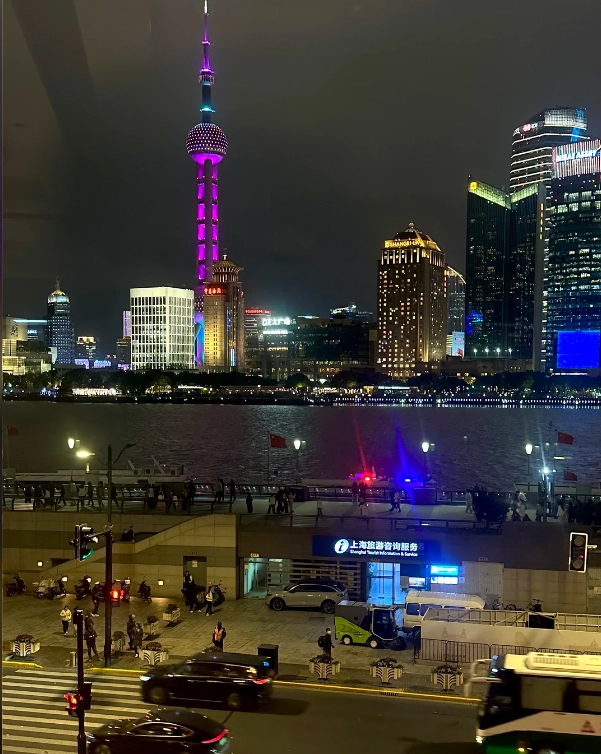
Suggested Walking Routes
The Classic Stroll (1-1.5 hours): Start at the Waibaidu Bridge (Garden Bridge) at the northern end of Suzhou Creek. This iron bridge is a landmark itself. Walk south along the elevated promenade. Pause at the bull statue, check out the old signal tower, and take in the view opposite the main building cluster. End at the intersection with Nanjing East Road. This covers the core section.
The Extended Explorer (2.5+ hours): Begin further south at Yan'an East Road. Walk the entire length northwards. After the main stretch, don't stop at the Waibaidu Bridge. Continue into the Bund Source (Waitanyuan) area. Here, the buildings are older, less restored, and often house high-end shops and galleries. It's significantly quieter. You can loop back via the back streets like Yuanmingyuan Road to see the architectural details up close without the crowds.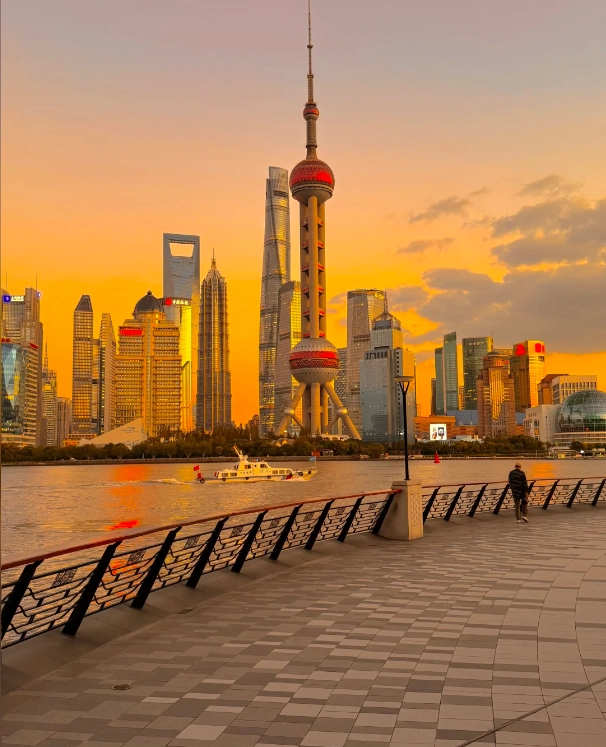
Key Location & Access Info
Address: Zhongshan East 1st Road, Huangpu District, Shanghai. The promenade runs alongside this road.
Promenade Open Hours: 24/7. It's an open public space.
Individual Building Hours: Vary. Most are office buildings or hotels with restricted lobby access. The Bund Historical Museum (inside the former HSBC building arch) has specific hours, usually 9 AM - 4 PM, and is often closed on Mondays. Always check ahead.
Admission: The promenade itself is completely free. Some attractions within buildings may charge a fee.
Architecture Deep Dive: Reading the Building Facades
Calling it "Neoclassical" or "Art Deco" is a start, but it's like calling a gourmet meal "food." The real interest is in the specifics. I've spent hours just looking up. Here’s what most walking tours gloss over.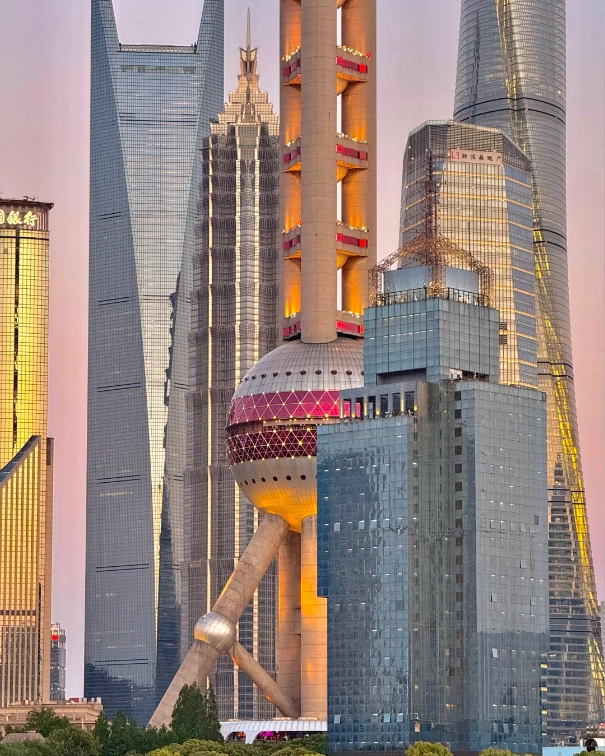
The buildings were erected by different foreign powers and commercial entities, leading to a subtle competition. Look at the entrances. The No. 12 Customs House is imposing and governmental. The No. 18 Bund (Chartered Bank Building) feels more refined and commercial. The mix of materials—granite, bronze, marble—was a deliberate display of wealth and permanence.
One common mistake is focusing only on the river side. The real architectural treasures are often on the side and rear facades, facing the smaller streets. The ornamentation there is frequently more intricate because it was meant to be seen up close by people doing business.
| Building (Current Name / No.) | Original Name / Purpose | Architectural Style Nuance | Can You Go Inside? |
|---|---|---|---|
| Peace Hotel (No. 20) | Cathay Hotel / Sassoon House | Chicago School base, Art Deco pinnacle, iconic green copper pyramid roof. | Yes, as a hotel guest, for a jazz bar drink, or a (pricey) afternoon tea. |
| Customs House (No. 13) | Shanghai Customs | Neo-Grec, dominated by the large clock tower. The bell mechanism is a replica of London's Big Ben. | Lobby is often accessible, but it's a working government office. |
| Former HSBC Building (No. 12) | Hongkong and Shanghai Banking Corp. | Grand Neo-Classical. Look for the stunning mosaic dome in the entrance hall (now part of the Pudong Development Bank). | The main banking hall is usually open to the public and is breathtaking. |
| Bund 18 (No. 18) | Chartered Bank Building | Mix of Italian Renaissance and Neo-Classical. Now a luxury retail center. | Yes, free to enter for shopping and to see the restored interiors. |
My personal favorite detail? The weathered bronze door handles and mail slots on some of the older buildings. They have a patina and weight you don't find in modern replicas. They've been touched by countless hands over a century.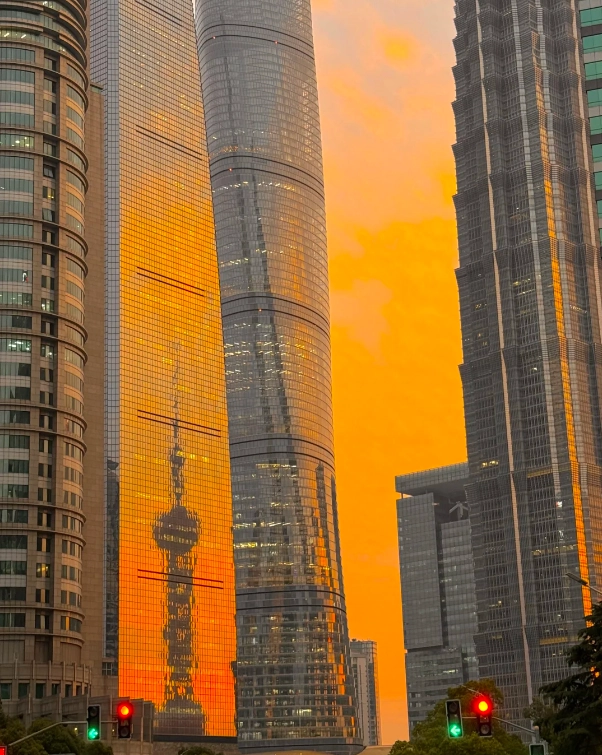
Practical Visitor Info: Address, Hours & Getting There
Let's get down to the brass tacks. How do you actually do this?
How to Get to The Bund
By Metro (Subway): This is the easiest and fastest way.
- For the southern end (near Nanjing Road): Take Line 2 or Line 10 to Nanjing East Road Station. Use Exit 7 or 2 and walk east for 10-15 minutes.
- For the middle/northern section: Take Line 10 or Line 12 to Tiantong Road Station or Line 2 to Nanjing East Road Station and walk a bit further.
- For the Bund Source area: Take Line 10 to Tiantong Road Station or Line 12 to International Cruise Terminal Station.
By Taxi or Ride-Hailing: Say "Wai Tan" (pronounced why-tan) to the driver. Be specific. "Wai Tan, near Nanjing Road" or "Wai Tan, near the Waibaidu Bridge." Traffic on East Zhongshan 1st Road is often heavy, especially in the evening.
On Foot from Nearby Areas: It's a pleasant walk from the Yu Garden & Old Town area (about 20-25 mins west) or from the People's Square area (about 25-30 mins).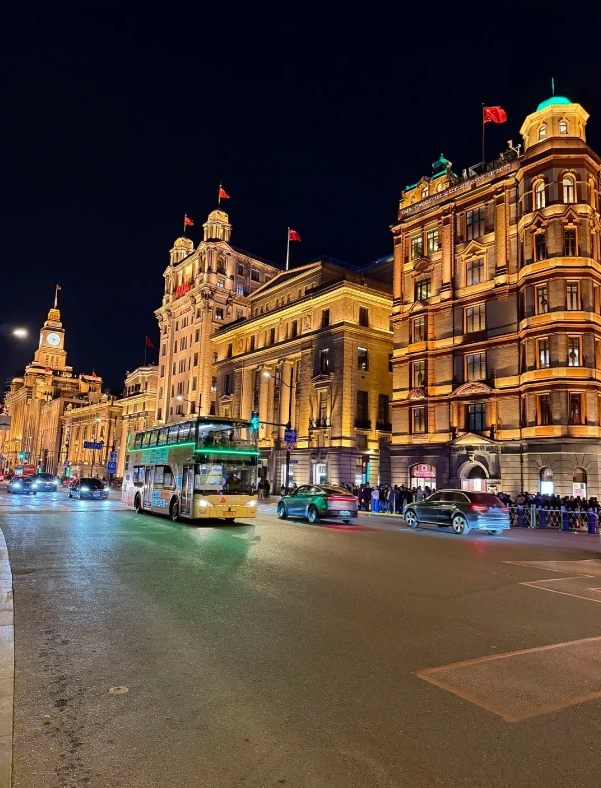
Crossing the River: The Bund to Pudong
You must cross the river. The tunnel tourist tram is a gimmicky light show; skip it. You have two great options:
The Ferry (Authentic & Cheap): Find the Jinling Road Ferry Pier near the southern end of The Bund. For 2 RMB (about $0.30), you get a 10-minute ride across the Huangpu with locals on scooters. It drops you in Pudong near the Riverside Promenade, a short walk from the Oriental Pearl Tower. It runs frequently from early morning until evening. This is the local way.
The Metro (Fast & Direct): Walk back to Nanjing East Road Station, take Line 2 one stop east to Lujiazui Station. You'll emerge right at the foot of the skyscrapers. Takes about 15 minutes total from The Bund.
Your Bund Questions, Answered by a Local
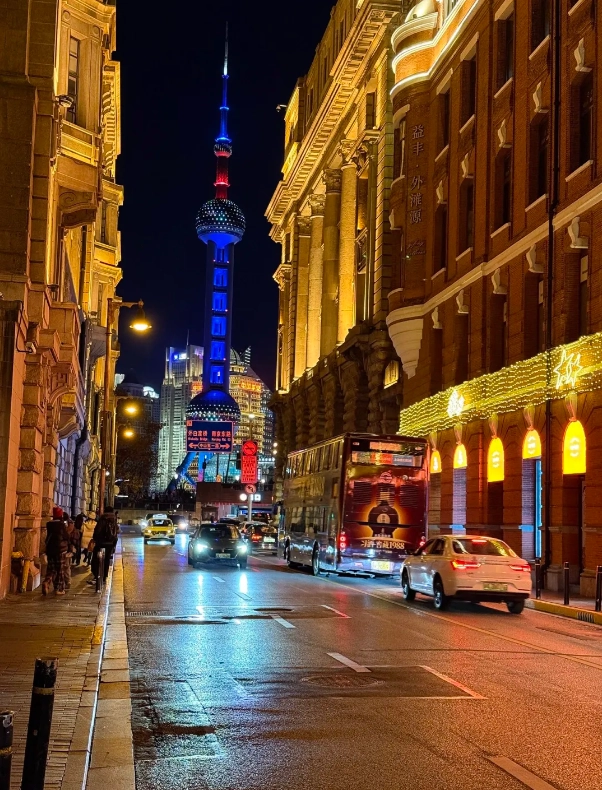 How do I get from
 Visiting The Bund with this knowledge turns it from a checkbox item into a rich, layered experience. You're not just looking at a famous view; you're walking through the pages of Shanghai's modern history. Pay attention to the texture of the granite, the sound of the ferry horns, and the shift in light. That's where the real memory is made.
 This guide is based on extensive personal visits and local knowledge. Details like ferry schedules and museum hours can change; it's always wise to double-check official sources before your final visit.





Honestly, I was let down. Maybe my expectations were too high from all the hype. The guide suggests early morning to avoid crowds, but even at 7 am it was packed with tour groups. The viewpoints listed are basically the same as any free walking route. Felt a bit like a recycled blog post. Plus the humidity made it unpleasant. Not worth the hassle for me.
Good overall, but the guide could be more precise on directions. I got a bit lost trying to find the ‘secret viewing balcony’ mentioned — it turned out to be a café that requires a minimum spend. The main Bund walk itself is stunning, and the history points are great. Just wish the logistics were ironed out better. 4 stars still, because the views are unbeatable.
As a history buff, I found this guide invaluable. It walks you through the architectural styles — from Gothic to Art Deco — and explains the stories behind each building, like the old Sassoon House. I spent almost three hours just wandering and reading the blurbs on my phone. The map was clear and easy to follow. If you love old Shanghai vibes, don’t miss this.
This guide is perfect for photographers. The recommendation to be there during the ‘blue hour’ was spot on — I got some killer shots of the Pudong skyline with the old buildings in the foreground. Only wish it had mentioned that the riverside promenade gets super windy; bring a jacket! Other than that, a solid 5/5 for anyone wanting Insta-worthy views without the tourist trap feeling.
Absolutely loved this guide! I’ve been to the Bund a few times before, but following the local tips here made me notice details I’d always missed — like the exact best spot to see the Bank of China building lit up at sunset. The historical background on each landmark added so much depth. Crowds are unavoidable, but the route suggested helped me dodge the worst of them. Five stars, hands down.
Honestly, this might be the best travel article I've ever read about a single location. It's not just a list of facts—the author weaves personal stories with historical events so seamlessly. I spent an entire afternoon walking the route, reading the article aloud to my girlfriend at each stop. The bit about the British Consulate gardens being off-limits but peeking through the gate made us laugh. Every detail felt curated by someone who genuinely loves the city. An absolute 5/5—I'm bookmarking it for my next trip back.
Used this guide on a rainy afternoon when the Bund was nearly empty. The article's suggestion to visit the bar at the Waldorf Astoria for an indoor view was genius—I got a window table and watched the fog roll over the Pudong skyline. The writing style is conversational and easy to digest, though I wish it included a quick map of the key buildings. Still, a solid read that made my visit feel special. Would give 5 stars if it had a few more practical tips like restroom locations.
I've lived in Shanghai for three years and thought I knew everything about the Bund. This local's guide totally changed my perspective! The author pointed out a hidden alley behind the Customs House that leads to a quiet terrace with zero tourists—I'd walked past it a hundred times! The historical anecdotes about the old trading firms made my evening stroll feel like a time machine. Absolutely loved it. Best 10-minute read before heading out.
Honestly, I was expecting more given the title. The history bits were interesting, but the 'views' section felt like common knowledge you could get from any travel blog. I followed the suggested walking route and ended up lost because the landmarks weren't clearly described. Plus, the article didn't mention that some of the best viewing spots are blocked by construction now. A bit disappointed—felt like a rushed compilation rather than a local's deep insight.
I read this article right before my first solo trip to the Bund, and honestly, it was spot-on. The local tips about where to stand for the perfect photo without the crowds were a lifesaver. I ended up at a little spot near the Peace Hotel that the author mentioned, and the sunset view was absolutely breathtaking. Only gave it 4 stars because I wish there was a bit more detail on the history of the old banks—felt a little rushed near the end. Still, highly recommend for any first-timer!
Very well written—feels like a friend walking you through the Bund. I appreciated the mention of lesser-known spots like the Bund Wall reliefs and the Huangpu Park history. Only small complaint: I wish it included more info on nearby cafés or rest stops along the way. Still, a solid resource.
Perfect for anyone who loves architecture and photography! The guide highlights specific angles for the Peace Hotel and the Customs House that I’d never have figured out. I followed the suggested route at golden hour and got some of my best Shanghai shots. A must-read before you go.
Honestly expected more depth for a 'local's guide'. The history felt skimmed—just the usual colonial timeline without any personal stories or lesser-known facts. Also the 'views' part was too general; there's barely any mention of nearby Bunda or the ferry perspective. A bit disappointed for the hype.
Good overview for a first-timer, but I wished it had more practical tips like best time for photos without crowds or which side of the street gives the best sunset view. The historical background is solid though. I'd recommend pairing it with a real-time map app for easier navigation.
This guide is exactly what I was hoping for—detailed but not dry. I loved how it wove the history of the Bund into the walking route, pointing out things I would've totally missed on my own. The bit about the old Consulate buildings gave me chills. If you want to actually understand what you're looking at, start here.
Finally a guide that tells you which side of the Bund to stand for the Pudong skyline money shot without the river railing ruining the frame! I loved the tip about the view from the rooftop bar of the Astor House Hotel – totally Instagram-worthy. The historical context made my photos feel deeper. Only minor complaint: they didn’t mention the construction scaffolding around the former HSBC building. Still, 4 stars – highly useful.
I was hoping for more insider tips on where to grab a cheap beer while enjoying the skyline, but this guide stayed strictly historical. The writing is clear and well-researched, but it lacks that 'living local' energy you get from a true neighborhood blog. If you want dates and architecture, it's fine. For actual practical advice? Eh. 3 stars – just okay.
Honestly, this was my favorite read before my trip! The 'history and views' subtitle delivered perfectly – I walked from the Peace Hotel to the Bund Financial Museum following the route suggested. The anecdotes about the British consulate grounds being off-limits for decades made me appreciate the public promenade even more. A gem for first-timers and repeat visitors alike. 5 stars, no hesitation.
Decent overview but felt a bit too 'basic' for someone who's already read a dozen Bund articles. The history sections were accurate, though the 'local's perspective' felt more like an amateur blog. No mention of the best time for sunset lighting or which building has the cleanest public restroom (yes, that matters!). A little disappointed – 3 stars.
As a local, this guide nailed the underrated viewing spots! I've lived here for 10 years and still discovered the angle near the Customs House. The historical tidbits about the old banks made me see the Bund with fresh eyes. Only wish they'd included tips on avoiding the worst photo-bombing crowds during holidays. Solid 5/5 – I'm sending it to my visiting cousins.