 Hong Ma
📋 Quick Guide
I still remember the first time I took a group to Kumbum Monastery. One of my guests showed up in short shorts and a tank top. The monks at the entrance didn't say a word — just gave a disapproving look. We had to scramble to find a long scarf to wrap around her legs. Don't be that traveler.
Kumbum Monastery (also called Ta'er Si) is one of the holiest Tibetan Buddhist sites outside of Lhasa. Every year thousands of pilgrims and tourists walk its cobbled alleys, spin the prayer wheels, and admire the famous butter sculptures. But here's the thing many visitors miss: the dress code isn't just a suggestion — it's a sign of respect.
In this guide, I'll cover exactly what you need to wear (and what to leave in your hotel), plus insider tips that most online articles skip.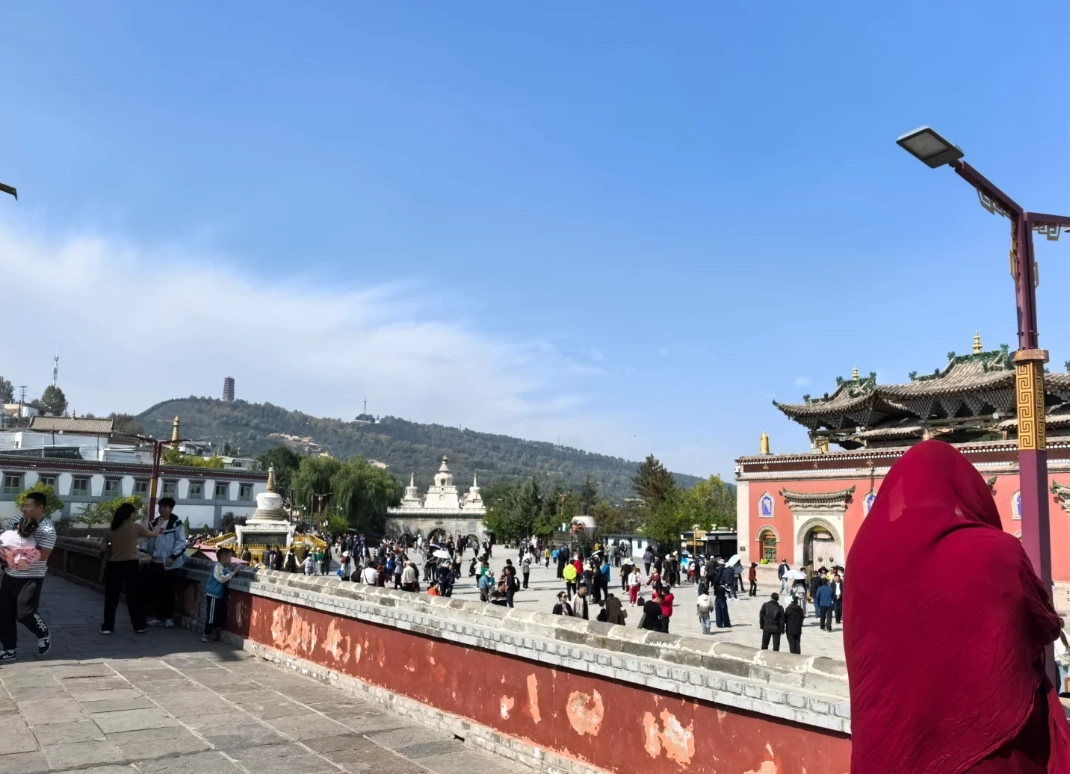
Why Dress Code Matters at Kumbum Monastery
Kumbum is an active monastery. Monks live, study, and pray here. When you walk through its gates, you're entering a sacred space — not a theme park. The dress code stems from Tibetan Buddhist traditions: covering your shoulders and knees shows humility and respect for the religious environment.
I've seen travelers turned away at the ticket checkpoint because their outfit was too revealing. The staff will ask you to buy a cheap scarf or wrap from nearby vendors (which you can, but it's an unnecessary hassle). Save yourself the trouble and come prepared.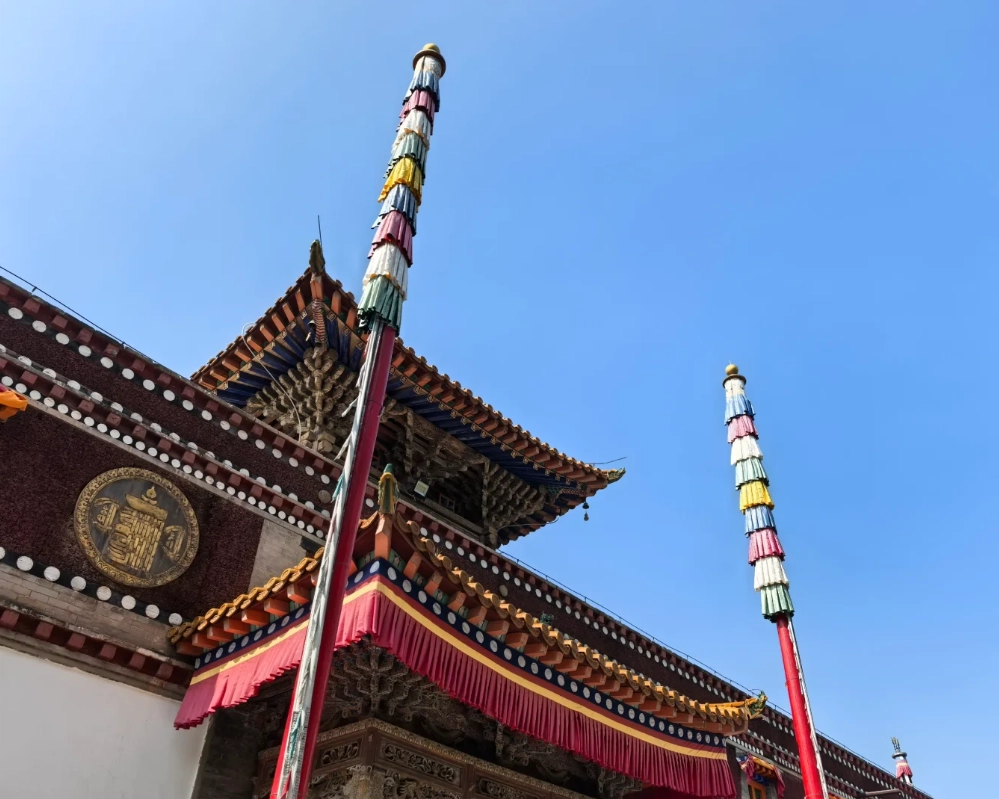
What to Wear: The Accepted Attire
Here's the simple checklist. Cover shoulders and cover knees. That's the golden rule. But let's get more specific.
| Category | Do Wear | Why |
|---|---|---|
| Tops | Long-sleeve shirts, T-shirts with sleeves, or a blouse with a cardigan | Shoulders must be covered. Sleeveless tank tops are not allowed. |
| Bottoms | Long pants (jeans, trousers, leggings) or long skirts/dresses that go below the knee | Knees should be fully covered even when sitting. |
| Headwear | Optional; sun hat is okay, but remove when entering main prayer halls | Hats are fine outdoors but must be taken off inside temples and chapels. |
| Footwear | Comfortable walking shoes or sneakers; you'll walk a lot | No special restrictions, but you'll need to remove shoes before entering some inner chapels (socks are fine). |
| Extras | A scarf or pashmina to cover up if needed | Handy for quick adjustments or extra sun protection. |
What to Avoid: Don't Make These Mistakes
I've compiled a list of common no-nos that I see almost every week. Avoid them to save face (and avoid buying overpriced cover-ups at the gate).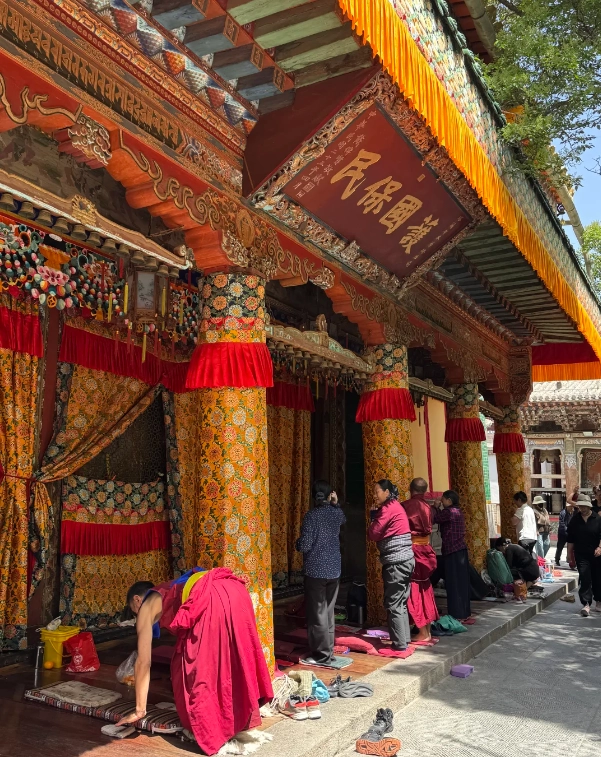
- Short shorts or skirts: Anything above the knee is a hard no. Even Bermuda shorts that end mid-thigh are risky. Stick to pants or maxi skirts.
- Tank tops, spaghetti straps, or off-shoulder tops: Unless you have a cardigan or shawl on top, shoulders must stay covered.
- Clothing with offensive prints or slogans: Keep your messages neutral. Avoid skulls, political statements, or anything that might be disrespectful.
- Flip-flops or high heels: The monastery grounds are uneven cobblestone. You'll be walking up slopes and steps. Trust me, flip-flops will make you miserable, and heels can be dangerous.
- Revealing or tight clothing: Even if technically covered, extremely tight leggings or low-cut tops can draw negative attention. Aim for modest, comfortable fits.
One thing that surprised my guests: you can't enter the main prayer halls (like the Grand Sutra Hall) with your shoes on. You'll leave them at the entrance. So wear clean socks and maybe avoid ones with holes!
Kumbum Monastery Practical Info
Now that you know what to wear, let me give you the essential details for planning your visit.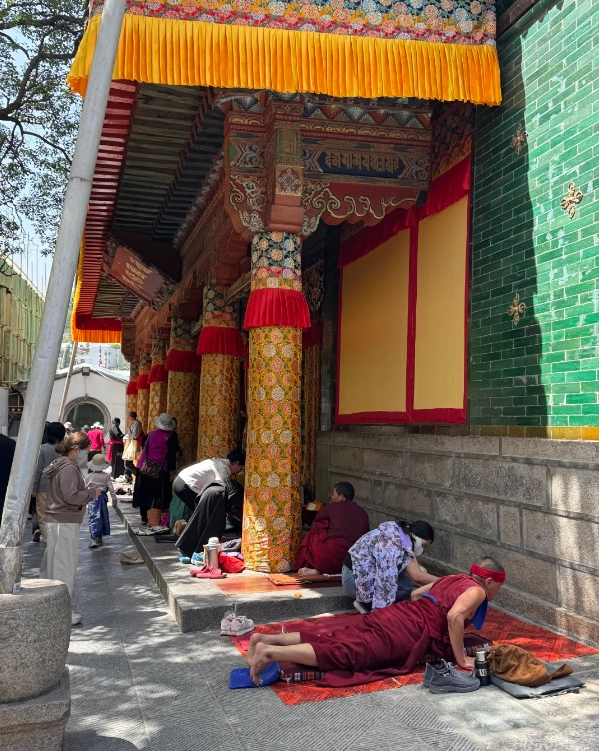
Location & How to Get There
Kumbum Monastery is located in Lushar Town, Huangzhong County, about 25 km southwest of Xining city center. The address is: 56 Jinta Road, Huangzhong County, Xining, Qinghai Province.
Transport options from Xining:
- By bus: Take bus 909 from Xining Railway Station (direct line). Get off at the Lushar/Ta'er Si stop. The journey takes about 1 hour and costs around 5 CNY (less than $1).
- By taxi/Didi (China's Uber): About 40–60 minutes depending on traffic, cost around 80–100 CNY ($12–$15). Ask the driver to drop you at the main entrance (南门, south gate).
- By tour: Many hotels in Xining sell half-day or full-day tours that include transport and guide. If you're short on time, this is a brainless option.
Opening Hours & Ticket Prices
| Season | Hours | Ticket Price | Notes |
|---|---|---|---|
| Peak (May–Oct) | 08:00 – 18:00 (last entry 17:30) | 70 CNY (adults), 35 CNY (students), free for children under 1.2m | Butter flower halls close earlier; arrive by 16:00 to see everything |
| Off-peak (Nov–Apr) | 09:00 – 17:00 (last entry 16:30) | 40 CNY (adults), 20 CNY (students) | Some chapels may be closed for winter maintenance |
Note: Prices are subject to change. Check the official Kumbum Monastery website (currently in Chinese) or ask your hotel for updates. I recommend carrying cash, as card machines sometimes fail.
Suggested visit duration: 3–4 hours to see the main halls and stroll around the complex. If you want to walk up to the hill for panoramic photos, add 30–40 minutes.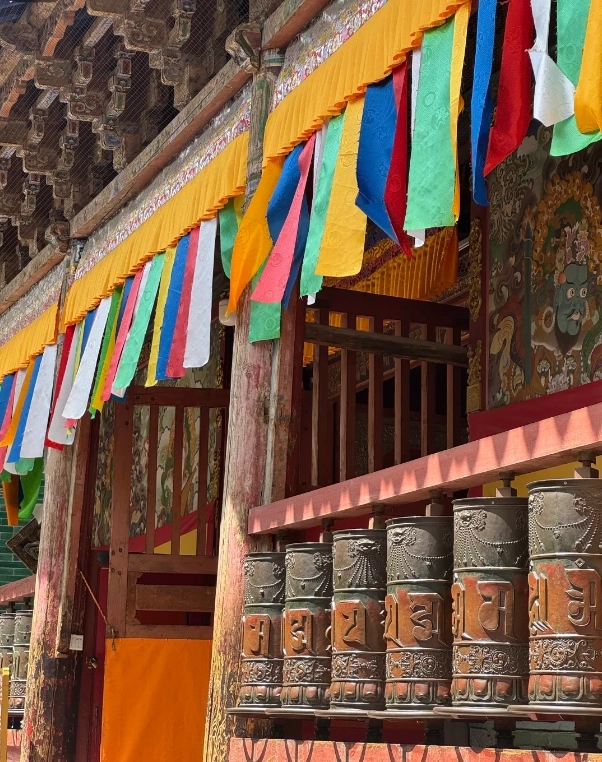
Extra Etiquette Tips Beyond Dress Code
Dress code is just the start. Here are a few more ways to show respect that I always share with my groups.
- No photography inside the chapels. Some temples explicitly ban flash photography of the butter sculptures (to prevent melting). Always check for signs. When in doubt, keep your phone in your pocket.
- Walk clockwise. When turning prayer wheels or circumambulating the stuppas, always move in a clockwise direction. This is a core Buddhist practice.
- Don't point your feet at Buddha statues. If you sit down, keep your legs crossed or tucked under. Pointing the soles of your feet at someone or a statue is considered rude.
- Speak softly. The monastery feels like a small town — there are pilgrims chanting, monks debating, and locals praying. Keep your voice low, especially near the prayer halls.
- Ask before photographing monks. If you want a picture of a monk or nun, always ask permission first. A smile and a nod usually work. Many monks will politely decline; respect that.
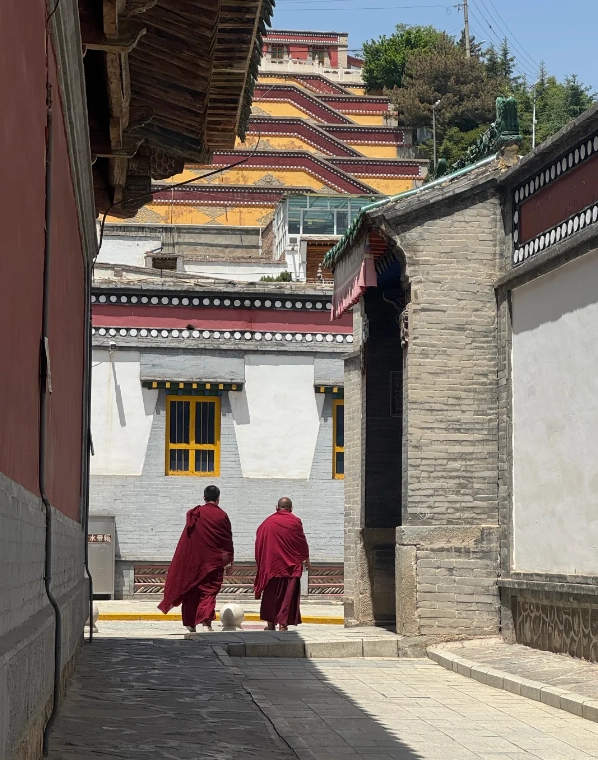





Absolutely magical place! The prayer flags fluttering, the incense smell, and the gentle chanting – everything felt so authentic. I wore a long dress and brought a light cardigan, which was perfect. The dress code is clearly posted online and at the gate, so no excuses. Felt respectful and comfortable the whole time. One of the highlights of my trip to Qinghai. 10/10 would recommend.
Honestly felt a bit frustrated. I knew about the dress code but didn't realize how strictly it'd be enforced. Had to buy an overpriced sarong at the entrance, which was thin and uncomfortable in the heat. The monastery itself is beautiful, no doubt, but the whole experience felt less welcoming because of it. Maybe add some free loaner wraps? Great sights, but I left with a sour taste.
Stunning architecture and peaceful atmosphere – exactly what I expected from Kumbum Monastery. I appreciated how clear the dress code guidelines were, even found a helpful sign at the ticket counter. Saw some folks turned away for shorts, so don't risk it. I wore a lightweight linen shirt and long skirt, worked perfectly. Would definitely come back for the meditation sessions.
Great place, very serene and well-maintained. The staff at the entrance were friendly but firm about the dress code – which I respect. Only reason I'm giving 4 stars is that on a hot summer day, wearing long sleeves felt a bit stifling. I wish they had more shaded areas inside or maybe a rental station for cover-ups. Still, totally worth a visit if you come prepared.
The monastery itself is absolutely breathtaking, with stunning golden roofs and intricate murals. But the dress code caught me a bit off guard – I saw tourists being politely asked to cover up at the entrance. If you're planning to visit, definitely bring a scarf or shawl. I wore long pants and a T-shirt and felt totally comfortable. Highly recommend going early to avoid the crowds and the heat. A truly spiritual experience!