 Jian Zhao
What you will find here
- Why Xining Matters (and What Most Guides Get Wrong)
- Getting to Xining: Flights, Trains & Buses
- Best Time to Visit Xining
- Getting Around Xining: Metro, Taxi & Didi
- Where to Stay in Xining
- What to Eat in Xining (Don't Leave Without Trying These)
- Top Attractions in Xining & Nearby
- Sample Itinerary: 3 Days in Xining
- Frequently Asked Questions
I've been guiding groups through Xining for over eight years. And honestly, the first time I came here, I made every mistake you can imagine. I arrived during the wrong season, booked a hotel in the dead zone, and nearly fainted from altitude sickness while trying to climb a hill. Let me save you from that pain.
Here is the catch: Xining is the gateway to Qinghai Lake and the Tibetan Plateau, but most online guides treat it like a boring transport hub. That couldn't be further from the truth. The city itself has a fascinating blend of Muslim Hui culture, Tibetan Buddhism, and Han Chinese influences. Plus, it sits at 2,200 meters, so you need to plan for altitude. I'll show you how to travel to Xining without the hassle.
My one-line advice: Fly or take the high-speed train, book a hotel near the East Pass (Dongguan Mosque area), and spend your first day acclimatizing with slow walks and lots of water. Now, let's dive into the details.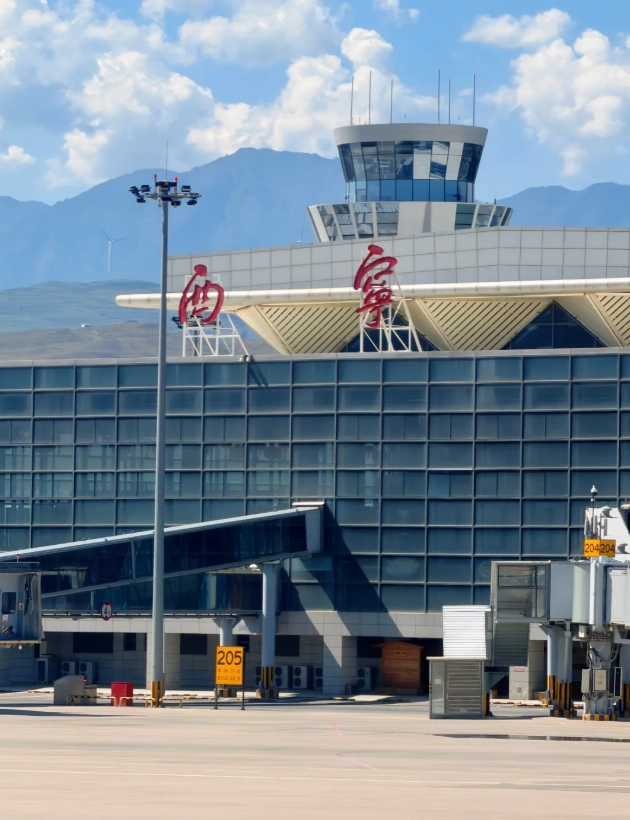
Why Xining Matters (and What Most Guides Get Wrong)
A lot of travelers skip Xining and head straight for Qinghai Lake. Big mistake. Xining is not just a stopover; it's a cultural treasure trove. The Dongguan Mosque is one of the largest mosques in China, and the surrounding Muslim quarter sells the best mutton skewers I've ever tasted. Plus, the Qinghai-Tibet Railway starts here, so if you're heading to Lhasa, Xining is where the adventure begins.
What most guides don't tell you: The city is incredibly safe and walkable, but the taxi drivers rarely speak English. Always have your destination written in Chinese characters on your phone. I learned that the hard way after a 30-minute detour trying to explain "Qinghai University."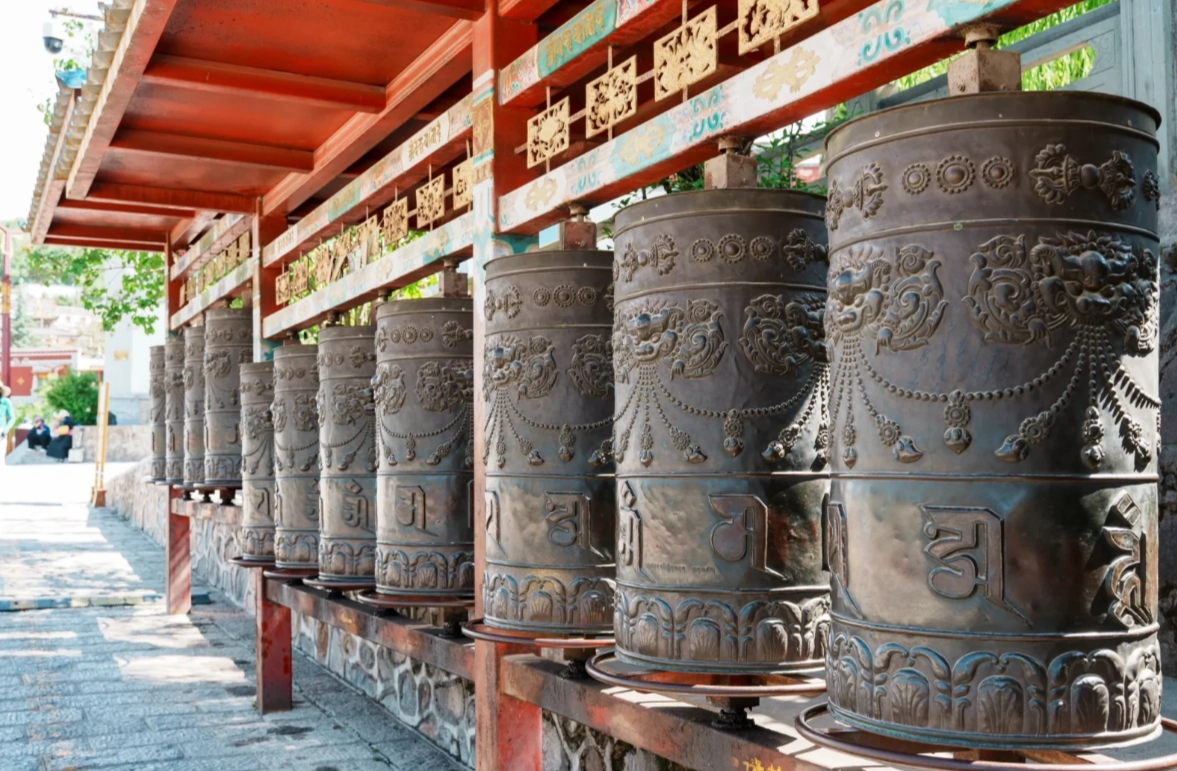
Getting to Xining: Flights, Trains & Buses
By Air
Xining Caojiabu International Airport (XNN) has direct flights from Beijing (2h), Shanghai (3h), Chengdu, Xi'an, and a few international routes from Seoul and Hong Kong. Taxi to city center costs around 80-100 RMB and takes 30-40 minutes. There is also an airport bus line 1 (20 RMB) that drops you at the central bus station, but it stops running after 8 pm.
By High-Speed Rail
This is my favorite way to enter Xining. The Xining Railway Station is modern and well-connected. High-speed trains from Xi'an take about 4.5 hours (550 RMB second class), from Lanzhou only 1.5 hours. If you're coming from Beijing, the fastest train takes around 9 hours, but the scenery as you cross the Loess Plateau is spectacular. Book tickets on 12306.cn at least two weeks ahead for summer peak.
By Long-Distance Bus
Buses from Lanzhou (3-4h, 80 RMB) or Zhangye are an option if you're on a tight budget. But honestly, the bus ride is bumpy and less comfortable. I only recommend it if the train is sold out.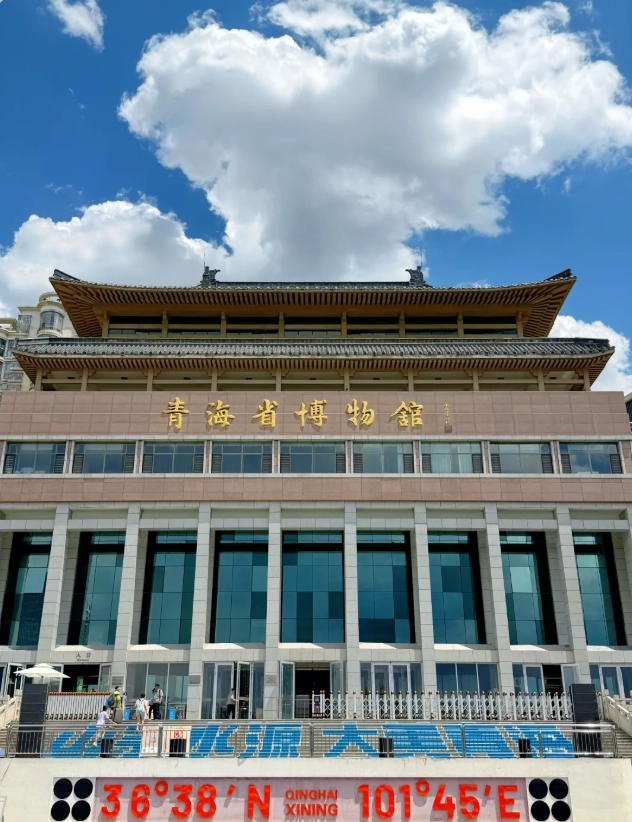
Best Time to Visit Xining
Summer (June to August) is the golden window. The weather is warm (15-28°C), Qinghai Lake is spectacular, and the city is lively with festivals. July is particularly beautiful because of the rapeseed flower fields around the lake. But here's the catch: July is also peak domestic tourism. I've seen queues at the Qinghai Lake ticket gate stretch over 100 meters. To avoid that, go on a weekday and arrive at the lake by 8 am.
Spring (April-May) and autumn (September-October) are colder but less crowded. If you come in late September, the golden trees along the Huangshui River are stunning. Winter (November-March) is freezing (often below -10°C) and many attractions close or have limited hours. I don't recommend winter for first-timers unless you're after snow landscapes and empty temples.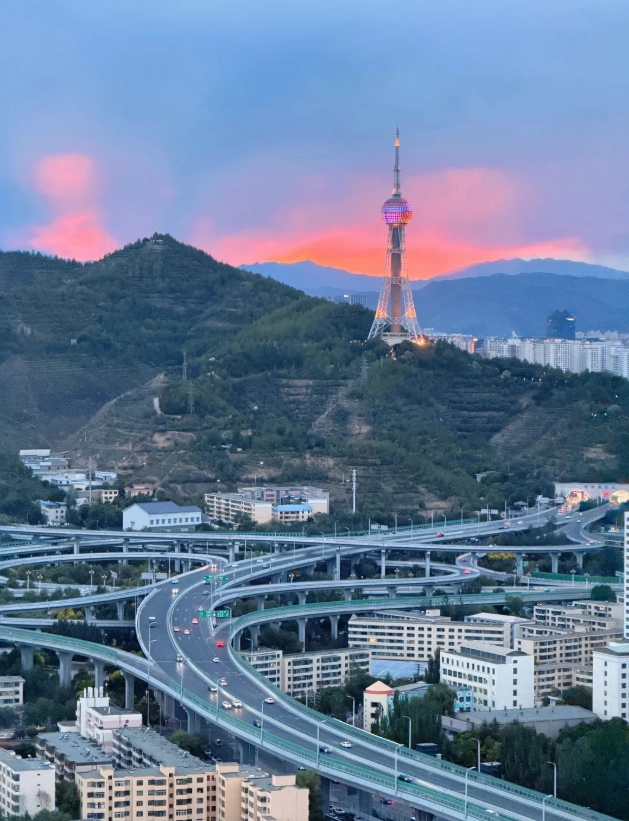
| Season | Temperature | Crowds | What to expect |
|---|---|---|---|
| Summer (Jun-Aug) | 15-28°C | Very busy | Best for Qinghai Lake; book hotels early |
| Spring (Apr-May) | 5-18°C | Moderate | Dusty but cheap; some attractions closed |
| Autumn (Sep-Oct) | 5-20°C | Low-moderate | Beautiful autumn colors; comfortable for hiking |
| Winter (Nov-Mar) | -10-5°C | Very low | Cold; many restaurants close early |
Getting Around Xining: Metro, Taxi & Didi
Xining has one metro line (Line 1) which runs east-west and covers most major areas: from Railway Station to City Center (Dongguan) and further west to the Qinghai Provincial Museum. The metro is cheap (2-5 RMB) and English signs are clear. But be warned: the metro closes at 10:30 pm. After that, you'll need Didi (Chinese Uber) or taxis.
For short trips, I always use Didi. The app has an English version now, though not all drivers understand it. A 5-km ride costs about 15 RMB. Taxis are also easy to flag down, but many drivers refuse the meter and demand a fixed price. If you see a taxi with a green light on the dashboard, it's available. Always ask for "dǎ biǎo" (use the meter) before getting in. If they say no, just walk away — there will be another one in a minute.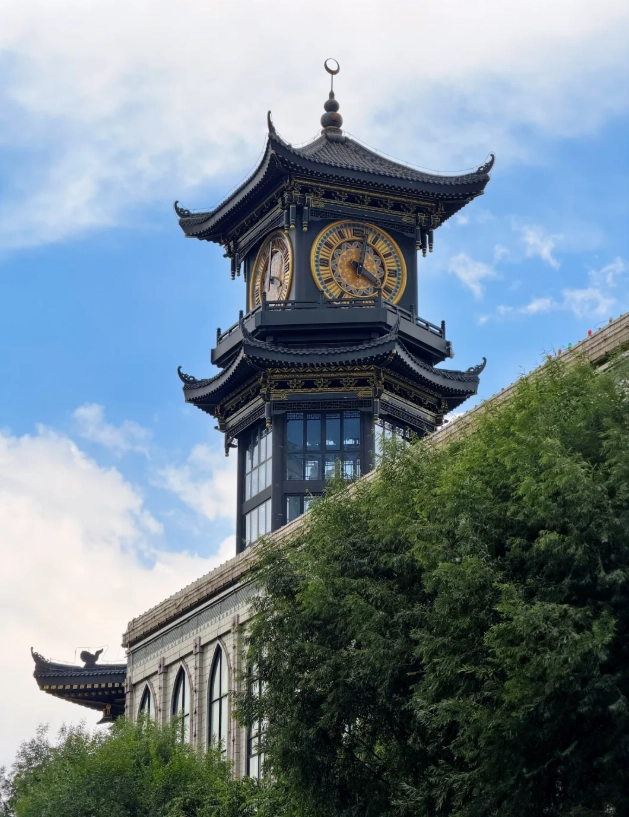
Where to Stay in Xining
For first-time visitors, I recommend two areas: the Dongguan Mosque District (east city) for foodie culture, or the Wusi Street/People's Square area (west) for modern shopping and easier access to buses for Qinghai Lake. Here are three handpicked hotels I've personally stayed in with guests: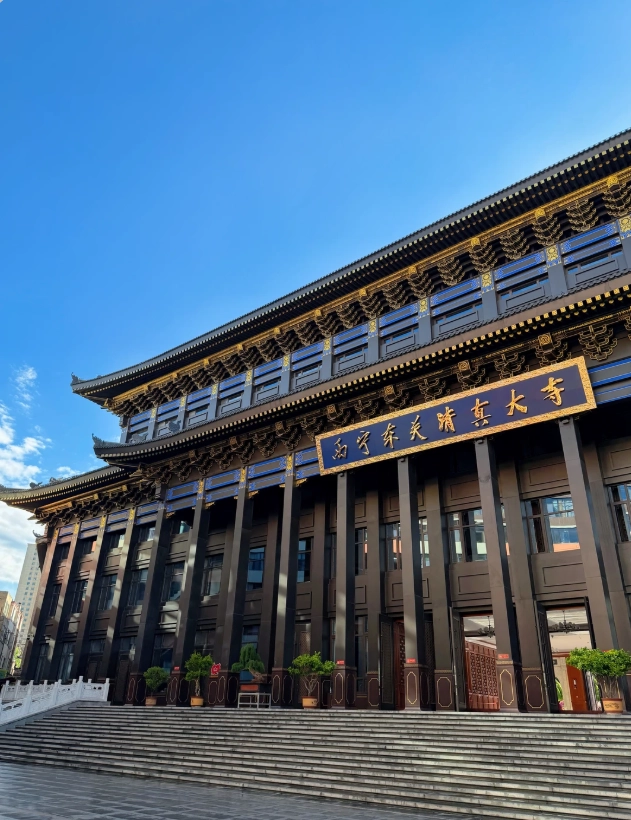
| Hotel Name | Area | Price Range (per night) | Best For | Key Details |
|---|---|---|---|---|
| Holiday Inn Xining Downtown | Wusi St (West) | 400-600 RMB | Business & families | English-speaking staff, strong Wi-Fi, buffet breakfast |
| Xining Fortune Hotel | Dongguan (East) | 250-400 RMB | Budget travelers & food lovers | Walking distance to mosque & night market; basic but clean |
| Empark Grand Hotel Xining | Near Railway Station | 300-500 RMB | Early train departures | Free shuttle to station; has elevators (rare in old buildings) |
What to Eat in Xining (Don't Leave Without Trying These)
Xining's food is a mashup of Muslim Hui cuisine with Tibetan influences. The signature dish is hand-pulled noodles (lamian) with beef broth and chili oil. But don't stop there. Here are my must-try spots:
Maloudong Beef Noodles — Address: 44 Dongguan Street. A bowl costs 15 RMB, and the soup is simmered for 8 hours. I always order the "wide belt" noodles with extra tripe. Be prepared for a lunch rush between 12-1 pm; the queue moves fast, though.
Dejiao Xining Restaurant — Address: 57 Wusi Street. Famous for yak meat hot pot. The broth is light but rich, and they offer a dipping sauce station with more than 20 kinds of spices. Average 80-100 RMB per person. They accept WeChat Pay but not foreign cards. Show them a picture menu; the staff is used to foreigners.
Mo Jia Jie Night Market — Open from 6 pm to midnight. Try the grilled lamb skewers (10 RMB for 5), deep-fried milk (a local snack), and the yogurt drink (3 RMB). Hygiene is decent but use your own wet wipes. Cash only for most stalls.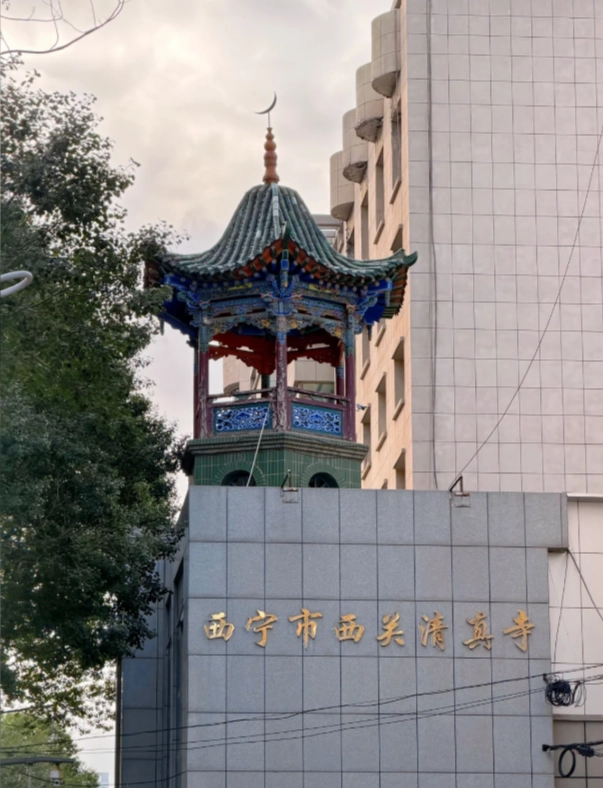
Top Attractions in Xining & Nearby
Within the City
Dongguan Mosque — Free entry. One of the largest mosques in China, originally built in the Ming dynasty. Non-Muslims can enter the courtyard but not the prayer hall. Best visited around 10 am or 4 pm to avoid heat. The architecture combines Chinese and Arabic styles — a rare blend.
Qinghai Provincial Museum — Entry: 30 RMB (free for under 18 and over 65). Exhibits on the Silk Road and Tibetan culture. Allow 2 hours. There's a small cafe inside that sells surprisingly good coffee. Closed on Mondays.
Kumbum Monastery (Ta'er Monastery) — Located 25 km south in Huangzhong County. Ticket: 80 RMB. This is the most important Tibetan Buddhist monastery outside Lhasa. Highlights: the butter sculpture hall and the golden stupa. To get there: take bus 909 from Xining Railway Station (45 minutes, 5 RMB) or Didi (80 RMB). I recommend going with a local guide — the monastery's history is complex and signs are in Chinese.
Day Trip to Qinghai Lake
Qinghai Lake (Qinghai Hu) is a must. It's about 150 km west of Xining, a 2.5-hour drive. The lake is massive — you could drive around it in one day (360 km loop). But most visitors head to the south side where the scenery is best.
Getting there: Join a group tour from Xining (around 300 RMB per person, includes bus and basic lunch) or rent a private car (600-800 RMB for a day). I've had good experiences with Klook tours; they usually include English-speaking guides. If you go independently, the bus from Xining's new west bus station to Erlangjian Scenic Area costs 50 RMB and runs hourly from 7 am to 3 pm.
Admission: 100 RMB at Erlangjian area. But there are free public access points along the lake. I always take my groups to a less crowded spot near Heimahe (Black Horse River), about 50 km west of Erlangjian. The view is nearly the same, and you avoid the selfie-stick crowds. Ask your driver to stop there.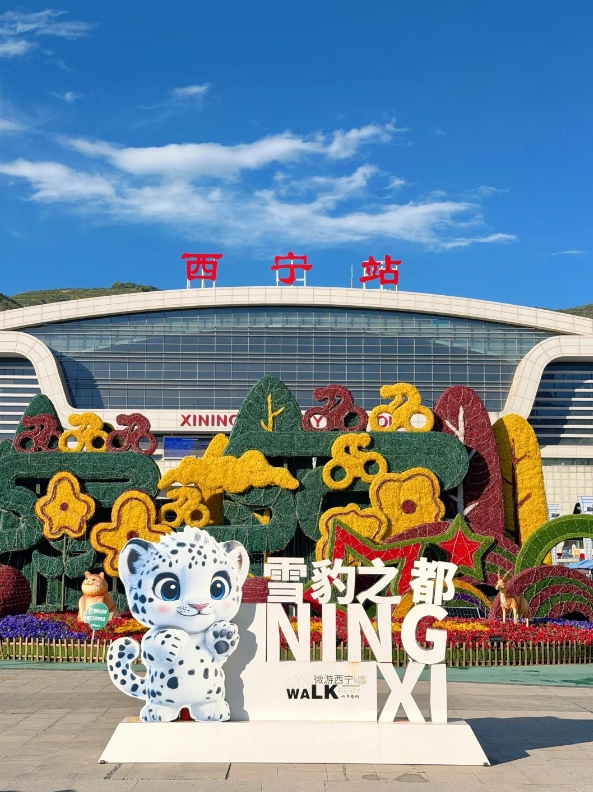
Sample Itinerary: 3 Days in Xining
Let me illustrate with a realistic scenario. Suppose you arrive at Xining Railway Station on a Monday morning. Here's how I'd plan your time.
Day 1 – Arrival & Acclimatization
10:00: Arrive at Xining Station. Take metro to Dongguan. Check into Xining Fortune Hotel. Drop luggage.
12:00: Lunch at Maloudong Beef Noodles. Walk around the mosque after.
14:00: Visit Qinghai Provincial Museum (take metro to museum stop). Spend 2 hours.
16:30: Rest at hotel. Drink plenty of water. Avoid alcohol.
18:30: Dinner at Mo Jia Jie Night Market. Try lamb skewers and yogurt.
Day 2 – Kumbum Monastery & City Exploration
08:00: Bus 909 from Railway Station to Kumbum Monastery (45 min). Arrive by 9 am, before crowds.
12:00: Simple lunch near monastery (try the momo dumplings).
14:00: Back to Xining. Visit Dongguan Mosque again if you missed details. Or explore the old city alleys near Beishan Hill.
18:00: Dinner at Dejiao Hot Pot. Try yak meat.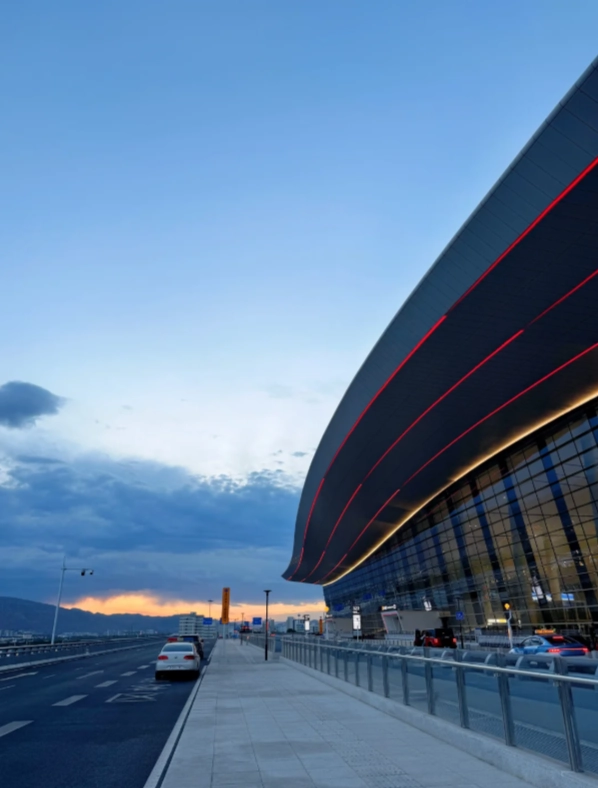
Day 3 – Qinghai Lake Day Trip
06:30: Join a Klook tour or private car. Depart from hotel.
09:00: Arrive at Qinghai Lake. Photograph the lake and the rainbow mountains. If your tour goes to the free access near Heimahe, even better.
12:30: Lunch at a local restaurant (the tour usually includes a simple box lunch).
15:00: Start returning to Xining. Traffic can be heavy on weekends, so leave early.
18:00: Back in Xining. Grab a quick dinner near your hotel. Pack for departure next day.
If you have only 24 hours: Skip Kumbum and do a fast Qinghai Lake day trip (leave at 5 am, return by 6 pm). I've done this with clients — it's tiring but doable. Make sure to get an early dinner and sleep early for the next day.
Frequently Asked Questions
Verified and fact-checked by the editorial team. This content has been fact-checked to ensure informational precision.





I'm a budget traveler who hates tourist traps, and this article nailed it. Every recommendation—from the cheap guesthouse near the train station to the hole-in-the-wall restaurant serving the best hand-pulled noodles—was spot on. The crowd-avoidance strategies (like visiting the Tibetan Cultural Museum on a weekday) were pure gold. Already planning my second trip using this guide again.
As a solo backpacker, this article was a lifesaver! I followed the itinerary for a 5-day trip and saved nearly 40% compared to what my friends spent on tours. The tip about buying a student discount card even though I'm not a student? Worked like a charm. And the advice to visit the Qinghai Lake at sunrise—absolutely worth the early wake-up. No crowds, just peace.
Honestly, I was a bit disappointed. The article promised a crowd-free experience, but when I arrived at the Dongguan Mosque in late July, it was packed. The money-saving tips were just common sense—booking hostels instead of hotels, eating street food. Nothing new. Also, one of the recommended noodle shops had closed down. Not terrible, but I expected more insider knowledge.
Great article overall! The suggestions for off-peak timing really helped me enjoy the Ta'er Monastery without the usual selfie-stick chaos. However, I wish there was more detail about the local bus routes—I ended up taking a taxi for one leg because I couldn't figure out the schedule. Still, a solid guide and worth reading before you go.
I read this article before my trip and followed the tips closely. The advice on taking the overnight bus to save accommodation costs worked perfectly, and the hidden gem restaurants listed were fantastic. Only downside: the map links in the article were outdated. Still, saved me a ton of money and helped me avoid the worst crowds at Qinghai Lake. Highly recommend!