 Peng Gao
Three hours? Two? I once saw a couple sprint through the whole museum in 45 minutes — they told me they were “done” and looked totally lost. Don't be that person.
Here is the honest truth about how long to spend at Qinghai Provincial Museum: if you move at a normal pace (not rushing, not lingering) you need about 2 to 2.5 hours. That covers the main halls, a bathroom break, and a stop at the gift shop. But the real answer depends on what you want to see and when you go – which is exactly where most online tips fail.
Let me save you the headache. Forget the generic “3-hour” advice you see on travel sites. I'll break down the exact time budget, the crowd patterns, and the exhibits that actually deserve your attention.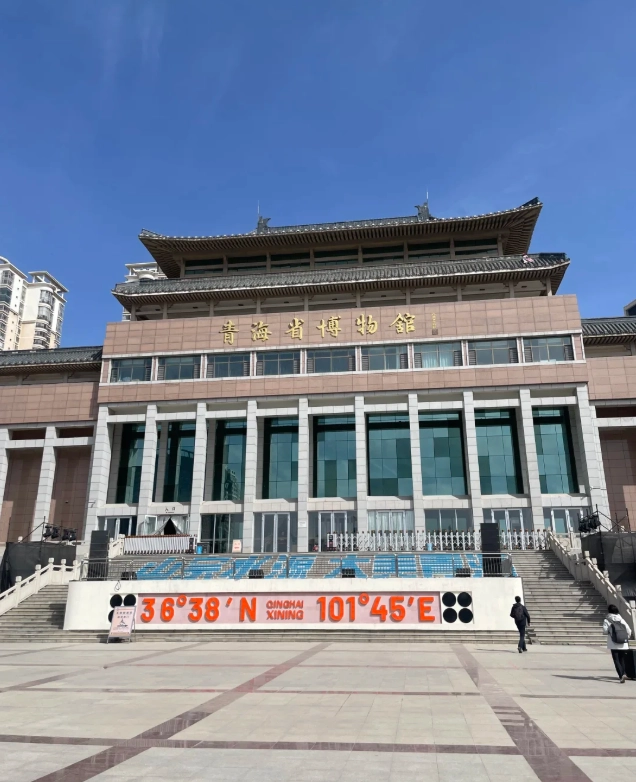
Why the Right Time Matters More Than You Think
The museum is in Xining, a city at 2,200 meters altitude. Your energy isn't the same as at sea level. I've guided dozens of visitors who felt dizzy after standing for too long in the first hall. If you allocate too much time, you'll be exhausted; too little, you'll miss the best pieces.
Also, this isn't a tiny local collection. Qinghai Provincial Museum spans three floors with over 20 exhibition halls. The permanent collections cover Tibetan Buddhist art, prehistoric pottery from the Neolithic period, and the unique ecology of the Qinghai-Tibet Plateau. You can't just walk in and out in an hour.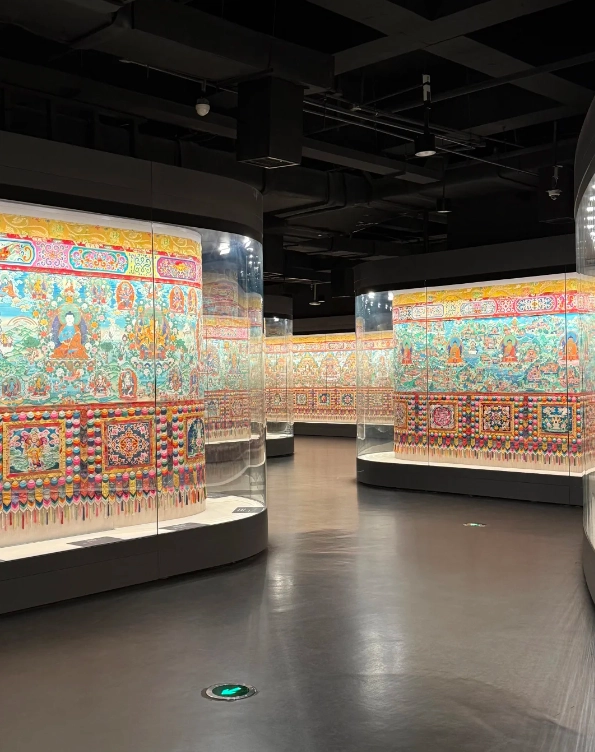
The Exact Time Budget I Recommend
Here's a table based on your style – pick the column that fits you.
| Visitor Type | Recommended Time | What You'll Cover | Best For |
|---|---|---|---|
| Quick glance | 1 – 1.5 hrs | Ground floor + a quick walk through the Tibetan hall on 2F | If you're short on time or just want a photo check |
| Standard visit | 2 – 2.5 hrs | All permanent exhibitions (3 floors), moderate reading of labels, one bathroom stop | Most travelers – this is what I typically recommend |
| Deep dive | 3 – 4 hrs | Every hall + temporary exhibitions + listen to the audio guide (if available) + gift shop | Art history lovers, photographers, or if you research exhibits beforehand |
My sweet spot: 2 hours 10 minutes. That's enough to see everything important without hitting the wall. I always tell groups: start at 9:30 AM (right after opening) and you'll be out before the school groups flood in around 11 AM.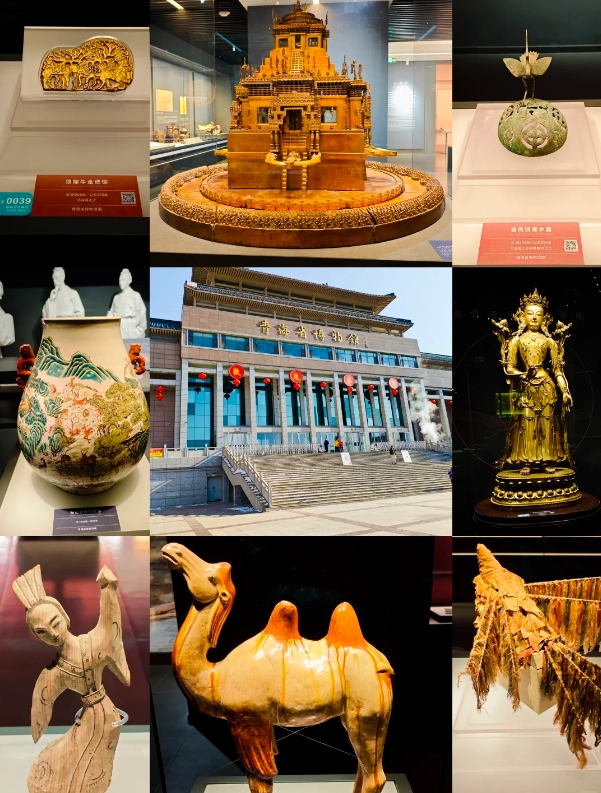
How to Avoid the Worst Crowds at Qinghai Museum
Here is a non-obvious fact: the museum is free (yes, free entry), but you need to reserve a ticket online through WeChat. And the crowd distribution is brutal if you pick the wrong hour.
- Avoid 10:00 – 12:00 – that's when tour groups arrive. The main corridor on the second floor becomes a bottleneck.
- Best time: 9:00 – 10:00 right at opening. Less than 50 people inside.
- Mid-afternoon: 14:00 – 15:30 is also quiet because most tourists are having lunch or napping.
- Monday closed – yes, like many Chinese museums, it's closed on Mondays (except public holidays).
Must-See Exhibits (and Which to Skip)
Non-negotiable: The Tibetan Buddhist Sculpture Hall (2F)
This is the museum's crown jewel. Life-sized clay statues, intricate mandalas, and a preserved meditation cave. I spend 25 minutes here every time. The details on the robes are mind-blowing. Don't rush through it.
Don't skip: The Prehistoric Pottery (1F)
Pottery from the Majiayao culture (over 4,000 years old). The painted patterns look like modern abstract art. The labels have English translations, which is rare in provincial museums.
Worth a glance: The Natural Ecology Hall (3F)
It's interesting for kids – stuffed animals, dioramas of Qinghai's mountains. You can cover it in 15 minutes. If you're short on time, skip it.
What I'd skip if you're in a hurry: The Temporary Exhibition Hall (1F, left wing)
Often features changing art shows that are hit or miss. Unless you see a poster with something you love, walk past.
Practical Tips for Foreign Visitors
Now the stuff that makes or breaks your visit.
- Ticket booking: You need to book via the WeChat mini-program “青海省博物馆”. It's entirely in Chinese. Here is the catch – I always ask my clients' hotel receptionist to do it. Most Xining hotels are used to this request. If you can't, bring your passport and try the on-site machine (English interface, but limited hours).
- Payment: Your Visa or Mastercard won't work here. Bring cash (RMB) for the gift shop or cafe. The museum is free, but snacks and souvenirs are not.
- Audio guide: There are handheld audio guides with English narration. Deposit 100 yuan (cash) or leave your passport. The commentary is decent but a little dry. I prefer reading the English placards.
- Restrooms: The ones on the second floor near the Tibetan hall are cleaner. The ground floor restroom often runs out of toilet paper – carry tissues.
- Transport: The museum is at 15 Qixian Road, in the city center. Taxi from anywhere in Xining costs around 10-20 yuan. If you use Didi (Chinese Uber), type 青海省博物馆. The nearest bus stop is “Provincial Museum” – lines 1, 9, 35 stop there.
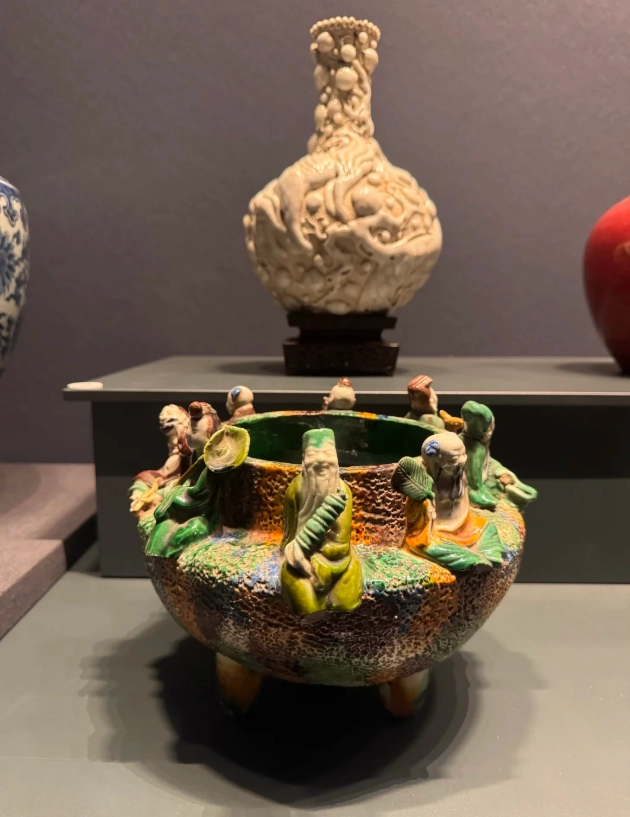
My Suggested Route for a 2-Hour Visit
Follow this to maximize time and avoid backtracking.
- Start on the second floor (the Tibetan gallery) – because it's the most impressive, and you'll have fresh eyes. Spend 25 minutes.
- Move to the third floor (natural ecology + a small ethnic minority exhibit). 20 minutes max.
- Descend to the first floor and see the prehistoric pottery hall. 30 minutes.
- Last 10 minutes – walk through the temporary hall (if it's intersting) or browse the gift shop. They sell replica pottery and Tibetan prayer flags.
- Total: about 1 hour 45 minutes. Add a bathroom break (5 min) and a drink from the vending machine (5 min) and you're at 2 hours.
If you have extra time, re-visit the Tibetan hall – I always notice something new on a second pass.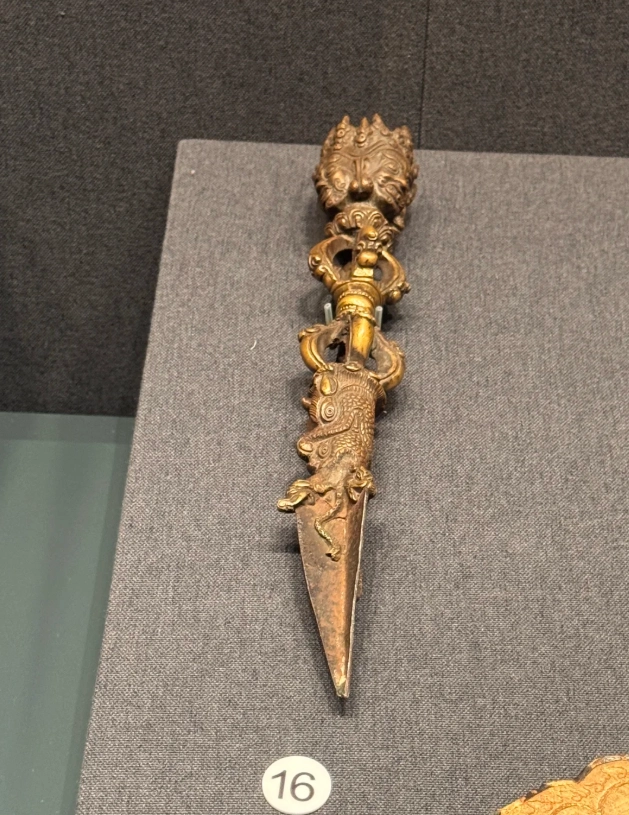
Frequently Asked Questions
Verified and fact-checked by the editorial team.






I spent a lovely, quiet two hours here. The museum is not huge but it’s packed with interesting stuff—the dinosaur fossils from the Qaidam Basin were a surprise highlight. I also appreciated that there were benches everywhere to sit and take notes. The gift shop has reasonably priced postcards and replica trinkets, which I thought was nice. The only reason it’s not a 4 is because the lighting in some galleries flickered a bit, but otherwise a fantastic experience. Truly underrated museum.
Best cultural stop in Xining, hands down. I’m not usually into museums, but this one changed my mind. The layout is intuitive, the audio guide (rental is cheap) gives great context, and the highlight for me was the collection of nomadic jewelry—so intricate and well preserved. I arrived right at opening time and had no crowds at all. Perfect activity for a rainy afternoon. Five stars, highly recommend for any traveler wanting to understand Qinghai’s history.
Absolutely loved this museum! The exhibition on the ancient Silk Road route through Qinghai is incredibly well done—beautifully lit displays with real coins, silk fragments, and maps. I went on a weekday afternoon and had the whole second floor to myself. The staff at the front desk even pointed me to a temporary exhibit on local Buddhist art that was stunning. Easy to spend 2-3 hours here without rushing. Don’t miss the giant bronze drum on the ground floor!
Pretty decent for a provincial museum. I liked the section on Qinghai‘s ethnic diversity—the clothing and tools from different minority groups were really colorful. It’s not massive, so you can get through everything in about 90 minutes. My only gripe was that the cafe ran out of water bottles by noon and the staff didn’t seem too bothered. Still, entry is cheap and the building is clean. I’d give it a solid 4 if they improved the amenities a bit.
The museum itself is well laid out and has some fascinating artifacts, especially the Tibetan thangkas and the prehistoric pottery. But honestly, the signage in English is so sparse and often unhelpful that I spent more time guessing what I was looking at than actually enjoying the exhibits. If you don’t read Chinese, bring a translation app. Also, the air conditioning was barely working on a hot day, which made the experience less comfortable. Worth an hour if you’re in the area, but don’t go out of your way.