 Hong Ma
What You'll Get Here
Last month I took a family from the UK through the Qinghai Provincial Museum. The dad kept muttering about “another museum,” but two hours later he was the one dragging everyone to see the Tibetan thangka again. That's the thing — this museum doesn't look like much from the outside, but the stuff inside is world-class. Here is the real deal, no tourist brochure nonsense.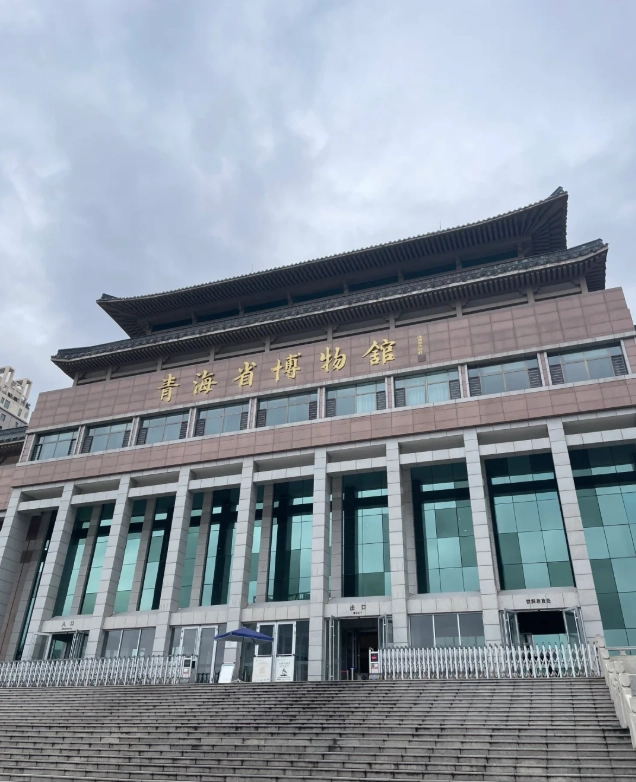
Quick Facts (Don't Skip)
| Item | Details |
|---|---|
| English Name | Qinghai Provincial Museum |
| Chinese Name | 青海省博物馆 (Qīnghǎi Shěng Bówùguǎn) |
| Address | 60 Xi Guan Street, Chengxi District, Xining, Qinghai |
| Opening Hours | 09:00–16:30 (last entry at 16:00); closed Mondays (except public holidays) |
| Ticket Price | Free for all visitors (but you MUST reserve in advance) |
| Reservation | WeChat mini-program “青海省博物馆” or official website (QR code at entrance doesn't work on mobile — see below) |
| Best Time to Visit | Tuesday–Thursday, after 14:00 (school groups leave by 15:00) |
Ticket Booking (The Annoying Part)
Here's the catch: the official WeChat mini-program is entirely in Chinese. Even I struggle with the tiny buttons. Most foreigners end up stuck at the “real-name verification” step because they don't have a Chinese phone number or ID. My workaround? Ask your hotel front desk to do it for you. They'll need your passport number and nationality — takes 2 minutes. If you're a solo traveler, try the official website (www.qinghaimuseum.com) which has a basic English interface, but it's glitchy.
Must-See Exhibits (My Personal Favorites)
You don't need to see everything. Focus on these three, and you'll leave with the real story of Qinghai.
The Tibetan Thangka Collection (2nd Floor, Hall 4)
This room stops me every time. They have a set of 13 thangkas from the 15th century, each 3 meters tall. The colors — made from crushed gemstones — still look like they were painted yesterday. I always tell my groups: stand 2 meters back to see the composition, then step up 30 cm to catch the tiny gold leaf strokes. The lighting is dim for preservation, so don't bother with photos; your phone won't capture it anyway.
Qinghai on the Silk Road (3rd Floor, Hall 6)
This section has a stunning Tang dynasty silver wine jug with a camel-shaped spout. It was found in a tomb near the Qinghai-Tibet highway. The real gem, though, is a set of wooden travel permits from the 6th century — basically ancient visas. Check the small cabinet on the left; most visitors miss it. The English captions here are decent, but I still translate a few characters for my groups.
Ethnic Minorities Hall (2nd Floor, Hall 3)
Don't leave without seeing the full-size replica of a Tibetan nomad tent and the intricate headdresses from the Tu people. There's also a video loop showing a traditional wedding — yes, it's cheesy, but it gives you a feel for the music and dance. The mannequins are a bit creepy, though. I sometimes joke with my clients: “They're just shy.”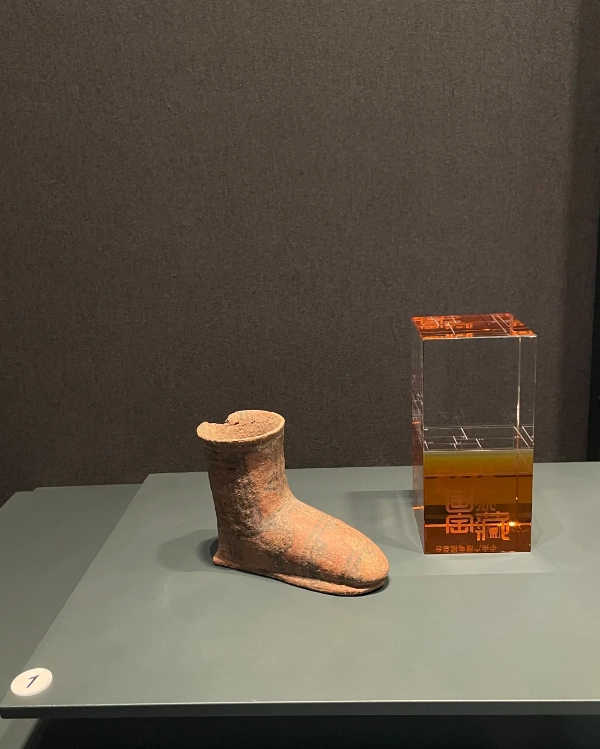
5-Hour Visit Timeline (With Real Crowd Data)
I've timed this based on dozens of visits. Use it as a baseline, adjust if you're a slow reader or have kids.
| Time | Activity | Notes |
|---|---|---|
| 13:45 | Arrive at museum entrance (north side) | Use the side door on Xiguan Street — the main door has a long queue even at off-peak. |
| 14:00 | Enter after security check | No liquids allowed (empty water bottle okay). Bags go through X-ray. |
| 14:10–15:00 | 2nd Floor: Thangka + Ethnic Minorities Hall | Start with Thangka (Hall 4) — it's the highlight and least crowded early. |
| 15:00–15:40 | 3rd Floor: Silk Road + Qinghai history | Use the stairs at the east end; the elevator sometimes skips floor 3. |
| 15:40–16:00 | 1st Floor: Temporary exhibition (if any) | Often a photo exhibition — skip if short on time. |
| 16:00 | Gift shop + exit | The shop sells decent postcards and replica Tang dynasty figurines. Credit cards accepted. |
Getting There (And Where to Get Off)
The museum is in the heart of Xining, close to the city center. Public transport is easy. By bus: take routes 1, 2, 7, 9, or 23 to “Xiguan Street” stop. From there, walk 200 meters north. Look for a gray building with a red banner — that's it. By taxi: from the train station (Xining Railway Station) it's about 15 minutes and costs 12–15 RMB (meter). Show the driver the Chinese name above. By metro: there's no metro to the museum yet. The nearest metro stop (Line 1, Sanguo Renmin Stop) is still 1 km away — I don't recommend it.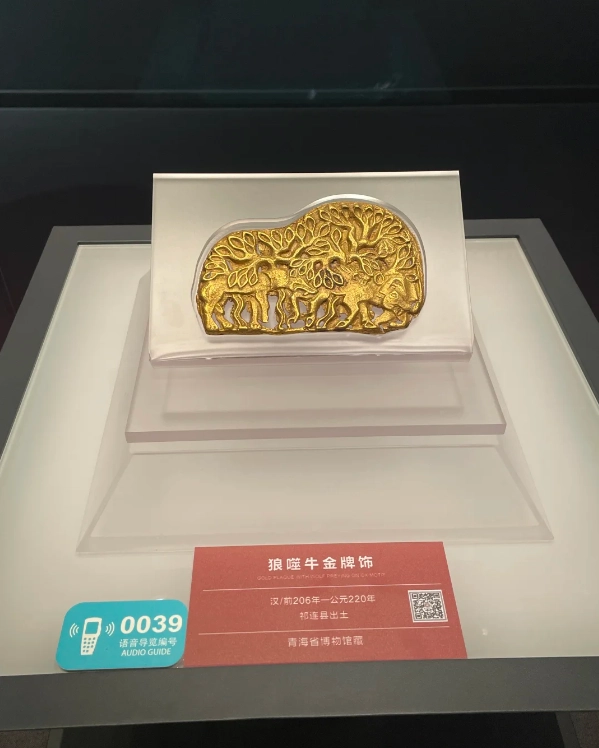
Inside the Museum (What Guides Won't Tell You)
Now, the stuff you won't read on any official website.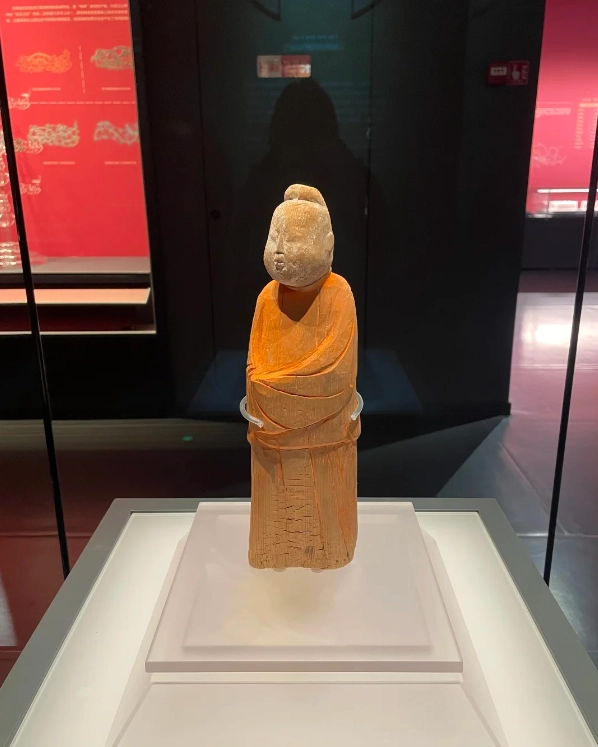
Audio guide: they offer a handheld device for 20 RMB. Skip it. The device is outdated (looks like a 2005 MP3 player) and the narration sounds like a robot reading a textbook. Instead, bring your own earphones and use the free Wi-Fi to search keywords. The museum has free Wi-Fi, but it's slow. I usually pull up Wikipedia pages on my phone.
Restrooms: the ones on the 2nd floor near the Thangka hall are clean but small. The 3rd floor restroom is larger and almost always empty. I always tell my groups to use the 3rd floor one.
Photography: No flash allowed, but regular photos are okay. Guards sometimes yell if you point your camera too long at a painting. Just smile and move on.
Temperature: The museum is not well heated in winter. Layers are your friend. Summer is fine.
Nearby food: exit the north gate and walk left for 100 meters. There's a small noodle shop (hand-pulled beef noodles, 15 RMB). Don't bother with the museum café — just instant coffee and expensive crackers.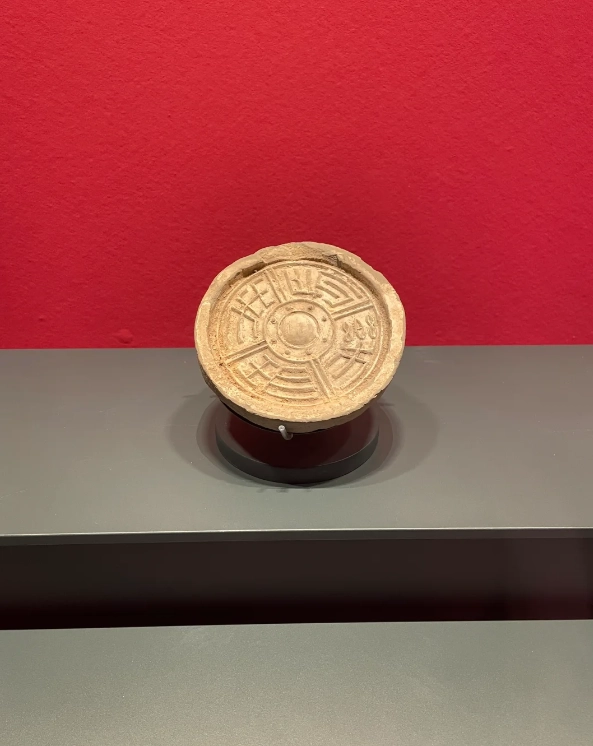
Frequently Asked Questions (Real Answers)
That's it. Qinghai Provincial Museum isn't a glamorous stop, but if you spend your time wisely, you'll walk away with a real understanding of the region's history — and maybe a few good photos you didn't have to fight for. Enjoy.





No comments yet.