 Peng Gao
Quick Look
“Is it worth it?” – I hear this every time I lead a group to Kumbum Monastery. Some clients stare at the golden stupa, speechless. Others check their watch after 20 minutes. Here's the thing: it depends on what you're after. But I'll give you my honest take after dozens of visits.
The short answer: yes, if you go prepared. The golden roofs, the butter sculptures, the sheer scale of Tibetan Buddhist art – it's unique. But the crowds, the ticket chaos, and the digital booking system can kill the magic. Let me save you the headaches I've seen my clients face.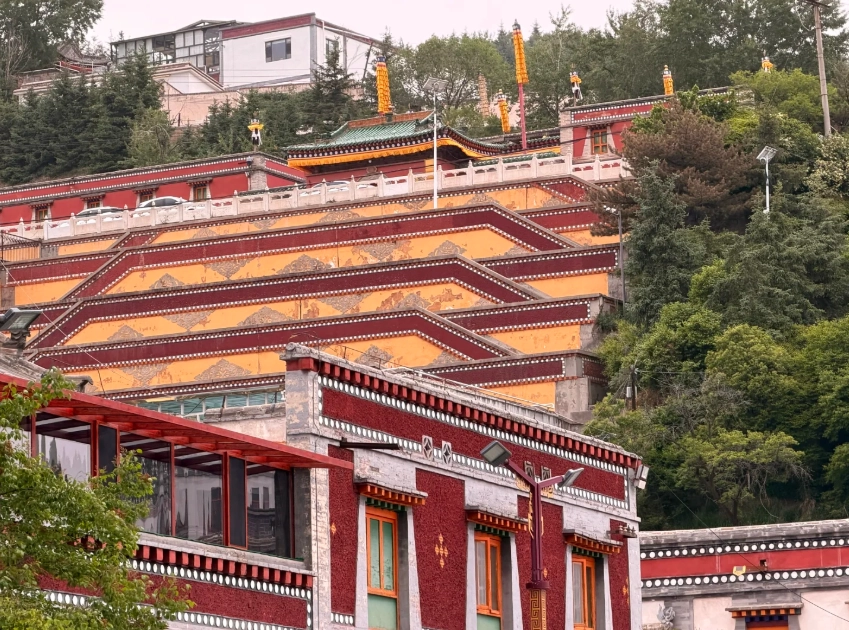
Why Most Travelers Ask: Is Kumbum Monastery Worth Visiting?
Because every guidebook says "must-see," but then you read reviews about overpriced souvenirs and packed halls. I get it. Kumbum (also called Ta'er Monastery) is one of the most important Gelug monasteries outside Lhasa. But being important doesn't always mean being enjoyable.
I've taken families, solo backpackers, and photography nuts. Those who loved it came with a plan. Those who hated it showed up at 11 AM on a Saturday with no idea about the ticket system. So yes, it's worth it – but you need to navigate it smartly.
What Makes Kumbum Monastery Special (And What Doesn't)
Let's start with the wow factor. The Grand Gold Tiled Temple (Dajinwa Hall) is covered in gold leaf – 1,000+ kg of it. Inside, a 26-meter-high silver stupa encrusted with jewels. I've seen travelers literally gasp when they walk in.
Then there's the Butter Sculpture Hall. These intricate sculptures made of yak butter, colored with natural pigments, are mind-blowing. But the room is dimly lit and can get stuffy with crowds.
What doesn't impress? The endless souvenir stalls lining the approach. They sell the same mass-produced prayer wheels and fake turquoise. I always tell my groups: don't buy anything until you exit – the real vendors are further out.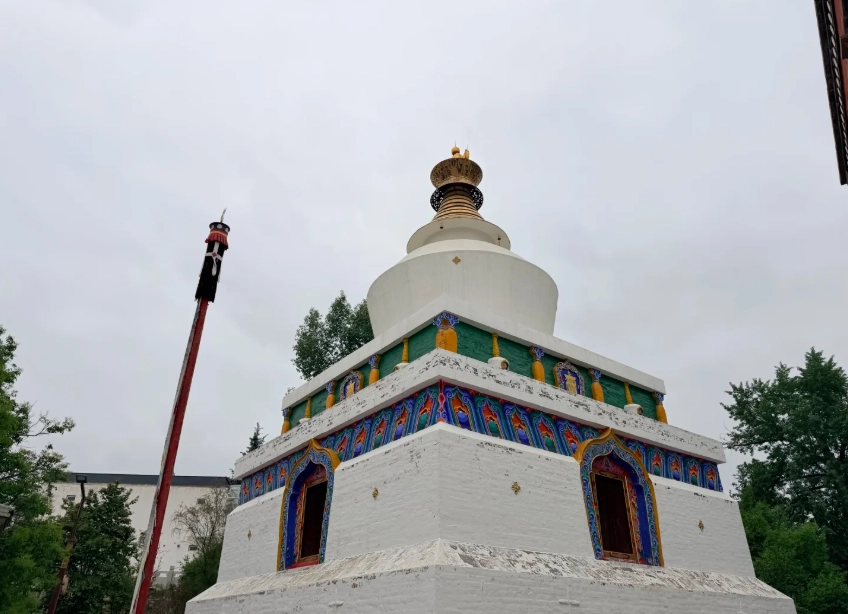
How to Get There Without Stress
Address: 25 Jin Ta Road, Huangzhong District, Xining, Qinghai Province.
From central Xining (around Mogao King Hotel area), you have three options:
- Taxi/Didi: About 40-50 minutes, 80-100 CNY. Ask the driver to drop you at the south gate – closer to the main halls.
- Bus 909: From Xining Railway Station (west square). 45 minutes, 4 CNY. Get off at "Tar Temple" stop, then walk 10 minutes uphill. But buses can be packed on weekends.
- Private tour van: Many hotels arrange shared vans for 50 CNY per person. Less flexible but hassle-free.
Pro tip: Avoid going between 10 AM and 2 PM – that's when tour buses from Lanzhou and Xining unload. Go early (first entry at 8 AM) or late (after 3:30 PM) for a quieter experience.
Ticket Booking: The Digital Maze
Here's where many foreigners get stuck. Kumbum Monastery now requires online pre-booking via WeChat mini-program (search "塔尔寺预约" – it's entirely in Chinese). Even I struggle to navigate it sometimes.
Ticket price: 80 CNY (adult), 40 CNY (students with valid ID), free for children under 1.2m and seniors over 70. No physical tickets – you scan your WeChat QR code at the gate.
If you can't get a QR code, there's a small ticketing office near the east gate, but they frequently say "sold out" when online quota is full. So pre-book, seriously.
Best Time to Visit (Crowd Calendar)
| Season | Opening Hours | Visitor Volume | My Rating |
|---|---|---|---|
| Spring (Apr-May) | 8:00–17:30 | Moderate | Good – flowers bloom, but cold winds |
| Summer (Jun-Aug) | 7:30–18:00 | Very crowded | Skip peak hours – go at 7:30 AM |
| Autumn (Sep-Oct) | 8:00–17:30 | Moderate to Low | Best – clear skies, fewer crowds |
| Winter (Nov-Mar) | 9:00–17:00 | Low | Quiet but cold – halls can be icy |
Golden hour for photography: 4:00-5:00 PM in autumn. The sun hits the golden roofs perfectly. But summer? The light is harsh and shadows from trees mess up your shots. I always bring a polarizer filter.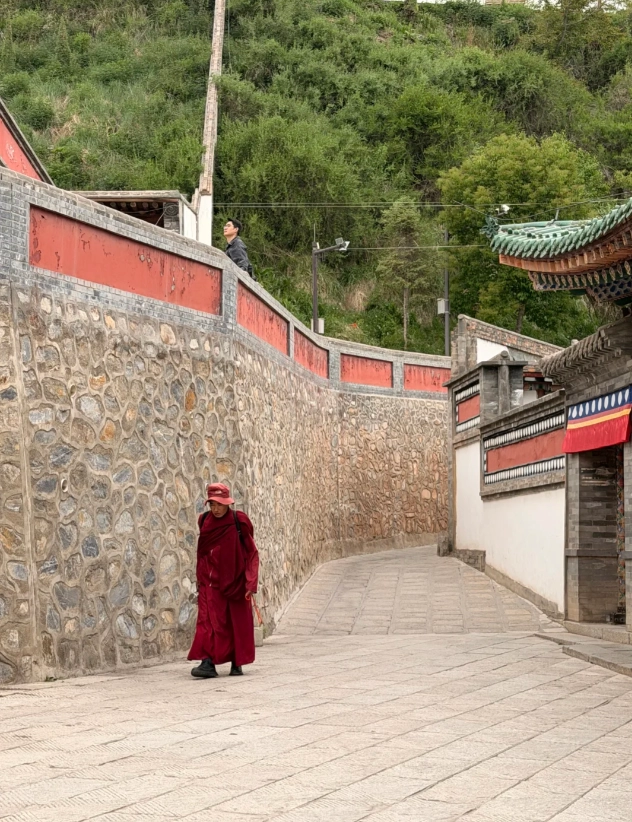
Inside Highlights: What You Can't Miss
The Grand Gold Tiled Temple
This is the heart of the monastery. The gold leaf work is stunning, but the real treasure is inside – the silver pagoda containing the remains of Tsongkhapa, the founder of the Gelug school. No photos allowed inside, so just absorb the moment.
Butter Sculpture Hall
These delicate sculptures take months to make and are replaced every year. They depict deities and scenes from Buddhist scriptures. The room is usually cold (to preserve the butter), so keep your jacket on.
The Eight Stupas
At the entrance square, eight white stupas commemorate the Buddha's life. Tourists love climbing on them for photos – but that's considered disrespectful. I always guide my groups to stand at a distance for a respectful shot.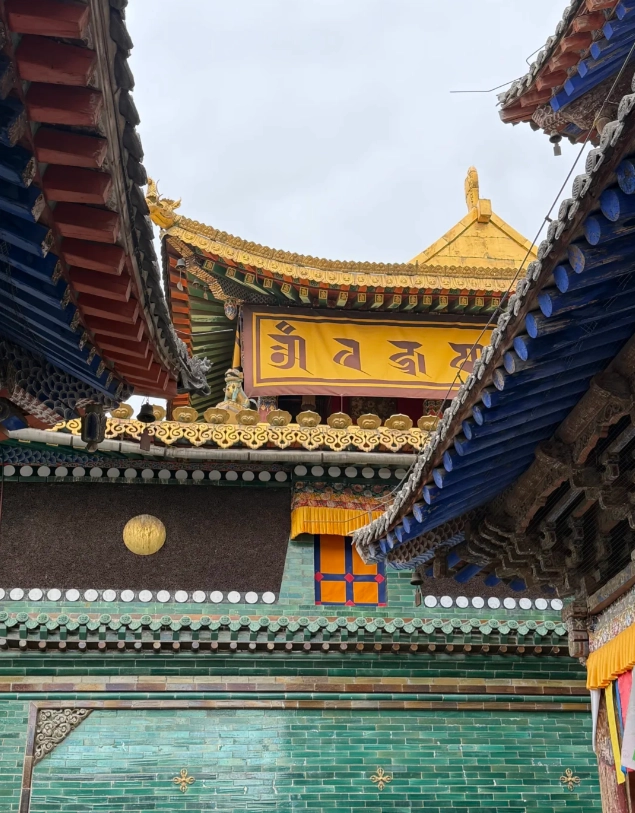
Common Tourist Traps & How to Skip Them
- "Blessing" scams: Monks near the side halls may offer to bless you, then demand a donation (100-500 CNY). Politely decline and walk away. Real blessings are free inside the main temples.
- Overpriced tea: Shops inside the monastery grounds charge 30 CNY for a cup of butter tea. Walk 3 minutes outside the east gate and get the same for 5 CNY.
- Prayer wheels: Vendors sell "authentic" prayer wheels for 150+ CNY. They're mass-produced in factories. If you want a real one, buy from the workshop next to the printing house (ask a local to point it out).
- Photo fees: There is no official photo fee inside, but some monks in smaller chapels may ask for 20 CNY to take pictures. It's not official – just a personal request. I skip those chapels.





No comments yet.