 Peng Gao
Quick Look
I've lost count of how many times I've walked through those gates. And every time, I see the same confusion at the ticket booth — foreign tourists fumbling with cash, frustrated at the lack of English signs. So let me save you the headache. Here's everything you need to know about Kumbum Monastery ticket price, how to buy them, and the little tricks that make your visit effortless.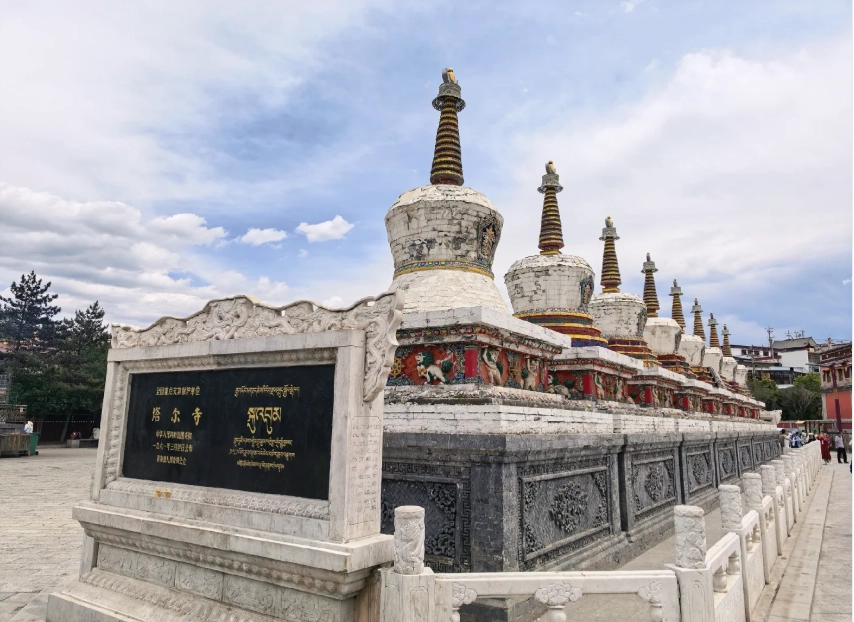
Current Ticket Prices
As of my last visit, the standard entry is 80 RMB for adults. But there are discounts you need to know about. Check the table below.
| Category | Price (RMB) | Notes |
|---|---|---|
| Adult (18-59) | 80 | Standard ticket |
| Student (with valid ID) | 40 | Half price; international student IDs sometimes accepted |
| Child (6-18) | 40 | Show passport or ID |
| Child under 6 | Free | No ticket needed |
| Senior (60+) | Free | Must show passport; age verified |
| Disabled visitors | Free | With valid disability certificate |
Important: these prices are for the monastery only. The adjacent museum and the butter sculpture hall have separate tickets (around 15-20 RMB each). I'd skip the museum unless you're a die-hard art fan — the butter sculptures are the real highlight.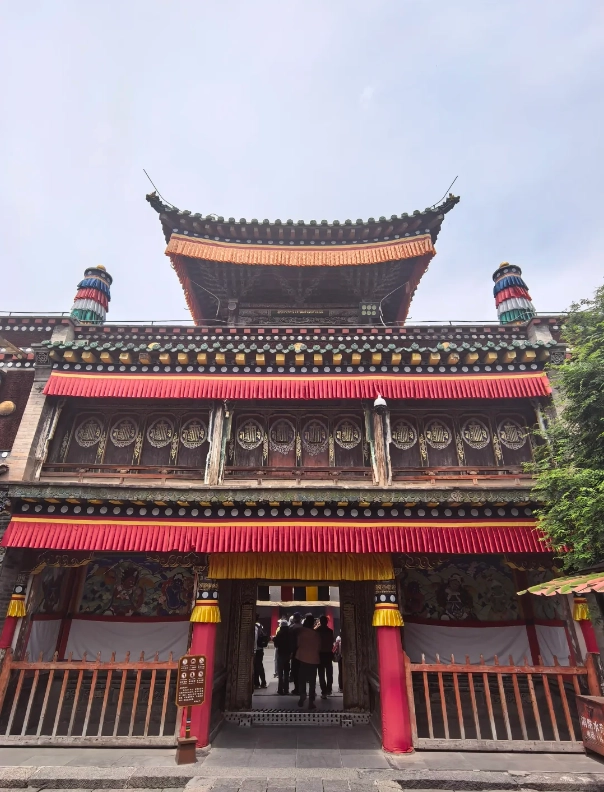
Where to Buy Tickets
Here's the part that trips up most foreign visitors. You have three options:
- On-site ticket window — Open 8:00-18:00. Cash only, and they don't accept foreign credit cards. Bring exact change if you can.
- WeChat mini-program — Search "塔尔寺" in WeChat. It's entirely in Chinese, but you can prepay with WeChat Pay or Alipay. If you're not set up with Chinese mobile payment, ask your hotel receptionist to help.
- Third-party platforms — Ctrip (Trip.com) sells tickets with a small markup (~85 RMB). They accept international credit cards. This is your safest bet if you're not using Chinese apps.
My advice? Don't bother buying in advance unless it's a major holiday (like Chinese New Year or October Golden Week). On regular days, the queue at the window is maybe 5 minutes. But if you're on a tight schedule, pre-booking on Trip.com saves the hassle.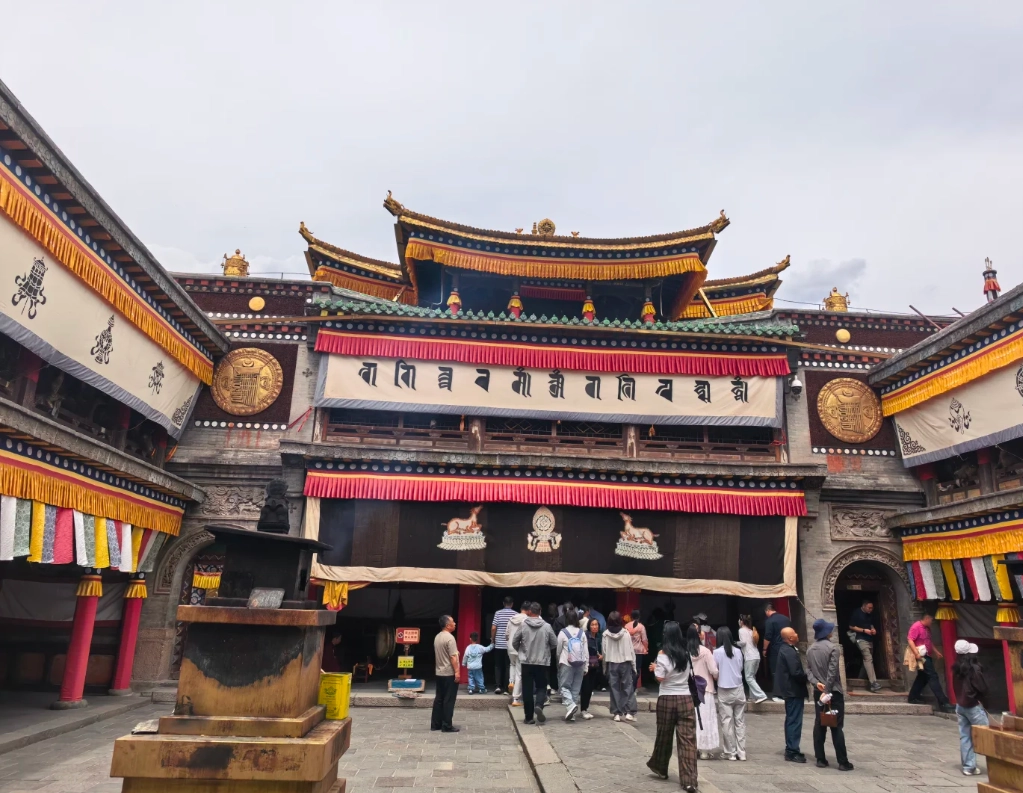
Opening Hours & Best Time to Visit
The monastery opens daily from 08:00 to 18:00. Last entry is at 17:30. But here's a real insider tip: the ticket booth closes at 17:00, so don't show up at 5:20 expecting to get in.
Best time to go? Aim for 08:00-09:00 right when it opens. The morning light is soft, the crowds are thin, and you can hear the monks chanting in the main hall. Avoid 11:00-14:00 — that's when tour buses dump hundreds of people, and the sun is brutal at 2,800m elevation. The afternoon from 15:00 onwards is also good, but you'll have less time before closing.
One more thing: the monastery closes during certain religious events. Check the local calendar or ask at your hotel before heading out.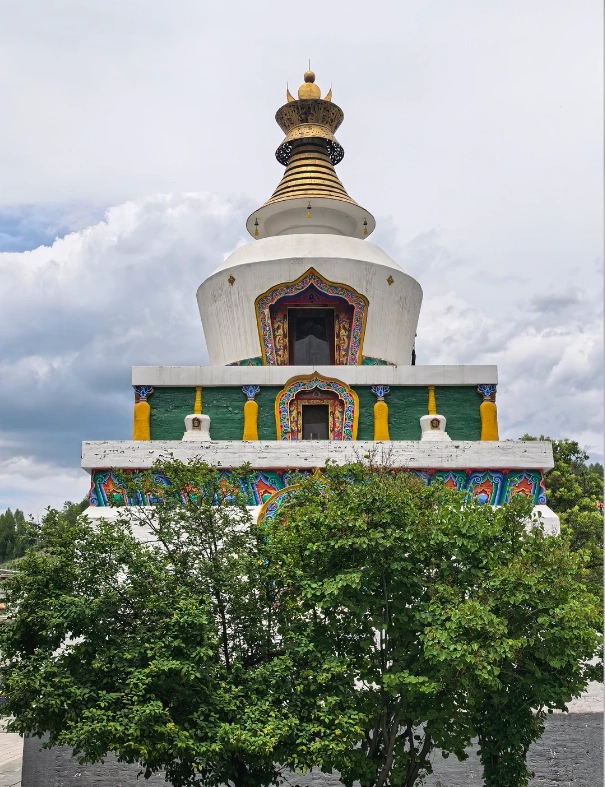
How to Get to Kumbum Monastery
The monastery is about 25 km southwest of Xining city center. Here's how I get my clients there:
- Bus 909 from Xining Railway Station — Direct, costs 4 RMB, takes about 1 hour. Get off at "塔尔寺" stop, then walk 500 meters uphill to the entrance. The bus can be packed, but it's cheap.
- Taxi or DiDi — From central Xining, around 60-80 RMB, 40 minutes. Show the driver "塔尔寺". Make sure they use the meter or agree on a price beforehand.
- Private car hire — If you're in a group, a round-trip private car costs about 200 RMB. This gives you flexibility to stop at other sights along the way, like the Qinghai Tibetan Culture Museum.
I always recommend taking bus 909 from the train station if you're solo. It drops you right at the foot of the hill, and the walk through the traditional Tibetan village is part of the experience. Just avoid rush hour (8:30-9:00 AM and 5:00-6:00 PM) — the bus gets crammed.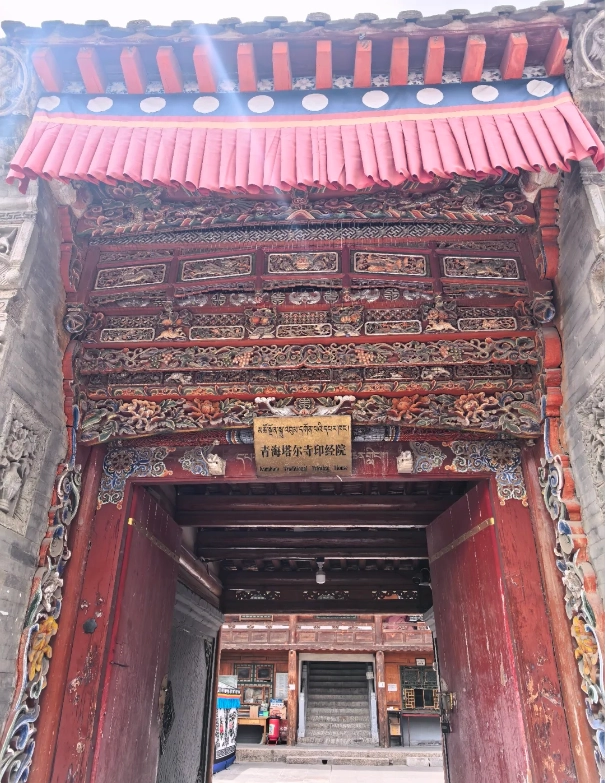
Insider Tips for a Smooth Visit
After dozens of trips, here's my shortlist of things most guides won't tell you:
- Cash is king at the ticket window. Even if you have Alipay, the window staff sometimes "can't process" mobile payments for foreigners. Bring 100 RMB in small bills.
- The bathroom situation. There's a public toilet just outside the ticket gate — use it before entering. The toilets inside are squat-style and get messy by midday.
- Photography rules. You can take photos in most courtyards, but no photos inside the main prayer halls. Guards will yell at you. Also, don't point your camera at monks without asking — some consider it disrespectful.
- Altitude awareness. The monastery sits at 2,800m. If you're coming from sea level, take it slow. I've seen people get dizzy climbing the stairs to the golden roof. Have water and don't rush.
- Dress code. Shoulders and knees covered. This is an active religious site. I once had a client in shorts turned away at the entrance. They had to buy a cheap scarf from a vendor to wrap around.





No comments yet.