 Jian Zhao
What's Inside
I've lost count of how many times I've walked through the arched gate of Kumbum Monastery with a group of travelers.
First-timers always look overwhelmed — and honestly, I don't blame them. The queues, the ticketing system (WeChat mini-program in Chinese only), and the sheer size of the complex can throw anyone off.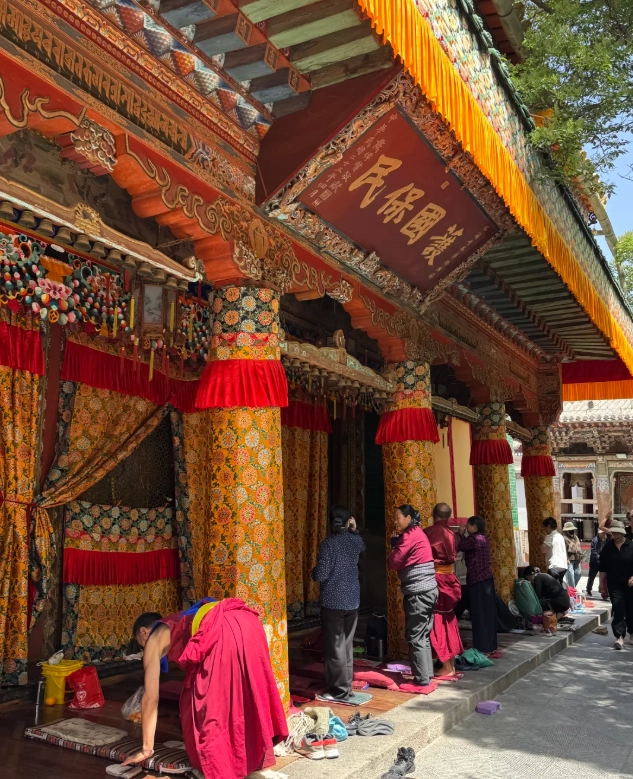
So here's the bottom line: The best way to visit Kumbum Monastery is to arrive by 8 AM on a weekday, buy your ticket online through the official platform (or ask your hotel to do it), and head straight to the Butter Sculpture Hall before the crowds flood in. If you only have half a day, this plan will save you at least two hours of waiting.
Where is Kumbum Monastery and Why Visit?
Kumbum Monastery (also known as Ta'er Temple) sits about 25 km southwest of Xining in Huangzhong County, Qinghai Province. It's one of the six great monasteries of the Gelug school of Tibetan Buddhism and the birthplace of Tsongkhapa, the founder of the Yellow Hat sect. The monastery is famous for its “three wonders”: the butter sculptures, the murals, and the yak butter flower art. Over 600 monks reside here, and the complex includes several halls, pagodas, and a grand golden-tiled roof.
For travelers interested in Tibetan culture, Buddhism, or stunning architecture, this is a must-see. It's also a popular day trip from Xining, often combined with a visit to Qinghai Lake.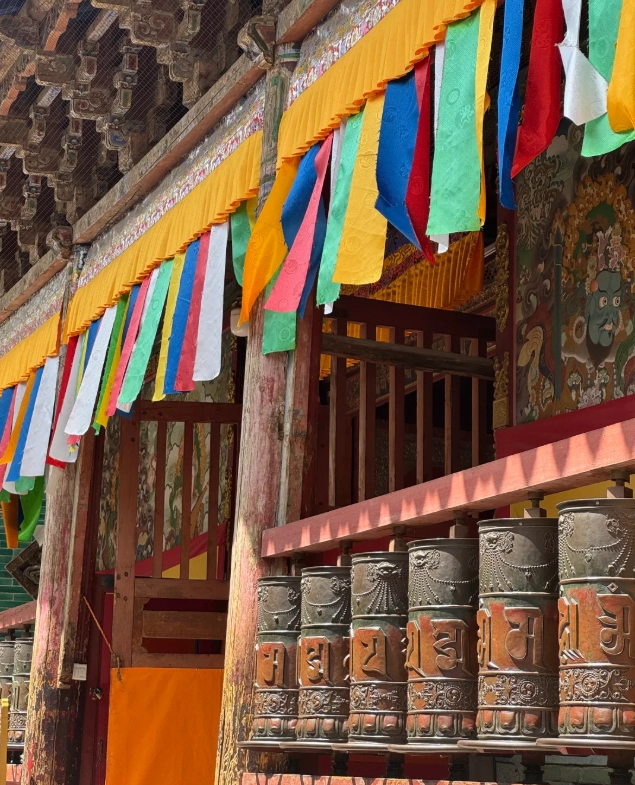
Best Time to Visit Kumbum Monastery
From my experience, the ideal window is from late May to early October. The weather is mild, and the monastery's gardens are in bloom. Summer (July-August) sees the biggest crowds, especially during the Monlam Prayer Festival (usually in February or March, but dates vary by lunar calendar) — if you want to see the grand ceremony, you'll need to book months ahead.
Avoid Chinese national holidays (first week of October, Labor Day in May, and Chinese New Year) — the monastery gets packed, and you'll spend more time queuing than exploring.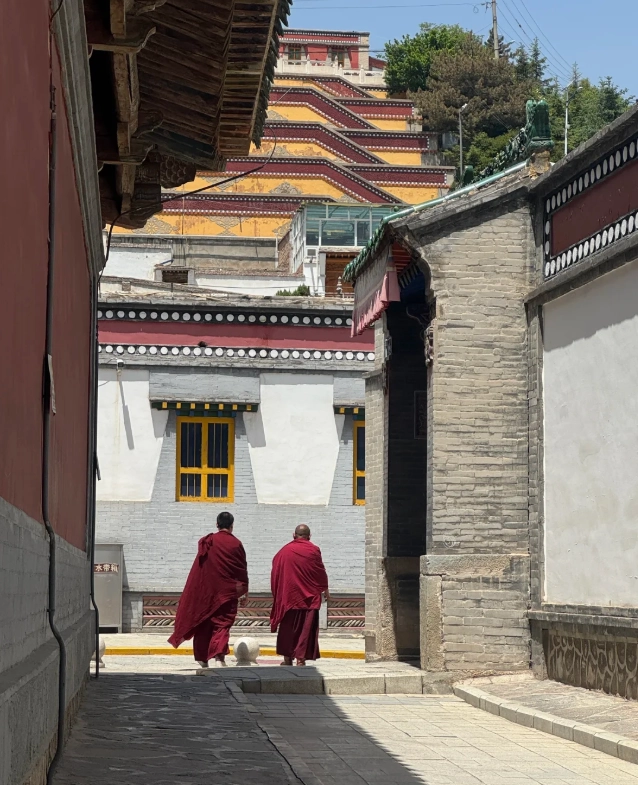
How to Get to Kumbum Monastery from Xining
Getting to Kumbum Monastery is straightforward, but each option has trade-offs. Here's a quick breakdown:
| Method | Time | Cost (approx.) | Pros | Cons |
|---|---|---|---|---|
| Bus (Line 909 from Xining Railway Station) | 1 hour | 6 RMB (~$0.85) | Cheapest, runs every 15 min | Can be crowded; no English signs |
| Taxi / DiDi (ride-hailing) | 40 min | 60-80 RMB (~$8-11) | Door-to-door, comfortable | More expensive; must confirm driver knows "Ta'er Temple" |
| Private tour from hotel | Varies | 150-300 RMB per person | Includes guide, hassle-free | Higher cost; may include unwanted stops |
By Bus
From Xining Railway Station (the main station), look for bus number 909. It terminates right near the monastery's main entrance. The bus is frequent but note: it's a public bus, so expect standing room during peak hours. Keep your luggage light — there's no storage space. I always tell my clients to sit on the right side of the bus for a first glimpse of the golden roofs as you approach.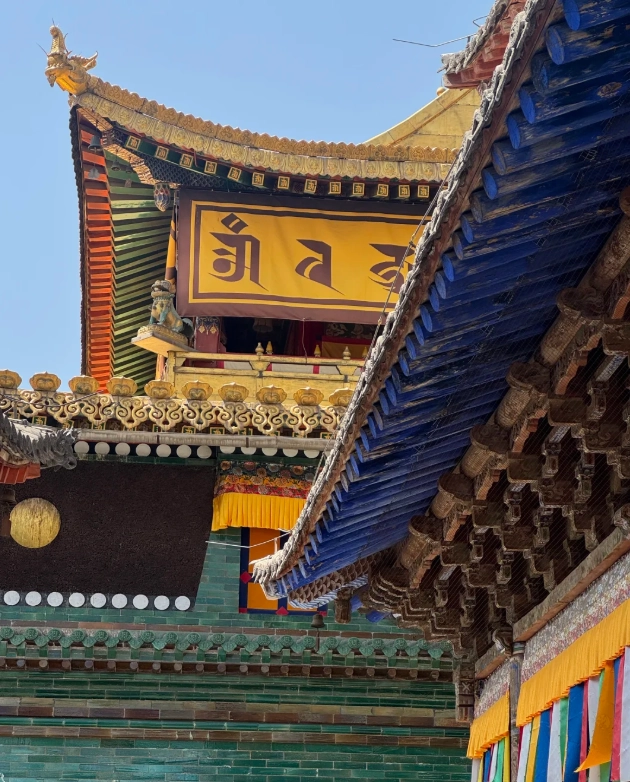
By Taxi or Ride-hailing
DiDi (the Chinese Uber) works well in Xining. Set your destination to “塔尔寺” (Ta'er Temple). The ride takes about 40 minutes from city center. Make sure the driver agrees to use the meter or the app price. Some drivers may try to charge extra for waiting time if you ask them to stay. Pro tip: ask the driver to drop you at the west gate (西门) — the main east gate is always congested, and the west gate entrance often has shorter lines.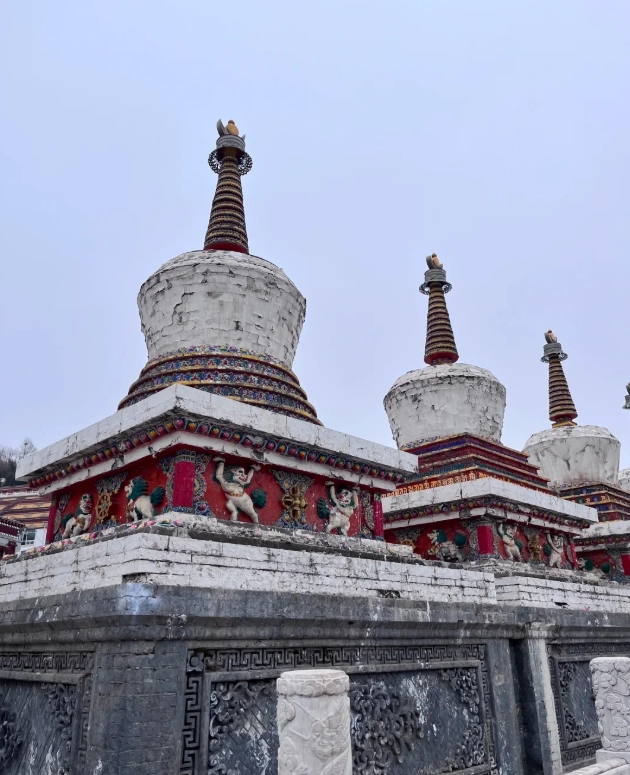
Kumbum Monastery Tickets & Opening Hours
| Item | Details |
|---|---|
| Adult ticket | 80 RMB (approx. $11) |
| Child (under 1.2m) | Free |
| Senior (60+ with ID) | 40 RMB (half price) |
| Opening hours (summer) | 8:00 AM – 5:30 PM (last entry 5:00 PM) |
| Opening hours (winter) | 9:00 AM – 4:30 PM (last entry 4:00 PM) |
| Official ticket platform | WeChat mini-program: “塔尔寺” (Chinese only). You can also buy at the gate, but online saves 20+ minutes of queue. |
Note: The ticket includes entry to all halls within the monastery. However, some special exhibitions (like the butter sculpture restoration) may require an additional 20 RMB. Also, you need to show your passport or a copy of it at the entrance — they won't accept a photo on your phone. I once had a client who couldn't enter because he only had a digital copy on his phone, and the guard insisted on a physical print. So carry a paper copy of your passport ID page.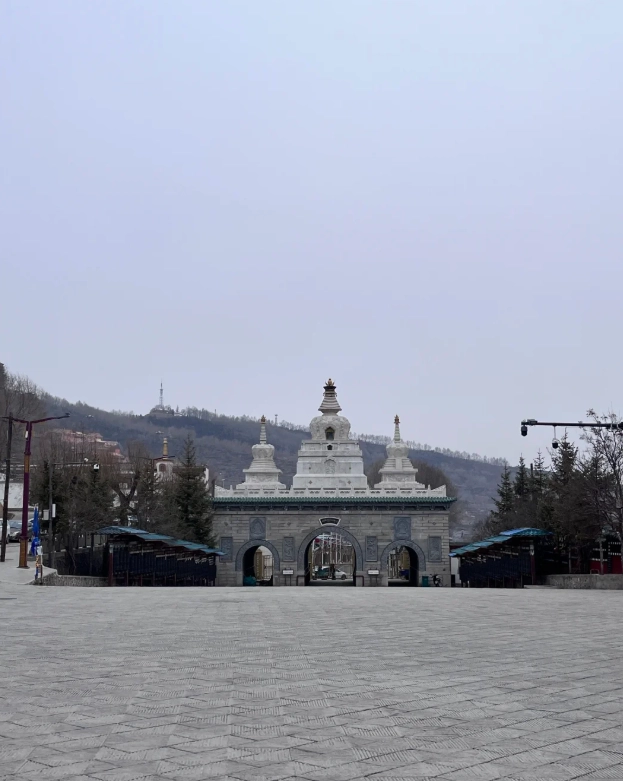
What to See Inside Kumbum Monastery
The monastery is huge — give yourself at least 3 hours to see the highlights. Here's my suggested route:
- Eight White Pagodas: Just past the entrance, these eight pagodas commemorate the eight great deeds of Buddha. Great photo spot early morning when the sun hits them.
- Grand Golden Roof Hall: The heart of the monastery, with a roof covered in 1.2 kg of gold. Inside, you'll see the statue of Tsongkhapa and pilgrims prostrating. The smell of yak butter and incense is intense — it's okay to step out if it's too strong.
- Butter Sculpture Hall: My personal favorite. The colorful sculptures are made of yak butter and pigments, kept in a refrigerated room. They are fragile and melt easily, so no photography inside. But the craftsmanship is mind-blowing.
- Murals Corridor: Hundreds of years old, these thangka paintings depict Buddhist stories. The colors have faded, but the details are incredible.
- Dungkar Hall: Where the monks assemble for chanting. If you're lucky, you can hear the deep throat singing — best time is around 10 AM when the chanting session starts.
Don't miss the yak butter flower art (not the same as the butter sculptures) — it's a unique craft where monks create floral patterns from colored butter. The exhibition hall is near the back.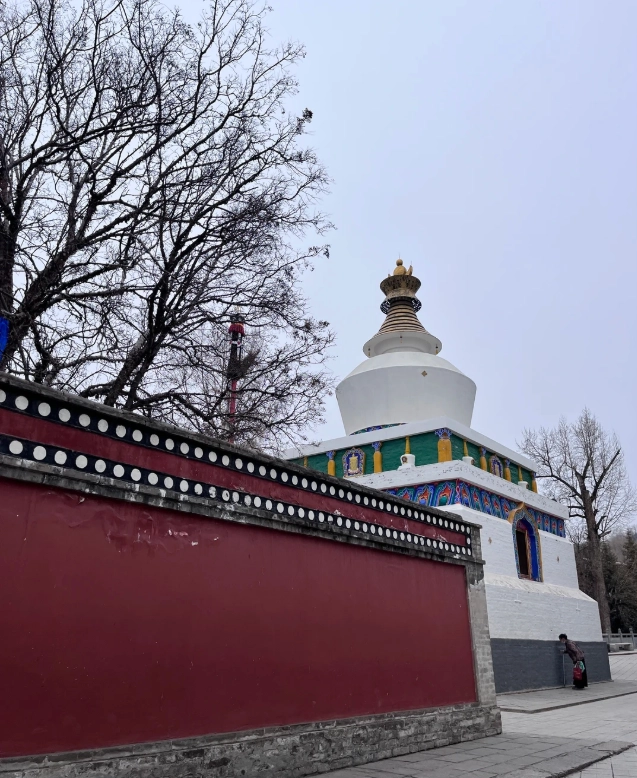
Insider Tips for a Smooth Visit
- Don't wear shorts or sleeveless tops. This is an active monastery. The monks won't stop you, but you'll feel out of place. Also, some halls require you to remove your shoes — bring slip-on footwear.
- Don't point your feet at the Buddha statues. When sitting, keep your feet tucked under or crossed. In Tibetan culture, pointing feet at holy objects is disrespectful.
- Bring cash for donations or small purchases. The monastery market stalls often don't accept credit cards. There's an ATM at the entrance, but it sometimes runs out of cash.
- Watch out for "fake monks". Some people dress as monks near the entrance and ask for donations or force you to pay for a blessing. Real monks never bother you. Just ignore them.
- Use the restroom before you enter. The public toilets inside are squat-style and not very clean. The ones at the visitor center (outside the gate) are better.
- The best photo spot is on the hill opposite the monastery. From the west gate, walk up the small hill for a panoramic view of the golden roofs. Sunset light is stunning.
Frequently Asked Questions
Verified and fact-checked by the editorial team.





No comments yet.