 Jian Zhao
Quick Navigation
I remember my first time guiding a group here back. It was a scorching July afternoon. We got off the bus and the whole group started heading straight for the main gate — big mistake. The ticket queue was a nightmare, and the sun had no mercy. By the time we got inside, everyone was already drained. That's when I learned: you don't just show up at Kumbum Monastery. You have to plan.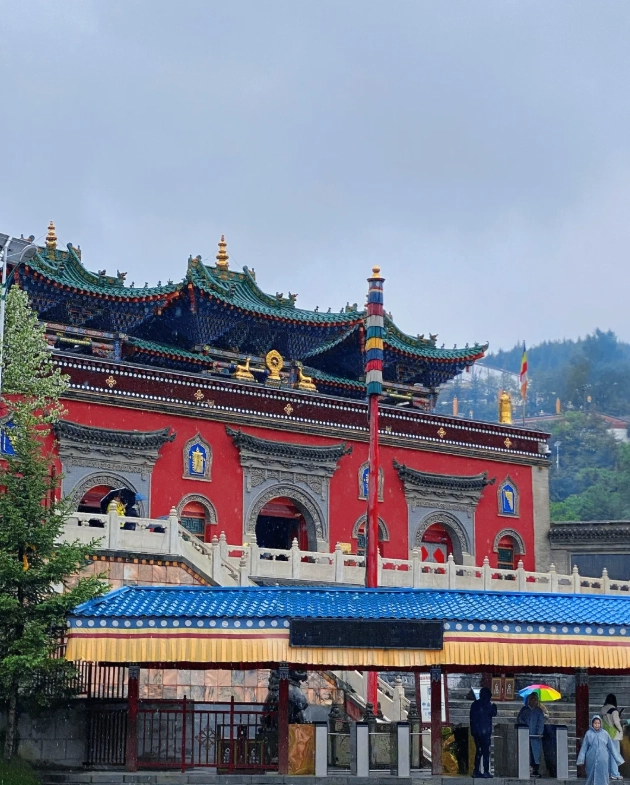
Kumbum Monastery (also known as Ta'er Si) is one of the most important Tibetan Buddhist monasteries outside of Tibet. It's the birthplace of Tsongkhapa, the founder of the Gelug school. But this guide isn't about history lessons you can find on Wikipedia. It's about how to actually visit without losing your mind to ticket apps, crowded halls, or sunstroke. I've been here over 30 times. Let me walk you through the real deal.
Why This Monastery Deserves Your Time
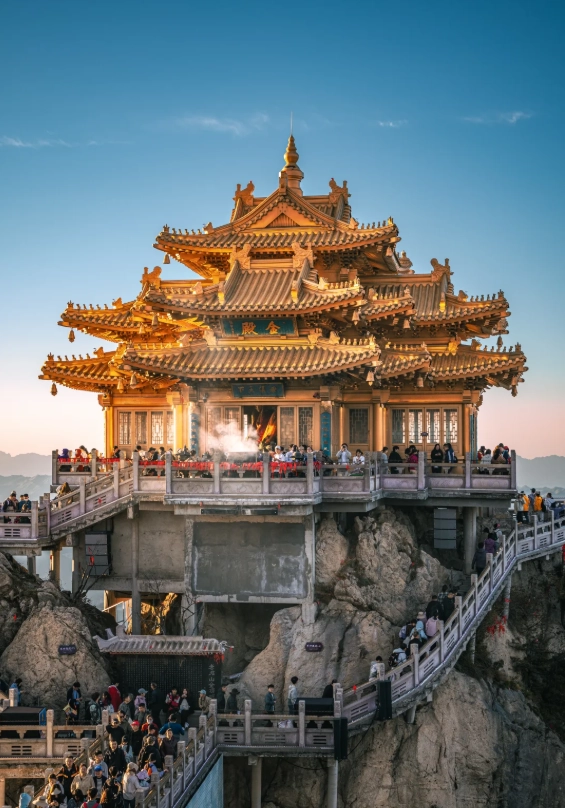
First — the butter sculptures. Kumbum Monastery houses the most exquisite butter sculptures in the world. They're kept in a cold room to prevent melting. It's not just art; it's a centuries-old tradition where monks hand-shape yak butter into intricate religious scenes. The colors are still vivid, and the detail is insane. Besides that, you get golden-roofed halls, mysterious chapels with chanting monks, and the legendary Grand Gold Tiled Hall. Even if you've seen other monasteries in Lhasa or Chengdu, this one is different.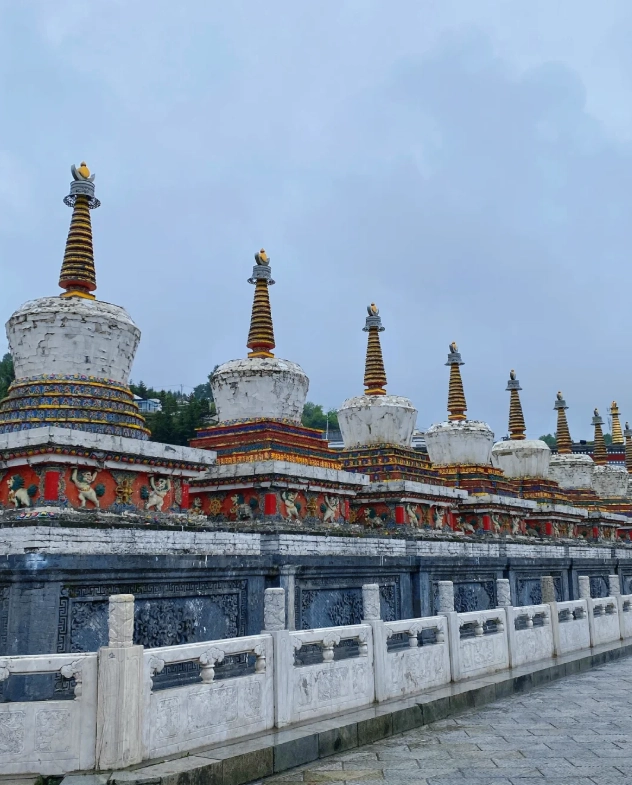
Tickets & Opening Hours
Now, let's get down to business. You cannot buy tickets at the main entrance with cash or foreign credit cards. That's the first trap. Every visitor must purchase tickets via a WeChat mini-program or by scanning a QR code at the on-site machines (but those only accept Chinese payment apps like Alipay or WeChat Pay). I always tell my clients: ask your hotel receptionist or a local friend to help you book before you come. Here's the full breakdown:
| Item | Details |
|---|---|
| Standard Adult Ticket | CNY 70 (approx. US$10) – includes all main halls except the Butter Sculpture Hall |
| Butter Sculpture Hall Ticket | CNY 20 extra (paid separately inside) |
| Children (under 1.2m) | Free |
| Seniors (60+ with ID) | Half price |
| Opening Hours | 8:00 – 17:00 (last entry at 16:30). Some halls close earlier. |
| Best Purchase Method | WeChat mini-program '塔尔寺' (or ask a local to help) |
* Tickets are limited during peak season (May–October). Book at least one day ahead. If you arrive and the tickets are sold out online, don't bother waiting in line at the ticket office – they won't sell you anything.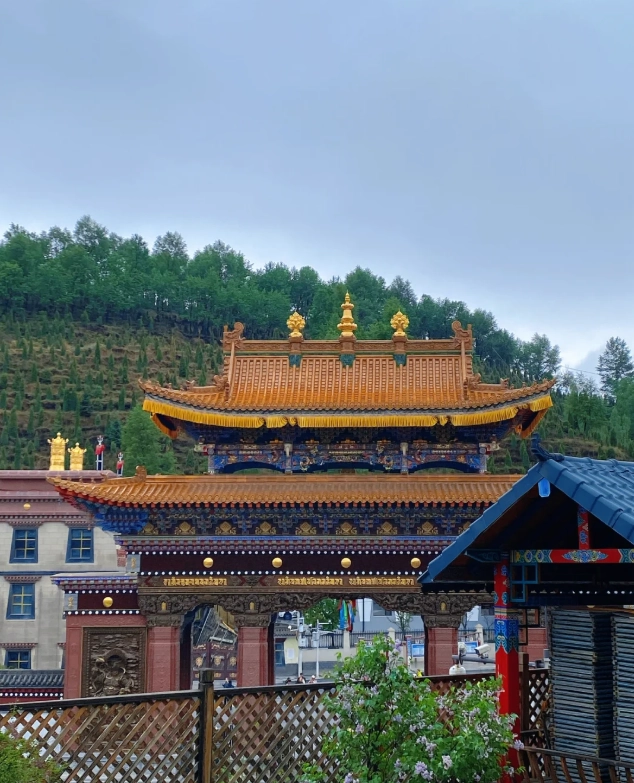
How to Get There from Xining
Kumbum Monastery is about 25 km southwest of Xining. You have three options, and I strongly recommend one over the others:
Option 1: Public Bus (Cheapest but Requires Patience)
From Xining's main bus station (Kunlun Road), take bus route 909. It costs only CNY 4 and drops you right at the monastery square. The ride takes about 1 hour. But here's the catch: the bus is often packed, and if you're standing with luggage or in summer heat, it's brutal. Also, the last bus back leaves at 17:00. Miss it, and you'll be stuck negotiating with taxi drivers.
Option 2: Taxi / Ride-hailing (My Go-To)
Use DiDi (China's Uber). From city center to monastery, it costs around CNY 80–100 (US$12–15) and takes 40 minutes. Always ask the driver to drop you at the West Gate, not the main gate. Why? The West Gate leads directly to the quieter back halls, and you skip the main entrance crowd. I discovered this tip from a local monk years ago.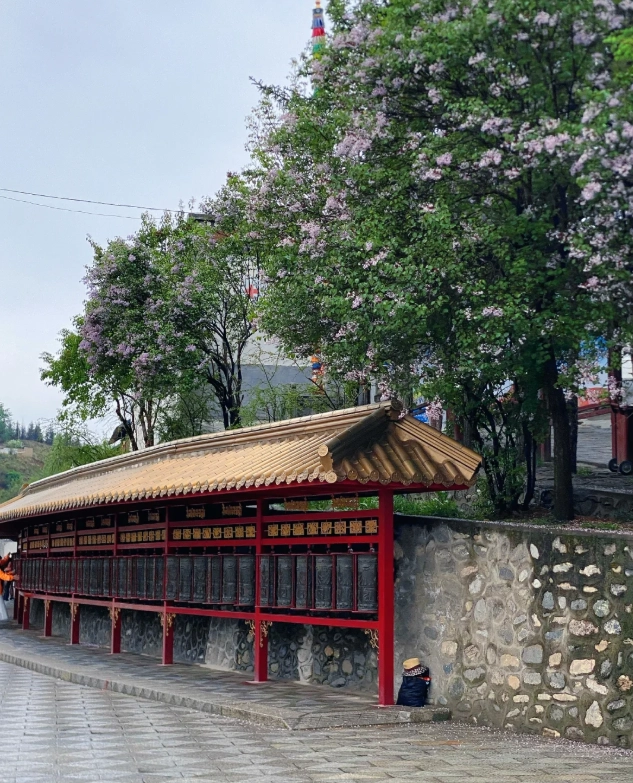
Option 3: Private Tour (Hassle-Free but Pricier)
Many hotels can arrange a private car with driver for about CNY 400–500 for half a day. This is great if you're not comfortable navigating Chinese apps. But honestly, DiDi is cheaper and just as good.
Must-See Halls & Butter Sculptures
Don't just wander aimlessly. Follow this order to avoid backtracking:
- Grand Gold Tiled Hall: The iconic building with the golden roof. Inside is the pagoda containing Tsongkhapa's relics. Go here right after entering – it empties out by 10am.
- Butter Sculpture Hall: Separate ticket required (CNY 20). The room is air-conditioned, so you'll want a light jacket. Spend at least 15 minutes here. The level of detail is remarkable: tiny flowers, figures, and even miniature temples made of colored butter.
- Prayer Wheel Corridor: A long row of giant prayer wheels. Turn them clockwise while walking. Locals believe it brings good karma. Watch out – some wheels wobble and might scrape your hand.
- Dundkang Hall: Where monks chant in the morning. If you arrive before 9am, you might hear the deep, hypnotic chanting. Sit quietly in the back – but don't use flash photography.
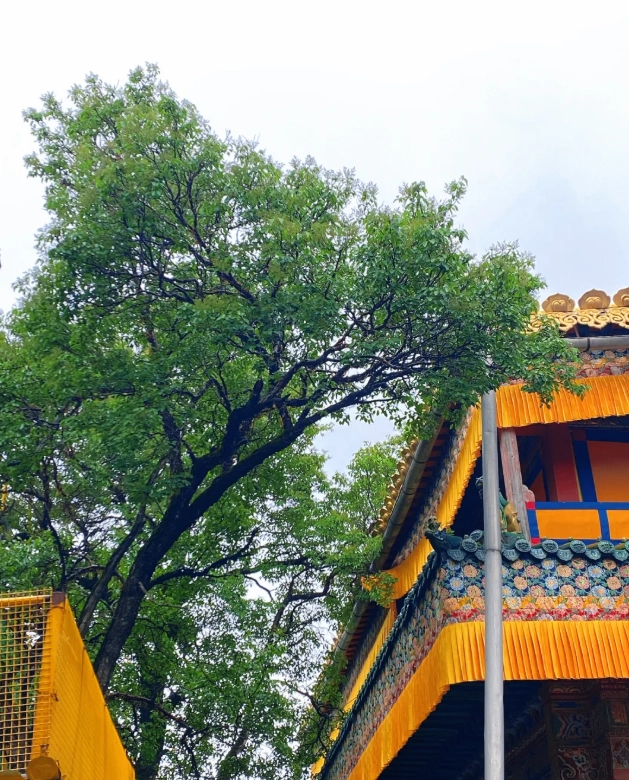
My personal favorite: The small northwestern courtyard with a lone ancient juniper tree. It's not on any map. I stumbled upon it during a break. The branches are twisted, and locals tie prayer scarves around it. Peaceful spot, no crowds.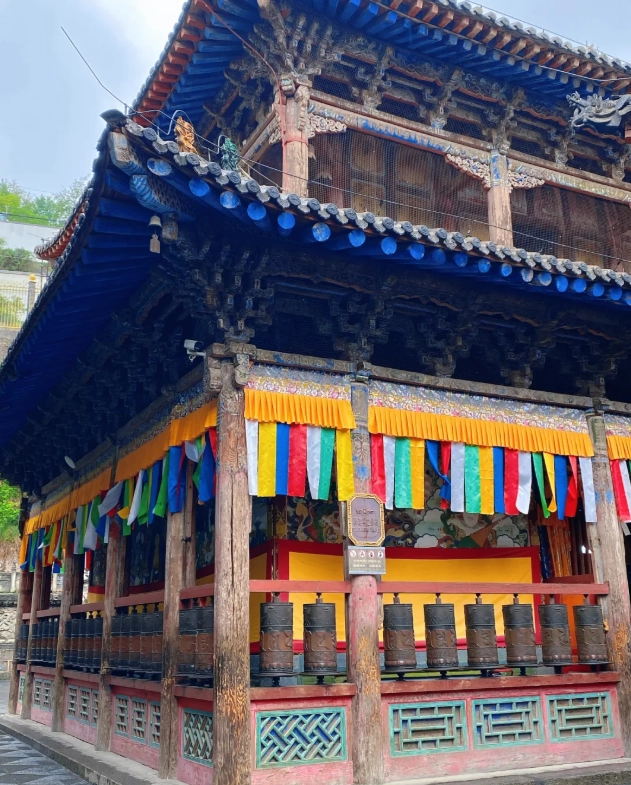
Best Time to Visit & Crowd Avoidance
Most travel blogs tell you to go early. I'll say it differently: avoid 10:00–14:00 at all costs. That's when tour buses unload. The narrow corridors become sardine cans. Instead:
- Summer: Arrive at 8:00 sharp. You'll have almost empty halls until 9:30. By 10, the first wave hits.
- Winter (Nov–Mar): Fewer tourists, but some halls close earlier (16:00 last entry). The butter sculpture hall is especially nice in cold weather – the sculptures are firmer.
- Golden month: October (after National Day holiday) – pleasant weather, fewer crowds.
One more thing: the lighting for photos is best before 10am and after 3pm. Midday sun creates harsh shadows on the white pagodas. I've seen too many disappointed tourists with blown-out photos.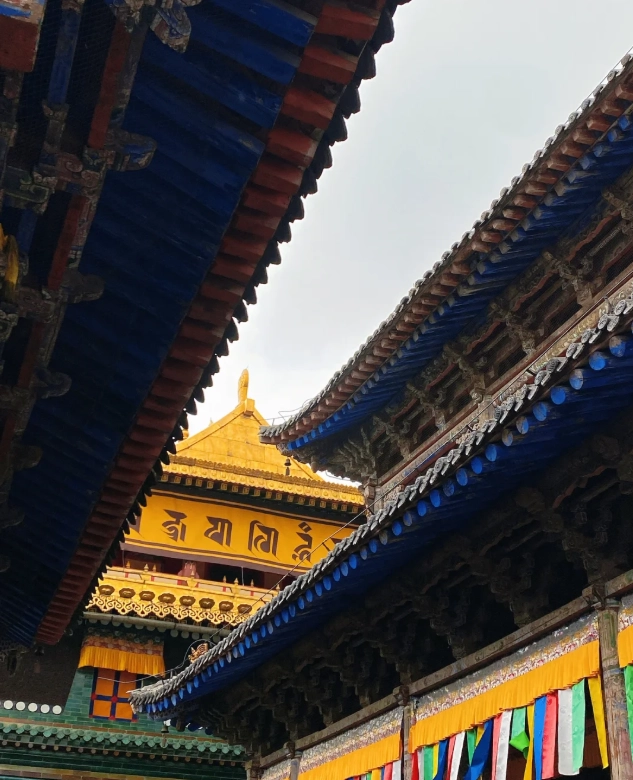
Cultural Etiquette & Dress Code
This monastery is a living religious site. Monks live here. If you act like a typical tourist, you'll get stares. Here's what I tell my groups:
- Cover your shoulders and knees. Both men and women. No tank tops or shorts. I carry a light scarf in my bag and lend it to visitors who forget.
- Remove hats and sunglasses inside any hall. It's a sign of respect.
- Don't point your feet at Buddha statues. When sitting, keep your feet tucked in.
- Photography: Allowed in courtyards and most halls (no flash). But the Butter Sculpture Hall and some inner chapels strictly prohibit cameras. Look for the red circles with a camera crossed out.
- Don't touch the butter sculptures! They are extremely fragile. The guards will yell at you.
💡 Insider tip: If a monk invites you for tea (it happens in the western dormitory area), accept. It's a rare experience. Just sit cross-legged, sip the salty butter tea, and nod politely. Don't ask too many questions – just observe.
Where to Stay Nearby
Most visitors base themselves in Xining. But if you want to catch the monastery at sunrise (highly recommended for photos), stay in the village right outside. Here are my picks:
| Hotel / Guesthouse | Details |
|---|---|
| Kumbum International Youth Hostel | Budget choice. Dorm bed ~CNY 60. Private rooms ~CNY 180. English spoken. Has luggage storage. 5-min walk to West Gate. |
| Lotus Hotel (Qinghai) | Mid-range. Clean double rooms ~CNY 300. Has elevator (rare in old buildings). Wi-Fi stable. Front desk speaks basic English. |
| Holiday Inn Express Xining Huangshui | Modern option in city center. About 30 min taxi to monastery. ~CNY 450/night. Breakfast buffet included. Best for families. |
Warning about village guesthouses: Some have thin walls and no soundproofing. If you book a cheap room near the main street, expect traffic noise from dawn. I'd rather stay at the Lotus Hotel – quieter and still just 10 minutes on foot.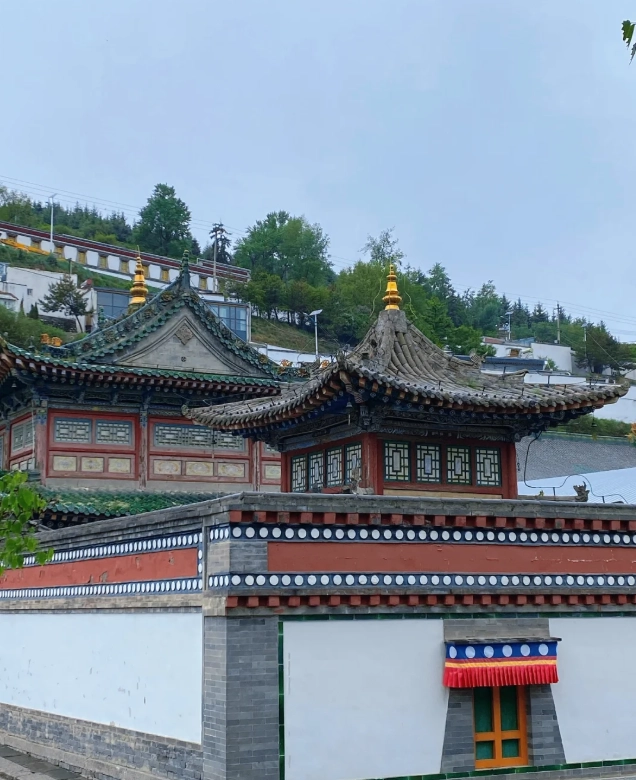
What & Where to Eat
Don't eat at the restaurant right outside the main gate. It's overpriced and the food is reheated. Instead:
- Yak Butter Tea and Tsampa: For an authentic snack, look for the small stalls near the prayer wheel corridor. A bowl of tsampa (roasted barley flour mixed with butter tea) costs CNY 5. It's an acquired taste – earthy and filling. I always buy one for the energy.
- Noodle House 'Mama's Kitchen': Take the lane behind the monastery, walk 3 minutes. They serve hand-pulled beef noodles (CNY 18) and yak meat dumplings (CNY 25 for 12). The owner speaks no English but has a photo menu. Google Maps rating: 4.5
- Vegetarian options: The monastery's own vegetarian canteen (open for monks and public, 11:30–13:00). Serves simple veggie rice and tofu. Donation-based. No English, but point to what others have.
Heads up: most restaurants only accept WeChat Pay or Alipay. Carry about CNY 100 cash for backup (the noodle house takes cash).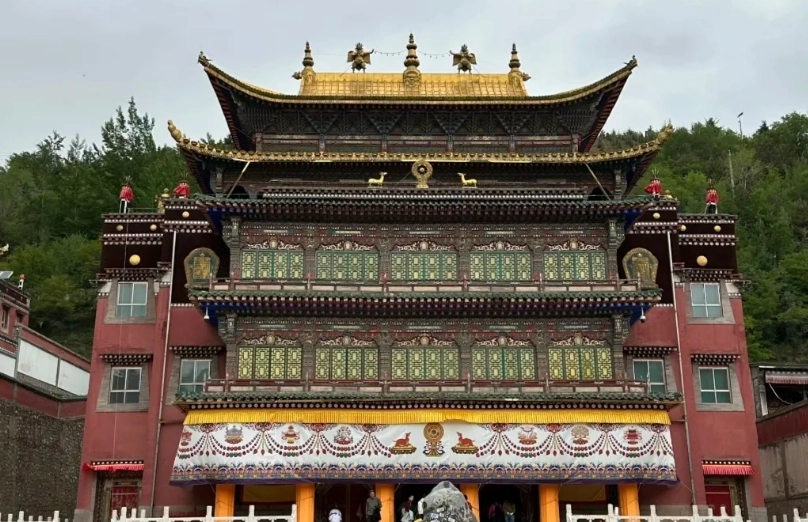
Frequently Asked Questions
Verified and fact-checked by the editorial team.





No comments yet.