 Jian Zhao
At a Glance
I've brought over 200 travelers through the doors of the Qinghai Provincial Museum. And every single time, someone walks in clueless—no idea which floor has the good stuff, how to buy a ticket without WeChat, or that the best light for photos hits the second-floor gallery at 4pm sharp. Let me fix that.
This isn't your average "museum map"—I'm handing you the exact route I use to avoid crowds, the exhibits that actually impress, and the hidden hiccups (like that one-hour lunch closure nobody warns you about). Start here, save yourself an hour of wandering.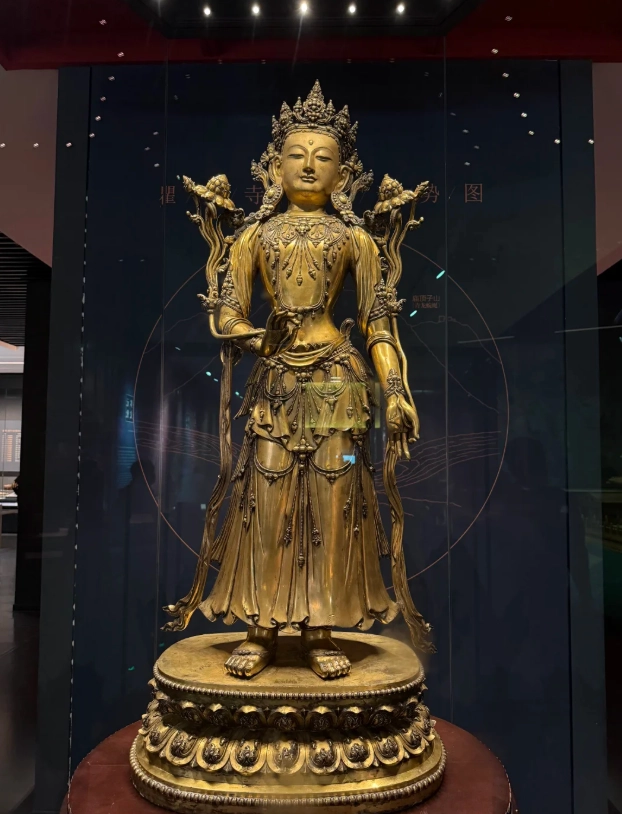
Why the Qinghai Provincial Museum Deserves a Spot on Your Xining Itinerary
Sure, Xining has other spots—Dongguan Mosque, the Tibetan quarter. But this museum? It's the only place where you'll see Qinghai's entire story unfold under one roof. From 4,000-year-old pottery pulled from the Qinghai Lake basin to intricate Tibetan thangkas that'll make you rethink what art can do.
Most tourists skip it because they think "provincial museum" equals "dusty artifacts." Wrong. This museum was fully renovated in 2020—lighting is modern, descriptions are in English and Chinese, and the layout actually flows. I've had guests spend three hours here and still rush through the last hall.
Plus, it's the perfect weather backup. Xining gets cold (even in summer, it drops to 10°C at night), and when rain hits, this place keeps you dry and fascinated.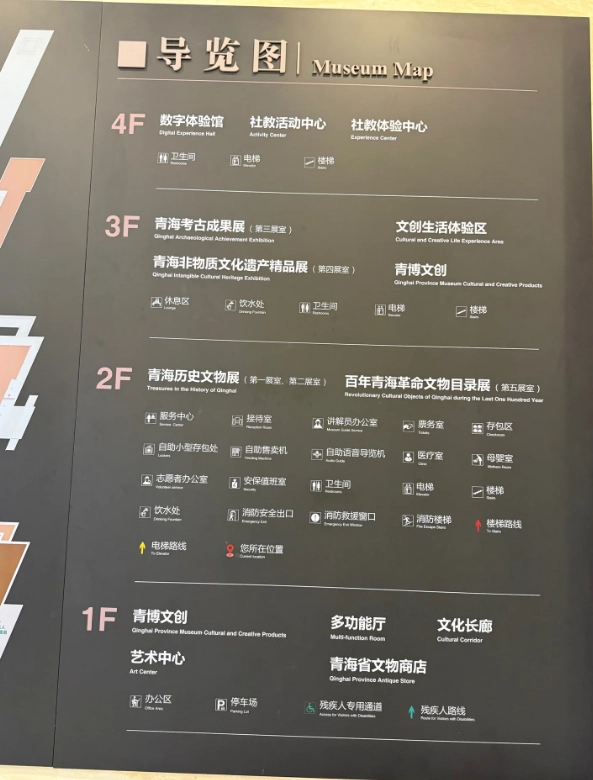
Navigating the Museum: Floor-by-Floor Highlights
Let me walk you through the building so you don't waste steps. The museum has three main floors. Here's what matters on each.
Ground Floor: The Silk Road Galleries
Best for: History buffs, first-timers.
The ground floor kicks off with the Silk Road in Qinghai section. You'll see Han dynasty bronze mirrors, Tang dynasty pottery camels, and a replica of a trading caravan. The centerpiece? A massive mural showing the ancient route through Qinghai's mountains. I always tell my guests: start here, then take the stairs—the elevator often gets crowded with school groups.
Pro tip: The lighting here is dim to protect the artifacts. If you're into photos, skip the ground floor—the second floor has better natural light.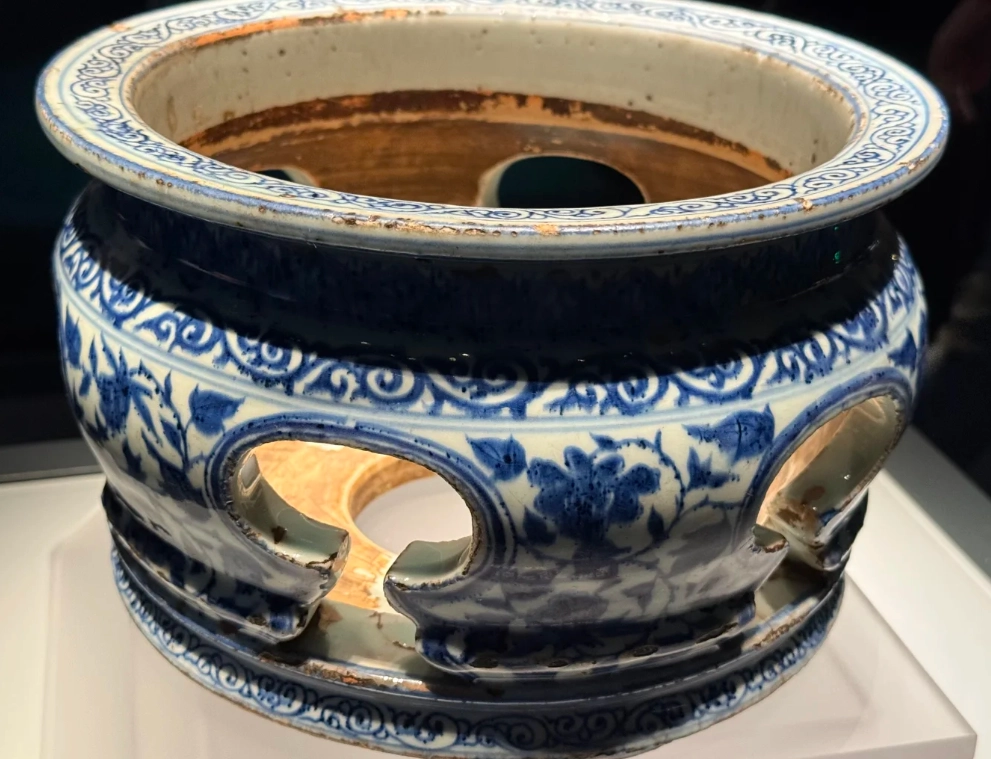
First Floor: Tibetan and Mongolian Culture
Best for: Culture lovers, photographers.
This is my personal favorite. The Tibetan and Mongolian Ethnography Hall is packed with colorful costumes, ceremonial masks, and a full-size yak-hair tent you can walk inside. The exhibits are arranged to show daily life—tools, musical instruments, even a butter sculpture (yes, really).
The English descriptions here are actually excellent—they explain the symbolism behind the colors and patterns. Spend at least 40 minutes on this floor.
Watch out: The floor is slightly slippery near the thangka display. I've seen two guests nearly slide—take your time.
Second Floor: Natural History
Best for: Families, geology nerds.
Climb to the top for Qinghai's Natural Wonders. Dinosaur fossils (found locally), animal dioramas (snow leopard, wild yak, black-necked crane), and a stunning collection of minerals. The blue glow from the Qinghai Lake salt crystals is unreal. Kids love the interactive screen where you can "assemble" a dinosaur skeleton.
But here's the catch: the second floor closes 30 minutes before the museum (staff starts clearing at 4:30pm). So if you arrive late, do this floor first.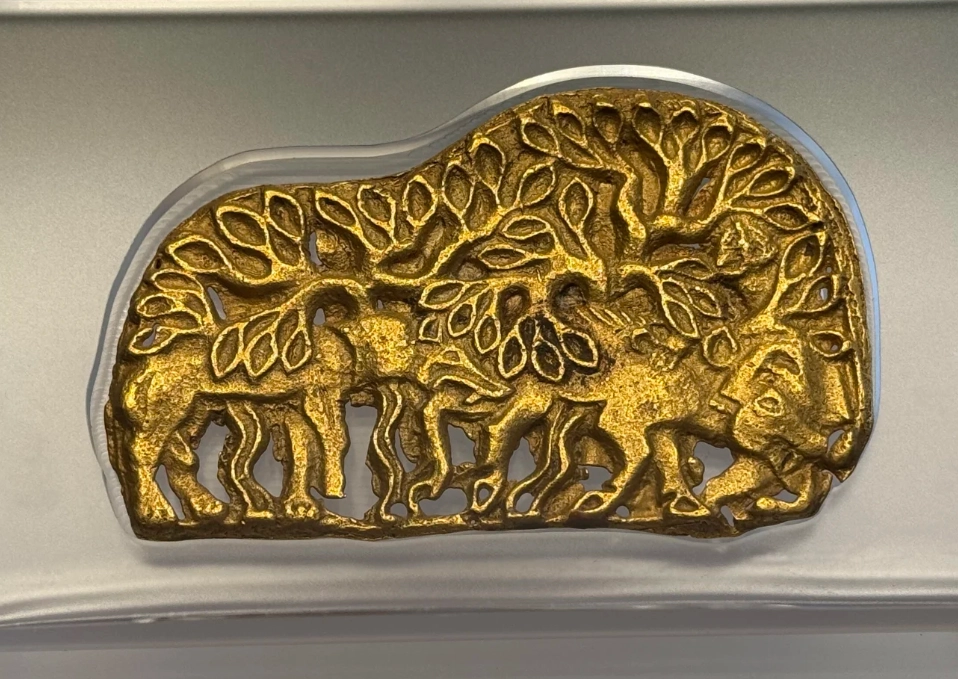
Essential Visitor Info (Tickets, Hours, Location)
| Item | Details |
|---|---|
| Adult Ticket | ¥30 ($4) — includes all floors. No separate fee for special exhibits. |
| Student / Senior | ¥15 (half price) with valid ID. Seniors (65+) free with passport. |
| Free Days | First Tuesday of every month. Also free for children under 1.2m. |
| Opening Hours | Tuesday–Sunday: 9:00–17:00 (last entry 16:00). Closed Monday (except public holidays). |
| Address | 38 Xishan Street, Chengzhong District, Xining. Look for the large modern building beside the People's Park. |
| Phone | +86 971 611 1234 (English support limited, but they'll transfer to a staff who speaks basic English). |
How to book: Technically you can buy on site, but the queue can be 20 minutes. I always tell my guests to pre-book via WeChat mini-program (search "青海省博物馆" — yes, it's in Chinese, but ask your hotel front desk or use the built-in translation). Show the QR code at the entrance.
Cash? They accept cash, but barely. I watched a German tourist struggle with a ¥100 note because they had no change. Bring small bills or use Alipay/WeChat Pay. International credit cards? Nope—Visa and Mastercard don't work here.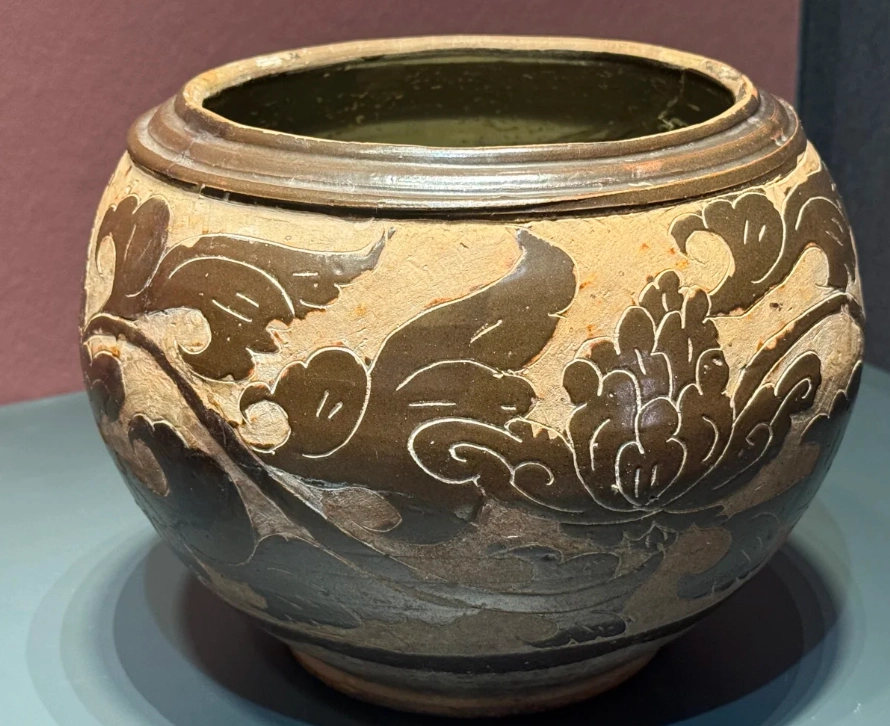
How to Get There from Xining City Center
Xining doesn't have a subway (yet), so you've got three options.
- Taxi / DiDi: From the train station (Xining Railway Station) it's about ¥15–20, 15 minutes. From the airport (Xining Caojiabao), it's ¥80–100, 40 minutes. Show the driver this in Chinese: 青海省博物馆. They'll know.
- Bus: Take bus No. 9, 15, or 24 and get off at 西门 (West Gate). The bus stop is literally in front of the museum. Fare is ¥1 (exact change or use Alipay transit card). Note: Google Maps bus info is often wrong—use Baidu Maps or ask the hotel.
- Walking: If you're staying near Moli Street (a popular area), it's a pleasant 20-minute walk through People's Park. Watch for the museum's glass facade—you can't miss it.
I personally recommend the taxi option for first-timers. Xining's bus system can be confusing if you don't read Chinese—and I've had guests get off three stops too early twice.
Pro Tips From a Tour Guide (What Nobody Tells You)
I've been guiding here for years. These are the unspoken rules that'll make your visit smooth.
- Bring your passport. You need it for the student discount or free entry. They won't accept a photo.
- Avoid lunchtime (12:00–13:00). The museum staff takes a break, and some galleries are closed for cleaning. Also, school groups flood in at 10am—arrive at 9:30 to beat them.
- The cloakroom is free. Leave your big backpack there—security won't let you take large bags into the galleries. The cloakroom is to the left of the entrance.
- Bathrooms: The ones on the first floor near the staircase are the cleanest. The ground floor restroom often runs out of toilet paper—carry tissue.
- Photography: Allowed without flash. But the ground floor's Silk Road hall has a strict no-flash rule—the light damages old silk. Respect it.
- Wheelchair access: Yes, there are ramps and an elevator. The museum provides free wheelchairs at the information desk—just leave your ID as deposit.
One more thing: the museum's café is overpriced and mediocre. Walk 5 minutes to the nearby 王府井 (Wangfujing) street for decent noodles at ¥15. I always grab a bowl after my tour.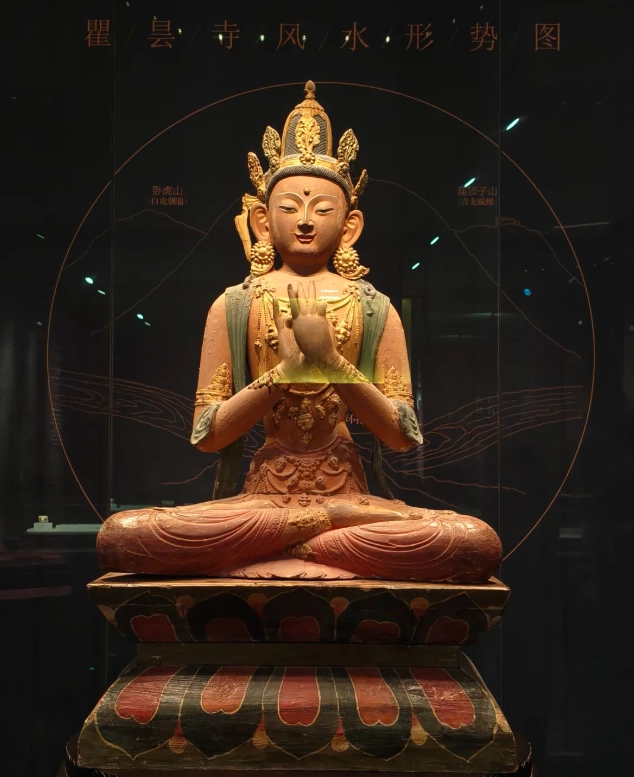
Top 5 Must-See Exhibits (Don't Miss These)
If you're short on time, here's my curated hit list. I ranked them by uniqueness.
- Qinghai Lake Salt Crystal (2F): A giant cluster of halite crystals that glows blue under UV light. It's the only one of its size in any Chinese museum.
- Tang Dynasty Gilt Bronze Statue of Avalokiteshvara (1F): Incredibly detailed, from the 7th century. The face still has traces of original pigment.
- Mongolian Wedding Headpiece (1F): Covered in coral, turquoise, and silver. Weighs nearly 4 kg—imagine wearing that all day.
- Neolithic Painted Pottery (GF): Over 4,000 years old, with geometric designs that look almost modern. Found near the Yellow River in Qinghai.
- Dinosaur Egg Fossil (2F): A cluster of three eggs from the Cretaceous period. It's real—you can see the shell texture.
I always make a beeline for the salt crystal. It's not in most guidebooks, but my guests love it.
What to Do After the Museum
The museum sits on the edge of People's Park (Renmin Park). After you're done, here's a solid afternoon plan.
- People's Park (5-min walk): Free entry. Walk along the lake, join the locals doing tai chi, or rent a paddleboat (¥30 per hour).
- Dongguan Mosque (15-min taxi, ¥10): One of China's largest mosques, with a fusion of Arab and Chinese architecture. Non-Muslims can enter the courtyard for free.
- Xining Night Market (20-min walk or 5-min taxi): Head to Moli Street after 7pm for lamb skewers, yogurt, and baked flatbread. Try the yogurt—it's thick and tangy, nothing like the sweet stuff.
If you're hungry right after the museum, skip the museum café and walk east to Lanzhou Hand-Pulled Noodles at 34 Xishan Street. A bowl of beef noodle soup costs ¥12, and they have picture menus (no Chinese needed).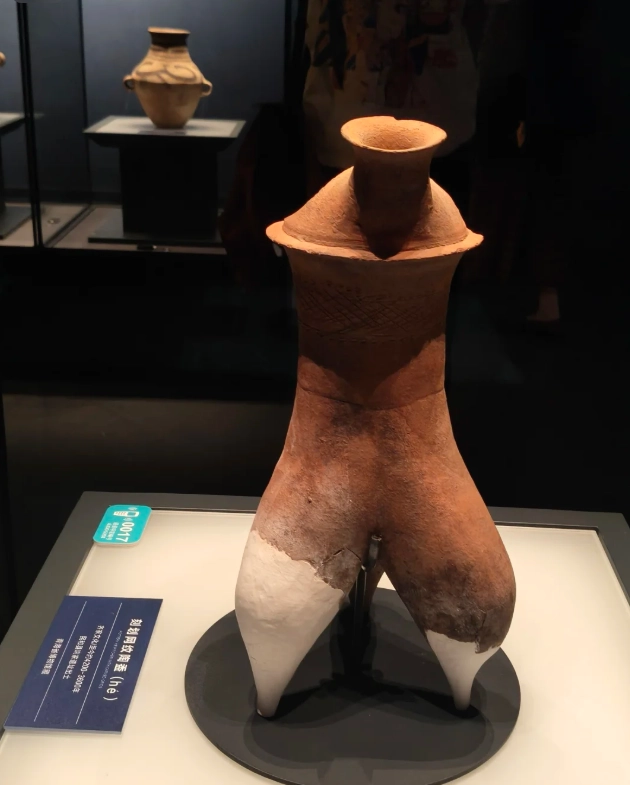
Frequently Asked Questions
Verified and fact-checked by the editorial team. This content has been fact-checked to ensure informational precision.





No comments yet.