 Jian Zhao
Quick Jump – skip the fluff
I’ve been guiding tours in Qinghai for over five years. When clients ask “Is Qinghai Provincial Museum worth visiting?”, I usually answer with a question: “How much do you love air conditioning and ancient thangkas?”
Here’s the thing—this museum isn’t the Great Wall. It won’t blow your mind with scale. But if you want to understand the Qinghai–Tibet Plateau before you head to the lake or the mountains, this place is your crash course. And the best part? It’s free.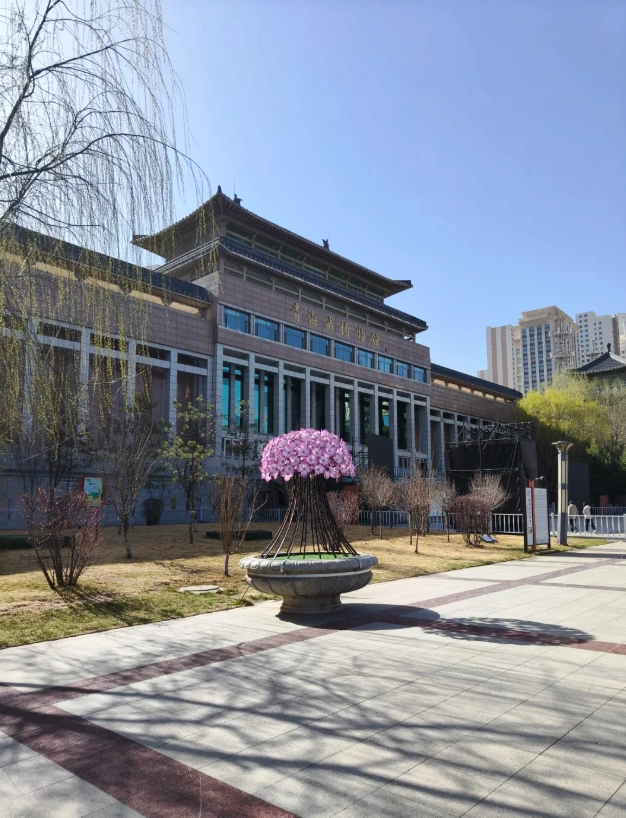
Let me walk you through exactly what you’ll get, what to watch out for, and whether you should swap an hour of shopping for a stroll through 4,000 years of local history.
The Short Verdict
Short answer: yes, with conditions. If you have 2–3 spare hours and want to escape the afternoon heat (or rain), it’s a solid choice. The collections are focused on Qinghai’s ethnic cultures—Tibetan, Hui, Tu, and Mongolian—and the Tangka (silk painting) exhibition alone is worth the visit. But don’t expect world‑class interactive displays or English explanations everywhere. Some labels are only in Chinese. Bring your phone with a translation app, or hire a guide.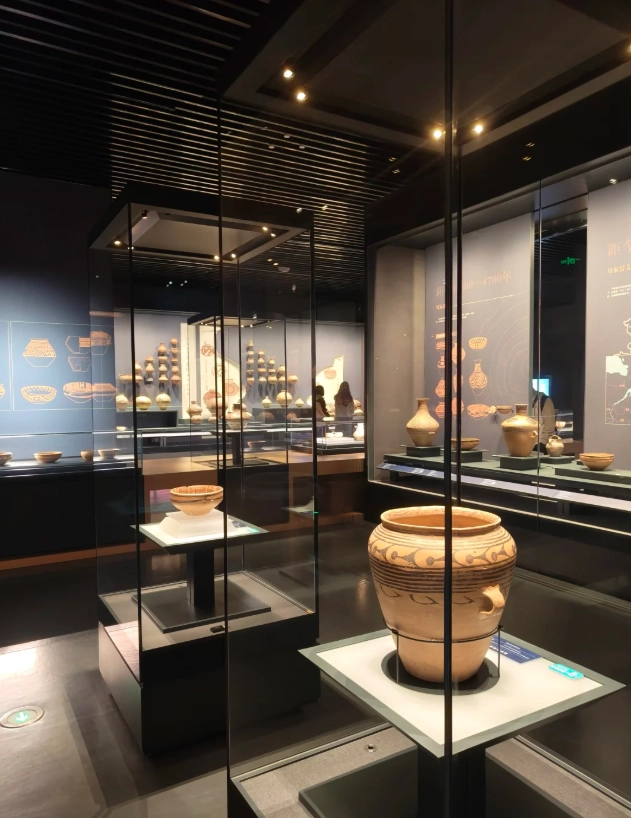
| Aspect | Rating (1–5) | My Comment |
|---|---|---|
| Exhibits | 4 | Best for Tangka, ancient pottery, and ethnic costumes |
| English information | 2 | Only main exhibits have English; fine for photos |
| Free entry | 5 | Yes, but you must reserve in advance |
| Crowds | 5 (quiet!) | Weekdays almost empty – feels like a private tour |
| AC / comfort | 4 | Good shelter from summer heat |
What You'll See Inside
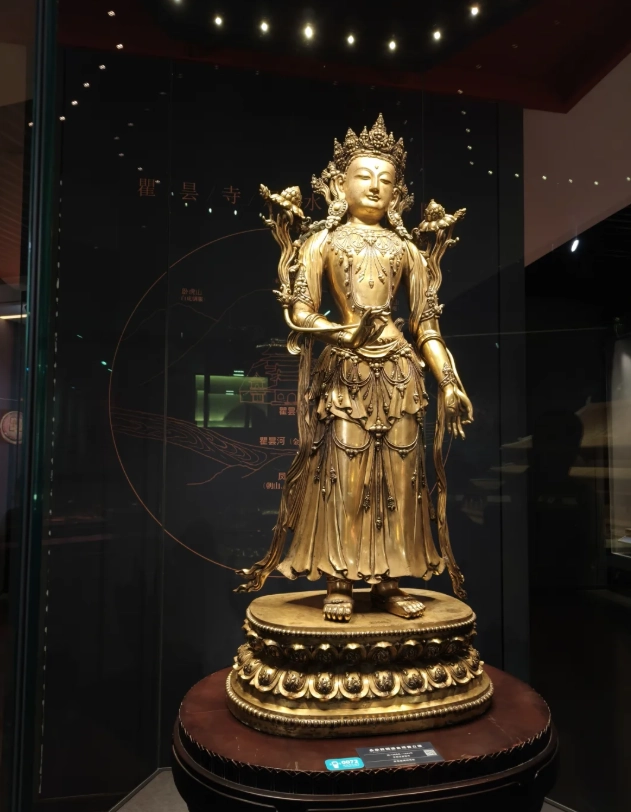
The museum has three main floors. I always tell my groups: start from the top and work down. The third floor houses the Tibetan Buddhist art hall—a dimly lit room with dozens of thangkas from the 13th to 19th centuries. The colors are still vibrant. I remember one guest, an art historian, spent 40 minutes just on one 18th‑century thangka depicting the life of Tsongkhapa.
Second floor covers Qinghai’s prehistoric cultures (Majiayao, Qijia). You’ll see painted pottery with spiral patterns. Honestly, some pieces look like modern art. The “dancing figurines” painted on a 4,000‑year‑old bowl always gets a laugh – it looks like a party.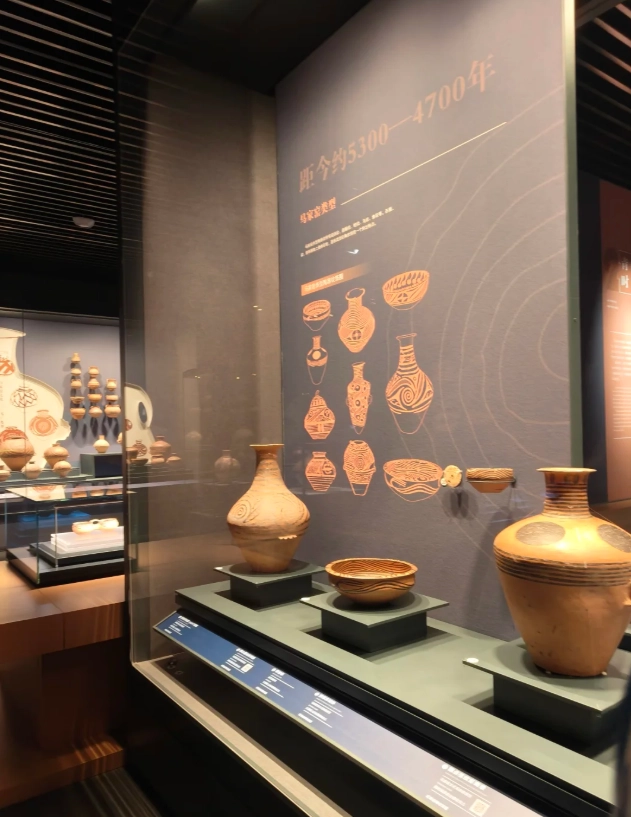
First floor is for temporary exhibits and a small ethnic minority costume display. The intricate silver ornaments from the Tu people are stunning. Take a close look at the headdresses – those are never found in tourist shops.
Personal note: Don't skip the video corner on the second floor. A 10‑minute documentary (Chinese only, but visuals are enough) shows how nomadic herders make butter tea. My clients from warm countries are always amazed at how they drink 20 cups a day.
Practical Logistics (Don't Miss This)
Getting There
Address: No. 66 Xiaguan Street, Chengxi District, Xining (西宁市城西区西关大街66号).
The entrance is on the south side of the building – your taxi driver might drop you at the north gate by mistake. Use this WeChat mini‑program to navigate: search “青海省博物馆” in WeChat. If you can’t read Chinese, show the driver this: 请到青海省博物馆南门 (South gate, please).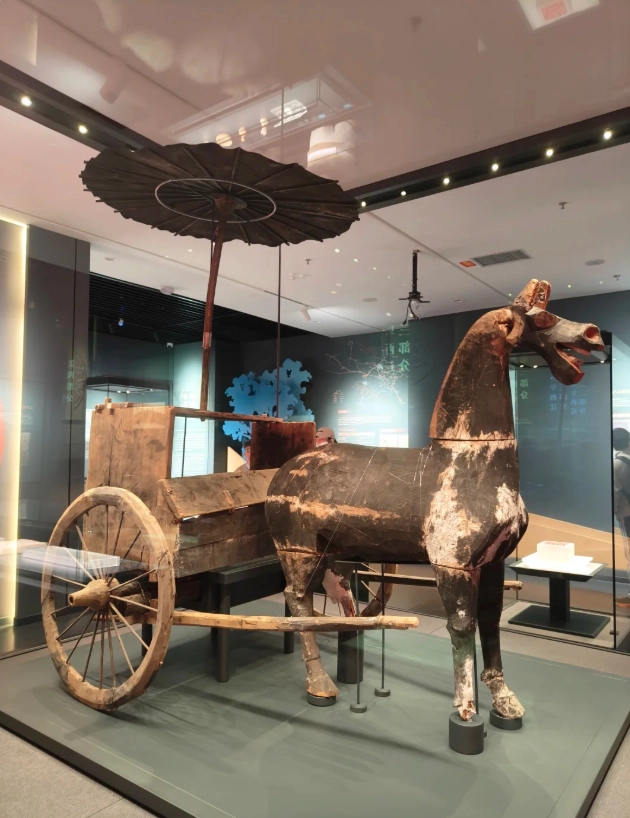
Nearest bus stop: “Provincial Museum” (省博物馆站) – lines 9, 12, 15, 22. Get off and walk 2 minutes east. If taking metro, line 2 to “Pearl Square” station, Exit B, then a 10‑minute walk. Not super convenient, but doable.
Opening Hours & Tickets
| Item | Detail |
|---|---|
| Opening hours | Tuesday–Sunday 09:00–17:00 (last entry 16:30). Closed Mondays (except public holidays). |
| Ticket | Free – but you MUST reserve via the official WeChat mini‑program. No walk‑ins allowed. Search “青海省博物馆预约” or scan QR code at the entrance. Passport number needed. |
| Reservation difficulty | Easy on weekdays (less than 10 people in queue when I last went). Holidays: slots fill up fast – reserve 3 days ahead. |
| ID required | Your passport (physical or photo). Digital copies on phone are accepted sometimes, but better have the original. |
⚠️ Headache alert: The WeChat mini‑program is entirely in Chinese. I’ve seen tourists stuck at the gate trying to figure out the reservation. Tip: Ask your hotel receptionist to help you book before you go. Or use a Chinese friend’s WeChat. It takes 2 minutes.
How Long to Spend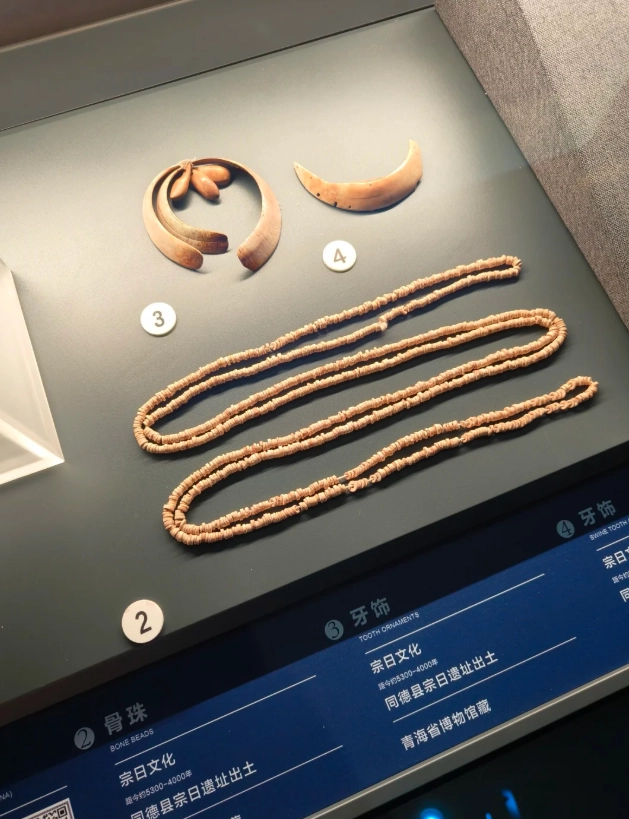
I allocate 1.5 to 2 hours for my groups. If you read every English panel (they exist only for main exhibits), stretch to 2.5 hours. No café inside – bring a water bottle (you can refill at the water dispenser near the restrooms).
Who Should Go & Who Should Skip
Go if:
- You’re into Tibetan culture, Buddhism, or ancient art.
- You need a cool, quiet break after a morning at Ta’er Monastery (which is 30 min away by taxi).
- You’re a photography enthusiast (no flash allowed, but low‑light shots of thangkas are possible with a fast lens).
- You’re on a budget – free museum with AC is a steal.
Skip if:
- You’re museum‑tired after visiting Beijing’s National Museum or Xi’an’s History Museum – this one is way smaller.
- You prefer interactive, high‑tech exhibits (this is old‑school glass cases).
- You only have half a day in Xining – spend it at the Dongguan Mosque or wandering the old town instead.
Pro Tips to Save Time & Money
- Visit around 14:00 – the tour groups (if any) are gone by lunch, and you’ll have the halls almost to yourself.
- Combine with the nearby Xining Cultural Park – it’s a 5‑minute walk east. Free entry, nice lake, and a few snack stalls.
- Don’t pay for an audio guide – the rental is 20 RMB, but the English version is poorly recorded. Instead, download the free “Qinghai Museum” app (available only in Chinese app stores). I use it to get basic info, then fill in the rest with Wikipedia.
- Bathroom break before the second floor – the restrooms on the first floor are cleaner and less busy. The second‑floor ones sometimes run out of toilet paper.





No comments yet.