 Jian Zhao
Quick Navigation
I've been guiding photo tours around Qinghai Lake for six years — and I've seen too many travelers waste their golden hour stuck in ticket lines or shooting from the same crowded boardwalk. Here's the raw truth: most online guides tell you to "go to Erlangjian" and leave it at that. But that spot? It's a tourist trap with overpriced boat rides and zero creativity. Let me save you hours of frustration.
Qinghai Lake (the largest saltwater lake in China) sits at 3,200 meters above sea level, ringed by snow-capped mountains and endless grasslands. The light here is brutal at noon — thin air, harsh shadows, washed-out colors. But come 5 PM? The magic unfolds.
The ultimate conclusion: skip the main entrance (Erlangjian) entirely for photography. Instead, head to the remote western or northern shores where few travelers go. I'll break down the exact spots below.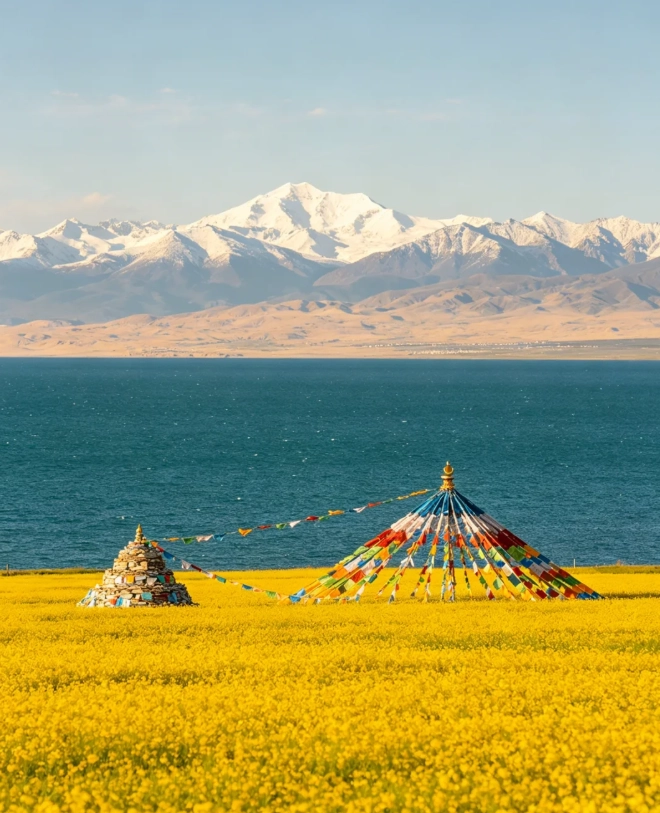
Why Qinghai Lake Belongs on Your Photography Bucket List
Think turquoise water that shifts from emerald to sapphire with the clouds, vast rapeflower fields in July, and herds of yaks dotting the shoreline. It's a landscape photographer's dream — but only if you know where and when to stand.
Here's a common mistake: most tourists aim for mid-day shots with the lake perfectly blue. At noon, the sun is directly overhead, flattening the scenery. The water looks pale, and the distant mountains fade into haze. I always tell my clients: shoot during the "magic windows" — one hour after sunrise and one hour before sunset. That's when the lake takes on a deep indigo or fiery orange glow.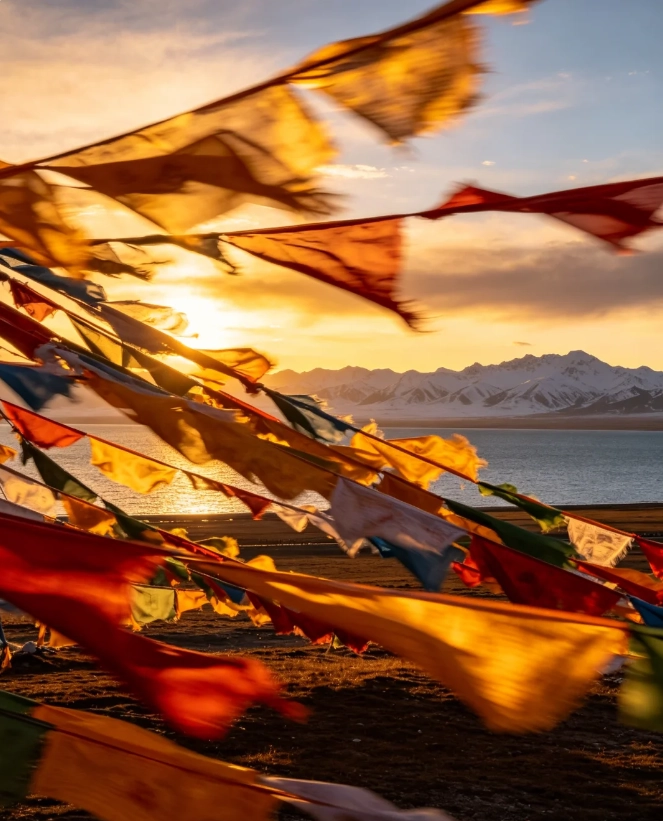
Best Photography Spots Around Qinghai Lake
I've organized this by area — east, south, west, north — because each side offers a different backdrop. Let's start with my personal favorite.
1. The Western Shore (near Heima River)
This is my go-to spot for sunrise. Heima River (Black Horse River) village is a small settlement on the western side. Why here? The sun rises directly over the lake, and there's an abandoned pier that creates killer leading lines into the water.
| Detail | Info |
|---|---|
| Address | Heima River Township, Gonghe County, Qinghai |
| Best time | Sunrise (around 6:30 AM in summer, 7:30 AM in autumn) |
| Ticket | Free (public shore access; no ticket required) |
| Parking | Small lot near the village; arrive by 5:30 AM to claim a spot |
| Pro tip | Walk 500 meters south of the main pier to avoid the crowd of tripods. There's a grassy knoll that frames the lake perfectly. |
One warning: the mosquitoes here are relentless at dawn. Bring repellent, or you'll be swatting instead of shooting. I learned that the hard way during my first trip — ended up with bites all over my hands.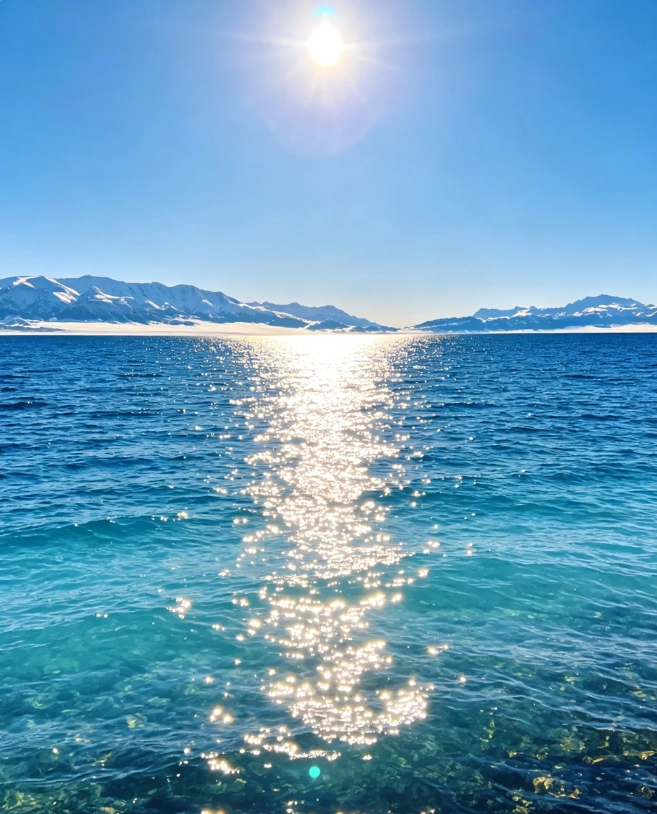
2. The Northern Shore (Gangcha County)
If you want the classic scene with the lake meeting the sky and a dash of pastoral life, head north. Gangcha County has a stretch of coastline where locals graze sheep right up to the water. Perfect for wide-angle landscapes with foreground interest.
Drive along the G315 highway toward Xihai Town. About 10 km before Xihai, you'll see a dirt road leading to a small peninsula. I've been leading groups here for years; the light at 6 PM is unreal. The water turns gold, and the sheep cast long shadows.
| Detail | Info |
|---|---|
| Address | Around km marker 180 on G315, Gangcha County |
| Best time | Late afternoon (5-7 PM) |
| Ticket | Free (but some local herders may ask for 10-20 yuan to enter their pasture; keep small bills) |
| Access | Private car or taxi from Xihai Town (about 30 min, 60 yuan) |
| Pro tip | Bring a telephoto lens to compress the lake and the sheep — creates a surreal "lake of sheep" effect. |
3. Erlangjian Scenic Area (South Shore) — Only if You Must
I'm putting this on the list because it's the most famous spot, but honestly? It's overcrowded and overrated for photography. The main boardwalk forces you to shoot with dozens of tourists in your frame. However, if you arrive before the ticket office opens (8:30 AM), you can walk in without paying and get an empty boardwalk for about 20 minutes. That's the only time I'd recommend it.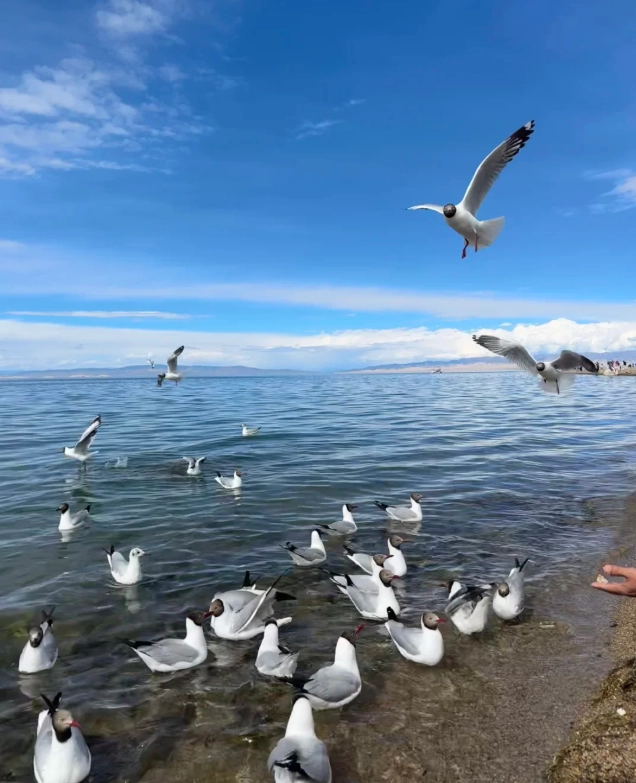
| Detail | Info |
|---|---|
| Address | Erlangjian, Gonghe County |
| Opening hours | 8:30 AM - 6:30 PM (peak season); last entry 5:30 PM |
| Ticket | Adult: 90 yuan; Student: 45 yuan; Senior (65+): free. Book on WeChat mini-program "青海湖景区" (Chinese only, ask your hotel to help). |
| Best time for photos | 8:30 AM (just after opening, before crowds flood in) |
| Pro tip | Skip the boat ride (120 yuan) — it's noisy and the wake ruins reflections. Instead, walk 200 meters east along the shore for quieter views. |
4. The Southeast Wetlands (near Bird Island)
Bird Island (Niao Dao) is closed to tourism since 2017 (habitat protection), but the surrounding wetlands are open. In spring and autumn, migratory birds create dynamic flight patterns. I shot one of my all-time favorite images here — a flock of bar-headed geese silhouetted against a peach-colored sunset.
You need a car to reach this area. From the G315 highway, turn onto a gravel road near the 110 km marker. Drive 5 km until you see a line of prayer flags. Park there and walk toward the water. There's a small hill that gives you a 10-meter elevation advantage — enough to separate the birds from the water line.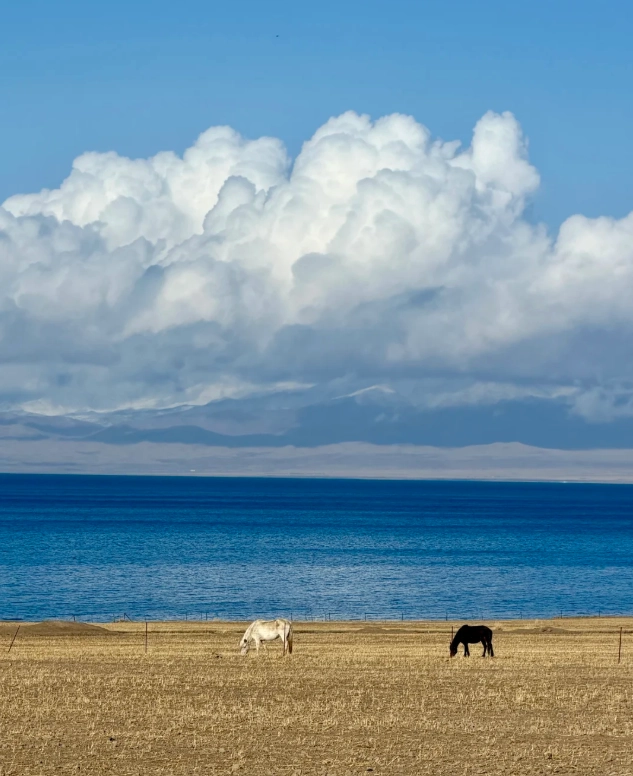
Golden Hours & Weather: When to Shoot
Sunrise: 6:15-7:00 AM in summer (June-August). The air is calm, the lake is like glass. Bring a tripod for long exposures of the reflection.
Sunset: 7:30-8:30 PM. The lake turns deep orange, then purple. My favorite composition: include a silhouetted yak or a lone bicycle on the shore.
Overcast days are a gift for color photography. The soft light saturates the blue of the lake and green of the grasslands without harsh shadows. Don't pack up if it's cloudy — I've gotten my best shots on gray afternoons.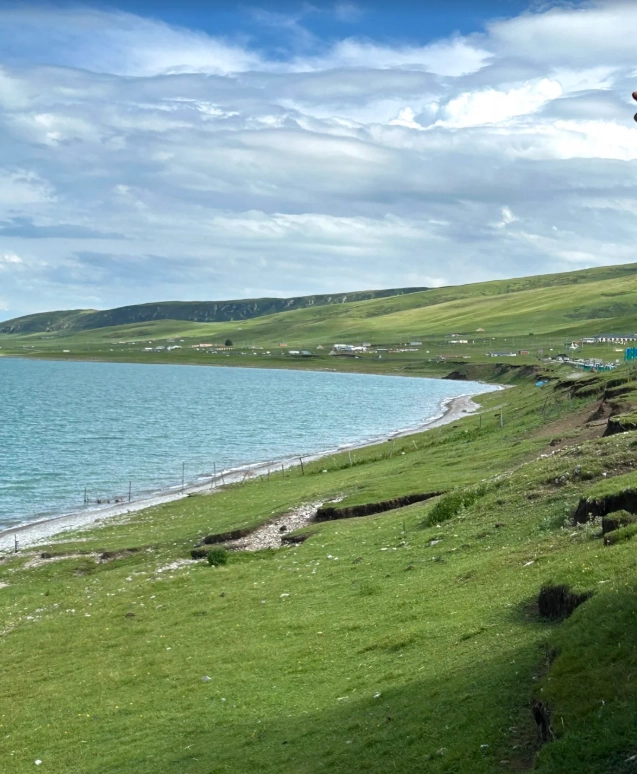
Tickets, Access & Insider Hacks
Most international visitors get stuck because they can't pay with Visa/Mastercard at the ticket booth. Here's the deal: the official scenic spots (like Erlangjian) require pre-booking via WeChat mini-programs — in Chinese. I always ask my hotel receptionist to book for me, and I pay them cash. Alternatively, use Trip.com (search "Qinghai Lake ticket") to buy in advance; they accept international cards.
For free spots (Heima River, northern shore), no ticket needed. Just show up. But be prepared for cold mornings — even in July, temperatures can drop to 5°C at dawn. Bring layers and a windproof jacket.
Transportation: The best way to reach these spots is by renting a car (with driver) from Xining for 2-3 days. Expect 500-700 yuan per day for a sedan. If you're on a budget, take a bus from Xining to Heima River (60 yuan, 4 hours) and then join a local tour group for the northern shore.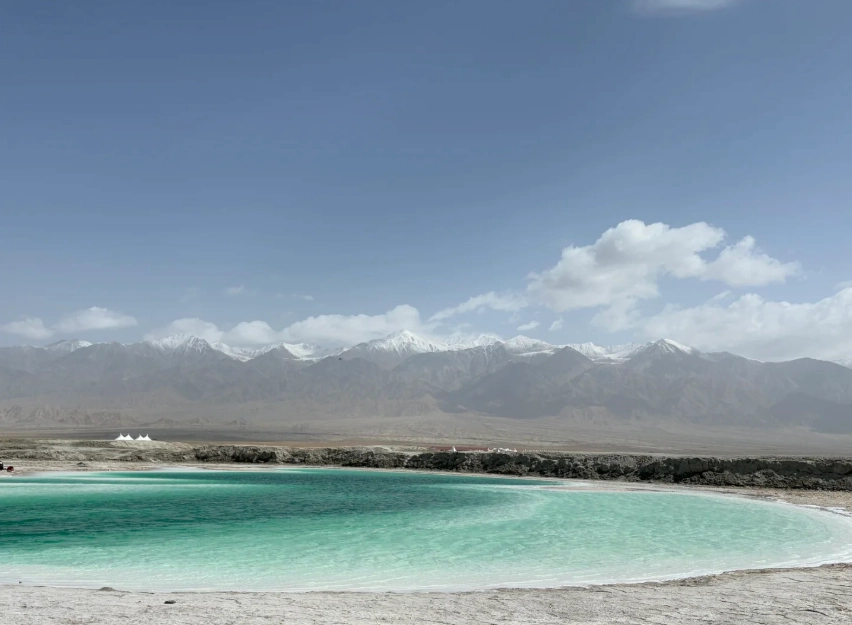
How to Avoid Crowds
The golden rule: don't go to the main entrance during peak hours (10 AM-4 PM). That's when tour buses unload hundreds of selfie-stick wielding tourists. Instead, stick to the lesser-known spots I've listed. Another hack: weekend days are packed with domestic tourists from Xining. If you can, schedule your visit Monday to Thursday.
Here's a specific tactic I use: I shoot sunrise at Heima River (very few people), then drive to the northern shore for late afternoon. That way I avoid the midday crowds altogether. Mid-afternoon I nap or edit photos at my guesthouse — yes, I plan a siesta into my photography schedule.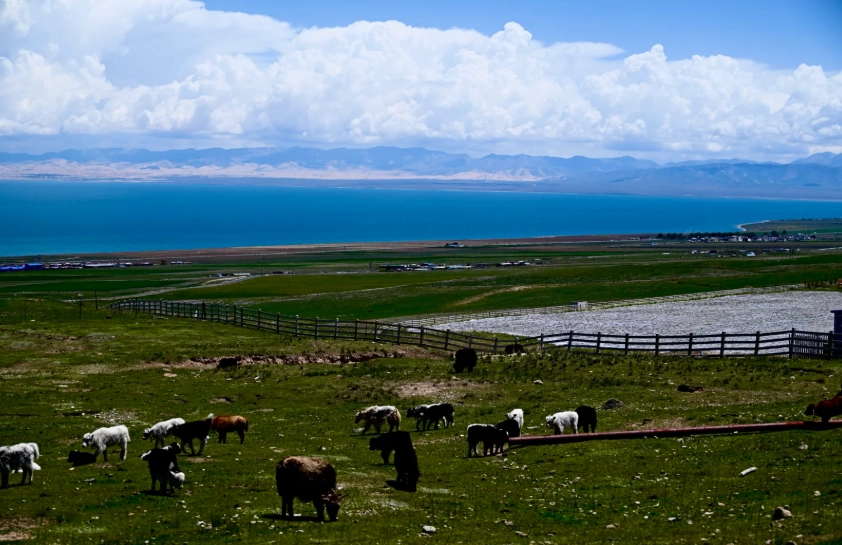
FAQ — Real Answers from a Local Guide
Verified and fact-checked by the editorial team.





No comments yet.