 Qiang Huang
I’ve led dozens of photo groups here. First time I saw Kumbum Monastery, I almost cried – not from beauty, but from frustration. Sunlight was harsh, crowds were thick, and I had no clue where to stand. After 15+ visits, I know exactly what works.
Here’s the honest truth: Kumbum Monastery photography spots are not all equal. Some are overhyped; others are hidden gems. And the worst mistake? Following generic online advice. Let me fix that.
Bottom line upfront: arrive by 8:00 AM (gate opens at 8:00), head straight to the Eight Stupas, then climb to the hill behind the monastery for panoramic shots. That combo gives you golden light and near-empty scenes. Now let’s break down every detail.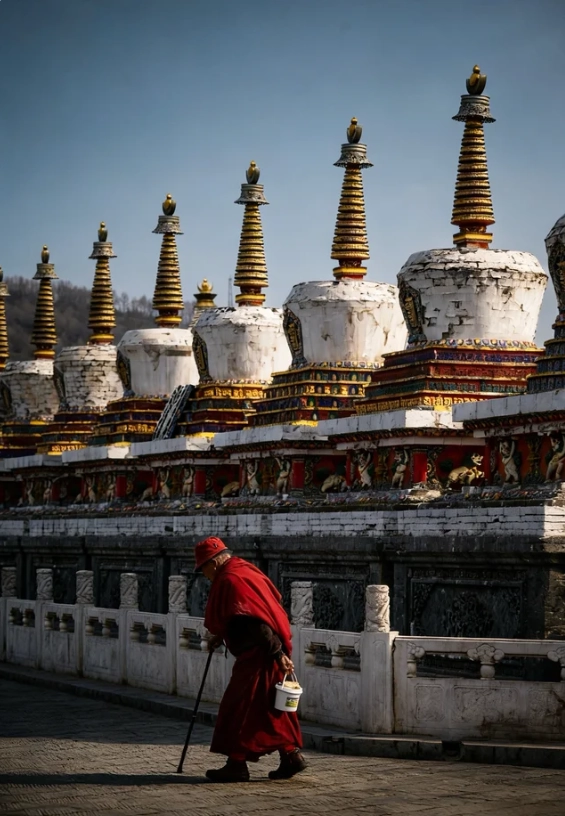
Best Time to Photograph Kumbum Monastery
Light is everything. I’ve seen photographers ruin their shots by showing up at noon. The monastery sits in a valley east of Xining. Morning light (8:00–10:30) hits the golden roofs head-on, making them glow. After 2 PM, strong backlight flattens details.
Season matters too. July–August gives lush greenery but monsoon clouds can block sunlight. Late September to mid-October offers crisp air and autumn colors around the monastery walls. Winter is brutal (temperatures drop to -15°C), but the snow-covered stupas are magical – just bring extra batteries (they die fast in cold).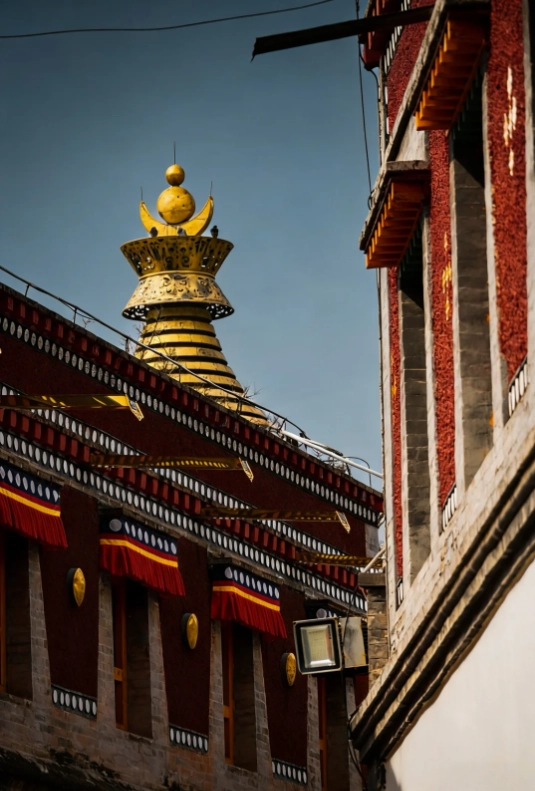
Top Photography Spots Inside the Monastery
1. The Eight Stupas
You can’t miss them – they’re right at the entrance. Most tourists crowd directly in front. Wrong move. Instead, stand sideways, about 20 meters east, near the long prayer wall. Use a wide-angle (16-24mm) to include both the stupas and worshippers prostrating. Early morning light paints the white bases gold.
Pitfall: The ground is uneven cobblestone. I once saw a photographer trip backward with a $3000 lens. Watch your step.
2. Great Gold Tile Temple
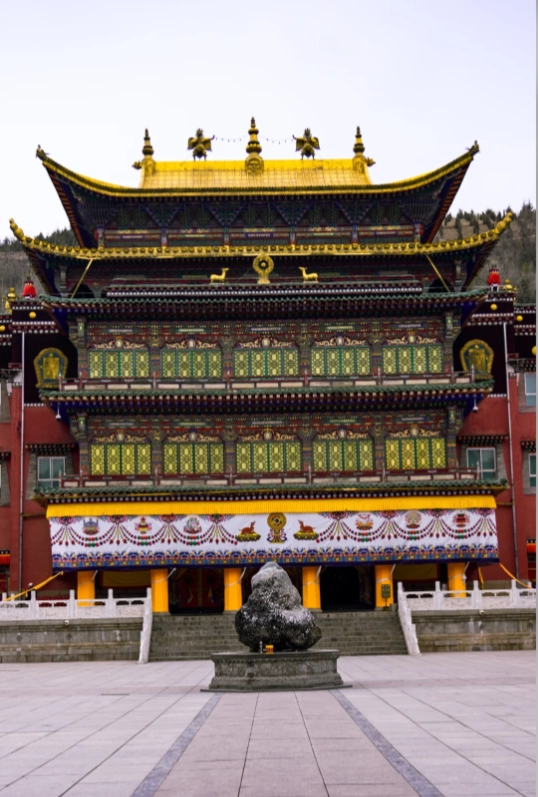
The roof is real gold leaf – and it’s a beast to photograph. The temple sits under a tree, so direct shots often have messy branches. Here’s the trick: go to the second-floor balcony of the adjacent building (ask the monk politely – they sometimes allow it). From there, you get a clean angle with the golden roof against the blue sky.
No tripods allowed inside temples. For handheld, set ISO to 800–1600 and use a fast prime lens (f/1.8 or f/2). The interior butter sculptures and murals are dimly lit – brace your elbows against a pillar for stability.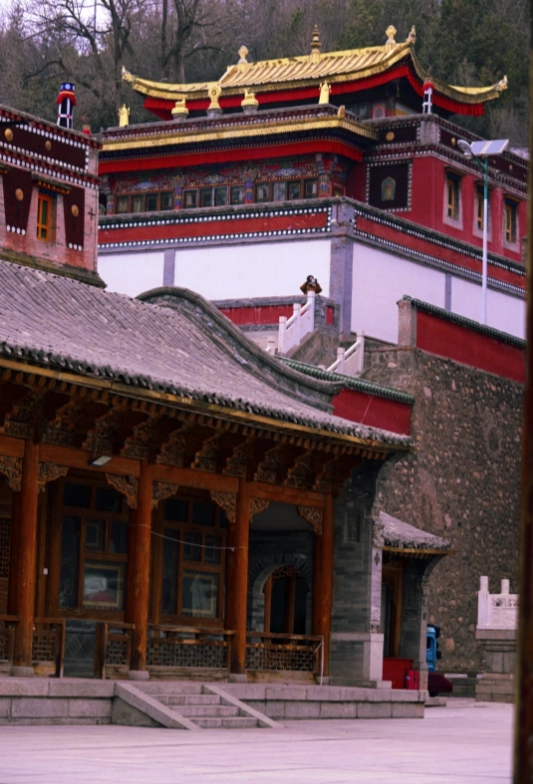
3. The Hill Behind the Monastery
This is my secret spot. Walk past the last temple, through a small gate (usually open), and follow a dusty path uphill for about 10 minutes. You’ll reach a flat rock with a complete view of all the golden roofs and the surrounding valley. Best time: sunrise, just before the ticket office opens. The entrance is free at 6:30 AM if you stay at a nearby guesthouse.
4. Butter Sculpture Hall
These intricate sculptures made of yak butter are kept in a dark, cool room. Photography is allowed but no flash – the heat melts the butter over time, believe it or not. Use a tripod if you can set up slowly, but be ready to step aside for other visitors. I recommend a fast prime (35mm f/1.4) and bump ISO to 3200. The detail is worth the noise.
5. Prayer Corridor
Along the northern edge of the courtyard, a long row of prayer wheels lines the wall. Locals spin them as they walk. For a dynamic shot, place your camera low near the ground, use a slow shutter (1/15s), and capture motion blur of spinning wheels with a sharp monk in the background. You’ll need a polarizer to cut reflections from the polished metal.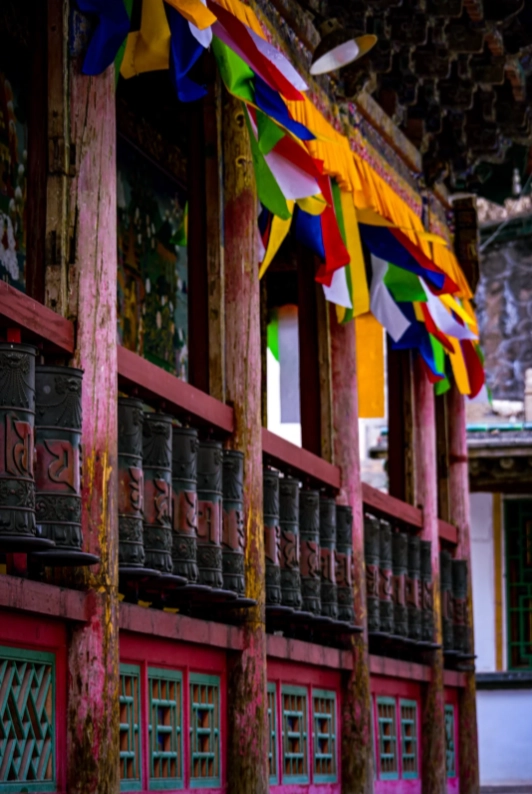
Essential Tips for Photographers
- Gear to bring: Wide-angle (16-35mm) for architecture, telephoto (70-200mm) for candid portraits of pilgrims, and a fast prime (35mm or 50mm) for low light inside halls. A polarizing filter is a lifesaver for cutting glare off gold roofs.
- Permits: Tripods are allowed outdoors but not inside temples without a special permit. For professional shoots (commercial), you need to apply at the monastery office 3 days before. I once saw a vlogger get kicked out for flying a drone – drones are strictly banned here.
- Respect the rules: No photography of monks without asking first. Many will nod yes, but some wave no. Learn to read body language. Also, don’t climb on the stupas or touch the butter sculptures – they’re sacred, and the fines are steep (up to 500 RMB).
- Battery & memory cards: Cold drains batteries fast. Keep spares in an inner pocket. And bring at least 64GB – you’ll shoot more than expected. I’ve filled 128GB in one morning.
What to Know Before You Go
| Item | Details |
|---|---|
| Address | Jinyi Alley, Chengzhong District, Xining, Qinghai |
| Ticket Price | 80 RMB (adult), 40 RMB (student/senior). No free entry for photographers except press card holders. |
| Booking | WeChat mini-program “塔尔寺预约” (all Chinese). Foreign friends: ask your hotel receptionist to book for you, or buy at the gate with cash (long queue). |
| Opening Hours | 8:00–18:00 (summer, last entry 17:00), 8:30–17:30 (winter, last entry 16:30). Prayer halls close 30 min earlier. |
| Transport | Taxi from central Xining: 35–50 RMB (30 min). Bus 909 from Xining Railway Station: get off at “塔尔寺” stop, then walk 800m. |
| Restrooms | Restrooms near the south entrance and inside the compound. Warning: the ones near the ticket office are filthy and have long queues. Use the one at the bus station before coming. |
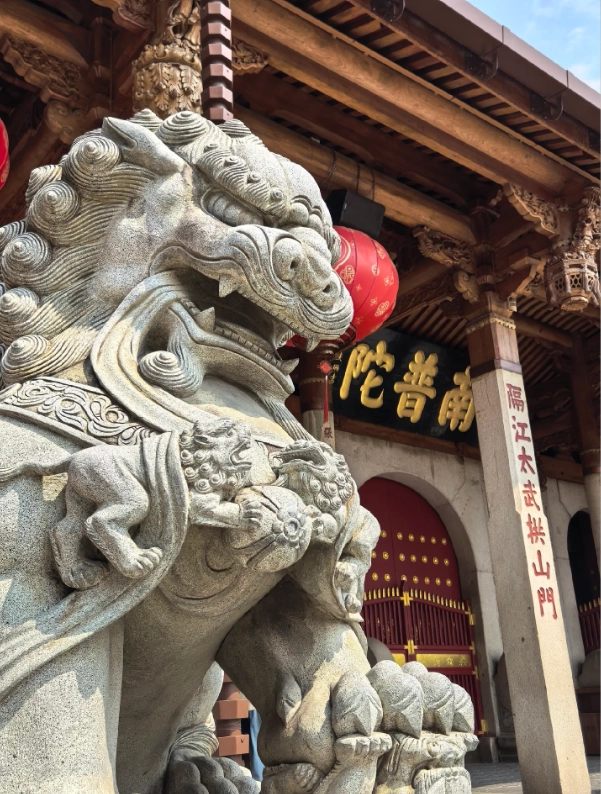





What a breathtaking place! I visited during the winter off-season and practically had the whole monastery to myself. The snow-covered roofs contrasted perfectly with the deep red walls. The silence was profound, only broken by the wind chimes and distant chanting. For landscape photography, the view from the hill behind the monastery is unbeatable—you can frame the entire complex with the mountains behind. Definitely one of the most photogenic spots I've ever been to. A solid 5 stars!
A gem for cultural and portrait photography. I focused on the local pilgrims and monks—their expressions, the worn hands touching the prayer wheels, the dust dancing in the sunbeams inside the halls. The butter sculptures are fragile but photograph beautifully with a macro lens. One tip: be respectful when shooting people; a smile and a nod go a long way. This place gives you stories, not just pictures. Already planning a return trip in autumn for the golden leaves backdrop.
Honestly, I was a bit let down. Maybe my expectations were too high from seeing all those Instagram photos. The compound was packed with tour groups when I visited (around 11am), and I struggled to get a clean shot without people in the frame. Also, the entrance fee felt steep for what you get. The lighting was harsh midday, so most of my photos came out flat. If you go, aim for early morning or late afternoon, and definitely check the weather. Not my best photo day.
If you're into architectural photography, this is a paradise. The intricate wood carvings and colorful murals are stunning. I spent hours just on the main prayer hall facade. The only downside was that some areas had a 'no photo' sign, which was a bit frustrating but understandable. Still, the allowed spots are more than enough to fill a memory card. The late afternoon light gives the gold roofs a magical glow. Highly recommended!
Absolutely incredible spot for photography! I got there just before sunrise and the golden light hitting the white pagodas was unreal. The prayer flags in the foreground made for some of the best shots I've taken in years. The monks were already doing their morning rounds and I managed to capture some candid moments without being intrusive. Highly recommend bringing a telephoto lens for the details on the rooftops. 5/5, will come back every chance I get!