 Hong Ma
What's inside
I've been guiding groups through Kumbum Monastery (a.k.a. Tar Temple) for eight years. And every single time, I see the same panicked faces: tourists who didn't know they'd need cash, who showed up at noon under the scorching sun, or who tried to pay with their Visa card at a street stall. Let me save you that pain.
Here is the bottom line upfront: Kumbum is stunning — but it's also a maze of ticket zones, hidden fees, and crowd pitfalls. If you only have half a day, follow my exact plan below. Otherwise, you'll waste time at the wrong spots and miss the real gems.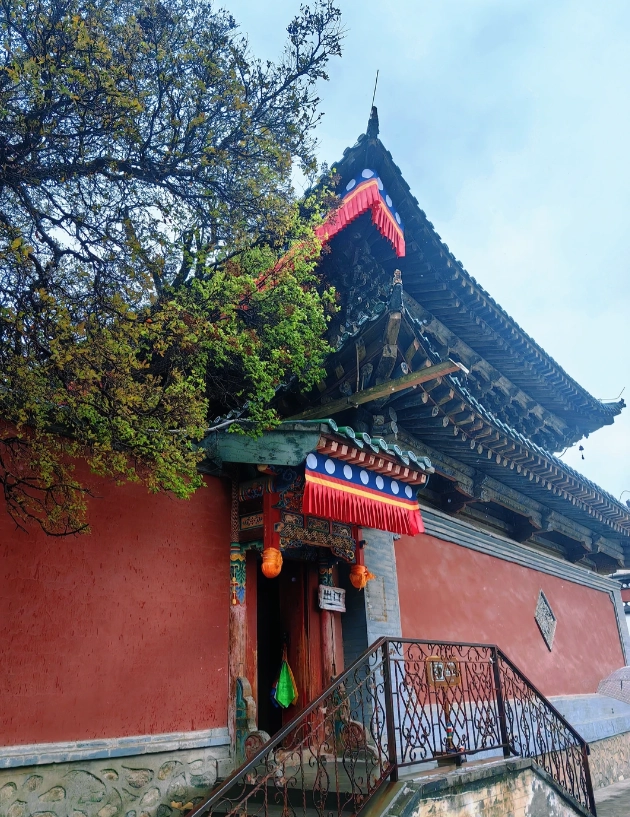
Why Kumbum deserves your time
Kumbum Monastery is one of the six great Gelug monasteries of Tibetan Buddhism. It's where the famous Butter Sculpture art originated, and it houses the magnificent golden roof of the Great Gold Tile Temple. Unlike some other monasteries in Tibet, Kumbum is relatively accessible from Xining (only 30–40 minutes by car). That's why it's a must-do on any Qinghai itinerary.
I always tell my guests: if you only have one day outside Xining, make it this place. You get a blend of art, architecture, and living culture — monks chanting, pilgrims prostrating, and butter smell lingering in the air.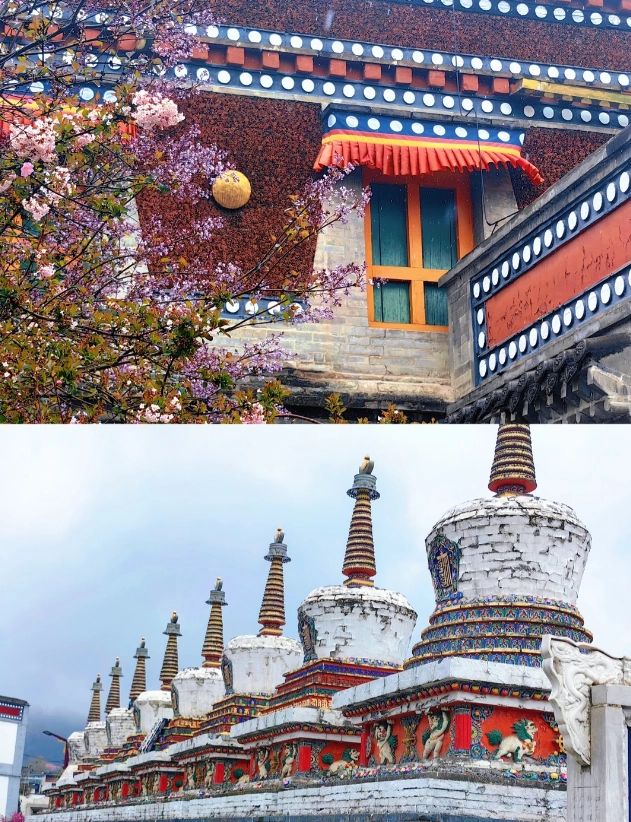
Ticket & entry reality (no BS)
Let's cut through the confusion. Kumbum uses a two-tier entry system. Here's the official breakdown:
| Item | Details |
|---|---|
| General entrance ticket | 70 RMB (adult, ~$10 USD). No online discount. Must buy at ticket office with cash or Alipay/WeChat. International credit cards? |
| Discounts | Children under 1.2m free. Students (full-time) 35 RMB. Seniors 60+ with ID 35 RMB. Foreigners rarely get the discount unless they have a valid student ID. |
| “Treasure Hall” extra ticket | 15 RMB cash only. This is a small hall with a giant jewel-encrusted stupa. Worth it? Only if you're into bling. |
| Opening hours | Summer (Apr–Oct): 8:00–18:00, last entry 17:30. Winter (Nov–Mar): 9:00–17:00, last entry 16:30. Closed during major Tibetan festivals (check ahead). |
| How to buy | In person only. No online booking for foreigners — don't bother with the WeChat mini-program (it's all Chinese and requires a Chinese ID). Bring cash! Most ticket windows accept Alipay, but if your foreign card doesn't link, you're stuck. |
How to get there without headaches
Xining is the gateway. You have three options:
1. Taxi / Didi (best for your sanity)
From Xining city center (e.g., Moslem Street), it's about 30km. Cost: 70–90 RMB one way (about $10–13). Tell the driver to take you to the East Gate (东门) — not the main south gate! The south gate queue is always longer, and you'll walk an extra 200m along a noisy road. I always use Didi (the Chinese Uber) because the price is fixed. Show the driver this Chinese text: “请到塔尔寺东门”.
2. Bus (cheap but slow)
Option A: Take bus 909 from Xining Railway Station (west square) — costs 4 RMB, runs every 20 minutes. Get off at “塔尔寺” stop. Then walk 15 minutes to the east gate. Warning: the bus is often packed, and you'll stand. Not fun after a long flight.
Option B: Tourist bus line 3 from Xining Center Bus Station (near the mosques) — 5 RMB, direct to the monastery parking lot. But the schedule is irregular. I'd only recommend this if you're on a tight budget.
3. Rental car / private driver
I usually book a private driver through Ctrip or Klook for around 300–400 RMB for a half-day (including waiting time). Perfect if you're a family or a small group. The driver will wait while you explore, then take you back. No parking hassles.
Best time to visit & photo hacks
Most tourists arrive between 10 AM and 2 PM. That's the worst window. Here's what I do with my groups:
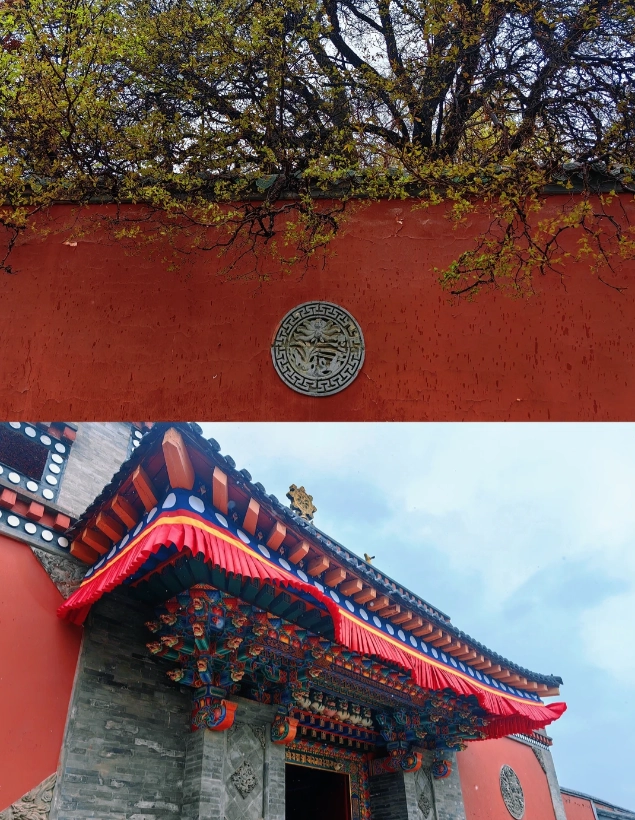
- For light: Come at 8 AM (summer) or 9 AM (winter) when the sun just hits the golden roofs. The morning light is soft. By 11 AM, the colors get washed out and harsh shadows appear.
- To avoid crowds: The deadliest hour is 11:30 AM when bus tours pour in. I always start at the East Gate, go counterclockwise through the back halls, and reach the main prayer hall (Sichuan Hall) around 1:30 PM when the groups are having lunch.
- Butter Sculpture Hall tip: This is indoors and dimly lit. Flash photography is forbidden. Best time to see it is right after opening (8 AM) because the butter hasn't melted from the day's heat yet — the details are sharper.
What to see inside: Not all halls are equal
The monastery has 24 major halls and countless smaller ones. You don't have to see them all. Here's my curated list based on what actually impresses guests:
| Must-see | Why | Time needed |
|---|---|---|
| Great Gold Tile Temple | 1300 kg of gold on the roof. Inside, a 12m tall silver stupa encrusted with jewels. Go early to avoid the selfie crowd. | 20 min |
| Butter Sculpture Hall | Stunning sculptures made from yak butter. They change exhibition every year. Fragile and detailed — look closely at the faces. | 15 min |
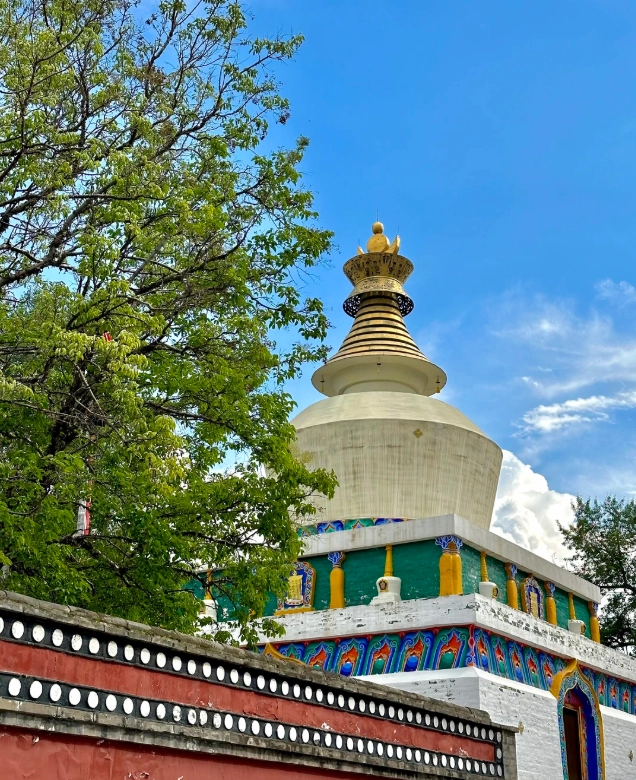
| Eight Stupas | The iconic entrance photo spot. Eight white stupas with colored bands. Best shot from a distance, with no people in frame. Impossible at noon. | 10 min |
| Sichuan Hall | Contains a giant Maitreya Buddha statue. I always tell guests to spin the prayer wheels inside as a sign of respect. | 15 min |
| Debating Courtyard | Monks debate Buddhist philosophy in the afternoon (around 4–5 PM). It's a lively scene — but only if you're there on a weekday. Weekends are tourist-packed and the monks often retreat inside. | 15 min |
Skip the “Treasure Hall” unless you love diamonds. The extra 15 RMB ticket is not worth it in my opinion — you've already seen gold and silver in the main hall.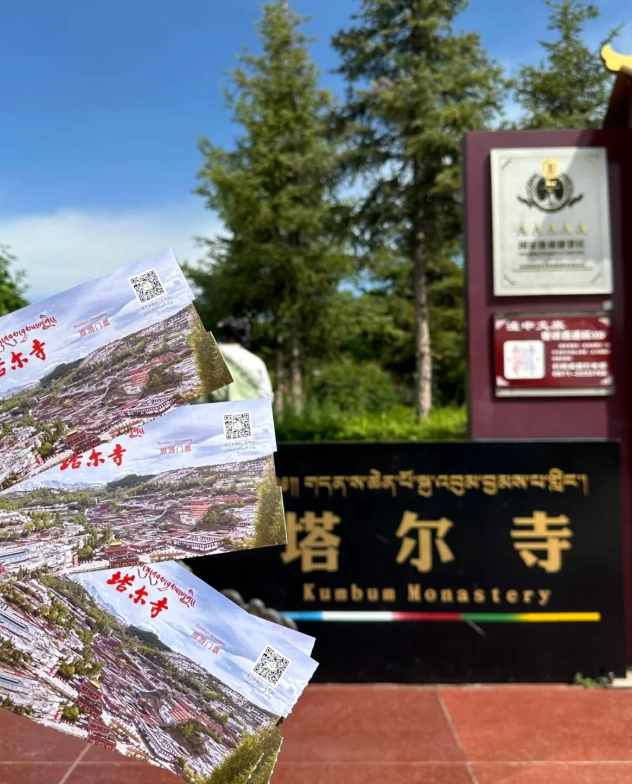
Where to eat and what to avoid
Inside the monastery complex, there's only one noodle shop near the south gate — it's overpriced (20–25 RMB for a bowl of plain noodles) and the hygiene is questionable. I never eat there.
My go-to spot is Lama's Kitchen , a family-run place 5 minutes' walk from the east gate. Spin the map: 塔尔寺东门向西200米. Look for a red sign with Tibetan script. The owner is a former monk. Try their tsampa (roasted barley flour) and yak butter tea. Prices: 15–30 RMB per dish. They accept cash and Alipay, but not foreign cards.
If you want a proper meal, take a taxi 10 minutes to the town of Lushaer . I recommend Yak Meat Hotpot Restaurant on the main street. Google Maps rating 4.3. A hotpot for two is about 80 RMB. They have an English menu (with pictures).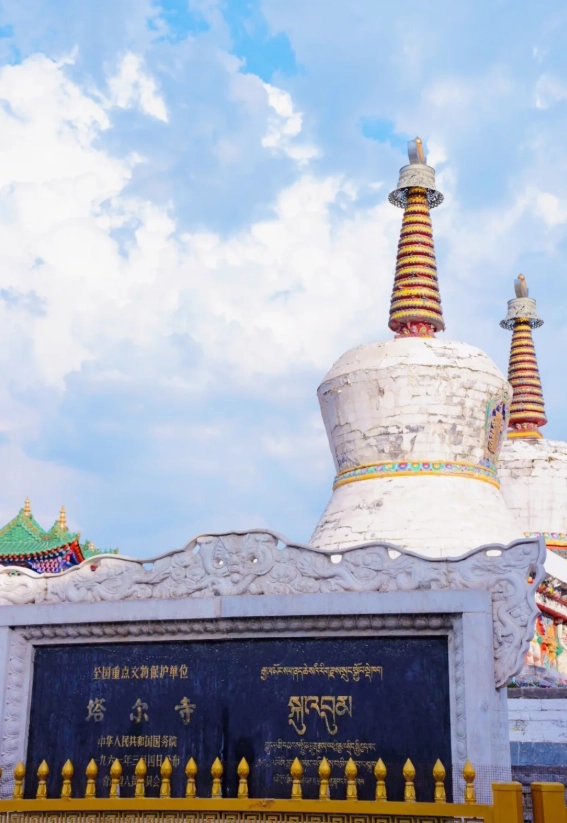
Common mistakes foreigners make
After dozens of tours, I've compiled the top 4 screw-ups:
- Going to the wrong entrance. The south gate is a trap — longer queue, more touts, and it's the furthest from the exit. Always use the east gate.
- Not bringing enough cash. Believe it or not, the ticket office's POS machine frequently “breaks” for foreign cards. I've seen guests have to borrow money from strangers. Bring at least 200 RMB in small bills.
- Thinking you can cover everything in 1 hour. The guided route takes at least 2.5 hours. If you rush, you'll skip the best parts (Butter Sculpture Hall needs quiet observation).
- Dressing too lightly. Even in summer, the sun is intense at 2800m altitude, but the halls are cool and dim. Wear layers. And take off your hat when entering a hall — it's a sign of respect.
FAQ
Verified and fact-checked by the editorial team.





Absolutely loved Kumbum Monastery, and this guide made the visit so much smoother. The author’s suggestion to bring small bills for donation boxes and snacks was surprisingly useful. I also appreciated the cultural etiquette notes — saved me from accidentally pointing my feet at a statue. Best resource I found online. 10/10 would read again.
This insider tips article helped me navigate Kumbum Monastery without feeling lost. The tip about hiring an English‑speaking guide at the entrance was gold — ours explained the symbolism of the murals that I’d have missed otherwise. Only gave four stars because the monastery’s own signage is confusing even with the guide’s advice. Still highly recommend reading before you go.
Decent guide overall, but I found a few things a bit off. The suggested three‑hour itinerary felt rushed — we spent way longer in the Great Golden Tiled Hall just soaking in the details. Also, the map mentioned inside the article was hard to read on my phone. Not a bad resource, but I’d double‑check times and ticket info elsewhere too.
Finally made it to Kumbum after dreaming about it for years. This guide’s advice on which halls to prioritize was perfect for my short afternoon visit. The white stupa area was stunning at golden hour, just like the article said. A fellow traveler I met used the same tips — we both agreed it’s a must-read. Five stars, no notes.
I read this guide before heading to Kumbum and honestly, it saved me a lot of hassle. The tip about arriving right when it opens to avoid the tour bus crowds was spot on. Saw the butter sculptures in peace. Only wish the guide mentioned that some halls require an extra ticket — caught me off guard. Still, a solid read for first-timers.