 Peng Gao
Quick Navigation
I have lost count of how many times I have stood at Xining Railway Station, watching first-time travelers step off the train from Beijing or Xi'an, looking lost. They think the Qinghai-Tibet railway starts somewhere else—but no, Xining is the real beginning. The train rolls out of this city at 2,200 meters elevation, and from there, it climbs into the Tibetan Plateau. Get this part wrong, and your whole Tibet trip suffers.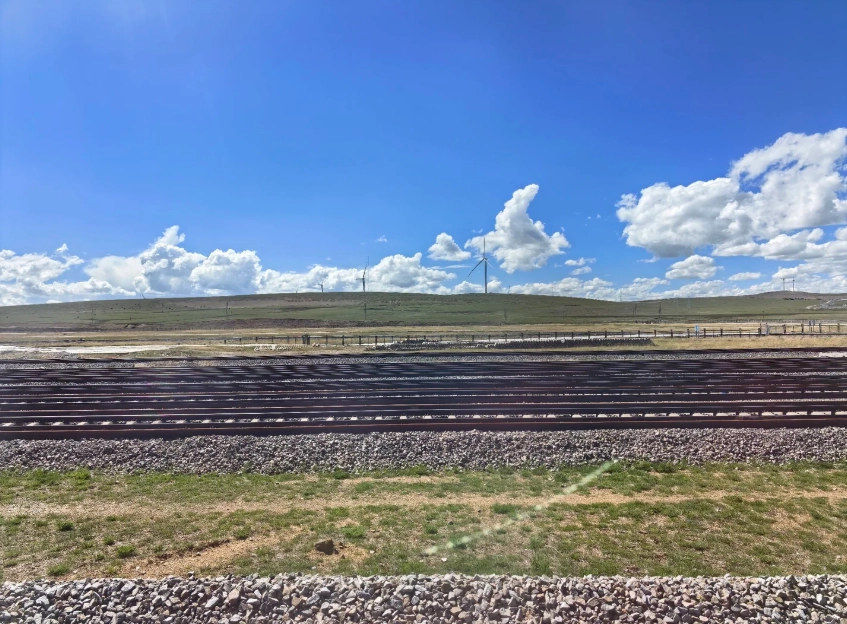
Here is the catch: most online guides tell you to just “book a ticket and show up.” That is a disaster waiting to happen. I have seen couples with valid e-tickets turned away because they did not pick up the paper ticket. I have watched backpackers run out of cash because the dining car only accepts Alipay. This guide covers everything—from booking to boarding—so you can skip those rookie mistakes.
Why Xining is the True Starting Point
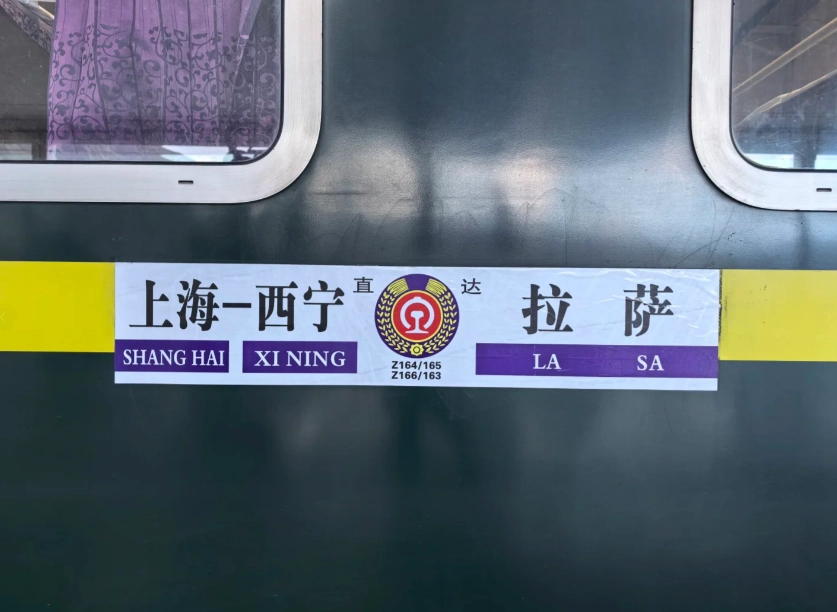
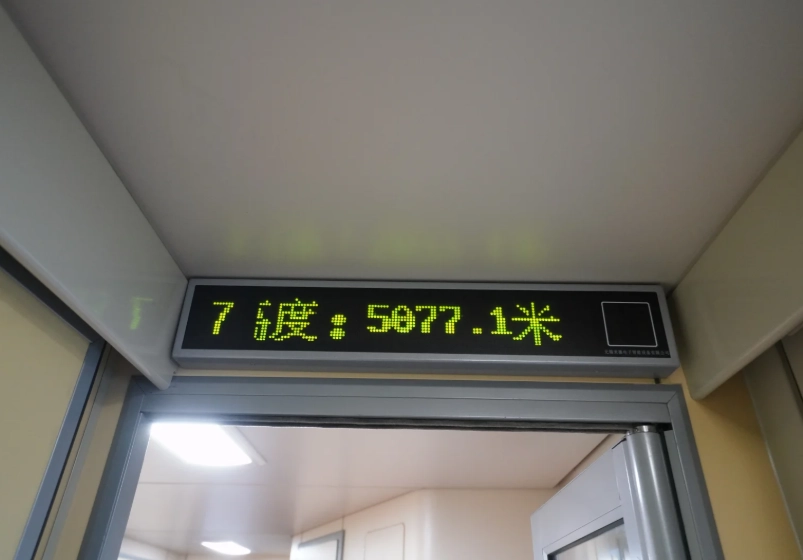
The Qinghai-Tibet Railway runs from Xining to Lhasa (1,956 km). While some trains originate from Beijing, Shanghai, or Guangzhou, the bottleneck is always Xining. All trains from eastern cities must pass through here, and passengers change to the high-altitude train cars equipped with oxygen supply. The route west of Xining crosses the Tanggula Pass at 5,072 meters—the highest railway in the world.
For foreign tourists, Xining is where you must:
- Adjust to altitude (2,200m) before the big climb.
- Pick up your paper ticket (mandatory for international passport holders).
- Stock up on snacks and cash because the train’s dining car is limited.
How to Get to Xining
By Air
Xining Caojiabao International Airport (XNN) is 30 km from the city center. A taxi to the railway station takes about 40 minutes (RMB 80-100). There is also an airport bus (RMB 25, runs every 30 minutes) dropping you at the main bus terminal—then a short metro ride to the station.
By Train
If you are coming from Beijing, take the G train (9 hours, ~RMB 750). From Xi'an, it is 4.5 hours (RMB 280). The high-speed rail station is separate from the regular station—make sure you know which one your Tibet train departs from (usually from the “Conventional Station” building, not the high-speed terminal).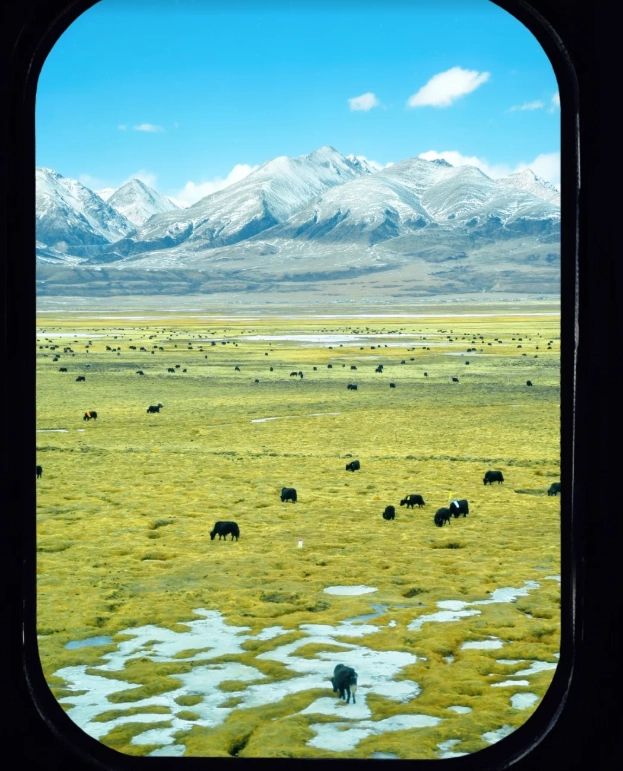
Where to Stay in Xining
Most tourists stay one night before the train. Pick a hotel near the railway station to avoid morning traffic stress. I recommend:
| Hotel | Address | Price Range (RMB/night) | Why I Like It |
|---|---|---|---|
| Xining M Hotel | 2 Wuyi Road, Chengdong District | 350-500 | 5-min walk to station; front desk speaks basic English; reliable WiFi. |
| Magnolia Hotel | 108 Qiyi Road, Chengzhong District | 250-400 | Close to Muslim Quarter; luggage storage available; good for budget. |
| Qinghai Hotel | 158 Huanghe Road | 400-600 | Older but spacious rooms; helpful concierge can print tickets for you. |
Tip: Book at least 3 days in advance during summer (May-October) because trains to Tibet fill up fast.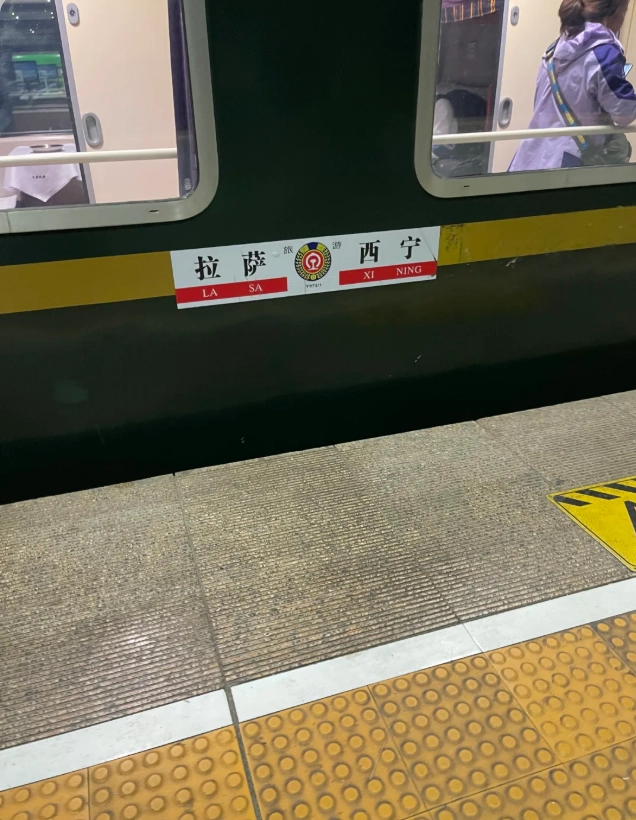
Booking Your Qinghai-Tibet Railway Ticket: The Painful Truth
Getting a ticket as a foreigner is a headache. Chinese citizens use 12306. You cannot use it directly because you need a Chinese ID. Instead, you have three options:
- Use a third-party agent (Trip.com, Klook, or local agencies). They charge a fee (RMB 100-200) but handle the booking. Make sure they send you a voucher—you still need to exchange it for a paper ticket at the station.
- Buy at the station ticket office. Only attempt this if you have a Chinese-speaking friend. The foreigner window is often closed, and the staff rarely speaks English.
- Ask your hotel concierge. Many hotels in Xining can book it for you for a small fee (RMB 50).
Important: You must pick up the actual paper ticket at the station before boarding. The automated machine will not work for passports—go to Window 1 or 2 in the main hall. Arrive at least 1.5 hours early.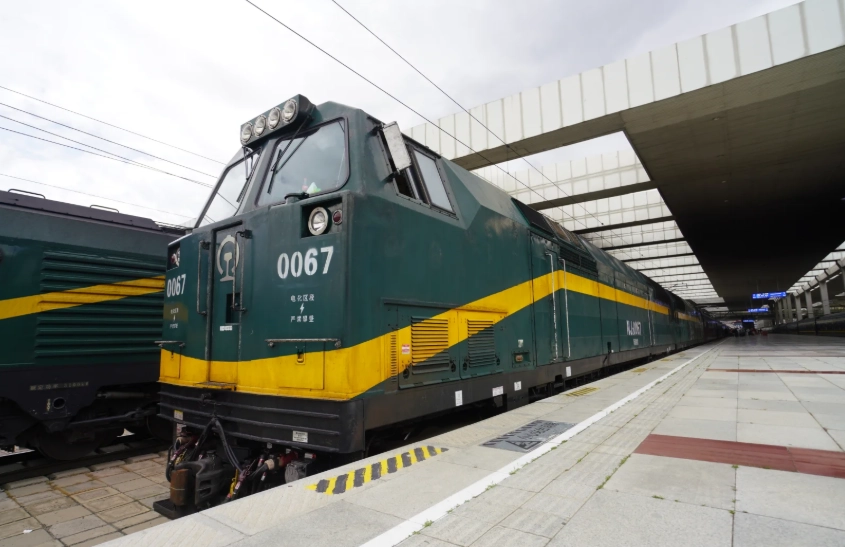
Recommended Train Numbers
For first-time travelers, I suggest the Z6811 (departs 14:30, arrives Lhasa 14:45 next day) or Z21 (departs 12:15, arrives 12:30 next day). Both are direct overnight trains with soft sleeper compartments (RMB 800-1000). The Z21 passes the Tanggula Pass in daylight—better for photos.
What to Eat and Buy Before Boarding
The dining car serves passable Chinese dishes (RMB 40-60 per meal), but it closes at 9 PM. Buy enough for the 24-hour journey. Near Xining Station, there is a small convenience store and a Muslim food stall. Grab:
- Snacks: Nuts, biscuits, instant noodles (the train has hot water).
- Fruit: Apples or oranges—avoid bananas (they will bruise).
- Drinks: Bottled water (at least 2 liters), electrolyte drinks.
My personal recommendation: The lamb skewers from the stall outside the station are excellent (RMB 8 per stick). Buy a few before boarding—they taste even better at altitude.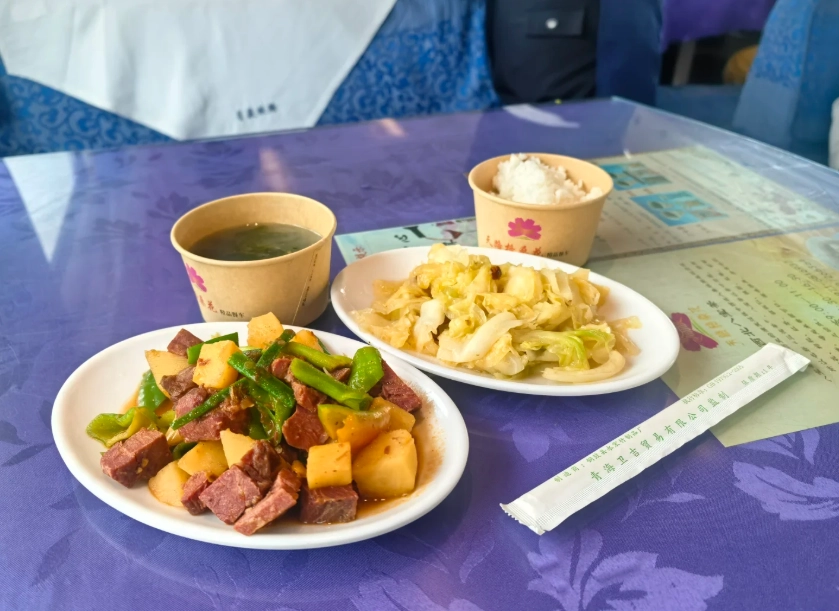
Essential Pre-Departure Checklist
- Paper ticket in hand (passport + ticket).
- Copies of passport and visa (keep separate from originals).
- Altitude sickness pills (take first dose 2 hours before departure).
- Cash (RMB 500-1000 in small bills)—train card payments sometimes fail.
- Power bank (only one USB port per compartment).
- Toilet paper and wet wipes (train toilets run out quickly).
- Small lock for your luggage rack.
Common Mistakes I See Tourists Make (and How to Avoid Them)
1. Booking a hard seat to save money. Do not do it. The trip is 24 hours. Hard seat is miserable—no recline, constant noise, freezing at night. Pay for soft sleeper (four berths, door, privacy).
2. Not adjusting to altitude in Xining. I always tell my groups: spend at least one night in Xining before boarding. The sudden jump from sea level to 5,000m on the train causes severe headaches. Walk slowly, drink lots of water, avoid alcohol.
3. Ignoring the oxygen supply. Each soft sleeper compartment has an oxygen nozzle. If you feel dizzy, ask the attendant to turn it on (free of charge). First-time users often think it is broken—it is not; just twist the valve.
4. Being late for departure. The train boards 20 minutes before departure. If you miss it, you cannot refund or change the ticket. I had a family from Australia arrive 5 minutes late and they had to buy new tickets for the next day—cost them twice.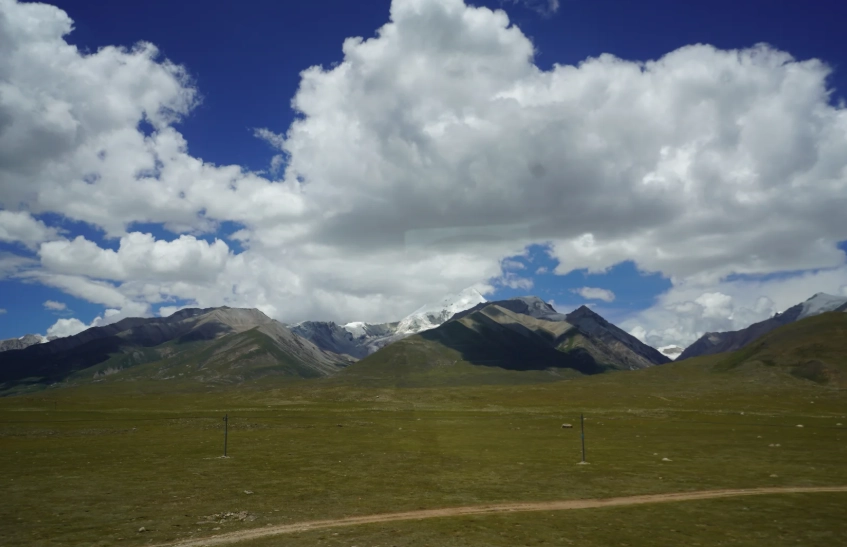






I arrived in Xining specifically to board the Qinghai-Tibet Railway, and it did not disappoint. The sense of history at the station is palpable—there's even a plaque marking the zero kilometer. The surrounding food stalls had amazing yak butter tea and you can feel the altitude change already. A perfect start to an unforgettable journey. Five stars without hesitation!
As a rail enthusiast, Xining is hallowed ground—the beginning of the highest railway on the planet. The station has a dedicated bridge connecting to the platform, and watching the Qinghai-Tibet train pull in gave me goosebumps. The ticket price is reasonable, and the onboard service was excellent. Can't recommend this departure point enough. 5/5!
Standing at the Xining departure platform, I felt a rush of excitement knowing this was the threshold to the Roof of the World. The staff were helpful, the train was spotless, and the gradual climb out of the city revealed terraced fields and snow peaks. If you love trains and epic landscapes, this is where your dream trip begins. Absolutely five stars!
I was torn between flying and taking the train, and I'm glad I chose the latter starting from Xining. The station has a small museum about the railway construction that gave me chills. The only downside: the waiting area was crowded and the restrooms could be cleaner. Still, the journey itself and the sense of adventure make it a solid 4-star experience.
Xining as the starting point is historically significant, but the station itself felt a bit chaotic when I visited. Long queues for the boarding gate and not enough signage in English. The wait was worth it once the train rolled out, though—the views toward Golmud are breathtaking. Still, for a major gateway, they could improve the passenger flow.