 Qiang Huang
I still remember the first time I walked into 1933 Old Millfun. The air felt cool and damp, and the sound of my footsteps echoed off the concrete walls. It wasn't like any other tourist spot in Shanghai—no flashy signs, no crowded souvenir shops. Just this massive, eerie building that somehow felt alive with history. If you're looking for a raw, authentic slice of Shanghai's past, this is it. But let's cut to the chase: here's everything you need to know to visit 1933 Old Millfun, based on my own trips and mistakes I've seen others make.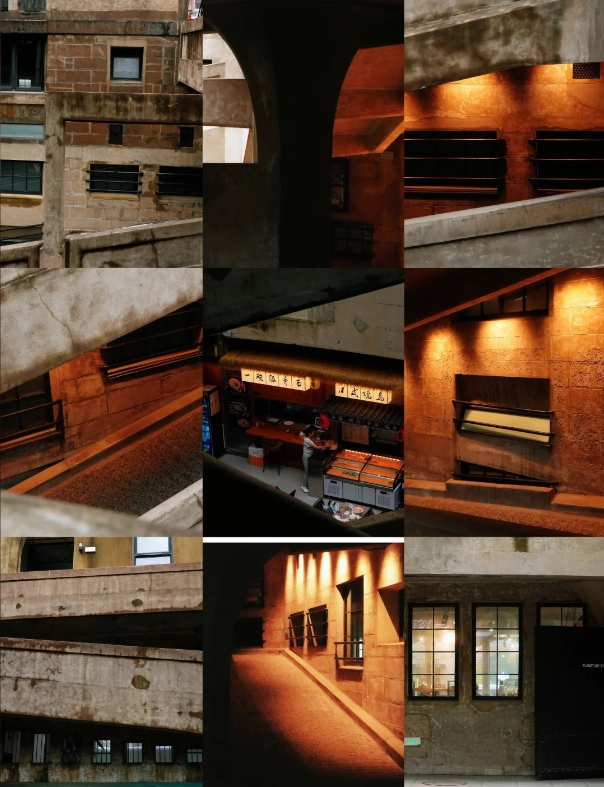
Quick Navigation: What's Inside This Guide
What is 1933 Old Millfun?
1933 Old Millfun is a historic building in Shanghai that started life as a slaughterhouse. Built in 1933 by British architects, it was one of the largest and most modern abattoirs in East Asia at the time. Today, it's been transformed into a creative hub—think art galleries, design studios, cafes, and event spaces. But don't expect a polished museum; the place retains its industrial grit, which is exactly why photographers and history buffs love it.
When I ask locals about it, some shrug and say it's just an old building. But once you step inside, you realize it's a time capsule. The central atrium, with its spiral ramps and narrow bridges, was designed for efficiency in moving livestock. Now, it's a labyrinth of shadows and light, perfect for exploration.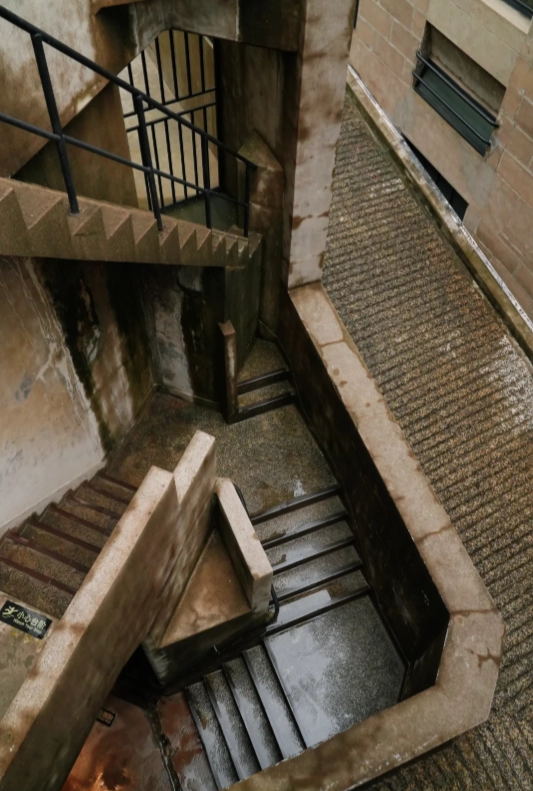
The History and Architecture of 1933 Old Millfun
The history here is darker than most Shanghai attractions. The slaughterhouse operated for decades, serving the city's meat supply until it closed in the late 20th century. During my visit, I spoke with a guide who pointed out subtle details—like the drainage channels in the floors, originally for blood runoff. It's these bits that hit you hard.
Architecturally, it's a mix of Art Deco and industrial design. The building uses reinforced concrete, which was innovative for its time. Key features include:
- Spiral Ramps: These were for herding animals up and down. They create dizzying perspectives that are a photographer's dream.
- Narrow Walkways: Designed to control animal movement, they now make for tight, intimate corridors.
- Natural Light Wells: Strategically placed skylights flood the interior with soft light, reducing the need for artificial lighting back in the day.
One thing most guides don't mention: the acoustics. Stand in the center of the atrium and clap—you'll hear a weird echo that bounces off the concrete. It's a small detail, but it adds to the eerie atmosphere.
How to Visit 1933 Old Millfun: Practical Info
Planning a visit? Here's the nitty-gritty. I've made trips here in different seasons, and trust me, getting the logistics right saves time.
Location and Address
1933 Old Millfun is located at 191 Shajing Road, Hongkou District, Shanghai. It's not in the touristy areas like The Bund or Nanjing Road, so you'll need to navigate local streets. I found it easiest to use a map app—Google Maps works fine, but Baidu Maps is more accurate for local details in China.
Opening Hours and Ticket Prices
Good news: entry is free. The building is open to the public daily from 9:00 AM to 10:00 PM. However, individual shops and galleries inside might have shorter hours, typically 10:00 AM to 6:00 PM. I went on a weekday afternoon, and it was relatively quiet; weekends can get busy with events.
| Item | Details |
|---|---|
| Address | 191 Shajing Road, Hongkou District, Shanghai, China |
| Opening Hours | 9:00 AM – 10:00 PM (daily) |
| Ticket Price | Free admission |
| Best Time to Visit | Weekday mornings for photos, evenings for events |
Getting There: Transportation Options
Public transport is the way to go. The nearest metro station is Hailun Road on Line 4 and Line 10. From there, it's a 10-minute walk. I took Line 4 from People's Square—it was straightforward, but the walk can be confusing if you're not used to Shanghai's side streets. Look for signs pointing to "1933 Old Millfun" or follow the crowd; often, locals head there too.
If you're taking a taxi, show the driver the address in Chinese: 上海1933老场坊 (Shàng hǎi 1933 lǎo chǎng fáng). Rideshares like Didi work well too. Parking is limited, so I'd avoid driving.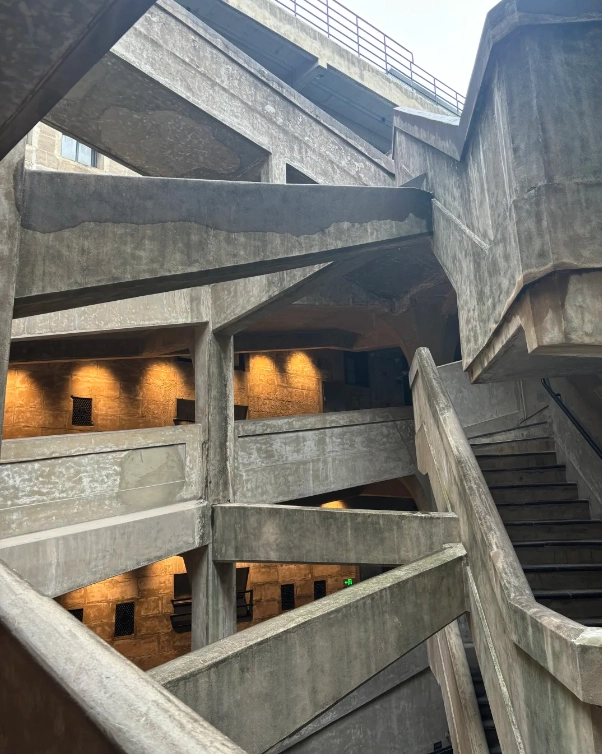
What to See and Do at 1933 Old Millfun
This isn't a place with a checklist of attractions. It's more about soaking in the vibe. But here are spots I always revisit.
Architectural Highlights
Start at the central atrium. The spiral ramps are the star—walk up slowly and notice how the light changes. I spent an hour just capturing different angles. Then, explore the peripheral corridors; they're darker and quieter, with remnants of old machinery. One corner has a small exhibition on the building's history, but it's often overlooked.
Current Uses and Activities
The building houses creative tenants. You'll find:
- Art Galleries: Like the 1933 Contemporary Art Space, which hosts rotating exhibitions. I saw a photography show there last spring—it was free and thought-provoking.
- Cafes and Restaurants: There's a coffee shop on the ground floor with decent brew. Prices are higher than street stalls, but the ambiance is worth it for a break.
- Event Spaces: Fashion shows, markets, and performances happen regularly. Check their official website or social media for schedules. I stumbled upon a design market once—it was crowded but fun.
A common mistake: people rush through. Instead, linger. Sit on a bench and watch the light play on the walls. You'll notice details like the textured concrete or the old rail tracks embedded in the floor.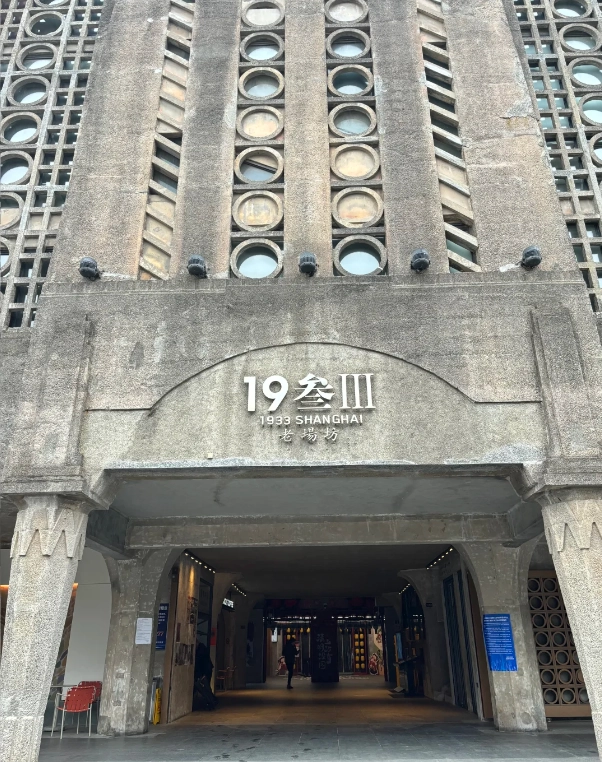
Insider Tips for Visiting 1933 Old Millfun
Based on my experience, here's how to make the most of your visit.
Wear comfortable shoes. The floors are uneven, and you'll be walking a lot. I saw someone in heels struggling on the ramps—not a good idea.
Bring a camera, but be respectful. Photography is allowed, but avoid using flash in dim areas; it ruins the atmosphere. Also, some tenants might not appreciate shots of their private spaces.
Visit during off-peak hours. Mornings on weekdays are best for solitude. Evenings can be lively with events, but it gets noisy. I prefer the quiet times to truly appreciate the architecture.
Combine it with nearby sights. 1933 Old Millfun is close to the Hongkou Football Stadium and Lu Xun Park. You can plan a half-day trip covering these spots. I often pair it with a stroll along the Suzhou Creek.
One thing I dislike: the lack of clear signage. It's easy to miss interesting nooks. Don't be afraid to explore off the main paths—that's where I found a hidden staircase leading to a rooftop view.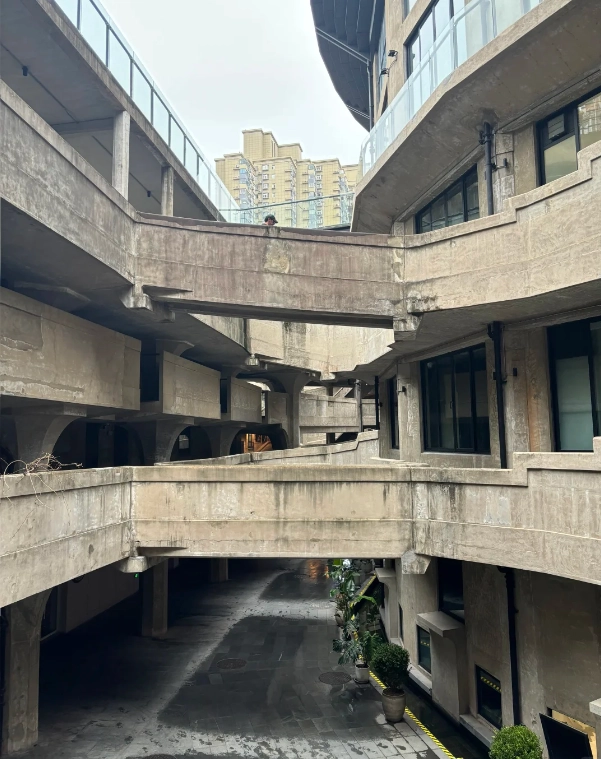
FAQs About 1933 Old Millfun
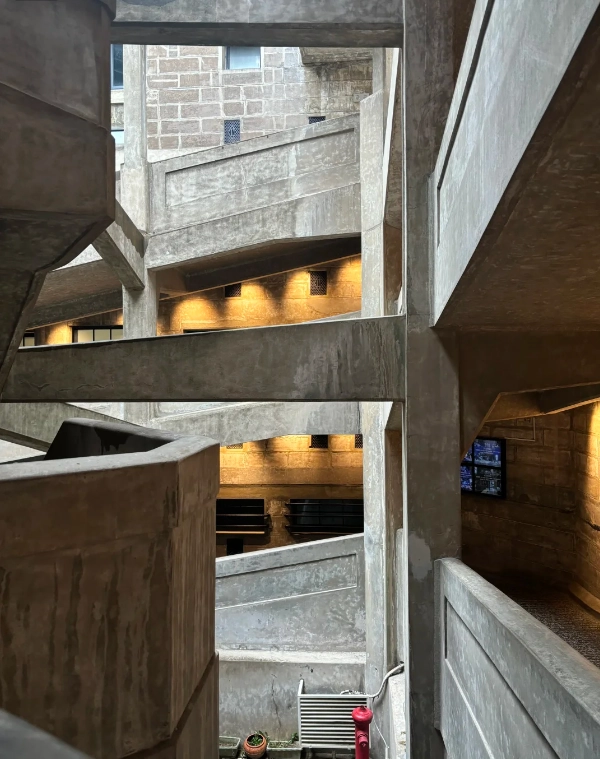 After multiple visits, I still discover new corners. 1933 Old Millfun isn't just a building; it's a testament to Shanghai's layered history. Whether you're a first-timer or a returning explorer, take it slow and let the place speak for itself. For more authoritative info, you can refer to sources like the Shanghai Cultural Heritage Administration or travel reports from reputable sites like Lonely Planet.
This guide is based on my personal visits and fact-checked against local resources. Details like hours and access are current as of my last trip.





Honestly, I was a bit let down. The building itself is cool — I'll give it that — the old industrial feel is undeniable. But it feels way too commercialized now. Most of the 'creative' spaces are just overpriced boutiques selling generic souvenirs or cafes charging 50 kuai for a mediocre latte. The place was pretty crowded and noisy when I visited, and I didn't find the atmosphere very inspiring. It's not terrible, but I've seen much better adaptive reuse projects in other cities. If you have limited time in Shanghai, I'd skip this and go to M50 or the French Concession instead.
Really cool concept and the building is definitely impressive — the old slaughterhouse architecture gives it a unique, almost eerie atmosphere that I loved. There are some interesting shops and galleries, and I enjoyed the rooftop view. However, I found the signage pretty confusing; it's easy to get lost and miss certain areas. Also, several of the smaller studios were closed when I went on a weekday afternoon, so maybe aim for a weekend. It's worth a visit if you're in the area, but I wouldn't go out of my way for it. Solid four stars from me.
1933 Old Millfun is exactly what Shanghai needs more of — a repurposed historic space that actually feels alive. I visited on a Sunday and caught a small contemporary art exhibition in one of the old slaughter bays, plus there was a pop-up design market in the central atrium. The architecture alone is worth the trip: those brutalist concrete curves, the intricate ironwork, the way sound echoes through the halls. It's not overcrowded like some other tourist spots, so you can really take your time exploring. If you're into culture, design, or just want a cool place to wander for a few hours, this is it. Will definitely come back.
Came for the history, stayed for the food. The 1933 building itself is stunning — those geometric staircases and open courtyards are insane. But what really hooked me was the food scene inside. Had a flat white at a tiny roastery tucked behind a gallery (best coffee I've had in weeks), then grabbed a sourdough pizza from a pop-up kitchen. There's also a craft beer bar with a massive outdoor terrace. Perfect spot to spend a lazy Saturday afternoon — grab a drink, wander the halls, and soak in the amazing blend of old and new. Highly recommend!
Absolutely blown away by this place. Walking through the old slaughterhouse corridors with the original concrete ramps and iron gates feels like stepping into a movie set. The light pouring through the saw-tooth roof skylights is a photographer's dream. Tons of indie studios, galleries, and quirky cafes tucked away in every corner. Spent almost four hours here and still didn't see everything. One of the most unique spots in Shanghai — a must-visit for anyone who loves industrial architecture and creative vibes. Bring a wide-angle lens!
One of my favorite spots in Shanghai! The raw concrete, the light shafts, the spiral staircases—it's a photographer's and architect's dream. I went during a contemporary art pop-up and the way the artworks interacted with the old drainage channels was genius. The staff at the info desk were super helpful too. A perfect blend of history and modern creativity. Highly recommend going early to avoid the crowds.
Honestly a bit disappointed. The building itself is impressive from the outside, but inside it's overly commercialized. Most of the shops sell the same generic souvenirs and the food court was meh. The historic slaughterhouse narrative barely comes through—felt more like a generic mall. Plus there's construction noise next door. Not terrible but I expected more for such a famous spot. 3/5.
Came here on a weekday afternoon and it was pretty empty, which was nice. The historic slaughterhouse turned creative hub is fascinating—the labyrinthine layout is like nothing else. However, I found the exhibitions scattered around a bit random and not very curated. If you're into photography you'll love it; if you're looking for deep culture you might feel a bit let down. Good for an hour or two.
Very cool concept and the building itself is stunning. Loved the contrast between the brutalist concrete and the trendy shops. Only gave 4 stars because the crowds on weekends are insane—hard to get a quiet moment. Also some of the little boutiques felt overpriced. Still, worth a visit if you time it right. Free entry which is a bonus.
Absolutely blown away by the architecture here. The old slaughterhouse vibe mixed with modern art installations is just unreal. Spent hours wandering through the winding ramps and staircases—every corner is a photo op. The café on the second floor had decent coffee too. Definitely a must-see in Shanghai for anyone into industrial history or instagrammable spots. Will come back next trip!
Came here based on a friend's recommendation. The building's history is fascinating — read the plaques about the original cattle ramps and the 'umbrella room'. However, the 'creative hub' part is a bit underwhelming. Most of the tenants seem to be offices or private studios you can't enter, and there was barely any signage. Felt more like a photo backdrop than an actual destination. Good for 30 minutes, then move on.
The venue is undeniably cool — very Instagram-worthy. But as a functional creative space, it falls a bit short. There's a small fashion design studio and a few pop-up stalls, but the overall curation felt random. I was hoping for more galleries or workshops. Also, the escalators were broken, which made navigating the floors a workout. A solid 4 for the beautiful setting.
If you're looking for a quiet spot away from the Bund crowds, 1933 is a great escape. I came here with a sketchbook and just sat on one of the walkways drawing the repeating staircases. The lighting changes throughout the day — super dramatic around 3 PM. Staff at the info desk were friendly and pointed me to a nice bookshop on the second floor. Highly recommend for a slow afternoon.
Stopped by on a rainy Tuesday afternoon. The building itself is stunning — you can really feel the history as a slaughterhouse. But honestly, the place felt kind of empty. A lot of shops were closed or under renovation, and the café we tried served a pretty average latte for 45 yuan. Not bad, not amazing. Worth a quick look if you're into architecture, but don't expect a buzzing scene.
I've been to a lot of 'creative hubs' around the world, but 1933 Old Millfun is something else. The brutalist concrete architecture and the spiral ramps make for incredible photos — I spent nearly two hours just framing different angles. The raw, industrial vibe is still very much alive, which I love. Only downside? A few of the art installations felt a bit half-hearted, but for the atmosphere alone, I'm giving it a 5.