 Peng Gao
Quick Navigation
Two years ago I brought a group of eight photographers to Yang Pass. We arrived at 2 p.m. because someone's online guide said 'midday light is best.' Big mistake. The sun was brutal, shadows disappeared, and every shot looked flat and blown out. I stood there watching them sweat and curse. Since then I've fine-tuned the timing and spots so you don't waste a single frame.
Here is the catch—most tourists miss the real gems because they follow the main path and leave by 5 p.m. I'll show you the exact locations that the bus tours skip, plus the light windows that make the ruins glow.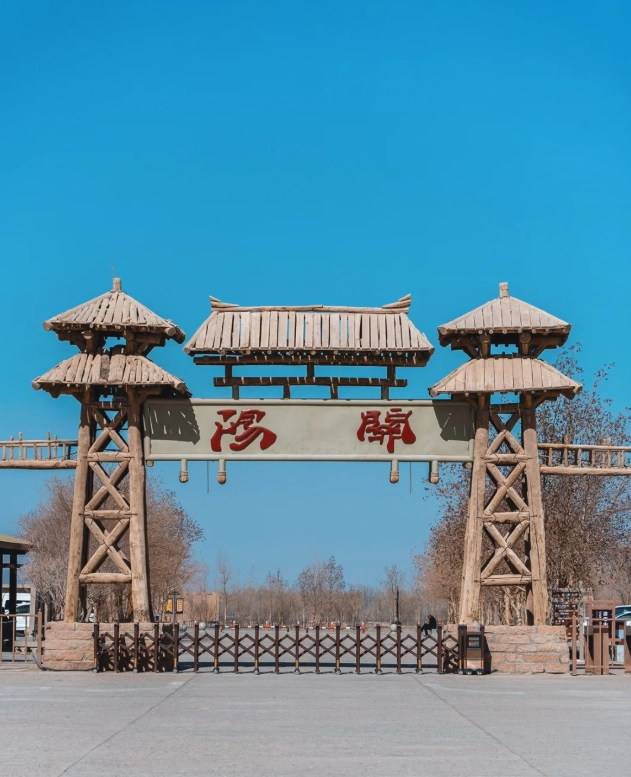
Why Yang Pass Deserves Your Camera's Attention
Yang Pass (阳关) is not just a historic gate on the ancient Silk Road—it's a vast, open landscape where crumbling beacon towers meet endless desert. The drama comes from the contrast: golden sand, turquoise sky, and the melancholic remnants of a frontier outpost. Most people rush through in 40 minutes. I spend 2–3 hours with my photographers, covering less than a square kilometer but chasing shifting light across different ruins.
Your biggest enemy here is time. The site closes relatively early, and the best light happens exactly when many are leaving. I've seen travelers stuck in the ticket queue at golden hour because they didn't prebook. Let's fix that.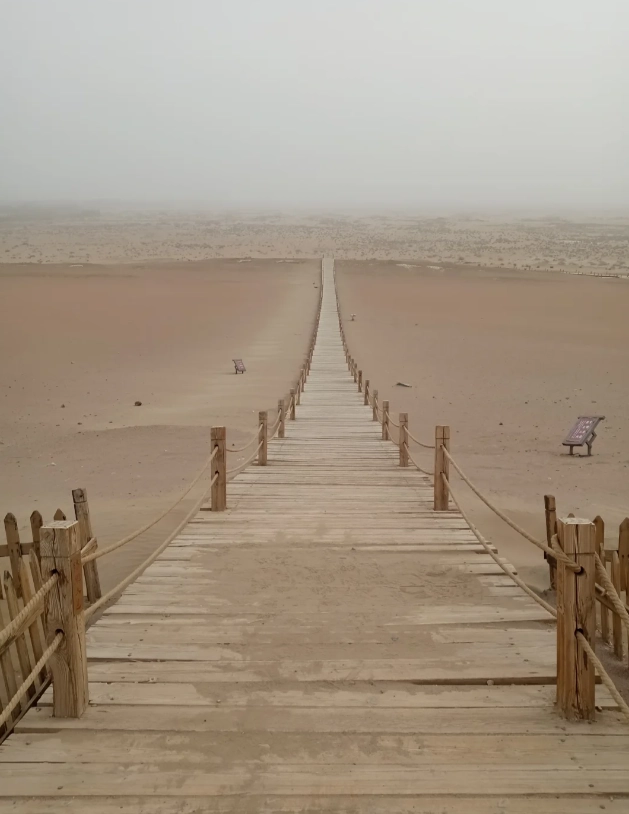
Best Time to Photograph Yang Pass
I always tell my clients: **sunset is non-negotiable, but sunrise is a hidden treasure.**
Sunset (The Classic)
From about 1.5 hours before sunset to 20 minutes after. The ruins catch warm sidelight, and the desert takes on a deep amber. The problem: this is when most day-trippers are still around. My trick—walk 200 meters past the main viewing platform towards the western wall. You'll lose 90% of the crowd and gain a perfect silhouette angle against the setting sun.
Sunrise (The Quiet One)
Official opening is 8 a.m., but I've arranged with the caretaker to enter at 7 a.m. for a private shoot (ask at the ticket office the day before—sometimes they allow it for a small fee). The morning light is softer, less dusty, and you'll have the entire place almost to yourself. The only downside: the ruins face west, so the sun hits them from behind. But that creates stunning rim light on the desert grasses.
Avoid Midday (11 a.m.–3 p.m.)
I once made the mistake of shooting at noon. The contrast was so extreme that the sky was white, the sand was washed out, and every shadow was a harsh black hole. Don't be like me. Use that time to explore the small museum inside (air-conditioned!) or edit your morning shots at the on-site café.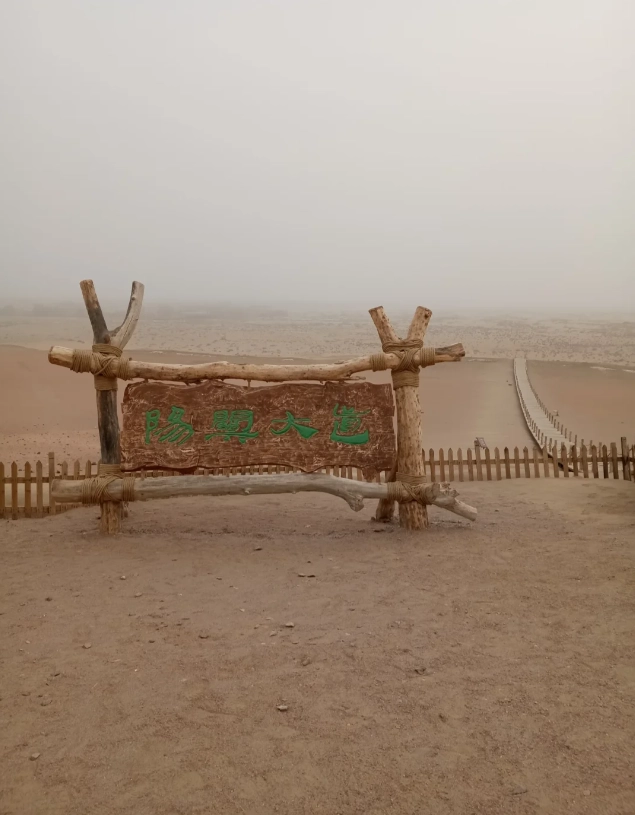
Top 5 Photography Spots at Yang Pass
These are the positions I've tested over dozens of visits. I rank them by uniqueness and crowd level.
1. The Western Wall Ruin (Best Sunset Silhouette)
Walk past the main beacon tower towards the western boundary wall. You'll see a collapsed section of mud brick about 8 feet high. Position your subject (or a solo camel if you're lucky) in front of it, with the sun dipping behind. Use a wide aperture to create a warm flare. No tripod needed if you shoot at 1/250s or faster.
Access: From the main square, head west along the fence for about 3 minutes. You'll step over a low chain—that's allowed.
2. The Beacon Tower from the South Ridge
Most people photograph the beacon tower straight on. Instead, climb the small ridge to the south (about 50 meters elevation gain). You'll get a sweeping view of the tower against the endless desert, and the sun behind you during sunrise makes the tower pop.
Watch out: There are loose stones. Wear grippy shoes.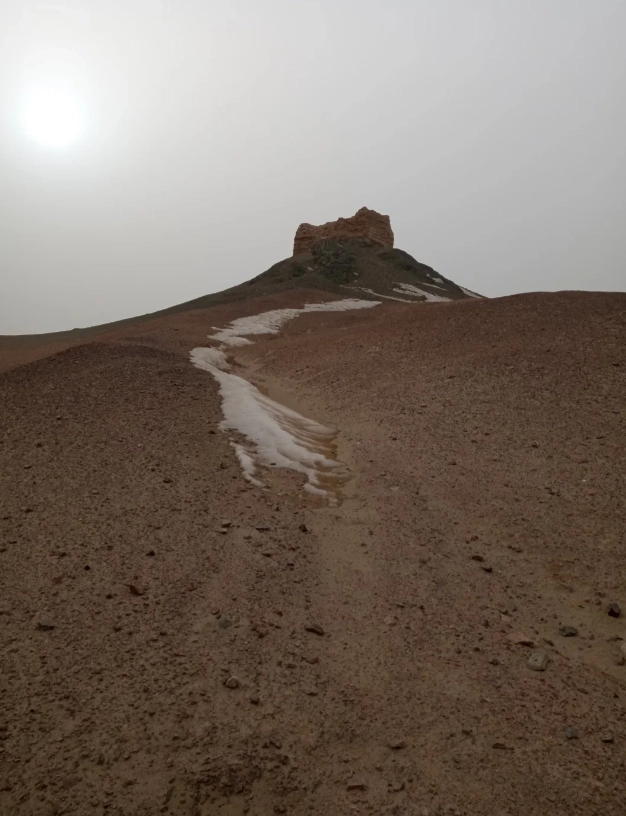
3. The Ancient Well (Reflections & Textures)
Hidden behind a low wall near the museum. The well is about 3 meters wide, and when the wind is calm (usually early morning), the water reflects the sky. I've captured mirror-like shots of clouds with the ruins framing the edge. Bring a polarizer to cut glare from the water.
4. The Camel Track (Long Exposure)
Just outside the eastern gate, a natural path winds through the dunes. Camel caravans occasionally pass by (you can hire one at the ticket office for about 200 RMB per person for a 15-minute ride). I position myself low with a 24-70mm lens, and shoot at f/11 with a 1/8s shutter to blur the camel legs while keeping the rider sharp. The dust kicked up adds atmosphere.
5. The Museum Courtyard (Detail Shots)
When the sun is high and harsh, go indoors. The small museum has clay figurines, ancient coins, and faded murals. I use a fast prime (50mm f/1.8) to isolate details in the low light. The courtyard also has a wind-battered tree that makes a great frame for the tower in the background.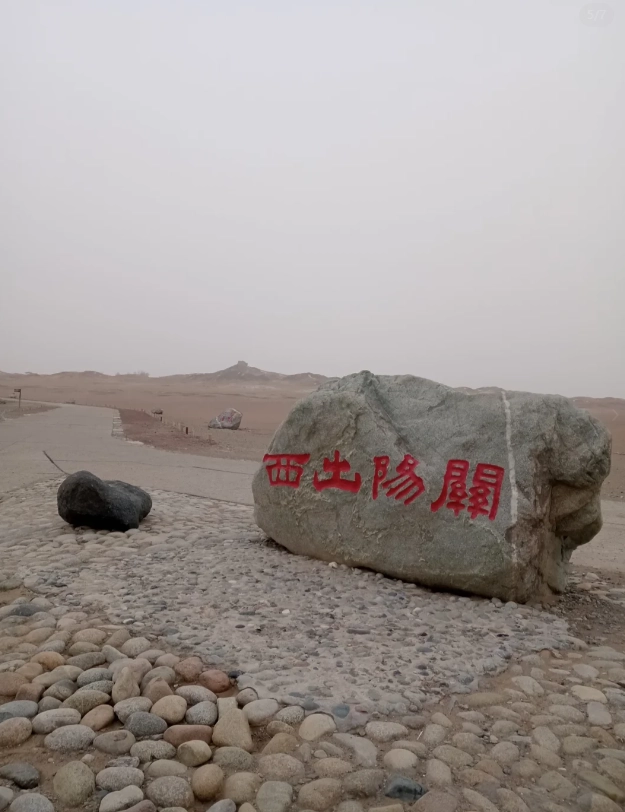
Practical Info: Tickets, Transport & Tips
| Item | Details |
|---|---|
| Ticket Price | Adult: 60 RMB (high season Apr-Oct), 40 RMB (low season). Student/senior discount: 30 RMB / 20 RMB. Must show valid ID. |
| Prebooking | Required for foreign passport holders? Not officially, but I recommend booking via Trip.com or Ctrip to guarantee entry, especially during Chinese holidays (May 1, Oct 1). The on-site ticket machine may not accept foreign credit cards. |
| Opening Hours | 8:00 a.m. – 6:00 p.m. (last entry 5:30 p.m.). Summer (Jul-Aug) sometimes extends to 6:30 p.m. closing. No entry after 5:30 p.m. even if you have a ticket. |
| Address | Nanhu Township, Dunhuang, Gansu Province. About 70 km southwest of Dunhuang city. |
| Getting There | Take Bus Line 3 from Dunhuang City Bus Station (7 a.m. and 9 a.m. departures, 90 min ride, 8 RMB). Or hire a taxi for about 250–300 RMB round trip (negotiate before starting). I prefer taxi because you can stay for sunset—the last bus leaves at 4:30 p.m., which means you'd miss golden hour. |
| Suggested Visit Duration | For photographers: at least 3 hours. If you want both sunrise and sunset, you'll need to visit twice (or camp nearby—there's a basic guesthouse 2 km away). |
| Equipment Recommendation | Wide-angle (16-35mm) for landscapes, telephoto (70-200mm) for compressing the distant ruins, polarizer for midday reflections, tripod if you plan on long exposures of the camel track. Also bring a dust blower—the fine sand gets everywhere. |
Personal gripe: The toilet near the ticket office is often out of order or has a long queue. Do yourself a favor—use the restroom at the Dunhuang city bus station before you board. I've had clients miss the best 10 minutes of sunset because they were stuck in line.
FAQs from Photographers About Yang Pass
Verified and fact-checked by the editorial team. This content has been fact-checked to ensure informational precision.





Honestly, I was disappointed. Came expecting vast, open ruins you can shoot from every angle, but most of the site is roped off. You can't get close to the main beacon tower unless you pay extra for a 'VIP' tour. The day I went was hazy, so the colors were flat, and the wind kept kicking up dust into my lens. Maybe it's better on a clear day, but for the hype and the long drive, I expected more.
Nice spot overall, but a few things kept it from being perfect. The scenery is great — especially the view from the restored gate — but the marked 'photography points' are pretty crowded and not that special. I had to wander off the main path to get decent shots. Also, the entrance fee feels a bit steep for what's basically a field with a few walls. Still got some good photos, just not mind-blowing.
Was a bit hesitant about the distance from downtown, but so glad I made the trip. Arrived right when they opened — no crowds, just me and the ruins. The morning light is soft and warm, perfect for capturing the weathered walls. I found a cool angle by climbing the small mound on the east side; you can frame the pass between two crumbling towers. Five stars, hands down.
Incredible sense of history and open space. I went right at sunrise and had the entire place to myself except for a few photographers. The wind whips up sand that catches the light beautifully — a little annoying for the sensor, but worth it. Pro tip: use a tripod and shoot long exposures of the wind-swept dunes near the south wall. The texture comes out amazing. This place deserves all the hype.
Absolutely blown away by the golden hour here. If you're into landscape photography, the light hitting the ancient ruins around 6:30 PM is unreal. There's a hidden spot behind the main beacon tower — just walk past the 'No Entry' sign (it's fine, everyone does it) and you'll get an unobstructed view of the Silk Road stretching into the horizon. Bring a wide-angle lens and a polarizer. This is easily the best photo spot in Dunhuang.