 Qiang Huang
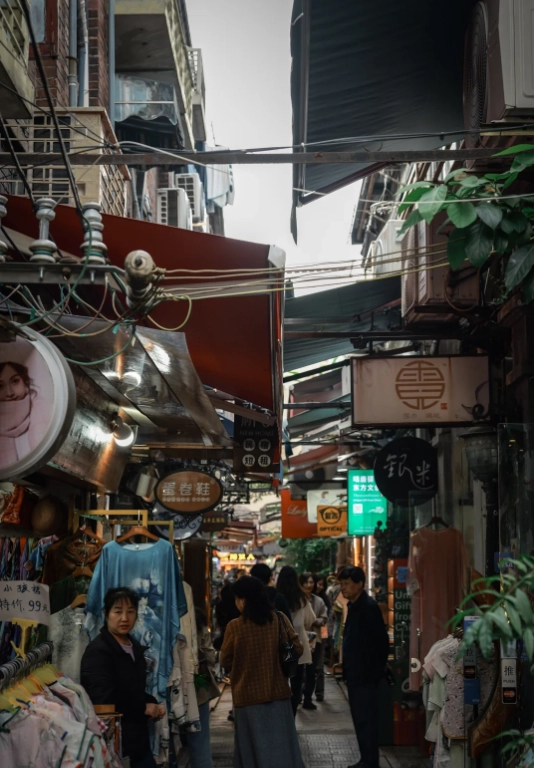
Let's get straight to it. If you're looking for a slice of old Shanghai that's pulsing with modern creative energy, you need to visit Tianzifang. Forget the glossy, sprawling shopping malls for a moment. This place is different. It's a labyrinth of narrow lanes, hidden courtyards, and converted shikumen houses that have become home to artists, designers, and entrepreneurs. I've walked these lanes dozens of times, and I still find new corners, new studios, new stories. It's not a museum; it's a living, breathing neighborhood where you can feel the city's past and present colliding in the best way possible.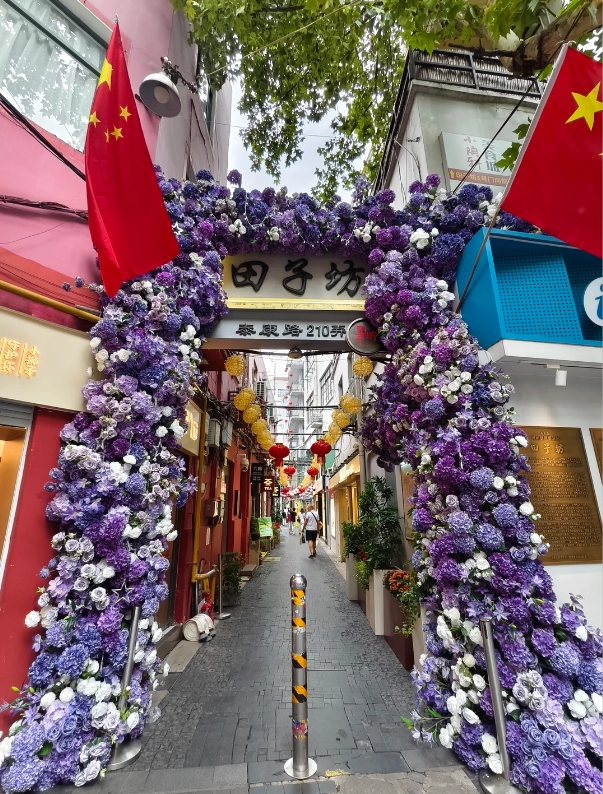
What You'll Find in This Guide
What is Tianzifang? Beyond the Tourist Brochures
Most articles will tell you Tianzifang is an arts and crafts enclave. That's true, but it's also a massive oversimplification. The area, known formally as Taikang Road, started its transformation in the late 1990s. Artists began renting the cheap, spacious ground floors of these decaying lane houses. What you see today is the organic result of that—not a top-down government project like some other areas.
The magic is in the layers. You have elderly residents who've lived here for 50 years hanging their laundry above trendy ceramic workshops. You smell wafts of oil paint from an upstairs studio mixing with the aroma of freshly baked sourdough from a basement bakery. This coexistence is fragile and real. On my last visit, I chatted with a silk scarf designer who pointed out her neighbor, a man in his 80s, slowly sweeping the lane. "He remembers when this was all residential," she said. "We have tea sometimes." That's the soul of the place you won't find on a map.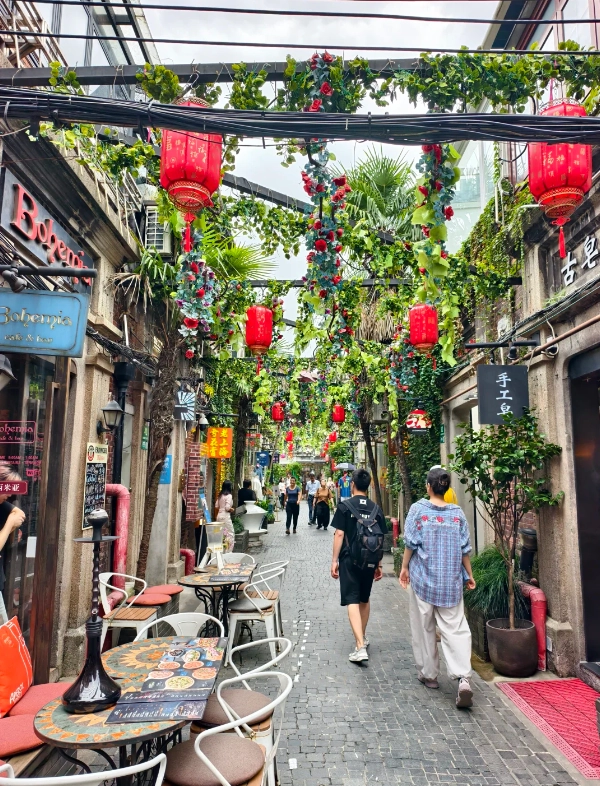
The Shikumen Architecture
The physical foundation of Tianzifang is the shikumen (stone-gate) architecture. These are two or three-story houses, built in Western-style rows but with a Chinese courtyard layout. The lanes between them are incredibly narrow—sometimes you can stretch out your arms and touch both walls. This creates an intimate, almost village-like atmosphere. Look up. You'll see a tangle of electricity lines, air conditioning units, bamboo poles, and winding staircases leading to rooftop terraces. It's chaotic, photogenic, and utterly human.
How to Get to Tianzifang: The Easiest Routes
Location is central. Tianzifang is in the former French Concession area of Shanghai, which is already a major draw for visitors. This makes it very accessible.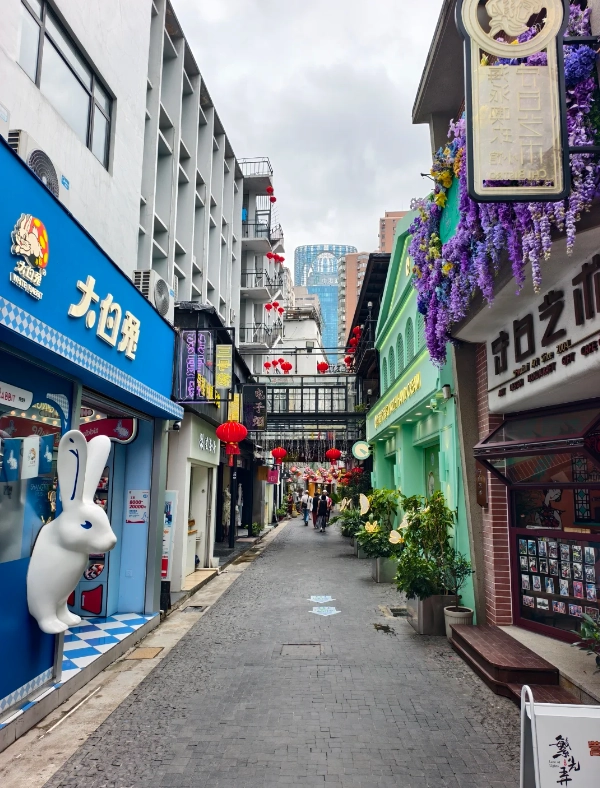
Core Address: No. 210, Taikang Road, Huangpu District, Shanghai. Note that the maze of lanes extends far beyond this single gate.
By Metro
This is the most efficient way. Take Metro Line 9 and get off at Dapuqiao Station. Use Exit 1. From there, it's a 5-minute walk. Turn right out of the exit, walk straight, and you'll see the iconic entrance arch on your left. The station is also served by Line 13, but Exit 1 from Line 9 is the most direct.
By Taxi or Ride-Hailing
Simply tell the driver "Taikang Lu, Tianzifang". They'll know. Be prepared for possible traffic on nearby Madang Road. The drop-off point is right at the main entrance on Taikang Road. A ride from People's Square takes about 15-20 minutes depending on traffic.
I avoid driving here. Parking is a nightmare in these old streets. Don't even think about it.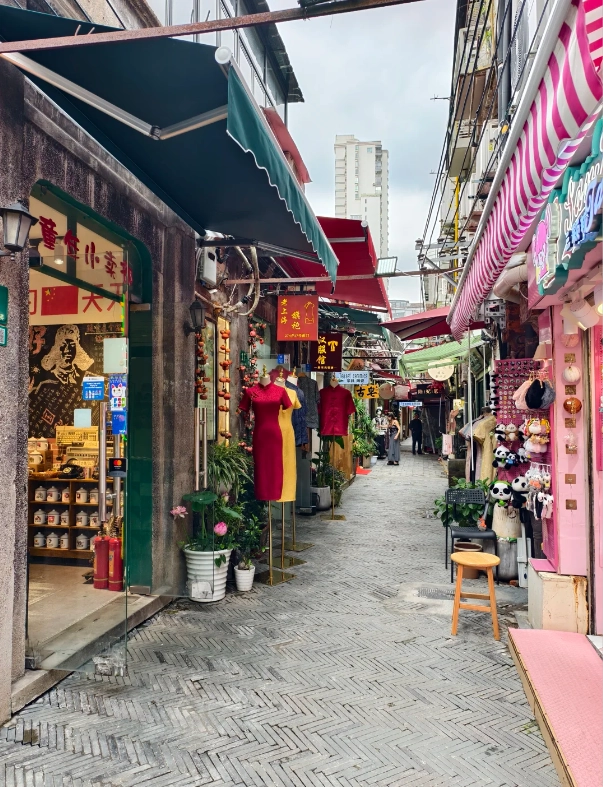
What to See and Do in Tianzifang: A Curated List
Don't just wander aimlessly. Have a loose plan, but be ready to abandon it. The best finds are off the beaten path. Here’s what I look for every time I go.
Art Galleries and Studios: This is the core. Look for open doors and signs of active work. Lane 248 is particularly dense with them. I remember turning a corner and finding a small gallery dedicated to woodblock prints. The artist was there, quietly working. We didn't speak much Chinese, but he showed me his process. You can feel the difference between a studio that's a front for mass-produced souvenirs and one where someone actually creates.
Unique Boutiques and Shops: Move beyond the standard Shanghai magnet. Look for independent jewelry makers using traditional techniques with modern designs. I found a shop that only sells hand-embroidered accessories based on Chinese botanical drawings. Another sells minimalist furniture made from reclaimed wood from old Shanghai houses. The prices reflect the craftsmanship, so it's not a bargain market.
Cafes and Restaurants: The food scene is a mix. You have overpriced, mediocre tourist traps right on the main passages. My advice? Go one lane deeper. There's a tiny Belgian waffle place tucked in a courtyard that's divine. Rooftop terraces are gold—if you can find the narrow staircase leading up. They offer a stunning view over the sea of grey-tiled roofs. For a proper meal, the lanes have everything from Yunnan cuisine to Spanish tapas. Quality varies wildly, so check the crowd. A busy little dumpling spot is usually a safer bet than an empty, elaborately decorated restaurant.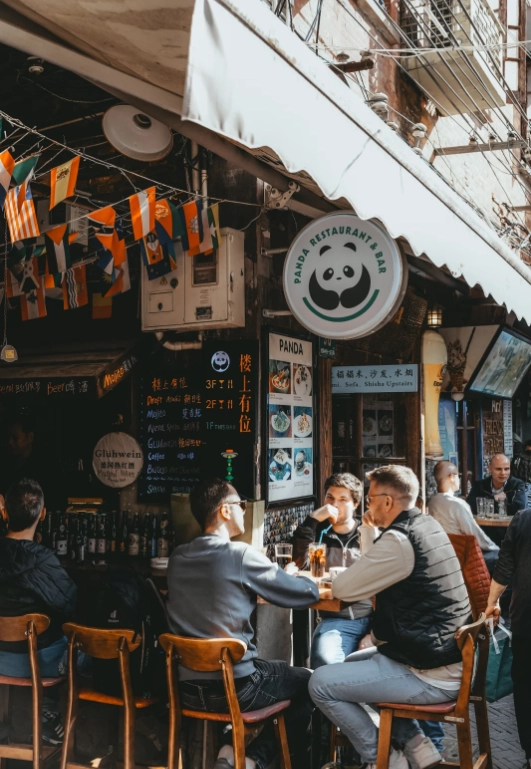
A Sample Half-Day Itinerary for Tianzifang
- 10:30 AM: Arrive via Dapuqiao Metro. Enter through the main Taikang Road gate.
- 10:45 AM - 12:30 PM: Get lost. Seriously. Pick a lane that looks less crowded and follow it. Pop into any open studio that catches your eye. Don't rush the shopping; just observe.
- 12:30 PM: Lunch. Avoid the places with hawkers out front. Find a smaller lane with a cafe that has a few tables outside. A simple bowl of noodles or a sandwich is perfect.
- 1:30 PM: Focused exploration. Now head to the more concentrated art lanes (like Lane 248). This is when you might actually talk to artists and consider a purchase.
- 3:00 PM: Coffee break on a rooftop. Reward yourself with a view and a drink. This is the best light for photos anyway.
- 4:00 PM: Final stroll. By now, you'll recognize some landmarks. Make your way back towards the periphery, where you might find quieter, more residential lanes for a different perspective.
Practical Information for Visiting Tianzifang
Opening Hours: The lanes are publicly accessible 24/7. However, individual shops, studios, and cafes keep their own hours. Most open around 10:00 AM or 11:00 AM. Studios might open later. Many close by 8:00 PM or 9:00 PM, though some bars and restaurants stay open later. The best time for studio visits is between 1:00 PM and 6:00 PM.
Admission Fee: None. It's a free-to-wander public area. Anyone telling you otherwise is wrong.
Crowds: This is the biggest practical issue. Weekends are packed, especially Saturday afternoons. National holidays are a nightmare—I'd avoid it then. The ideal time is a weekday afternoon. Mornings can be quiet, but many places aren't open yet. Rainy days thin the crowds significantly and add a moody, atmospheric feel to the lanes.
What to Wear: Comfortable shoes are non-negotiable. The ground is uneven stone, and you'll be on your feet for hours. The lanes are tight, so a big backpack will make you unpopular. A cross-body bag is best.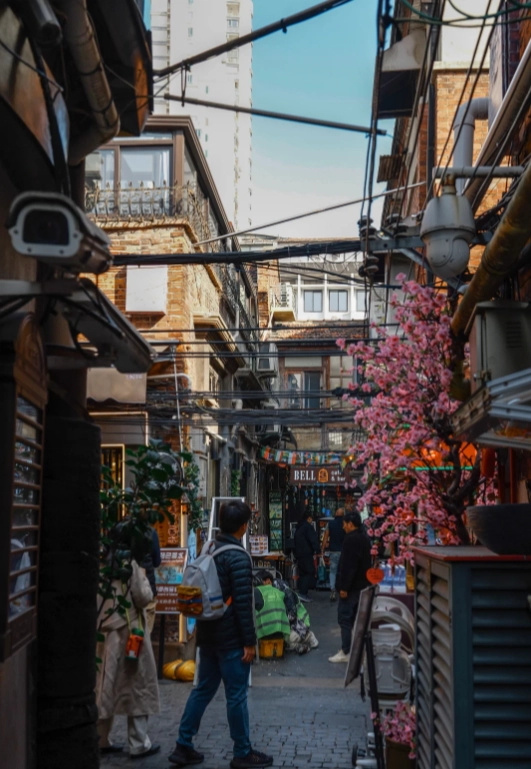
Frequently Asked Questions About Tianzifang
 Is Tianzifang suitable for families with young kids or people with mobility issues?
Walking out of Tianzifang's labyrinth back onto the wide, modern streets of Shanghai always feels like a temporal shift. You've been in a capsule of the city's layered history. It's not perfect—it can be crowded, some parts feel overly commercial, and it demands your attention to find its gems. But that's what makes it real. It's a working, evolving community, not a preserved relic. For that alone, it deserves a top spot on your Shanghai itinerary.
This article is based on repeated personal visits and observations. Details regarding business operations are subject to change.





Tianzifang totally exceeded my expectations. I'd read it was 'touristy' but honestly—where else can you find a hidden woodworking studio, a secondhand bookshop run by an 80-year-old grandma, and a rooftop bar with views of the French Concession, all within a 10-minute walk? The energy is infectious. I bought a custom calligraphy scroll for my mom and the artist even wrote her name in Chinese. Magical place. Only tip: avoid weekends unless you like being shoulder-to-shoulder. Will definitely return!
Hands down my favorite part of Shanghai! Tianzifang is a feast for the senses—the smell of sizzling scallion pancakes, the sound of traditional music from a hostel balcony, the sight of ivy-covered shikumen buildings. I tried the stinky tofu (don't knock it till you try it!) and a bowl of hand-shaved noodles from a tiny hole-in-the-wall—both incredible. The vibe is laid-back but buzzing with creativity. Bring cash, wear comfy shoes, and prepare to be amazed. 5 stars all the way!
Absolute heaven for photographers and art lovers! Every corner of Tianzifang is a visual story—graffiti-covered walls, vintage street lamps, cats lounging on window sills, and the most adorable boutiques. I spent three hours just walking and snapping pics. The handmade ceramics shop near Lane 248 is a must-visit; the lady running it explained the glazing process with such passion. If you go early (before 10am), you'll have the lanes almost to yourself. Can't recommend it enough!
Pretty cool spot for an afternoon wander. The maze-like lanes are fun to get lost in, and there are some genuinely unique art galleries and craft studios hidden between the souvenir shops. We grabbed a hand-pulled coffee at a tiny booth—great brew. On the downside, some sections felt repetitive and the crowds made it hard to enjoy the quieter corners. A solid 4/5 experience—worth seeing once, but I probably won't rush back.
Visited on a Tuesday afternoon and honestly, it was way too crowded for my taste. The alleys are charming but every other shop sells the same keychains and postcards. Found a nice little tea house tucked away, but the prices were tourist-trap level—10 USD for a pot of jasmine tea? Come on. It's worth a quick stroll if you're nearby, but I wouldn't go out of my way. Kind of lost its original vibe under all the commercialization.
We went as a family with two kids (8 and 12) and everyone had a blast! The kids loved the few tiny escape-room-style puzzle shops hidden between the art stalls, and we found an affordable little restaurant serving the best shengjianbao. A bit crowded for strollers, but manageable. The mix of old Shanghai architecture and modern street art kept it interesting for all ages. Highly recommend for a half-day outing.
Came expecting an artsy enclave, left feeling it’s just another tourist trap. Souvenirs were overpriced and many items looked mass-produced. I did enjoy a live calligraphy demo near the main entrance — that was genuinely cool — but otherwise the “artistic” vibe felt forced. If you’ve visited similar lanes in Beijing or Tokyo, this one won’t blow you away. Decent for a quick wander, not much more.
Found a tiny second-floor tea room here that made my entire trip. Quiet, with a little balcony overlooking the hustle below. The owner let me sample three different oolongs and didn’t try to upsell me. Tianzifang itself is a maze — easy to get turned around — but that’s part of the fun if you like discovering hidden corners. Just wish there were more benches to rest.
Honestly, I was a bit let down. The place is super photogenic in theory — all those colorful lanterns and murals — but it’s so packed you can barely stop for a shot without someone bumping into you. On top of that, a few shop owners were pretty pushy. I get it’s touristy, but it felt more like a cramped market than a cultural lane experience. Maybe better on a rainy morning?
I had such a lovely afternoon wandering through the narrow alleys of Tianzifang! The mix of quirky boutiques, tiny art galleries, and shaded tea houses really gave it a unique charm. Grabbed a hand-painted fan and tried some street-side dumplings that were absolutely delicious. Perfect spot for slow, aimless exploration — but definitely go on a weekday to avoid the crowds.
Tianzifang has a really charming old-shanghai atmosphere with its narrow alleys and traditional houses. Great for photography lovers – I got some stunning shots of the lanterns and street art. The best part was the hidden bars and cozy cafes tucked away upstairs. However, some shopkeepers seemed a bit unfriendly and pushy about selling. Also, the crowds can be overwhelming. Overall, it's a cool place to spend an afternoon, but don't expect a relaxing stroll. Give it 4 stars.
If you're a food lover like me, Tianzifang is paradise!! The shengjianbao (pan-fried pork buns) from one of the small vendors were incredible – juicy and crispy. I also tried some fresh handmade yogurt with fruit, which was super refreshing. There's such a variety of snacks from all over China. Sure it's touristy, but the food scene here is legit. I went back twice during my trip. Highly recommend coming hungry!
I kind of wanted to love Tianzifang, but it fell a bit flat for me. The place is really commercialized now – almost every shop sells the same mass-produced souvenirs and cheap trinkets. A few original art studios remain, but they're hard to find. Prices for food and drinks were also surprisingly high compared to other local markets. The old Shikumen architecture is cool, but the vibe felt more like a tourist trap than authentic Shanghai. I'd skip it if you're short on time.
Tianzifang is definitely an experience – the maze of lanes is super photogenic and there's so much to explore. I liked the mix of art boutiques, tea houses, and street food. But honestly, it was way too crowded on a Saturday afternoon. You could barely move in some parts. Still, if you can handle the crowds and go early, it's worth a few hours. Not my favorite spot in Shanghai, but unique.
Absolutely loved wandering through the narrow alleys of Tianzifang! It's like a open-air gallery mixed with a bustling market. Every corner had a quirky art studio or a handmade craft shop. I spent hours just browsing and chatting with the artists. Also grabbed some amazing traditional snacks from a tiny hole-in-the-wall stall. If you're into creative vibes and local culture, this place is a must-visit!