 Fang Wang
Let's cut to the chase: Yu Garden is the one place in Shanghai where you can truly escape the skyscrapers and step into a world of tranquil ponds, intricate pavilions, and centuries-old rockeries. I've been visiting since my first trip to Shanghai over a decade ago, and it never gets old. But here's the thing—most tourists rush through, missing the subtle details that make this garden special. In this guide, I'll share everything I've learned to help you experience Yu Garden at its best.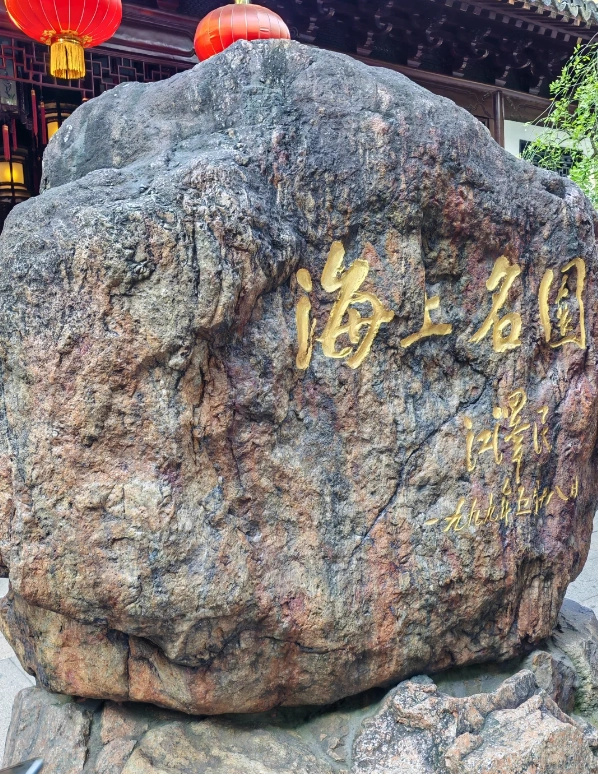
What You'll Find in This Guide
Yu Garden: More Than Just a Garden
Yu Garden, built in 1559 during the Ming Dynasty, isn't just a pretty space—it's a living lesson in Chinese landscape design. The name "Yu" means "peace and health," and that's exactly what the garden aims to provide. I remember my first visit: I was struck by how every rock, pond, and tree feels intentionally placed to create harmony. It's a UNESCO World Heritage site candidate, and for good reason. Unlike larger gardens, Yu Garden packs symbolism into a compact area, making it perfect for a half-day visit. But don't just stroll; look for details like the dragon walls or the carved window frames—they tell stories of wealth and philosophy.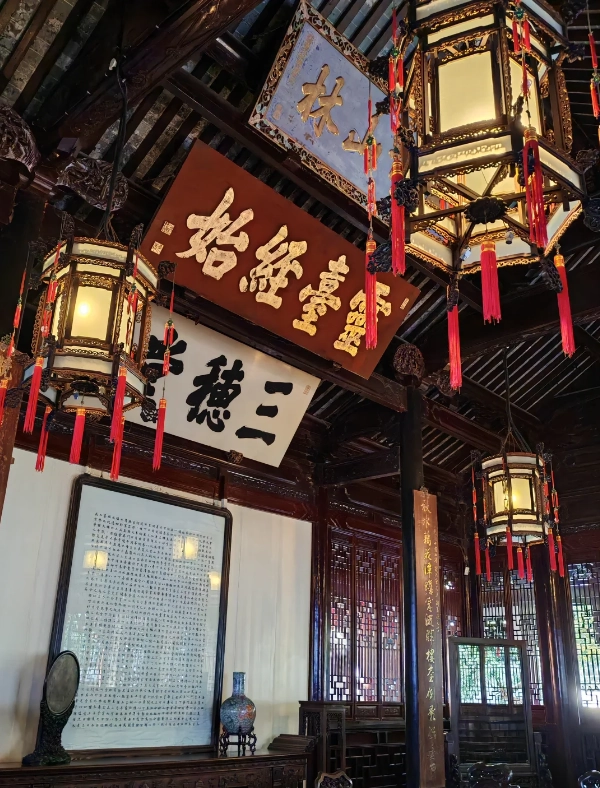
Before You Go: Tickets, Hours, and Location
You'll find Yu Garden at No. 218 Anren Street, Huangpu District, Shanghai. It's nestled in the Old City, so the surroundings are as historic as the garden itself. The address is straightforward, but I've seen tourists get lost in the maze-like streets—use a map app like Baidu Maps or Google Maps for precise navigation.
Operating hours are 9:00 AM to 5:00 PM daily, with last entry at 4:30 PM. Note that the garden sometimes closes on Mondays for maintenance, but this isn't consistent. I once showed up on a Monday only to find it open; always check ahead via the Shanghai Municipal Tourism Administration website for updates.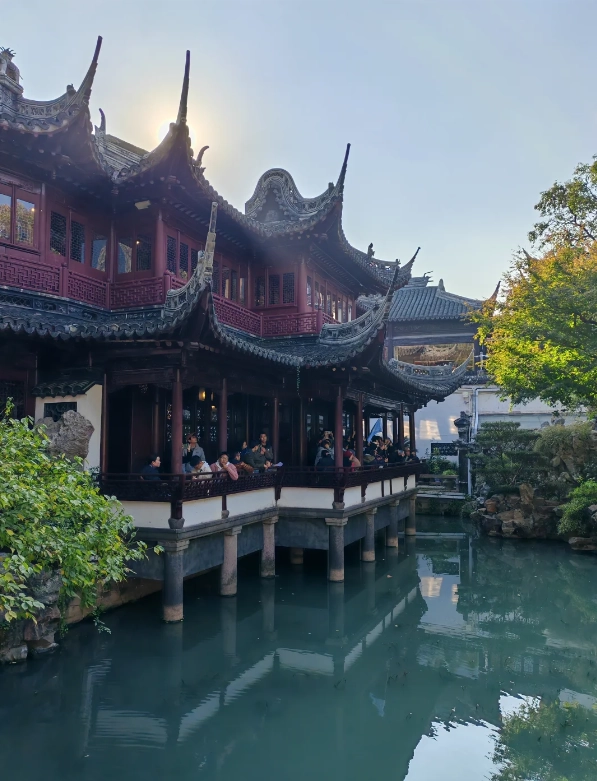
Ticket prices vary. Here's a breakdown based on my recent visits:
| Ticket Type | Price (RMB) | Details |
|---|---|---|
| Adult Ticket | 40 | Access to the main garden area. Children under 1.2 meters enter free. |
| Combined Ticket | 60 | Includes entry to the adjacent Yuyuan Bazaar and some seasonal exhibitions. |
| Senior Citizen (over 70) | 20 | Requires valid ID. Discounts may vary, so confirm at the ticket counter. |
| Student Ticket | 20 | With student ID. Available for primary to university students. |
I recommend buying tickets online in advance through platforms like Ctrip or Meituan to skip the queues. On-site, lines can stretch for 30 minutes during peak seasons.
Getting to Yu Garden Without the Hassle
Shanghai's metro is your best friend here. Take Line 10 to Yuyuan Garden Station, Exit 1. From there, it's a 5-minute walk through the bustling Yuyuan Bazaar—follow the signs or the crowd. I've made the mistake of taking a taxi during rush hour; traffic in the Old City is a nightmare, and drop-offs can be a block away. If you do taxi, ask for "Yuyuan Shangcheng" (the commercial area nearby) and walk the rest.
For buses, routes like 11, 64, or 304 stop near the garden. But honestly, the metro is faster and cheaper. A pro tip: avoid visiting right after a cruise ship docks at the nearby Bund—the garden gets flooded with tour groups around 10 AM. I once arrived at 9:15 AM and had the rockery almost to myself.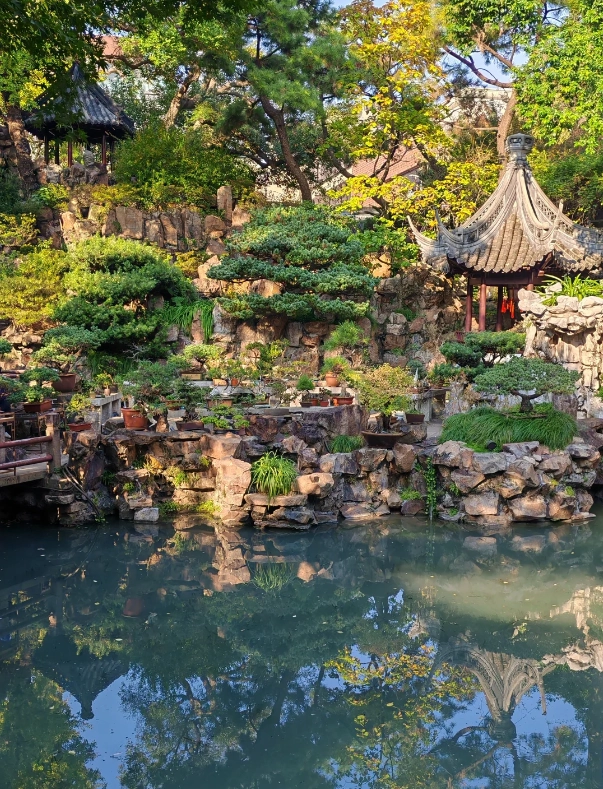
A Step-by-Step Tour of Yu Garden's Highlights
Start at the main entrance on Anren Street. Don't rush—the garden is designed for slow exploration.
The Grand Rockery: A Masterpiece of Stone
This 12-meter-high rockery is the garden's centerpiece. It's made of Huangshi stones, prized for their holes and textures. Climb to the top for a view over the garden, but watch your step; the stairs are steep and worn. I've seen people slip after rain. The rockery symbolizes a mountain range, and from certain angles, you can spot hidden caves—kids love this, but adults might find it cramped.
The Hall of Jade Magnificence: Where Opulence Meets Calm
This hall showcases intricate woodwork and antique furniture. It was once used for entertaining guests. Look up at the ceiling beams; they're carved with phoenixes and flowers. I spent 20 minutes here just admiring the details. It's usually less crowded than the rockery, making it a good spot to catch your breath.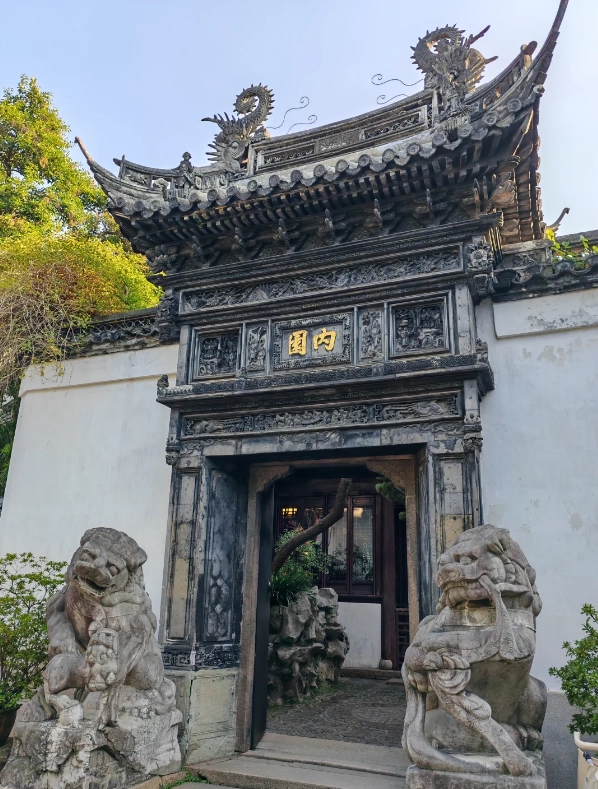
The Zigzag Bridge and Mid-Lake Pavilion
The zigzag bridge over the pond is iconic. It's said to ward off evil spirits, as ghosts can only move in straight lines. Cross it to reach the Mid-Lake Pavilion, a teahouse perched on stilts. The view of koi fish swimming below is serene, but the teahouse itself is overpriced—I'd skip the tea and just enjoy the scenery.
The Inner Garden: A Garden Within a Garden
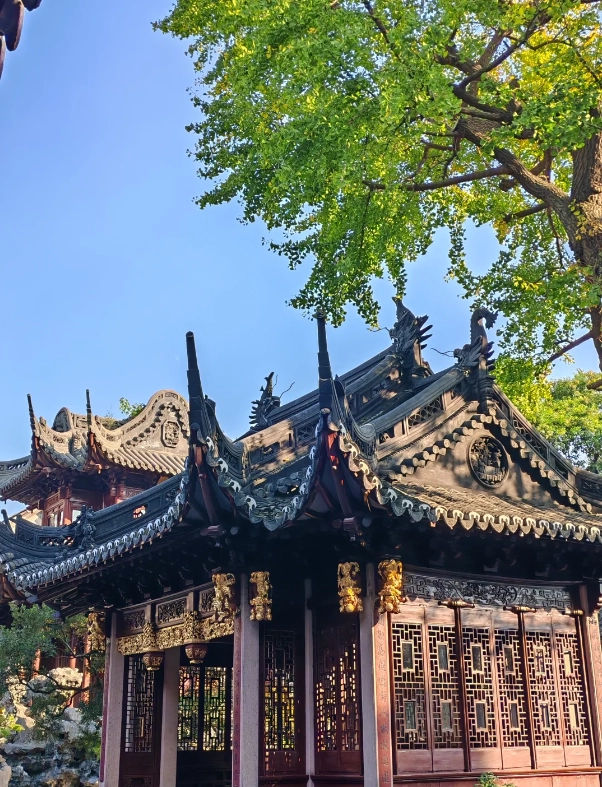
Added later in the 1700s, the Inner Garden is quieter and more refined. It features smaller pavilions and a delicate rock garden. I often find tourists miss this section because it's tucked away. Spend time here if you want peace; the sound of water trickling from a miniature waterfall is therapeutic.
Secrets Only Locals Know About Yu Garden
After dozens of visits, I've picked up a few tricks. First, the best photo spot isn't the zigzag bridge—it's the stone corridor near the Hall of Heralding Spring. The morning light filters through the lattice windows, creating perfect shadows. Go before 10 AM for soft lighting.
Second, avoid the souvenir shops inside the garden. They sell generic trinkets at inflated prices. Instead, head to the Yuyuan Bazaar outside for better deals on silk or tea. But even there, haggle; prices are often marked up for tourists.
Third, there's a small, often-overlooked pond behind the rockery with a few benches. It's shaded by willow trees, and I've used it as a quiet escape when the garden gets too loud. Last time, I saw an elderly local practicing tai chi there—a genuine moment you won't find in guidebooks.
On the downside, the garden can feel overcrowded, especially near the entrance. The pathways are narrow, and during holidays, it's a squeeze. I once visited during Golden Week and regretted it—you couldn't move without bumping into someone. If you must go then, stick to the edges or visit late afternoon.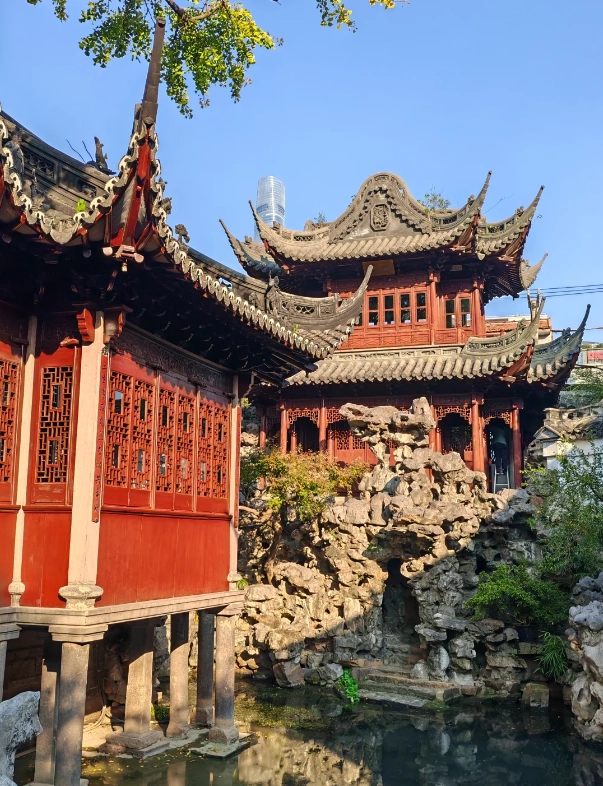
What to Eat and See Around Yu Garden
Yu Garden is surrounded by the Yuyuan Bazaar, a commercial area with shops and food stalls. For authentic Shanghai snacks, try the xiaolongbao (soup dumplings) at Nanxiang Steamed Bun Restaurant—it's famous, but be prepared for long lines. I prefer the lesser-known stall around the corner on Sipailou Road; the dumplings are juicier and cheaper.
Other nearby attractions include the City God Temple, a Taoist temple with free entry, and the Bund, a 20-minute walk away. If you have time, combine Yu Garden with a stroll along the Huangpu River. But don't try to do it all in one day; the garden deserves at least two hours to appreciate fully.
For a quick bite, the food court in the bazaar offers everything from stinky tofu to sweet tangyuan. Prices are moderate, but quality varies. I'd rate it 3 out of 5—good for sampling, but not for a sit-down meal.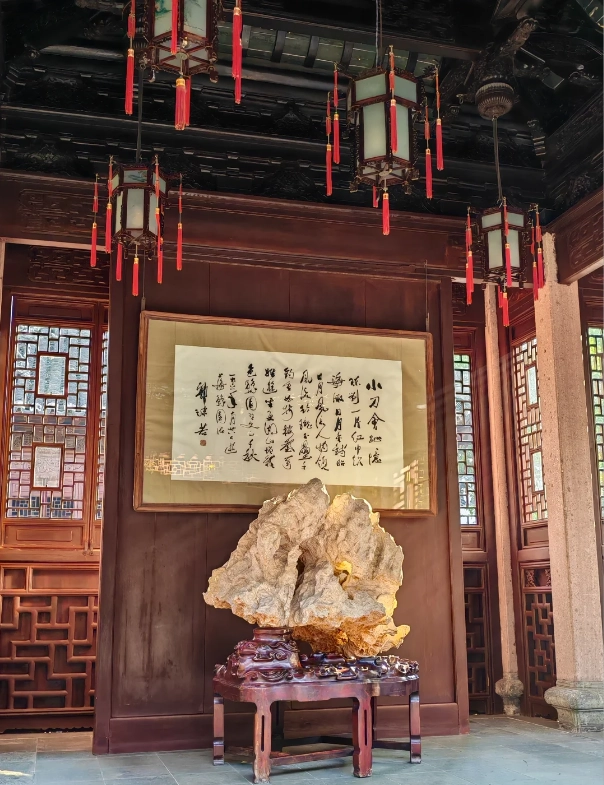
Your Yu Garden Questions Answered
 Is Yu Garden suitable for visitors with limited mobility?
This guide is based on personal visits and fact-checked against reliable sources like the Shanghai Municipal Tourism Administration. Yu Garden remains a timeless gem—plan wisely, and you'll leave with memories, not just photos.
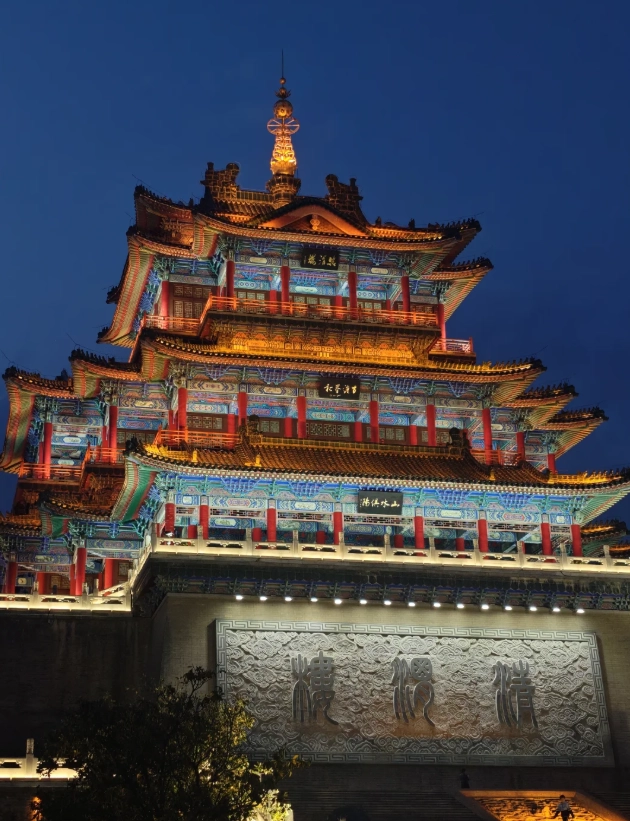
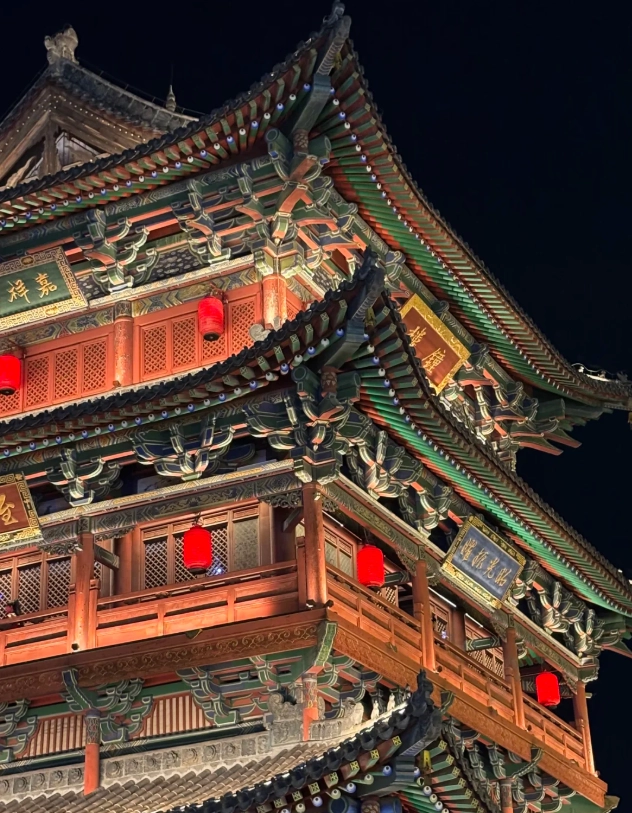
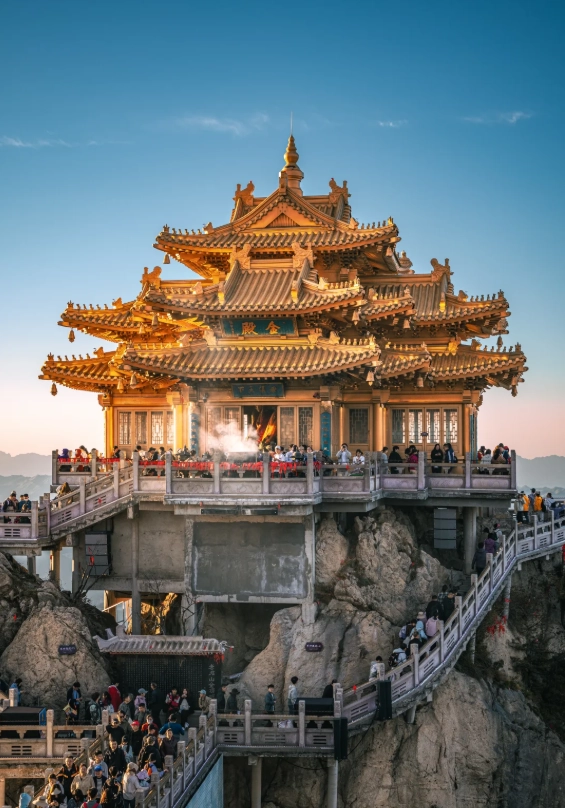





Honestly one of the most beautiful gardens I’ve ever visited anywhere in the world. Yu Garden is a masterpiece of balance and detail—every window frame, every carved beam, every small courtyard tells a story. I went with my mom who uses a wheelchair, and I was pleasantly surprised: there are ramps and accessible paths in most areas (though the old stone bridges are a bit tricky). The staff at the ticket office were super helpful and let us use the side entrance to avoid the main queue. The garden itself is tranquil in the morning before the tour groups arrive. 5 stars without hesitation.
Yu Garden completely exceeded my expectations. I’m not usually into crowded tourist spots, but this place has a soul. The moment you step through the entrance, the noise of the city fades and you’re surrounded by exquisite Ming‑dynasty architecture, ancient trees, and the scent of osmanthus. I spent two hours just sitting by the pond watching the turtles and imagining life centuries ago. The Xiaolongbao from the vendor near the Nine‑Turn Bridge were hands down the best I’ve ever had—soup dumplings that literally burst with flavor. Do yourself a favor and go early, avoid weekends, and take your time. Pure magic.
Absolutely loved Yu Garden! This was my third visit and it gets better every time. The classical Chinese garden design is stunning—the rockeries, the koi ponds, the pavilions… every angle is a photo op. I went on a weekday morning right at opening and had plenty of space to wander peacefully. Don’t miss the Huxinting Teahouse—yes it’s touristy, but the view over the pond is magical and the green tea was actually decent. The adjoining bazaar is perfect for souvenir hunting (bargain hard!). A must‑do in Shanghai, 5/5!
Yu Garden is a solid place to spend a couple of hours, but don’t expect a peaceful retreat. The garden itself is charming—lots of intricate details, dragon walls, and that famous zigzag bridge. Unfortunately, it was absolutely packed on a Saturday afternoon; we could barely move. The food stalls outside are a highlight—the shengjianbao (pan-fried buns) were amazing. Just be prepared for the chaos and pushy vendors. If you go early on a weekday, you’d probably enjoy it a lot more. I’d give it a 4 because the architecture really is beautiful once you find a quiet corner.
I was so excited to visit Yu Garden after seeing all the Instagram posts, but honestly it was pretty underwhelming. The crowds were insane—even on a Tuesday morning—and it felt more like a shopping mall than a tranquil classical garden. The rockeries and pavilions are nice, but you can hardly appreciate them with people shoving past you. The worst part was the “tea house”: we paid 80 yuan for a tiny cup of mediocre jasmine tea. Not worth the hype at all. If you’ve been to any other Suzhou garden, you can skip this one.
Good day out, but not perfect. The garden itself is a nice mix of zigzag paths and hidden courtyards—I especially liked the Dragon Wall. However, the food inside the bazaar area is overpriced (15 yuan for a small baozi? come on). Also, the only public restroom near the exit had a long queue. The map offered in the insider article helped navigate, so that was a plus. Worth a visit, but manage expectations on the crowds and costs.
This place stole my heart. I spent two hours just in the inner garden admiring the intricate lattice windows and the tiny bamboo grove—pure zen. The tip about heading straight to the Hall of Heralding Spring paid off; that area was quiet and felt like stepping into a Ming Dynasty painting. Ended the visit with some dragon well tea at the teahouse, and the staff even showed me how to properly steep it. An unforgettable cultural experience!
Honestly, I was a bit let down. The garden is pretty, sure, but it’s completely overrun with tourists and souvenir stalls—feels more like a shopping mall than a tranquil retreat. I read the insider tips about visiting at off-peak hours, but it was still shoulder-to-shoulder. The classic rock scenery is neat, but you can’t even pause to appreciate it without getting nudged. For the hype, I expected more serenity. Three stars.
Pretty solid visit overall. The garden itself is beautiful and well-maintained, and the 40 yuan entrance fee feels fair. My only gripes: some of the corridors were packed even on a weekday, and the directional signs are confusing—I ended up looping back twice. Still, the pavilions and stone carvings are worth seeing. A solid 4 stars, just come early and bring your patience.
Absolutely loved Yu Garden! The rockeries and zigzag bridges are even more stunning in person. I followed the insider tip to go right when it opened at 8:30am and had the whole place almost to myself for the first hour. The Huxinting Teahouse is a must—sip some jasmine tea while watching the koi swim below. If you’re into classical Chinese garden design, this is pure magic. 10/10 would recommend.
Good overall, but the restroom situation nearly ruined my trip. There are only two public toilets in the garden, both poorly marked and with long lines – one even had no soap. The landscaping is gorgeous, especially the dragon walls and the zigzag bridge. But for the entrance fee (¥40) I expected better maintenance. Bring your own hand sanitizer and go before you enter!
A gem for history lovers! I spent hours reading the plaques and admiring the intricate wood carvings. The Exquisite Jade Rock is truly mesmerizing – over 400 years old and full of holes. It’s easy to miss the smaller courtyards if you just follow the crowd, so take your time. The audio guide (¥40) was well worth it. Five stars from a history nerd!
Honestly a bit disappointing. Maybe I’ve seen too many Chinese gardens, but Yu Garden felt more like a tourist trap than a serene escape. The halls were packed with souvenir stalls, and a guy tried to charge me ¥50 for a photo with a “traditional” puppet show – total scam. The layout is confusing and some paths are blocked. For a 3/5, it’s okay if you’re in the area, but I wouldn’t go out of my way.
Lovely gardens but prepare for a mob scene. I get it’s a top attraction, but on a Saturday afternoon it was shoulder-to-shoulder. The teahouse was overpriced (¥68 for a tiny pot of jasmine tea) and the queue for the famous xiaolongbao was 40 minutes. The gardens themselves are beautiful, just manage your expectations about the crowds. Still worth a visit, but go at opening time.
Absolutely stunning! The rockeries, koi ponds, and ancient architecture are like stepping into a Ming Dynasty painting. We went early on a weekday and had the place almost to ourselves – the perfect time for photos without the crowds. The nearby bazaar was chaotic but fun, and I snagged some amazing green tea cookies. This is a must-visit in Shanghai, hands down!