 Su Lin
What's Inside This Guide
- Why Dunhuang Is Worth the Trip (Even on a Tight Budget)
- Getting to Dunhuang Without Breaking the Bank
- Where to Stay: Budget Accommodation That Won't Ruin You
- Eating Cheap: Where Locals Eat in Dunhuang
- Top Cheap (or Free) Things to Do in Dunhuang
- Dunhuang Budget Itinerary: 3 Days for Under $100
- FAQ: Common Budget Travel Questions About Dunhuang
I've been guiding small groups through Dunhuang for six years, and I still remember the first time I saw the Mogao Caves at sunset. The golden light hitting the cliffside—it's something you can't put a price on. But let's be real: travel costs money, and Dunhuang, once a Silk Road hub, has become pricier in recent years. The good news? You don't need a fat wallet to enjoy it. I've helped hundreds of travelers navigate this desert city on a shoestring, and I'm sharing every trick here. Skip the overpriced tours and overhyped restaurants—I'll show you how to spend smart.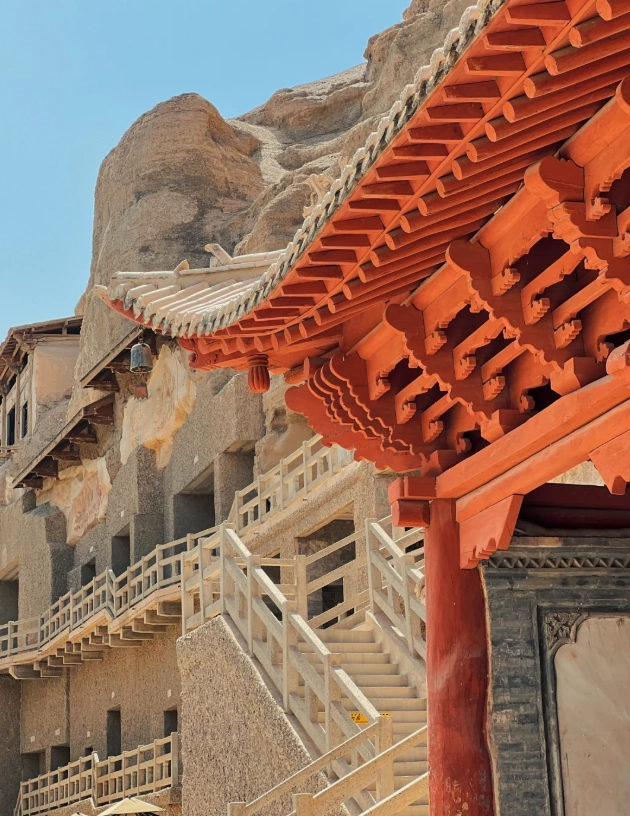
Why Dunhuang Is Worth the Trip (Even on a Tight Budget)
Dunhuang isn't just another Chinese city. It's an oasis town that was once a gateway for traders, monks, and armies. The Mogao Caves (a UNESCO World Heritage site) house centuries of Buddhist art, and the Singing Sand Dunes are pure magic. The best part? Many of the most memorable experiences here are either cheap or free. Unlike Beijing or Shanghai, budget stretches further in Dunhuang—you can eat well, sleep decently, and see major sights without burning through your savings.
Getting to Dunhuang Without Breaking the Bank
Flying into Dunhuang Mogao International Airport (DNH) is quick, but flights from major cities like Beijing or Shanghai can eat your budget. Here's the secret: take the overnight train from Lanzhou (or Jiayuguan). I booked a hard sleeper (about ¥250) and arrived at 6 a.m., fresh-ish and ready to explore. The train station is 15 minutes from town by bus (¥1) or taxi (¥15-20). If you're coming from Xi'an, the high-speed rail to Lanzhou then connect—it's a long ride but saves you a night's accommodation.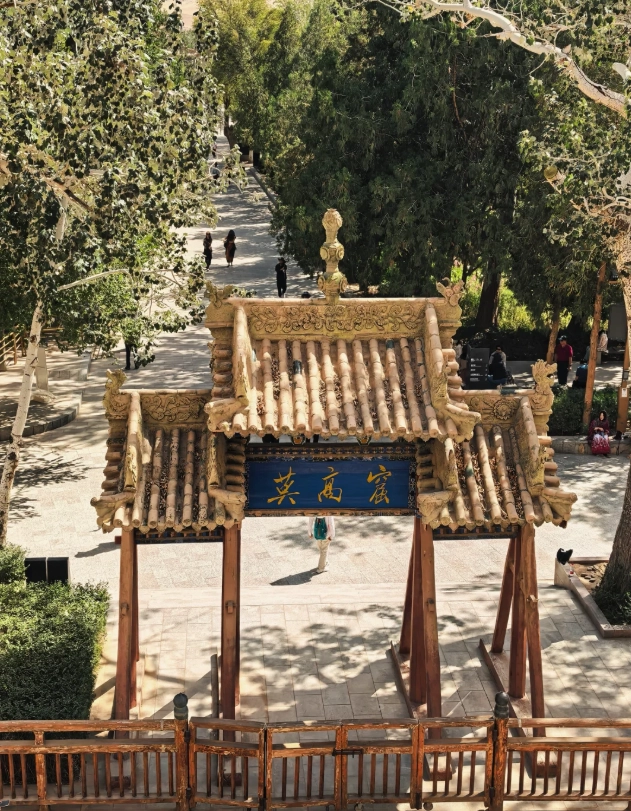
Where to Stay: Budget Accommodation That Won't Ruin You
Skip the overpriced hotels near the Shazhou Night Market. I always steer my budget travelers to these three places:
| Hotel Name | Price Range (per night) | Address | Why It's Good |
|---|---|---|---|
| Dunhuang Mingsha Youth Hostel | ¥40-80 (dorm) / ¥150-200 (private) | 15 Mingshan Rd, near Dunhuang Museum | Clean dorms, English-speaking staff, free luggage storage. 5 min walk to bus stop for Mingsha Mountain. |
| Dunhuang Starway Hotel (Express) | ¥120-180 (twin/double) | 24 Yangguan East Rd, near the night market | Reliable Wi-Fi, elevator, simple breakfast included. Front desk helps book Mogao tickets via WeChat (they'll do it for you). |
| Pearl International Youth Hostel | ¥45-90 (dorm) / ¥130-170 (private) | 1 km from Shazhou Night Market (east side) | Quiet area, has a small courtyard. Great for solo travelers; they organize shared transfers to the dunes (saving ¥50). |
My pick: I like Mingsha Youth Hostel for the location—it's close to the bus that goes to both the Mogao Caves and the dunes. Plus, they have a common room where you can swap tips with other travelers.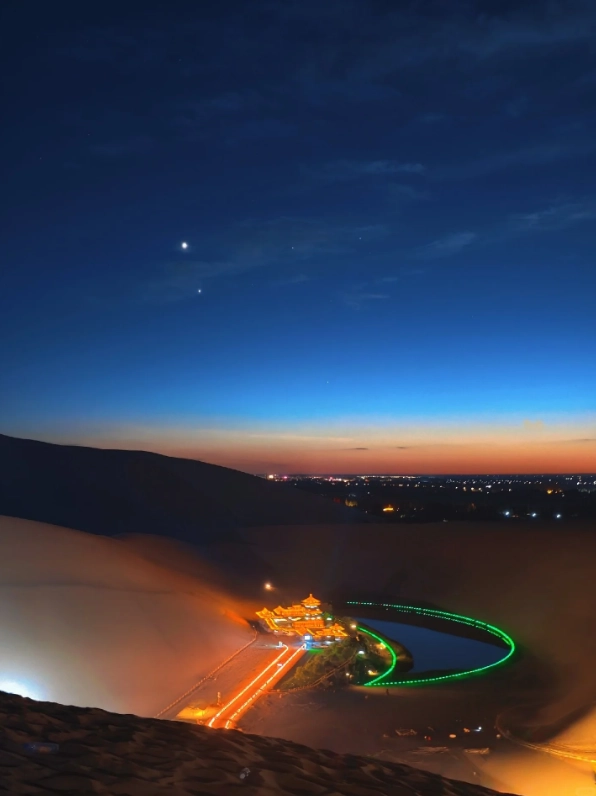
Eating Cheap: Where Locals Eat in Dunhuang
Dunhuang cuisine is heavy on lamb and noodles. Tourist restaurants near the caves charge double. Walk 10 minutes into the alleys behind Shazhou Market, and you'll find real food. Here are three spots I've tested myself:
- Shunzhang Huangji Noodle Restaurant – 88 Yangguan East Rd. Their Lanzhou-style beef noodles start at ¥15. The broth is rich, and you can add chili oil (ask for la jiao). Open 6 a.m.–10 p.m. Peak lunch crowd means a 15-min wait. They accept cash and WeChat, no foreign credit cards.
- Yulin BBQ – 23 Mingshan Rd (near the hostel district). Skewers of lamb (¥3 each), grilled flatbread (¥5), and cold beer (¥8). This place is tiny—8 tables—but the lamb is marinated with cumin and chili. I always order 10 skewers and a Tsingtao. Cash only.
- Dunhuang Lvzhou Breakfast – 2 Dingxi Rd (corner with Yangguan). For a quick breakfast, grab a bowl of doufunao (silken tofu soup) and a sesame cake. Total under ¥10. They're open 5:30–10:30 a.m. No English menu, just point.
Pro tip: Avoid any restaurant that has a hostess calling out in English—they'll add a 20% markup. Walk into places where the menu is only in Chinese and the locals are eating.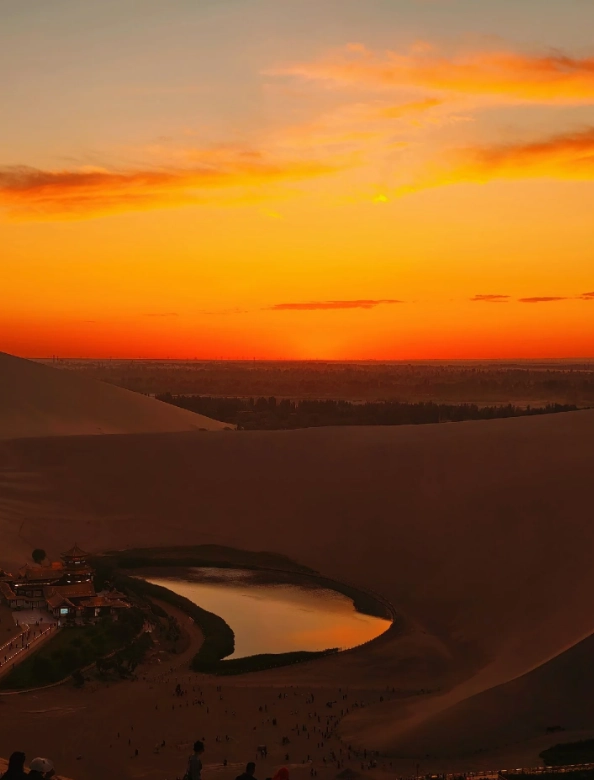
Top Cheap (or Free) Things to Do in Dunhuang
1. Mogao Caves (the must-see, but strategic timing saves money)
Entrance is ¥238 (adult), but students with international ID get half price. I always tell my groups: book at least 7 days in advance via the official WeChat mini-program (search "莫高窟参观预约网"). They release tickets in batches. If you can't get a full ticket (allows 8 caves), grab the emergency ticket (¥100, 4 caves + exhibition hall). The emergency ticket is still worth it—you see the key ones. For free transport: Take Bus 12 from Dunhuang Bus Station (¥3) directly to the scenic area. Last entry is 2 p.m. for the main tour, so arrive before noon.
2. Mingsha Mountain and Crescent Spring
Admission is ¥120 (valid for 3 days). I know that sounds steep, but here's the hack: enter after 4:30 p.m. The sand is cooler, the light is gorgeous for photos, and you can stay for sunset. Avoid renting the shoe covers (¥20) —they're useless. Just wear closed-toe shoes and expect sand inside. To get there, take Bus 3 from the city center (¥1), 30 min ride.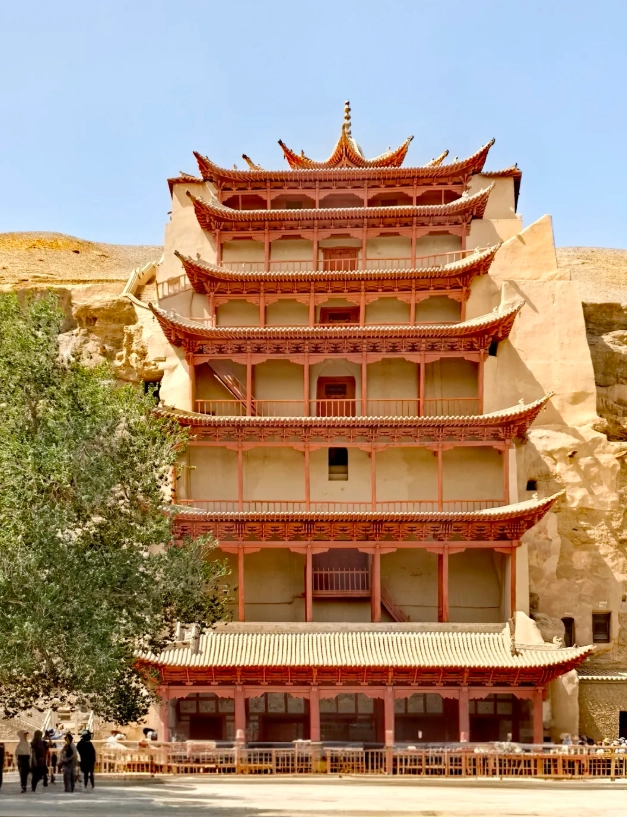
3. Dunhuang Museum (free!)
Located at 90 Mingshan Rd. Free entry with passport. It's a modern museum with well-displayed artifacts from the Silk Road. Takes about 1.5 hours. Closed on Mondays. I often send my budget travelers here on the afternoon they arrive—gives you context for the caves.
4. Shazhou Night Market (free to walk, but low spending tricks)
It's a tourist trap for sure, but you can still enjoy the atmosphere without overspending. Sample dried apricots (¥10 per bag) and walk through the souvenir alley. Don't buy the "ancient coins"—they're mass-produced fakes. I always take first-timers here just for the energy, then we eat down the street for real food.
Dunhuang Budget Itinerary: 3 Days for Under $100
This assumes you stay in a dorm (¥50/night), eat local (¥60/day), and use public transport. Total excluding transportation to Dunhuang: about ¥900 (≈$125). I've rounded to $100 for the core costs.
| Day | Morning | Afternoon | Evening | Estimated Cost |
|---|---|---|---|---|
| 1 | Arrive by train; check into hostel; grab breakfast at Lvzhou (¥10) | Free: Dunhuang Museum (2 hrs) + walk along the Dang River (pleasant path) | Shazhou Night Market sample snacks (¥30) + BBQ dinner at Yulin (¥35) | ¥75 |
| 2 | Bus 12 to Mogao Caves (¥3); emergency ticket (¥100). Tour starts 9:30 a.m., finish by noon | Take the same bus back; lunch at Shunzhang Huangji Noodles (¥15). Rest at hostel | Bus 3 to Mingsha Mountain (¥1) at 4:30 p.m.; entry ¥120. Stay for sunset. Bring water (¥3) | ¥242 |
| 3 | Free morning: walk around the old city wall ruins (near the bus station). Breakfast ¥10 | Check out. Visit the White Horse Pagoda (free, small site). Lunch ¥20 | Take bus to train station (¥1) for afternoon departure | ¥31 |
Total approximate cost for 3 days: ¥348 (≈$48) plus accommodation ¥150 (3 nights dorm) = ¥498 (~$70). Leaves $30 buffer for transport to/from Dunhuang and emergency expenses.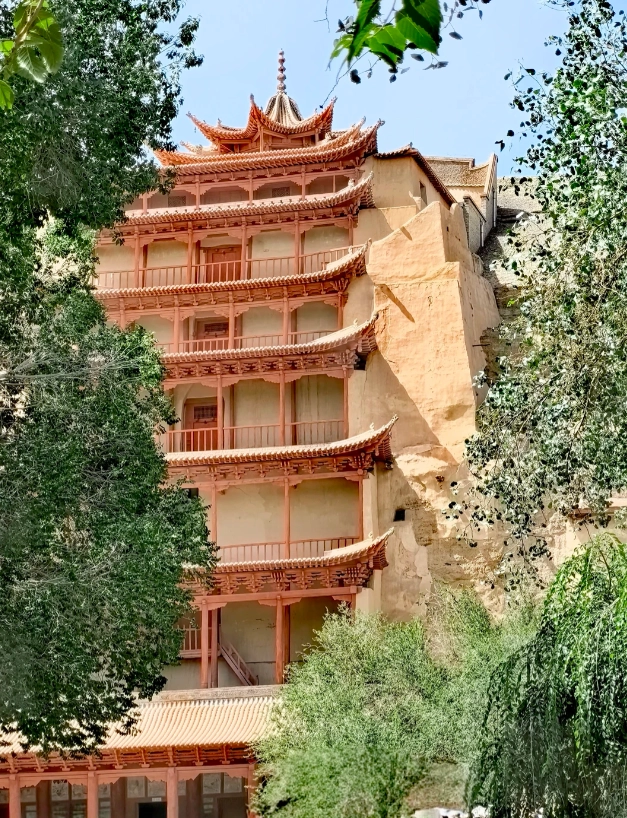





Traveling with two kids on a tight budget is stressful, but this article had some great practical advice. We used the self-guided audio tour tip for the Mogao Caves and saved on the expensive guided group rate. The picnic idea for the Crescent Spring area was genius—we packed our own lunch and avoided the overpriced tourist food. My only small gripe: the article didn't mention that the desert gets freezing at night, even in April. But that's not the writer's fault. We came back with money left over, thanks to this!
This guide made my Dunhuang trip unforgettable! The tip about visiting the Mingsha Mountain just before sunset was pure gold—I got the most incredible golden-hour shots without the midday crowds. The cheap accommodation list was accurate; I stayed at the recommended Silk Road Hostel for only 60 yuan a night and it had great vibes. Also, the section on how to bargain at the night market saved me at least 50 yuan on souvenirs. I've already shared this with three friends planning their trips. Highly recommend!
Honestly, I was a bit disappointed. I read this article hoping for some real money-saving hacks, but most of the tips were pretty basic—things like 'travel in shoulder season' and 'eat where the locals eat.' No surprise there. Also, the suggested 'free walking tour' link was dead. I ended up spending more than I planned because I had to figure out transport on my own. The camel ride discount coupon mentioned was expired too. Not a complete waste, but I expected more depth for a 'budget' guide.
This article is alright if you're a first-time budget traveler to Dunhuang, but I found a few of the 'insider tips' a bit outdated. For example, it said the public bus to Yumen Pass costs 5 yuan, but when I went last month it had gone up to 10 yuan and the schedule was unreliable. The food recommendations were decent though—the hidden noodle shop near the Old City Wall really was a steal. I'd give it a solid 4, but don't rely on every detail without double-checking.
I followed this guide for my week-long trip to Dunhuang and it was a lifesaver. The tip about booking the Mogao Caves tickets a week in advance saved me from hours of queuing. Also, the budget hostel recommendation near the night market was spot-on—clean, cheap, and right next to the best street food. The only downside was that the suggested bus route to the Singing Sand Dunes was a bit confusing; I ended up taking a taxi anyway. Still, overall a solid read that saved me at least 30% compared to my usual spending.