 Wei Zhang
Quick Navigation
I've seen tourists cry at the gate of Jokhang Temple — not from spiritual awakening, but because they were turned away for wearing shorts. Three hours of queuing in the sun, only to be stopped. Don't be that person.
The Lhasa monastery dress code is simple but strictly enforced. Get it wrong and you'll either be refused entry or forced to buy an overpriced cover-up at the souvenir shop. I've guided hundreds of travelers through Lhasa's sacred sites, and the number one issue? Not knowing what to wear.
Here's the bottom line: shoulders and knees must be covered at all times. No exceptions. Hats off inside. Shoes off in certain halls. And that 'trendy' see-through blouse? Leave it at the hotel. Follow these rules and you'll breeze through the entrance without drama.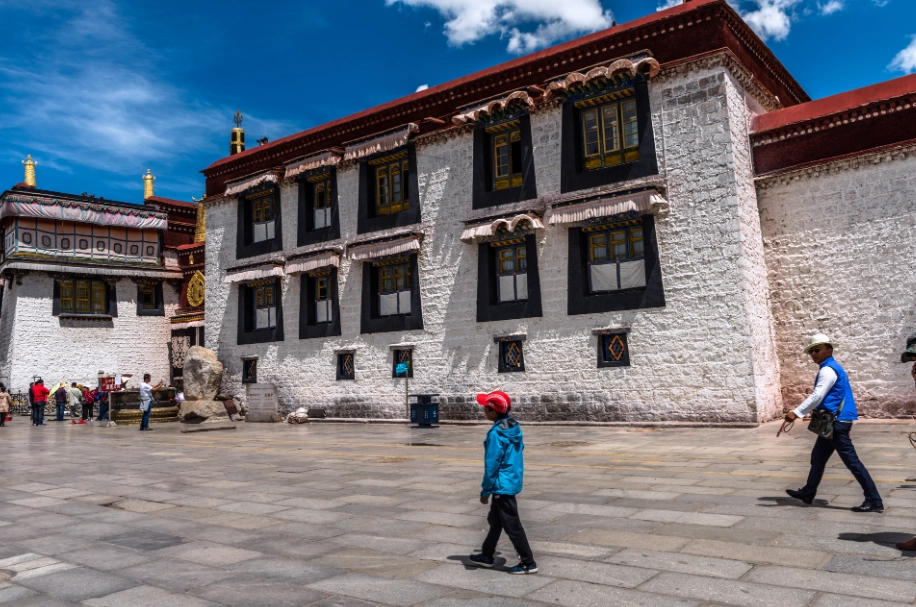
Why Dress Code Matters in Lhasa Monasteries?
This isn't about being fussy. Tibetan Buddhism places high importance on respect and humility before sacred objects. Monks and devotees consider the temple a pure space. Exposing skin — especially shoulders, thighs, or feet — is seen as disrespectful. It's similar to dressing modestly for a church or mosque.
Additionally, monasteries are active worship sites, not just museums. Locals come to pray, offer butter lamps, and prostrate. Your attire should allow you to blend in, not stand out. I always tell my groups: 'Dress like you're visiting someone's grandmother — she'd expect you to be covered and tidy.'
The Specific Dress Code Rules
Here's a quick reference table. Bookmark it before you pack.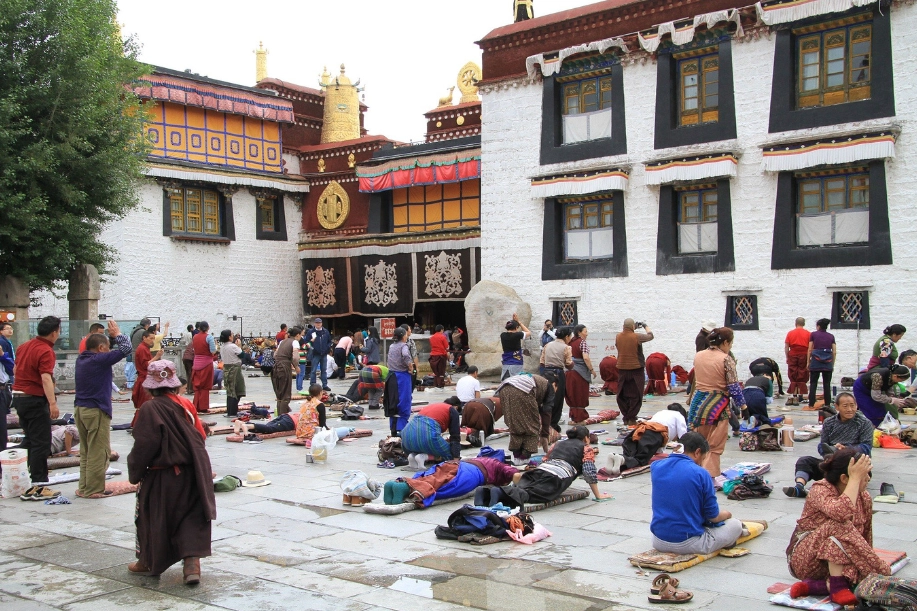
| Item | Permitted | Not Permitted |
|---|---|---|
| Tops | Long sleeves, T-shirts covering shoulders, light sweater | Tank tops, off-shoulder, crop tops, sheer fabrics |
| Bottoms | Long pants (jeans, trousers), long skirts (below knee) | Shorts, short skirts, leggings (too tight), ripped jeans |
| Footwear | Closed-toe shoes (sneakers, walking shoes) | Flip-flops, high heels, open sandals |
| Headwear | Hats allowed outside, scarves for sun protection | Hats inside temple halls |
| Sunglasses | Permitted outside | Must be removed upon entering main hall |
| Accessories | Modest jewelry, small bags | Large backpacks (may need to check), noisy charms |
Footwear: When and Where to Remove Shoes
Inside the main prayer hall and certain chapels, you'll need to remove your shoes. Notice the racks at the door? That's your clue. Some larger monasteries (like Potala Palace) have designated shoe-off areas. In winter, the stone floor is freezing — always wear thick socks that you don't mind slipping off. I learned this the hard way: barefoot on icy tiles is pure agony.
Common Mistakes Tourists Make
After years of guiding, I can tell you the top blunders:
- Short shorts in summer: Even in 30°C heat, shorts are a no-go. I once had a client argue 'but it's so hot!' — the monk didn't budge. She had to buy a ridiculously overpriced long skirt from the temple shop.
- Leggings as pants: Leggings are considered too tight and revealing. Pair them with a long tunic or wear trousers instead.
- Hats on indoors: Taking off your hat is a sign of respect. I see tourists forget this all the time. The security guard will politely remind you, but it's awkward.
- Sheer or lace clothes: If I can see your skin through it, it doesn't count as covered. Bring opaque fabrics.
- Bright, flashy colors: While not strictly forbidden, you'll stick out like a sore thumb. Stick to neutral or earth tones to show cultural sensitivity.
What to Wear: A Practical Packing List
Based on my experience, here's what I pack for every monastery visit:
- Lightweight long-sleeve shirt (breathable for summer)
- A packable scarf or pashmina (multipurpose: covers shoulders, sun protection, can sit on)
- Comfortable trousers (jeans work fine)
- Warm socks for shoe-off areas
- Comfortable closed-toe walking shoes (trainers are perfect)
- A small daypack (backpacks may need to be checked at some monasteries)
If you're visiting multiple monasteries in one day, layer up. Mornings are cold even in summer. By noon you'll want to peel off, but remember the dress code. A light cardigan over a tee is a lifesaver.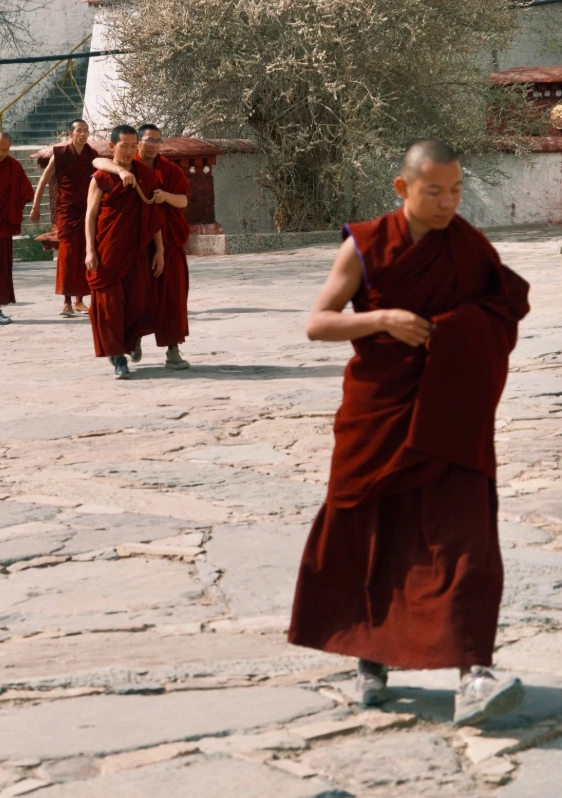
Adapting to Lhasa's Weather
Lhasa's UV is brutal. You'll be tempted to bare skin, but resist. Instead, wear a long-sleeve UPF shirt or a thin cotton kaftan. For rain (sudden afternoon downpours in July-August), carry a small umbrella. Avoid plastic rain ponchos — they make you sweat and look like a tourist target.
Winter visitors: thermal underwear under your trousers is acceptable as long as the outer layer covers your shape. But be prepared to remove shoes indoors, so warm, easy-to-remove boots are ideal.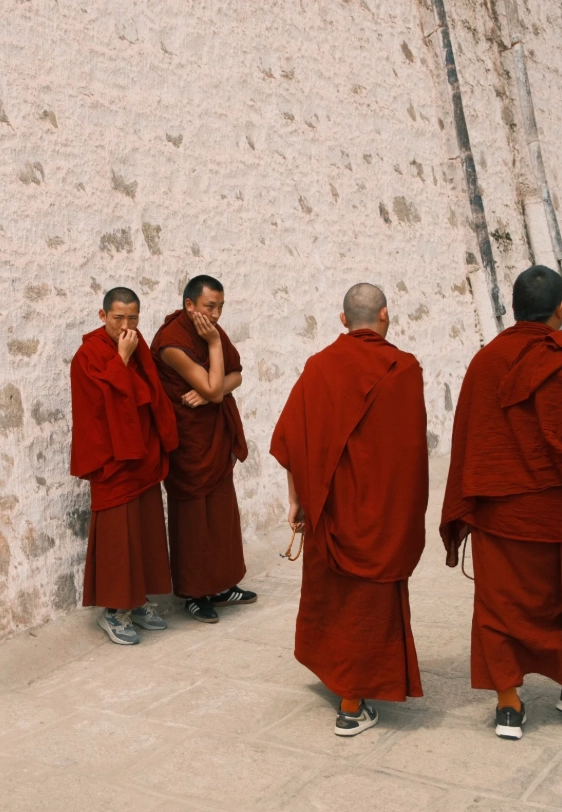
FAQ: Lhasa Monastery Dress Code
Verified and fact-checked by the editorial team.





No comments yet.