 Ting Chen
Quick Navigation
Three hours. That’s how long my clients waited in the sun at the South Gate last week. Forget the glossy brochures—if you don't know the exact WeChat mini-program trick, you aren't getting into Potala Palace. And that's just the tip of the iceberg. I've been guiding in Lhasa for over a decade, and I still see the same mistakes: people flying in direct, getting slammed with altitude sickness their first day, then spending half their trip in a hotel room. I'm writing this so you don't waste your time—or money.
Here is exactly how to skip the queues, handle the payment nightmare, and see the real Lhasa without collapsing.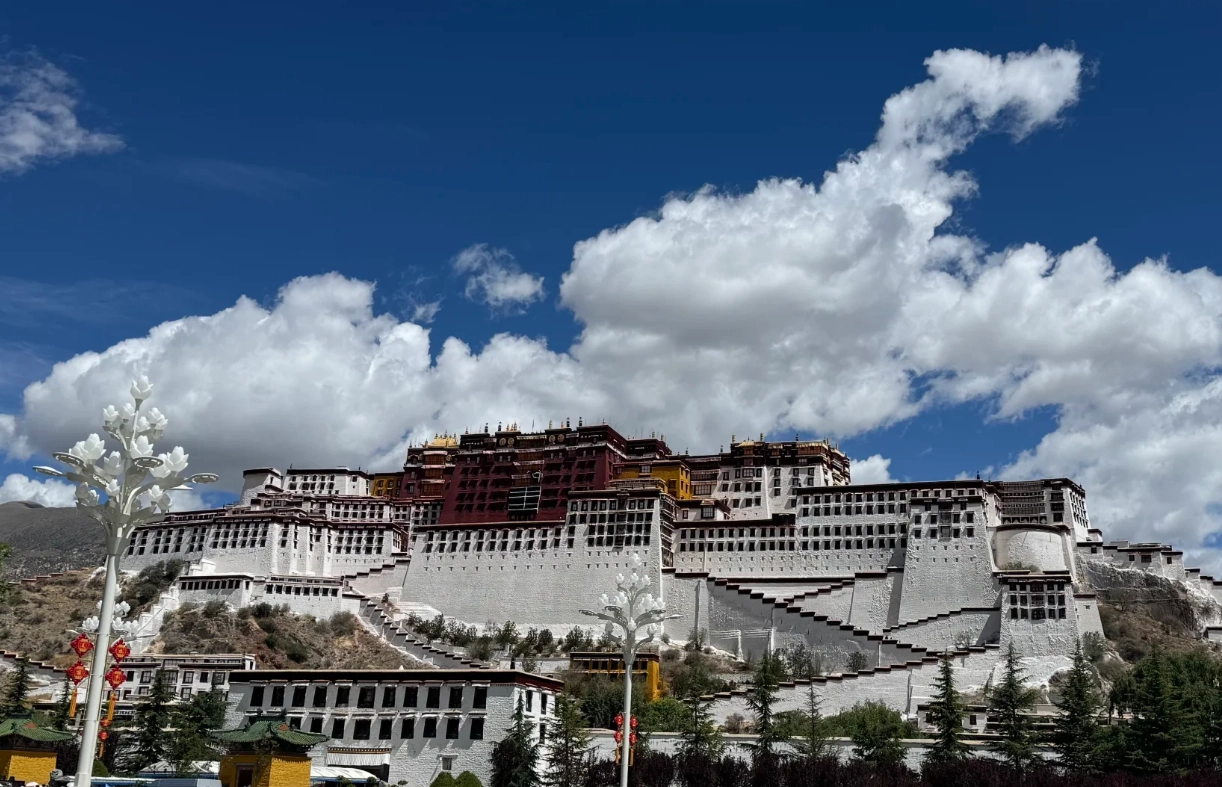
How to Beat Altitude Sickness (Don't Be a Hero)
Lhasa sits at 3,650 meters (12,000 feet). The air is thin, and your body will notice. I've seen fit guys in their 20s cry from headaches after running up stairs. The worst mistake? Flying in from sea level and heading straight to the Potala Palace.
My 3-Day Acclimation Plan
Day 1: Land and do nothing. I mean it. Take the airport shuttle (30 RMB, 1 hour). Check into your hotel. Lie down. Drink water—lots of it. Don't shower (hot water dilates blood vessels, worsens symptoms). Eat light, carb-heavy meals.
Day 2: Slow walk. Stroll around Barkhor Street. Keep it under 2 hours. If you feel dizzy, sit down. I always tell my groups: "If you can have a conversation while walking, you're fine. If you're gasping, you're walking too fast."
Day 3: Visit a low-altitude site first. The Norbulingka (summer palace) is relatively flat and around 3,640m. Perfect warm-up.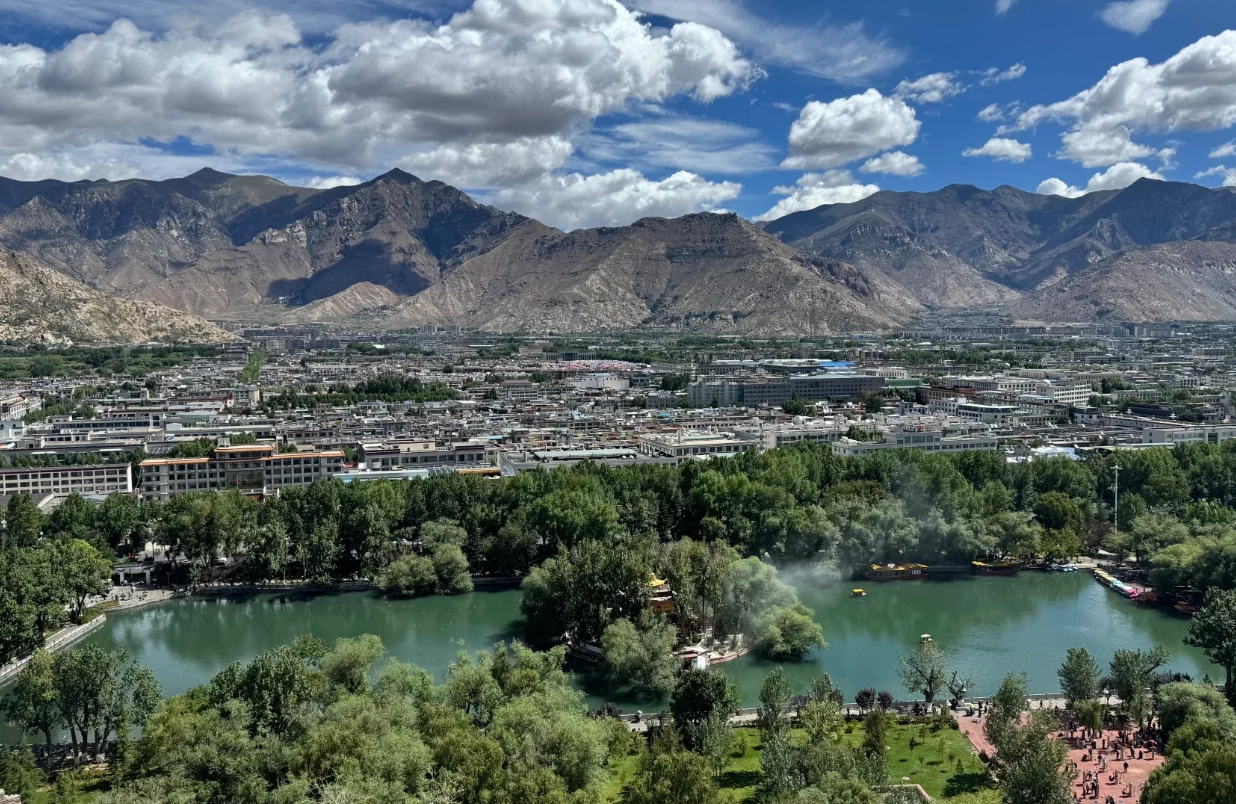
The Permit Maze: Why You Can't Just Show Up
Foreigners need a Tibet Travel Permit to enter Lhasa. This is not optional. You cannot buy it at the airport. You must arrange it through a registered tour agency at least 2 weeks before your trip. I have a guy I've used for years—Tibet Vista —they handle paperwork and include the permit in their packages. You'll also need a Chinese visa (L visa), preferably with a Tibet entry stamp.
Important: Some areas near Lhasa (like Mount Everest Base Camp) need extra permits. Stick to Lhasa city for your first visit—you only need the basic permit.
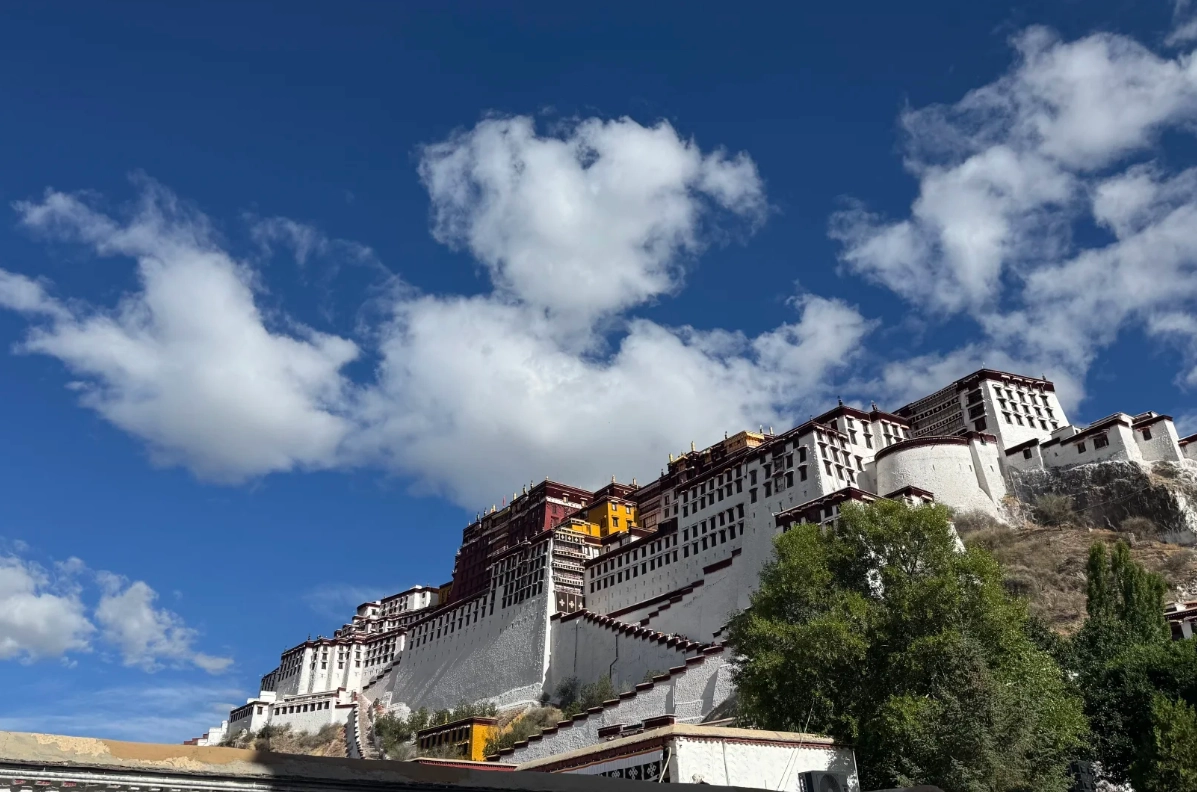
Potala Palace: The Ticket Nightmare
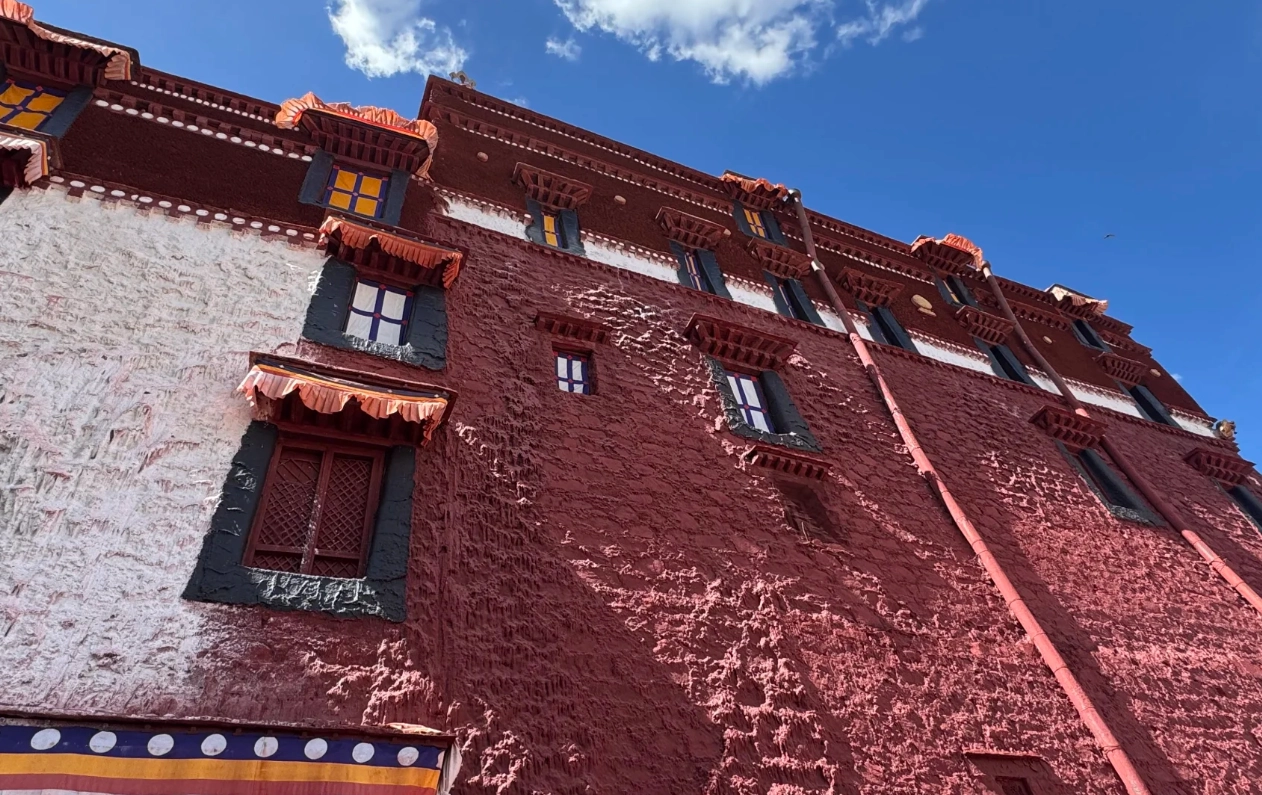
This is where most tourists fail. Tickets are limited to 2,300 per day, and they sell out fast. You must book via the official WeChat mini-program (search "布达拉宫票务预订系统"). It's in Chinese, and even I struggle with it. Here's the cheat:
- Open WeChat, search the mini-program.
- Select date and time slot (morning slots are less crowded).
- Pay with WeChat Pay (Alipay doesn't work here).
- Show QR code at entrance.
| Detail | Info |
|---|---|
| Price | 200 RMB (peak season May-Oct), 100 RMB (off-peak). Students 50% off with valid ID. |
| Opening Hours | 9:00–16:00 (last entry 15:30). Closed on Mondays during off-peak. |
| Address | No. 35, Beijing Middle Road, Chengguan District. |
| Transport | Bus 24, 29, 106 to "Potala Palace" stop. Or Didi for ~10 RMB from city center. |
| Best Time | 8:30 AM queue (opens 9:00). Avoid 11 AM–2 PM when tour groups flood in. |
| Time Needed | 2–3 hours. The climb is steep—take breaks. |
My frustration: Why doesn't the ticket system have an English version? It's a nightmare for non-Chinese speakers. If you can't use WeChat Pay, ask your hotel to book for you—they usually can with a small fee (20–50 RMB).
Cash vs Card vs WeChat: What Actually Works
International credit cards are useless in Lhasa except for a few hotels (like the St. Regis). I always tell my clients: bring Chinese yuan cash. ATMs in Lhasa accept UnionPay, but international cards (Visa, Mastercard) often fail. WeChat Pay and Alipay are the kings, but you need a Chinese bank account to fully set them up—tourists can use a travel card (available at airports) with a foreign card linked, but it's not reliable.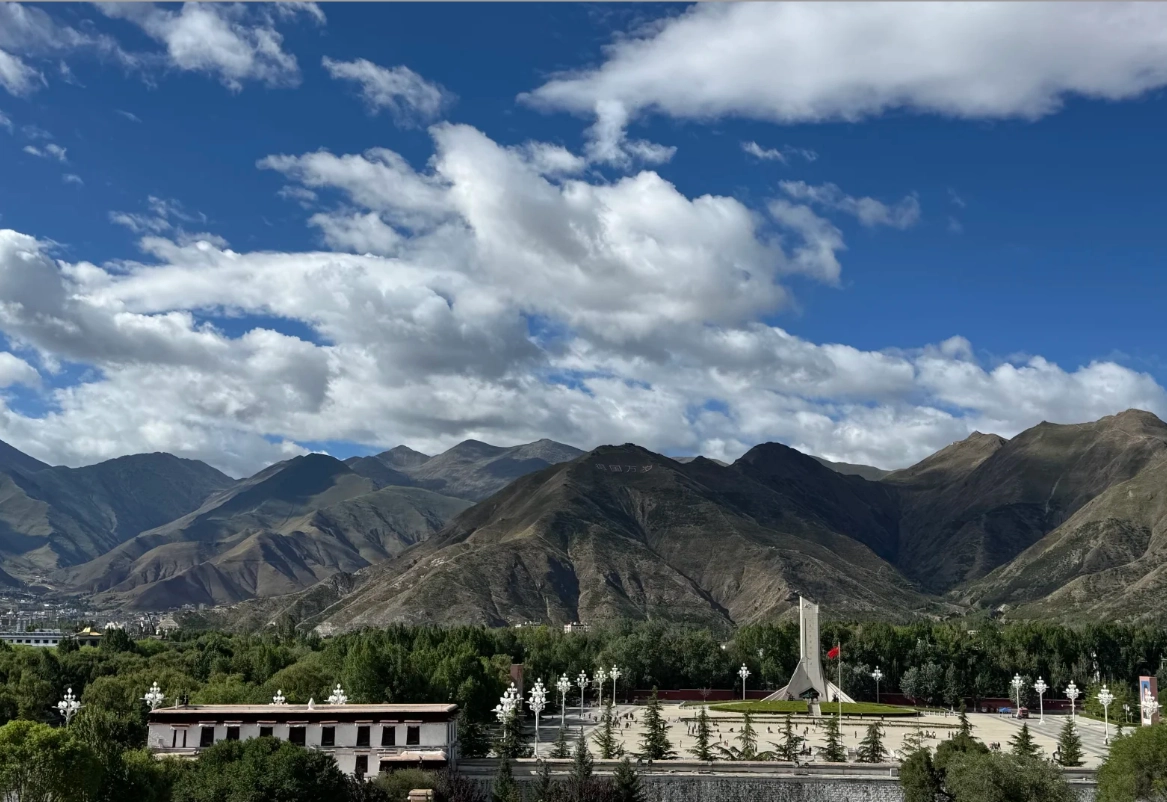
| Method | Reliability | Where to Use |
|---|---|---|
| Cash (RMB) | High | Street vendors, small restaurants, museums |
| WeChat Pay | Medium for foreigners | Most shops, but setup is hard |
| Alipay | Low | Larger hotels, but not everywhere |
| Visa/Mastercard | Very low | Only high-end hotels (St. Regis, Shangri-La) |
Getting Around Lhasa: Didi, Taxi, or Foot?
Lhasa is compact. Many attractions are within 3–4 km of each other. But walking at 3,650m? Exhausting. Here's what I use:
- Didi (Chinese Uber): Cheap, reliable. Download the app, but you may need a Chinese phone number. Cost ~10–20 RMB within city. Note: drivers rarely speak English. Have your destination written in Chinese.
- Taxi: Easier—hail on street. Starting price 10 RMB. But drivers often refuse short distances. I always show my destination on my phone map.
- Walking: Only for short distances (like from Jokhang Temple to Barkhor). Wear comfortable shoes.
- Public Bus: 1 RMB, but routes are confusing in Chinese. Not recommended for first-timers.
What to Eat (and Skip) in Lhasa
Tibetan food is unique—but not for everyone. I love it, but many of my clients struggle. Here's my honest take:
Must-Try Dishes
| Dish | Where | Price | My Take |
|---|---|---|---|
| Tsampa (roasted barley flour) | Many cafes, e.g., Tsampa House near Barkhor | 15–25 RMB | Earthy, filling. Mix with butter tea. |
| Momos (dumplings) | Kirey Restaurant, Jokhang Temple area | 20–30 RMB for 10 | Best with chili sauce. The yak meat ones are rich. |
| Butter Tea | Everywhere | 5–10 RMB | Salty, buttery. Not for everyone—I only sip it for energy. |
| Yak Meat | Many restaurants, e.g., Snowy Restaurant (Beijing Road) | 50–80 RMB | Chewy, gamey. Skip if you're not adventurous. |
Where I eat: I always take my groups to Kirey Restaurant (Google Maps: 4.4 stars) near Jokhang. They have English menus and decent momos. Avoid the tourist-trap restaurants on Barkhor's main drag—they charge double.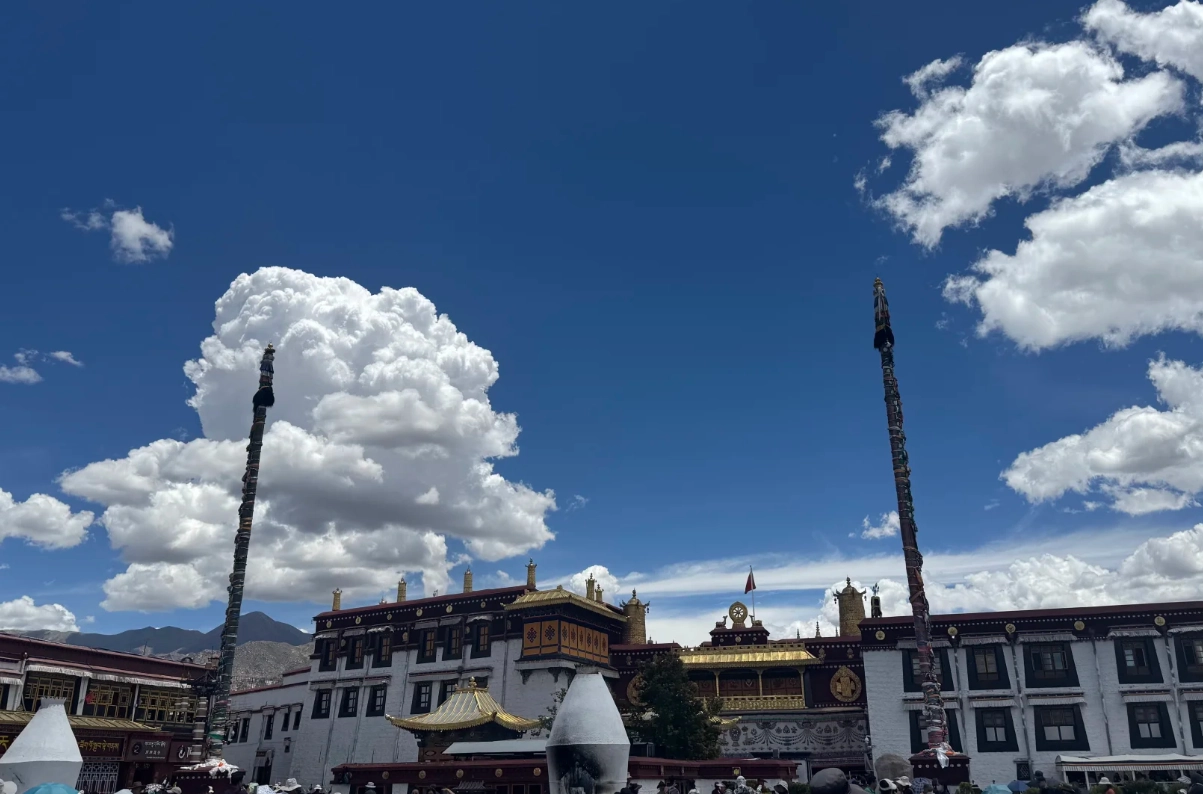
FAQ: Things to Know Before Visiting Lhasa (Real Questions)
Verified and fact-checked by the editorial team.





No comments yet.