 Ming Yang
Quick Navigation
- The Bottom Line: Yes, But With a Catch
- What Makes Sera Monastery Special?
- Ticket Price & Visiting Hours
- How to Get to Sera Monastery (Transportation)
- Best Time to Visit: When to Go & When to Avoid
- The Monk Debates: Is the Hype Real?
- What to See Inside: Must-Not-Miss Spots
- Common Tourist Traps & How to Avoid Them
- Frequently Asked Questions
The Bottom Line: Yes, But With a Catch
I've been guiding travelers through Tibet for over a decade, and Sera Monastery is one of those places I always include — but not without a few warnings. If you're looking for quiet, spiritual solitude, you might be disappointed. But if you want to witness living Tibetan Buddhism in action, especially the famous monk debates, then yes, it's absolutely worth visiting. The key is to go with the right expectations and a solid game plan.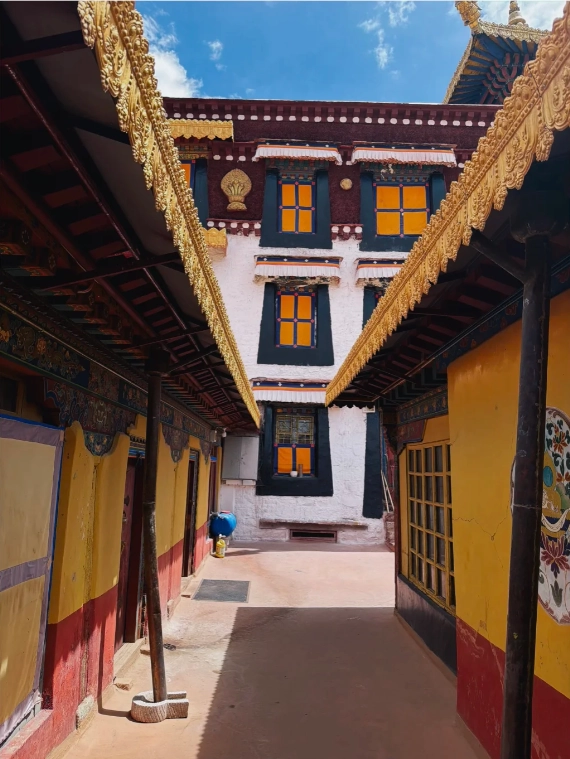
What Makes Sera Monastery Special?
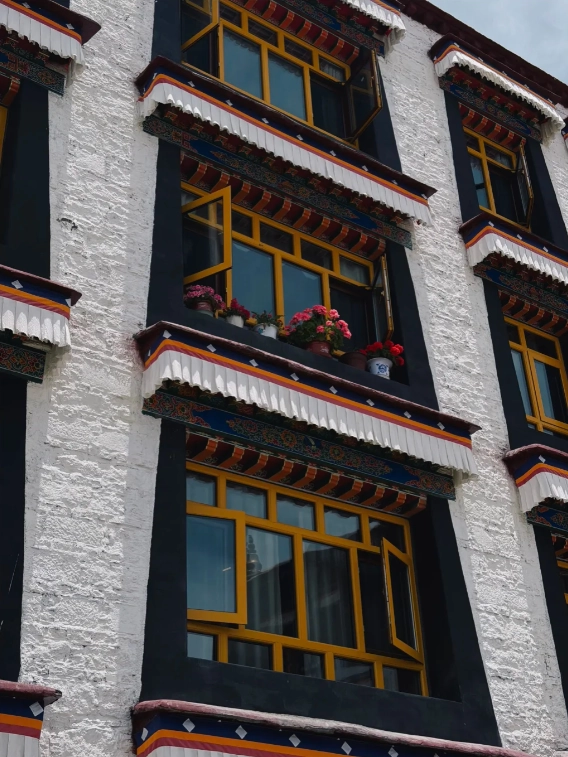
Sera Monastery is one of the "Great Three" Gelug monasteries of Lhasa (the other two are Drepung and Ganden). Founded in 1419 by a disciple of Tsongkhapa, it's famous for its lively afternoon philosophical debates among monks. The debates aren't just a show — they're a real, centuries-old teaching method. You'll see monks clapping, stomping, and arguing with dramatic gestures. It's part performance, part intense study.
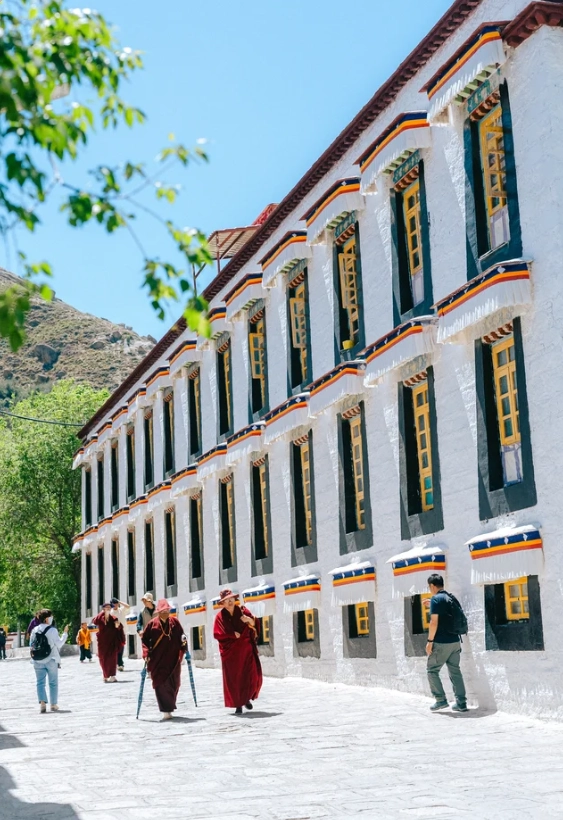
But Sera is also a working monastery with beautiful chapels, colorful murals, and a fascinating history. Unlike the Potala Palace, it feels less like a museum and more like a living community.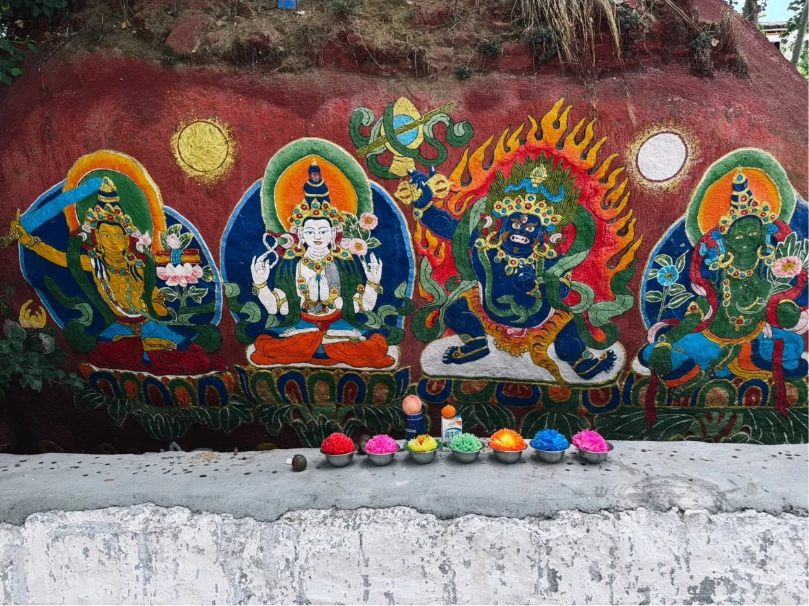
Ticket Price & Visiting Hours
| Item | Details |
|---|---|
| Ticket price (adult) | CNY 60 (approximately USD 8.5) |
| Discounts | Children under 1.2m free; seniors 65+ with ID get half price; students with valid ID get half price |
| Opening hours | 9:00 AM – 5:00 PM (last entry at 4:30 PM). The debates usually start around 3:00 PM and end by 5:00 PM. The monastery closes at 5:00 PM sharp. |
| Reservation needed? | No advanced reservation required for individual visitors. Just buy at the gate with cash or WeChat/Alipay. However, during peak season (May–October), arrive early to avoid queues. |
| Website | No official English site. For updated info, check Trip.com or local travel blogs. |
How to Get to Sera Monastery (Transportation)
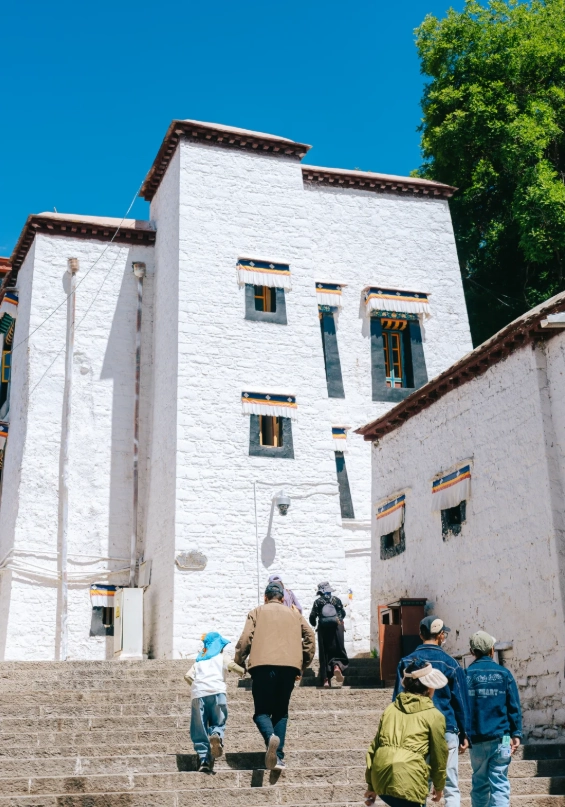
Sera Monastery is located about 5 km north of Lhasa city center, on the foothills of Mount Penpo. Here are your options:
- Taxi / DiDi: From the Barkhor Square or Jokhang Temple area, a taxi costs around 20–30 CNY (USD 3–4). Show the driver: 色拉寺 (Sèlā Sì). Get off at the main gate. The ride takes about 15–20 minutes without traffic.
- Bus: Take bus No. 24 from downtown (e.g., near the Ramoche Temple). Get off at Sera Monastery stop (色拉寺站). The bus costs 2 CNY. Then walk about 5 minutes uphill to the entrance.
- Walking? Not recommended unless you enjoy a steep 40-minute climb from the city center.
Best Time to Visit: When to Go & When to Avoid
Here's the thing most guides won't tell you: the afternoon debates are the main draw, but the timing matters a lot.
Peak debate hours: 3:00 PM – 5:00 PM
That's when the courtyard in front of the main assembly hall fills with monks. But crowds also peak at that time. My advice:
- Arrive at 1:00 PM – explore the empty chapels and the peaceful upper terraces while most tourists are having lunch.
- By 2:30 PM – grab a spot in the debate courtyard. The best viewing is from the raised walkway on the west side (shaded at that hour).
- Avoid 10:00 – 11:30 AM – that's when tour groups flood in. You'll find long queues at the ticket office and crowded halls.
The Monk Debates: Is the Hype Real?
I'll be honest: the first time I saw the debates, I thought it was just a tourist performance. But then I listened to a guide who explained the hand gestures (one hand claps for logic, the other for the opponent's fallacy). It's genuinely fascinating — and exhausting. The monks debate for hours on Buddhist philosophy, often raising their voices. Some travelers find it chaotic, others find it moving.
Is it worth it? If you're into culture and want to see something unique, absolutely. If you're seeking serene meditation, skip the debates and visit early morning instead.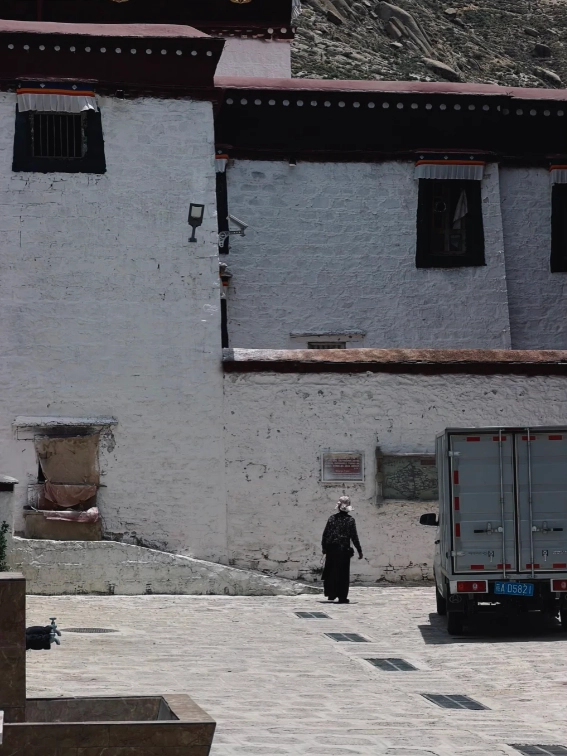
What to See Inside: Must-Not-Miss Spots
Don't just wander aimlessly. Here's my suggested route:
- 1. Main Assembly Hall (Tsokchen) – The largest hall with 16 pillars, giant Buddha statues, and stunning thangkas. Note the dark, smoky interior from butter lamps – authentic but can be strong for sensitive noses.
- 2. Three Colleges – Sera has three colleges: Sera Je, Sera Mey, and the Ngagpa College (for tantric studies). Each has its own debating courtyard and unique art. The Sera Je chapel contains a famous self-formed Avalokiteshvara image.
- 3. The Rock Paintings – On the hillside behind the monastery, there are ancient rock carvings of Buddhas and mantras. A short hike (15 minutes) gives you a panoramic view of Lhasa valley – worth it for the photo alone.
- 4. The Kitchen – A massive kitchen with enormous cauldrons used during festivals. The smell of yak butter tea might be overwhelming, but it's a glimpse into monk life.
Common Tourist Traps & How to Avoid Them
Based on my experience, here are the top mistakes I see travelers make:
- Mistake 1: Coming too late for debates. The debates wrap up by 5 PM, but some monks leave early. Arrive at least by 3:00 PM.
- Mistake 2: Not covering shoulders and knees. The guards at some chapels will block you. Carry a scarf or shawl.
- Mistake 3: Touching the statues or thangkas. Not just disrespectful – the oil from your hands can damage centuries-old art.
- Mistake 4: Believing the "special blessing" touts. Outside the gate, locals may offer to take you to a "special" chapel for a donation. They're just leading you to a gift shop. Politely decline.
- Mistake 5: Taking photos during debates without asking. It's allowed, but avoid using flash. Some monks don't like being filmed – respect their wishes.
Frequently Asked Questions
Verified and fact-checked by the editorial team.





No comments yet.