 Ling Wu
You've booked flights to Yinchuan. Maybe you saw a photo of those strange pyramid-like mounds rising from the Gobi desert. But then reality hits — how do you even get there? I've been guiding travelers around these tombs for years, and trust me, the internet is full of outdated info.
Here's the brutal truth: most foreign visitors waste hours at the wrong gate, pay triple for unofficial tickets, and miss the most impressive mausoleum entirely. Not on my watch.
I'll show you exactly how to navigate the Western Xia Imperial Tombs without the usual headaches. Let's cut through the noise.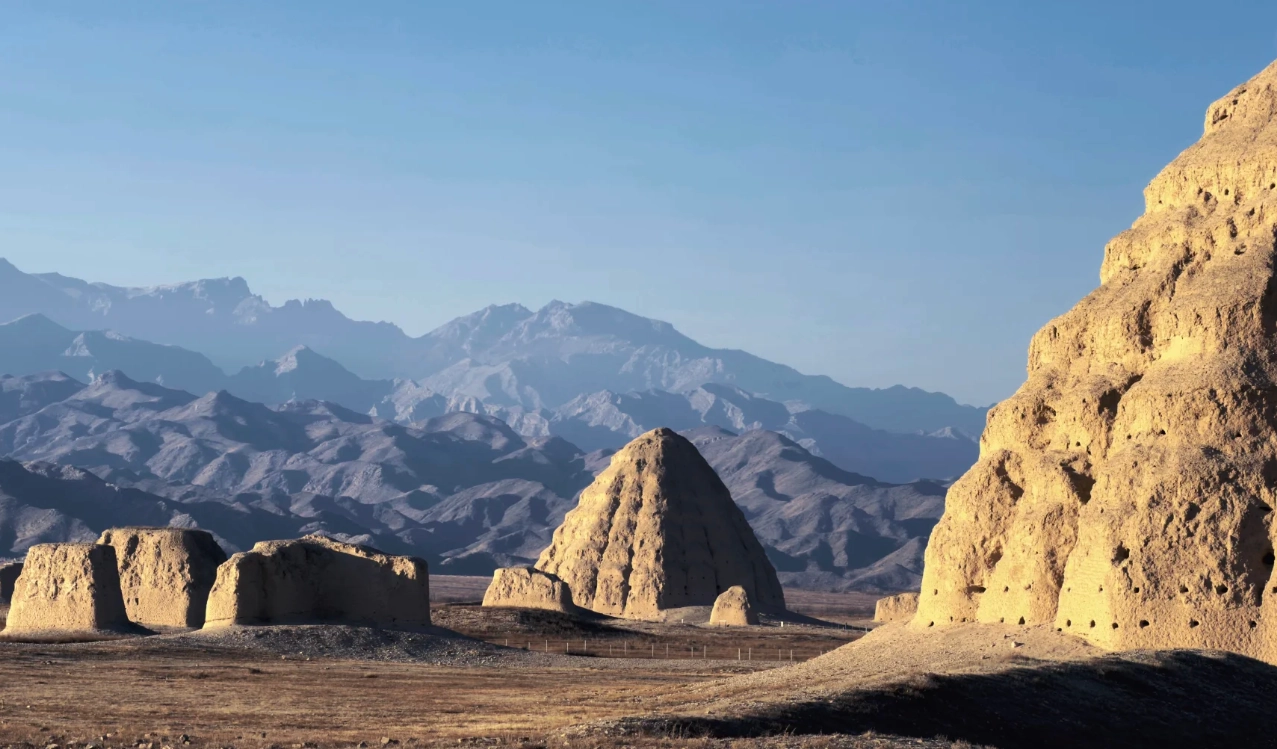
What You'll Learn (Skip Ahead)
Why Bother? The "Pyramids of China"
Imagine Egypt's pyramids, but made of rammed earth instead of stone, scattered across a barren plain in northwest China. That's the Western Xia Imperial Tombs — the burial site of emperors from the mysterious Tangut Empire (1038–1227 AD).
Most travelers skip Ningxia entirely, which is precisely why you should go. It's raw, uncrowded, and utterly unique. The site covers 50 square kilometers, though only a fraction is open to the public. The No.3 mausoleum (believed to be Emperor Jingzong's) is the star, with its pagoda-like shape still towering 20 meters high.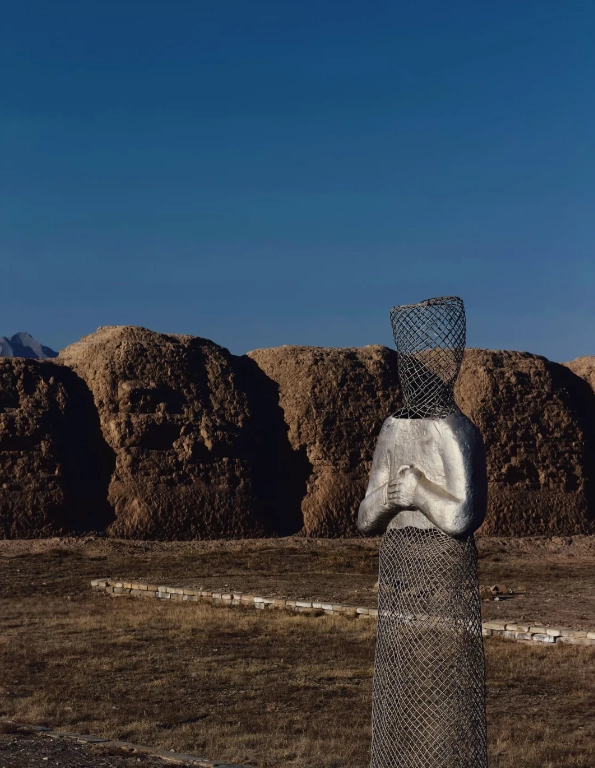
Getting There: Your Only Two Options
Option 1: Didi (Chinese Uber) from Yinchuan city center — 40–50 minutes, about 60–80 RMB (US$8–11). Show the driver the Chinese name: 西夏王陵 (Xī Xià Wáng Líng). Have it written down — most drivers don't speak English.
Option 2: Bus tour from Yinchuan — Some hostels and hotels offer organized tours. But I'm not a fan. They rush you through in 2 hours, just enough for a few photos. You want at least 3–4 hours to explore properly.
Important: Taxis waiting at the exit will overcharge. Book your Didi return trip before you leave the parking lot.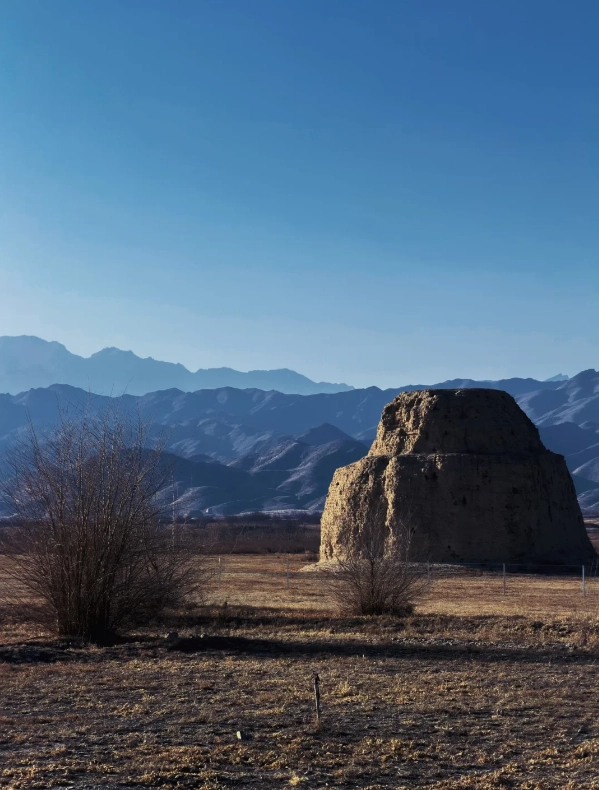
Tickets & Booking: Avoid the Scam
Official ticket prices:
| Ticket Type | Price (RMB) | Notes |
|---|---|---|
| Adult (full site + museum) | 78 | Includes shuttle bus inside the site |
| Student (with valid ID) | 40 | International student cards accepted? Hit or miss. Bring your passport. |
| Senior (60+ with passport) | Free | But you still need to get a free ticket at the counter |
| Audio guide rental | 20 | English version available, but boring. Skip it, read this guide instead. |
Booking channel: You can buy on-site (cash or WeChat Pay). But I always tell my guests to pre-book via Trip.com or Klook to avoid the queue. Note: international credit cards might not work at the ticket booth. Carry enough cash.
Opening hours: 8:00–18:00 (last entry at 17:00). During winter (Nov–Mar), closes at 17:30.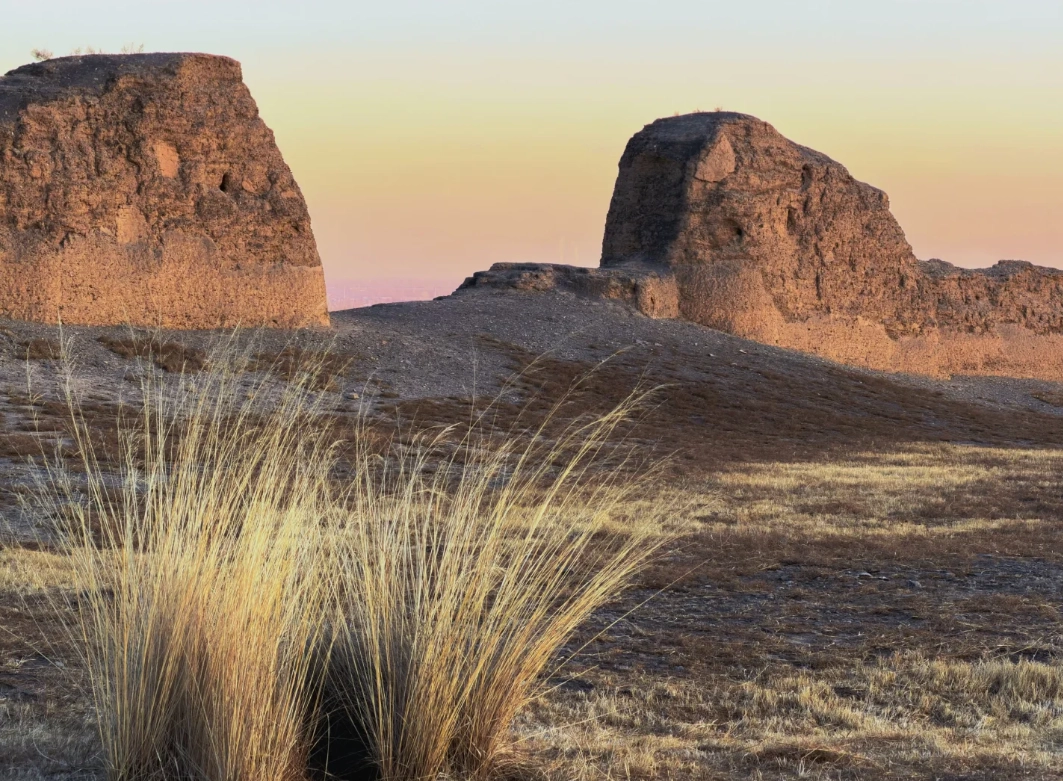
Best Time to Visit: Beat the Heat & Crowds
Most guides will tell you morning is best. Sure, but here's what they don't say: the golden light hits the tombs around 3:30 PM from October to April. The earth glows orange against the blue sky. It's a photographer's dream.
Avoid noon from May to September — the desert sun is brutal. No shade anywhere. I've seen tourists nearly pass out.
Crowds? Almost nonexistent on weekdays. Weekends see local families, but nothing like the Forbidden City. If you arrive at 8:30 AM, you'll have the place almost to yourself.
What to See: The Mausoleums Worth Your Time
The site has three main areas you can visit after the shuttle drops you:
No.3 Mausoleum (Emperor Jingzong) — The most intact and the only one you can walk right up to. You can even touch the rammed earth walls (though you shouldn't). Take the boardwalk path, not the main road — it's longer but more scenic.
The Western Xia Museum — Honestly, this is better than the tombs themselves if you care about history. Exhibits show Tangut script (still not fully deciphered), Buddhist artifacts, and a model of the entire tomb complex. I recommend visiting the museum first to understand what you're seeing outside.
No.1 & No.2 Mausoleums — These are further back, and the shuttle stops there. But they're mostly rubble. Unless you're a die-hard historian, skip them and spend time at No.3.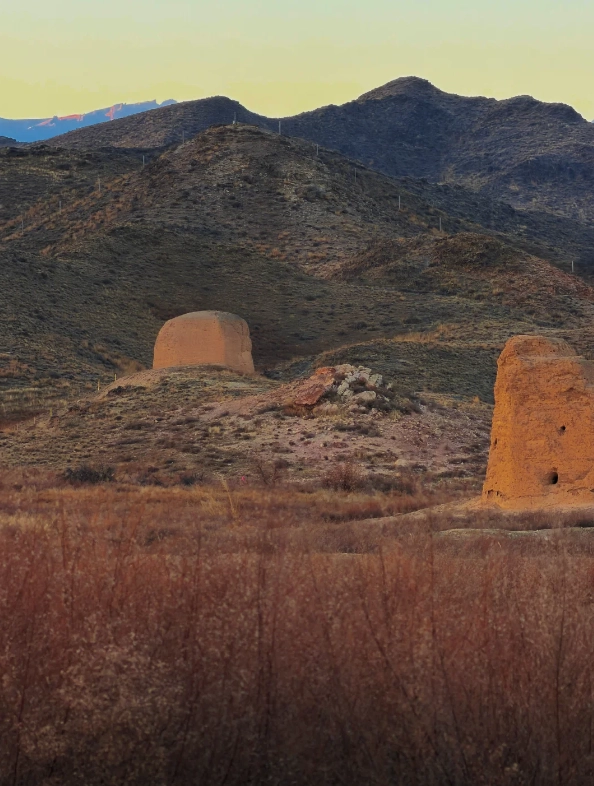
Guided Tour vs DIY: What I Recommend
If you're reading this article, you're already halfway to a DIY success. But here's my honest take:
DIY — Perfect if you have 4+ hours, are comfortable with Didi, and can handle some Chinese signs. You'll save money and have flexibility.
Guided tour — Worth it if you want deep historical context. The English-speaking guides at the museum are actually quite good, but you need to book in advance through a travel agency. I've used Visit Our China before — reliable but pricey (about 600 RMB per person for a half-day private tour).
Audio guide — Don't bother. The English narration sounds like a robot, and it's synced to museum displays, not the outdoor tombs.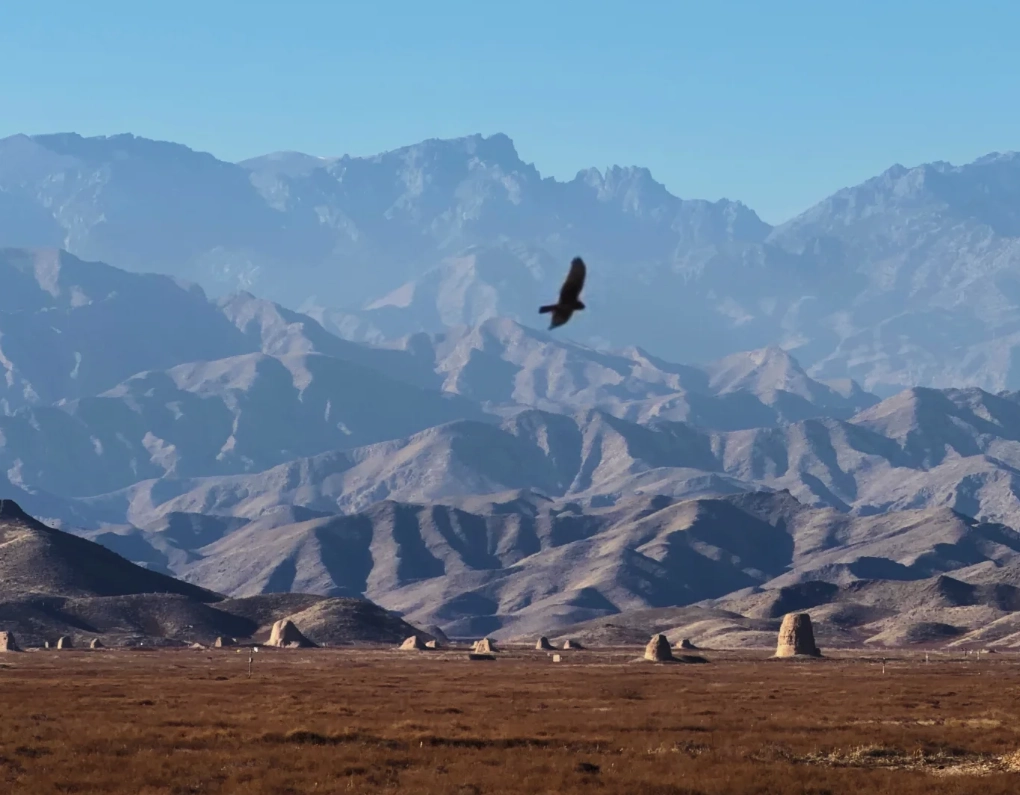
Pro Tips from a Local Guide
#2: The shuttle bus runs every 30 minutes from the parking lot to the tombs. But if you want to walk between No.3 and the museum, it's about 1.5 km. Doable, but there's no shade.
#3: There's one small snack stand near the museum entrance. Instant noodles and bottled water only. Bring your own snacks.
#4: Toilets are... rustic. There's a decent one at the museum and a squat toilet at No.3. Use the museum restroom before heading out.
#5: The wind here is no joke. On dusty days, you'll be eating sand. Check the weather forecast — if it says "dust", postpone.
FAQ: Your Burning Questions Answered
Verified and fact-checked by the editorial team.






What an experience! I've read about the Tangut civilization but seeing the actual tombs was surreal. The sheer emptiness of the landscape adds to the mystique—you really feel like you're stepping back in time. The shuttle bus from the city was cheap and easy, and there's a decent cafe near the entrance. Just come prepared for sun and wind (hat + sunscreen mandatory). If you love off-the-beaten-path UNESCO sites, this is a must.
Photographer's dream! The contrast between the yellow earth tombs and the blue sky is stunning. Early morning light made for some dramatic shots of the No.3 tomb. The site was almost empty when I visited on a weekday—felt like I had the whole place to myself. The museum has some cool artifacts too. Highly recommend renting a bike inside if you want to cover more ground. One of the most underrated historical sites in China.
Absolutely incredible! I've traveled to over 30 countries and never seen anything like this. The Western Xia Tombs are hauntingly beautiful—especially at sunset when the golden light hits the mounds. The site is massive, so you can easily spend half a day wandering. The audio guide was informative and the staff were helpful (one guard even pointed out a rare bird). If you're in Ningxia, don't skip this. 5/5, no question.
A solid 4 stars. The scale of the tomb complex is mind-boggling—those pyramid-like mounds against the Helan Mountains backdrop are truly unique. I loved the museum section that explained the Tangut script and culture. Only downsides: the wind was relentless (bring a scarf!) and a few of the restored structures felt a bit too 'tourist-friendly' with modern paint. Still, if you're into obscure history, it's absolutely worth the trip.
Honestly, I was a bit underwhelmed. The tombs are impressive from a historical perspective, but getting there was a hassle—the shuttle from Yinchuan took forever and then we had to wait another 20 minutes for the internal bus. Once inside, the signage is sparse and there's almost no shade. For the entrance fee (which isn't cheap), I expected better facilities or at least a proper guide. If you're not a die-hard history buff, you might find it just a bunch of dirt mounds in a hot, dusty field.