 Peng Gao
Quick Lookup
- Why Season Matters More Than You Think
- Spring (April–May): The Perfect Balance
- Autumn (September–October): The Golden Window
- Summer (June–August): Avoid If Possible
- Winter (November–March): For the Brave
- Opening Hours & Ticket Tips
- Getting There – Don't Get Lost
- Practical Tips Only a Guide Would Tell You
- FAQ – What Travelers Ask Me
Stood there yesterday, squinting at a 3,000-year-old carving of a deer. The sun was brutal—even at 5 PM. I've brought hundreds of tourists here, and the one question that always comes up: when is the best season to visit Helan Mountain Rock Engravings? Let me save you from roasting or freezing.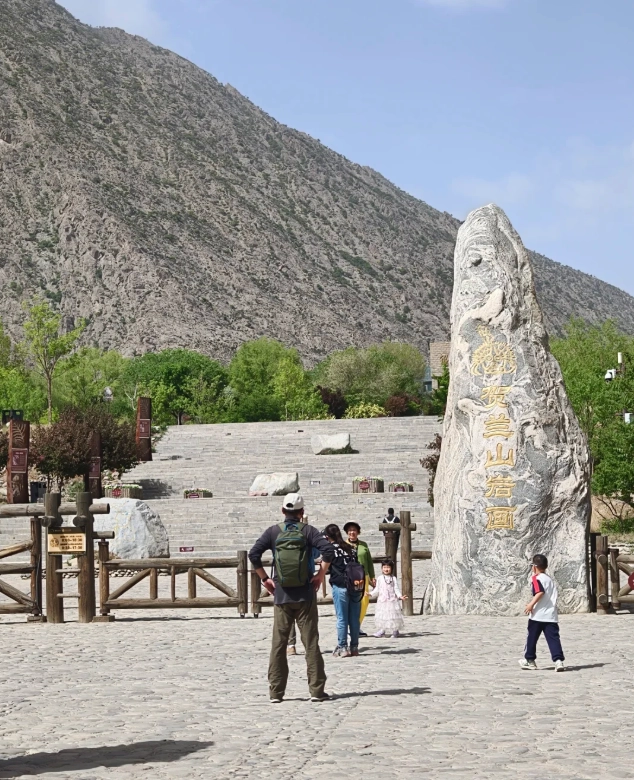
Why Season Matters More Than You Think
Helan Mountain sits in Ningxia, a dry, semi-desert region. Temperature swings are wild. Summer can hit 35°C (95°F) with zero shade along the exposed cliff face. Winter plummets to -15°C (5°F) with biting wind. The engravings are spread across a 2-km-long outcrop—you'll be walking outdoors the entire time. Pick the wrong month, and you'll either rush through or miss the whole point.
But let's break it down by season so you can decide what fits your travel style.
Spring (April–May): The Perfect Balance
Spring is when the desert starts to bloom—well, a bit of green appears. Temperatures range from 10°C to 25°C (50°F–77°F). You'll need a light jacket in the morning but can walk in short sleeves by noon.
What I love: The air is clear, so the distant Helan peaks look sharp in photos. No haze. And the petroglyphs? The low-angle sunlight (especially around 8–9 AM and 4–5 PM) casts shadows into the carved lines, making the animals and symbols pop out. You can actually see the details without squinting.
Crowds: Moderate. May sees some Chinese holiday traffic (Labor Day, May 1–5). Avoid the first week if possible. Otherwise, it's pleasantly quiet.
Downside: Occasional sandstorms in April. Check the forecast; if it's a dusty day, skip and go to a museum instead.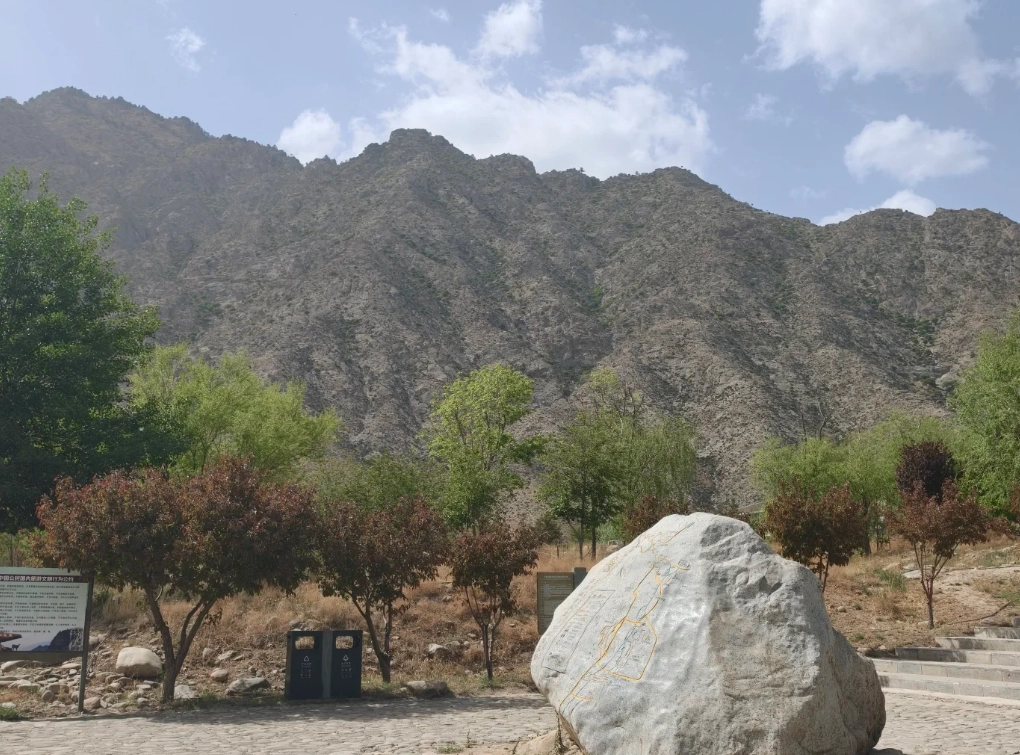
Autumn (September–October): The Golden Window
Hands down, September and the first half of October are prime. Temperatures: 15°C–28°C (59°F–82°F). The summer heat is gone, the winter cold hasn't arrived. The sky is a deep blue—perfect for photography.
My routine: I always start the tour at 8:30 AM, right when the site opens. The morning light from the east illuminates the rock faces. By noon, we take a break and have lunch in the small visitor center. Then at 3:30 PM, we head back for the final hour—the golden light makes the carvings look almost alive.
Crowds: National Day holiday (Oct 1–7) is packed beyond belief. Avoid it. Outside that window, it's calm.
Pro tip: Bring a windbreaker. It can get breezy up on the mountain plateau.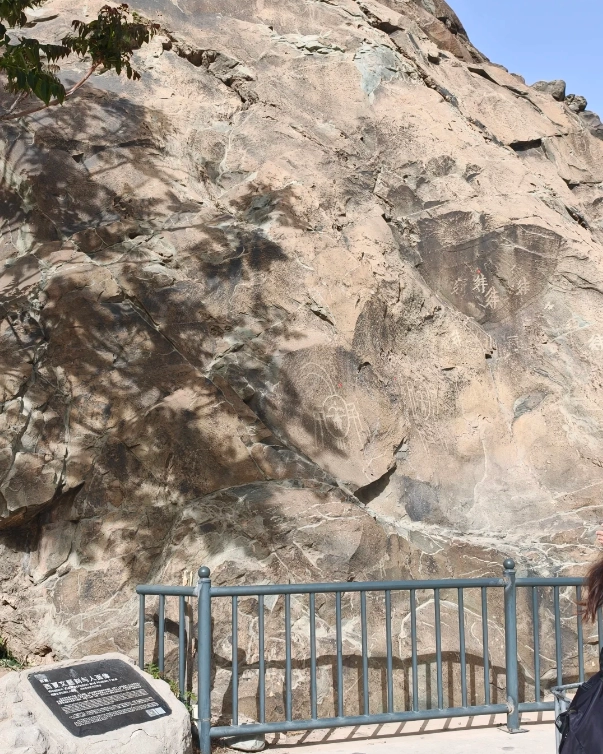
Summer (June–August): Avoid If Possible
Let's be honest: summer here is tough. The heat is dry but relentless. The sun beats down from 10 AM to 4 PM. There's almost no shade along the walking path. I've seen tourists get dizzy and cut their visit short.
If you must come in summer: Start at 7 AM (site actually opens at 8, but you can be at the gate early). Bring a wide-brim hat, sunglasses, and at least 1.5 liters of water per person. And a small towel—you'll sweat.
Also: The metal stairs leading to the upper carvings get scorching hot. Wear closed shoes with good grip; sandals can't handle the heat.
Winter (November–March): For the Brave
Winter is harsh. Temperatures often below zero, with strong winds. The site stays open, but only a handful of visitors come. The engravings are still there, but you'll be bundled up and won't want to stay long.
The upside: No crowds at all. It's just you and the ancient art. And a dusting of snow on the mountain can be beautiful.
My advice: Only go if you're already in Yinchuan and have a free afternoon. Otherwise, rank it lower. The cold can ruin the experience—the carvings aren't interactive; you need to stand still and look, and wind chill makes that hard.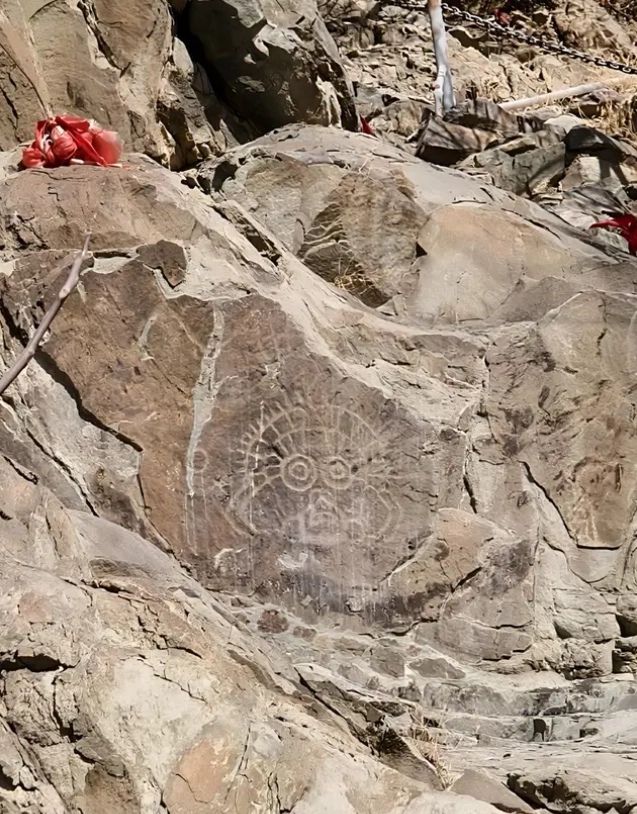
Opening Hours & Ticket Tips
| Season | Opening Hours | Last Entry |
|---|---|---|
| April–October | 8:00–18:00 | 17:00 |
| November–March | 8:30–17:00 | 16:00 |
Ticket prices (as of 2024):
- Adult: CNY 60 (about $8.5)
- Student: CNY 30 (with ID)
- Senior (60+): CNY 30 (with passport)
- Children under 1.2m: free
You can buy tickets on-site (cash or WeChat Pay), but I recommend booking via Trip.com or the official WeChat mini-program (search 赛上迪青石刻) to secure entry on holiday dates. They rarely sell out except during National Day.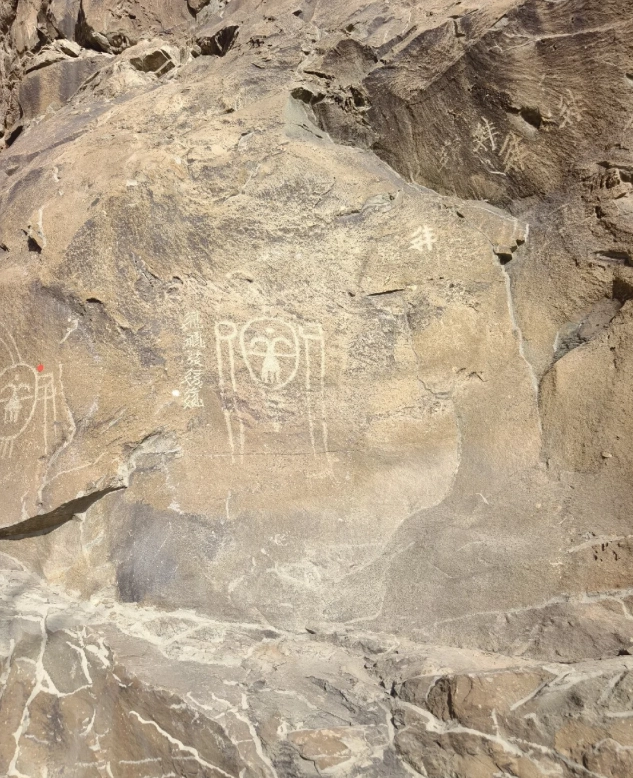
Getting There – Don't Get Lost
The engravings are located about 50 km west of Yinchuan city center. Address: Helan County, off G110 National Road. GPS: 38.649, 106.009.
Option 1: Taxi / Didi (recommended)
From Yinchuan's Drum Tower area, a taxi takes about 50 minutes and costs around CNY 120–150 one-way. Make sure the driver takes the expressway (Yinba Expressway) – it's faster and the scenic route offers views of the mountain.
Option 2: Bus
From Yinchuan Bus Station, take bus number 13 (direct to the rock engravings). Departs every 30 minutes from 7:40 to 16:00. Fare: CNY 10. The ride is about 1 hour 15 minutes. Get off at the stop named 赛上迪青石刼 (Sai Shang Di Qing Shi Ke). Then it's a 800m walk to the entrance – follow the signs.
Pro tip: If you use Didi, type the Chinese name: 赛上迪青石刻风景区. Many drivers don't know the English name.
Practical Tips Only a Guide Would Tell You
My fix: Go straight to the upper trail first (it's a 15-minute climb up stone steps). Do that before the heat peaks. Save the lower, more exposed panels for late afternoon.
Bathroom situation: The only toilets are at the entrance building and near the souvenir shop halfway. Use before you start the loop. The ones inside are squat-style and not always clean.
Food & water: There's a small snack stand selling instant noodles and bottled water. Water costs CNY 5. Bring your own.
Photography tip: A polarizing filter reduces glare from the rock surface. If you're using a phone, wipe the lens every so often—the dust is real.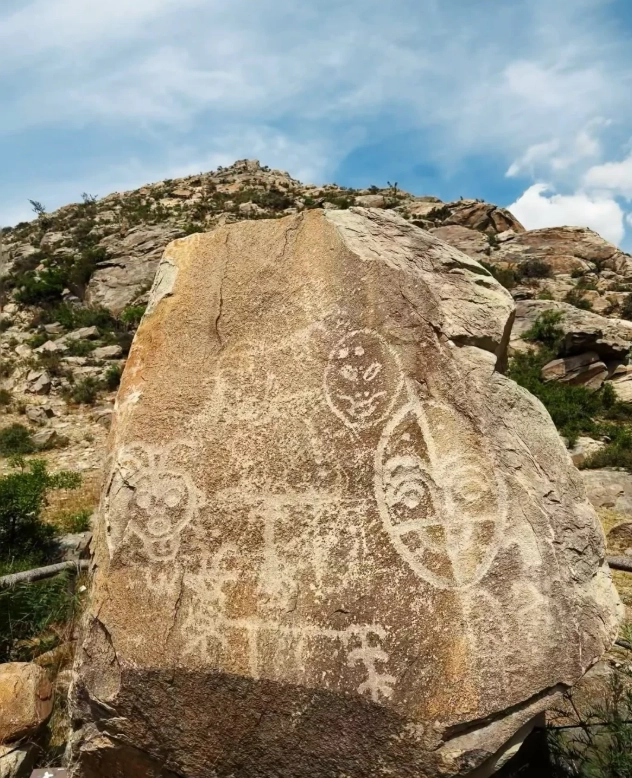
FAQ – What Travelers Ask Me
This content has been fact-checked to ensure informational precision.





Decent spot if you're into ancient art, but not mind-blowing. The rock faces have hundreds of engravings but some are barely visible due to weathering. The best ones are near the main viewing platform. The visitor center is clean and has a small café. I'd give it a solid 4 because the location is peaceful and you get nice mountain views. Parking was easy and free. Good for a half-day outing.
Came here as part of a road trip and it was a highlight. The drive through the Helan Mountains is scenic, and the site is well organized. I loved how they've preserved the original setting—no cheesy recreations. The carvings of bighorn sheep and human figures are incredibly detailed. Took about 2 hours to explore at a leisurely pace. Highly recommended for history lovers.
Honestly, it was a bit of a letdown. The petroglyphs are old and interesting, but many are faded and hard to make out unless you're right up close. The staff seemed rushed and the audio guide was glitchy. For the entrance fee, I expected better maintenance of the trails. Maybe spring or autumn would be better, but in July it was just too hot and crowded. Not terrible, just not amazing.
I visited in early summer and the surrounding landscape was gorgeous—green hills contrasting with the dark rock faces. The rock art is fascinating, especially the sun deity and the hunting scenes. The museum on-site adds good context. Price was reasonable too. Just wish there were more shaded rest areas; the sun gets intense by midday. Still, a 5-star cultural experience.
The petroglyphs themselves are absolutely stunning—thousands of years of history carved into the rock. I went in late October and the light was perfect for seeing the details. The guided tour was informative and the boardwalk makes it accessible. Only downside: the wind can be brutal, so bring a jacket and maybe some goggles if you're sensitive to dust. Totally worth the trip from Yinchuan.