 Hong Ma
Quick Navigation
Stuck at the ticket line for 40 minutes under a blazing sun. That was my first trip to Shuidonggou in July. Never again.
Many travelers ask me: what's the best season to visit Shuidonggou Archaeological Site? The truth is, coming at the wrong time means battling heat and hordes. I've guided hundreds of groups here, and I've learned exactly when to come to enjoy it peacefully.
Here's the short answer: target April-May or September-October. The weather is mild, the skies are clear, and the crowds are thin. Now let me walk you through the details so you can plan smart.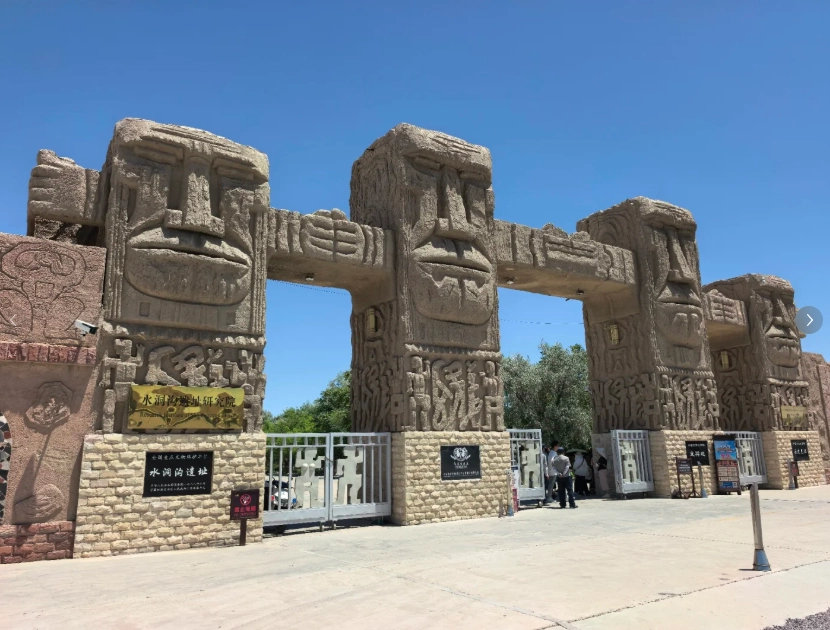
The Short Answer: Spring & Autumn Are King
Forget summer. Forget winter. The sweet spot is April and May (spring) and September and October (autumn). During these months, temperatures range from 15°C to 25°C, humidity is low, and the desert-like landscape is bathed in golden light. Plus, the site is far less crowded than July and August.
I always tell my groups: you'll get the best photos and the most comfortable walk if you come in early May. The wildflowers are out, and the wind is gentle—not the gritty sandblast you get in March.
Month-by-Month Weather Guide
| Month | Avg Temp (°C) | Rainfall | Verdict |
|---|---|---|---|
| March | 4-12 | Low | Too cold and windy |
| April | 10-20 | Low | Ideal |
| May | 15-25 | Low | Perfect |
| June | 20-28 | Low | Starting to heat up |
| July | 23-32 | Low | Too hot, crowded |
| August | 21-30 | Low | Hot, peak season |
| September | 16-26 | Low | Perfect |
| October | 10-20 | Low | Very good |
| November | 3-10 | Low | Cold, site may close early |
| December-February | -5 to 5 | Very low | Bitter cold, avoid |
Notice the pattern? Rainfall is negligible year-round (it's a semi-arid region). The real enemy is the sun and the wind. In summer, the exposed site has zero shade, and the heat reflecting off the loess soil can feel like 40°C. I've seen tourists cut their visit short because of heatstroke.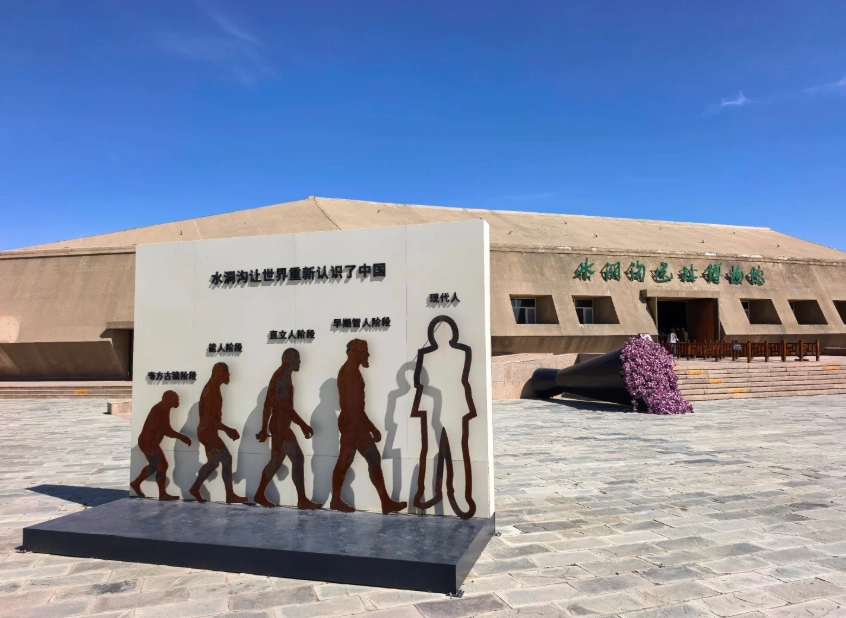
Ticket & Timing Details
Here's what you need to know to avoid common headaches:
- Ticket price: 60 RMB for adults (including the museum), 30 RMB for students and seniors over 60. Children under 1.2m are free. (Prices as of my last check; they rarely change.)
- Booking: You must book in advance via the official WeChat mini-program. Yes, it's a pain for international visitors. I always ask my clients to have their hotel receptionist help them purchase tickets the night before. Walk-up tickets are not guaranteed during peak season.
- Opening hours: 8:00 AM – 5:30 PM (April to October), 8:30 AM – 5:00 PM (November to March). Last entry is 1 hour before closing.
- Recommended visit duration: 3-4 hours. The site is spread out, and you'll need to take the shuttle (20 RMB) between the main zones.
One thing that catches many tourists off guard: the shuttle stops running at 4:30 PM. If you're at the far end (the Ming Dynasty great wall replica) after that, you'll have to walk back—about 2 km. I made that mistake once.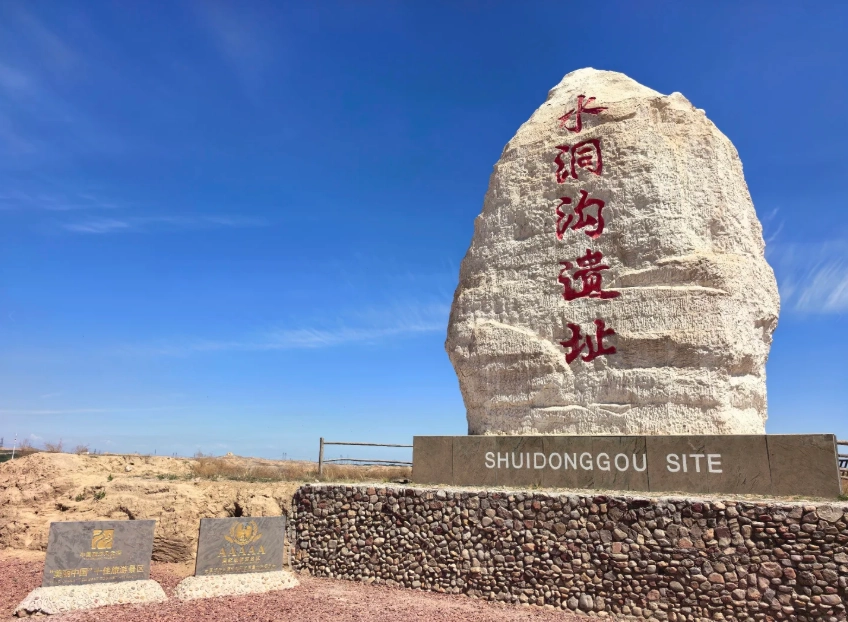
How to Avoid the Crowds
Crowds at Shuidonggou are worst on Chinese national holidays (National Day in October 1-7, Labor Day May 1-5, and weekends in summer). Even during the best season, weekends can be busy.
My strategy: visit on a Tuesday, Wednesday, or Thursday. And arrive by 8:30 AM. The first two hours are wonderfully quiet—you can have the entire excavation site almost to yourself. By 10 AM, the tour groups start rolling in from Yinchuan.
Also, skip the popular viewpoint near the entrance. Walk straight to the back—the “ancient battlefield” area. Most tourists stop at the first ruins, leaving the deeper sections nearly empty. I always lead my groups straight to the back.
Getting There: Practical Transportation
Shuidonggou is about 30 km east of Yinchuan city center. Here are your options:
- Taxi / Didi: From Yinchuan's downtown, a Didi costs around 80-100 RMB and takes 40 minutes. Make sure the driver drops you at the main gate, not the side road. Tell him “水洞沟遗址” (shuǐ dòng gōu yí zhǐ) – show it on your phone.
- Bus: Take bus 601 from Yinchuan Bus Station (10 RMB). It runs every 30 minutes from 7:30 AM to 4:30 PM. The ride is 1 hour. Get off at the “Shuidonggou” stop; then it's a 10-minute walk to the entrance.
- Rental car: If you're driving, navigate to “Ningxia Shuidonggou Archaeological Site” on Amap (Gaode). Parking is free.
One warning: taxis from the site back to the city are scarce after 4 PM. I've seen stranded tourists desperately waving. Either arrange a Didi in advance, or be at the bus stop by 4:15 PM.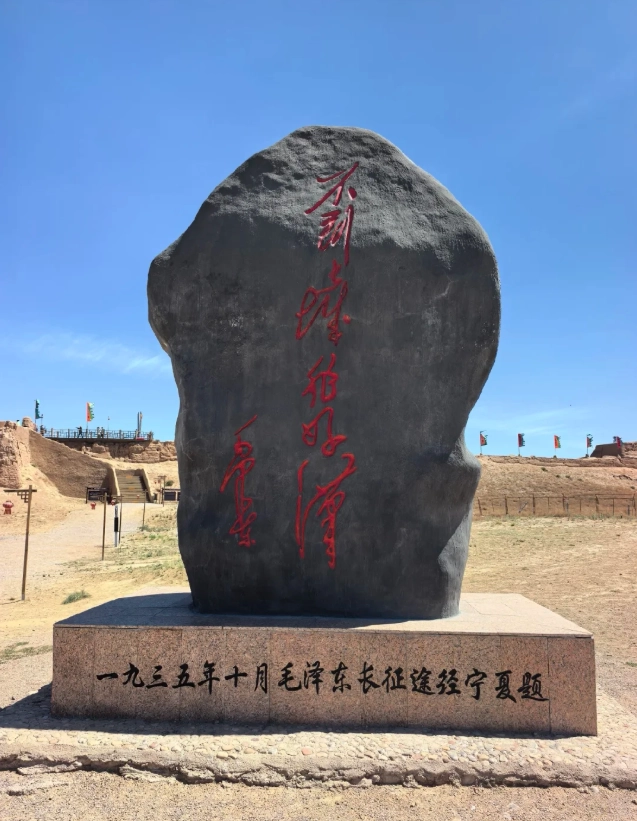
Frequently Asked Questions
Verified and fact-checked by the editorial team. This content has been fact-checked to ensure informational precision.
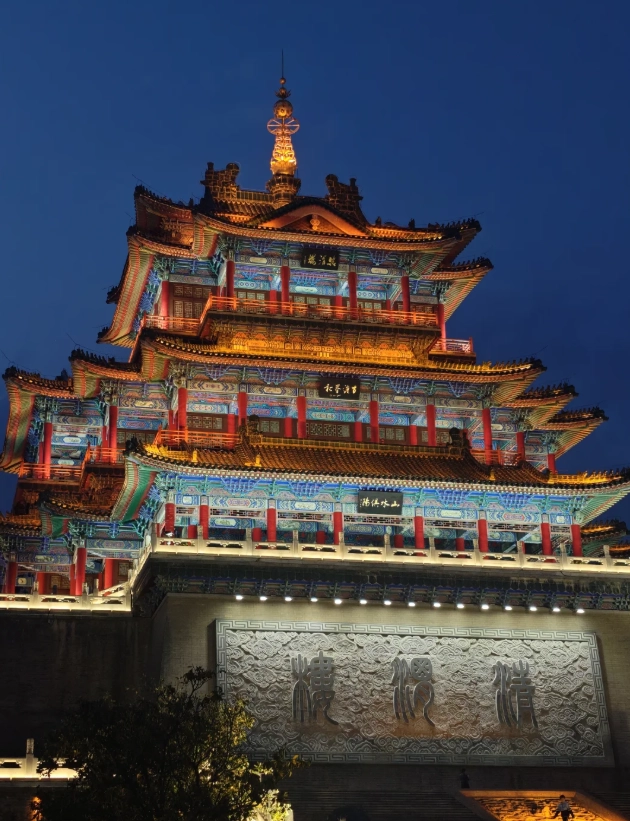
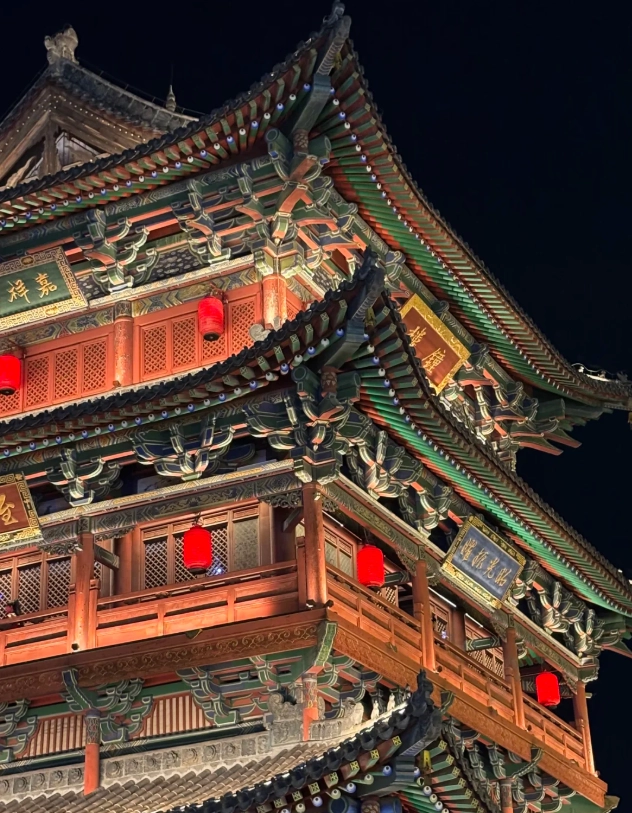
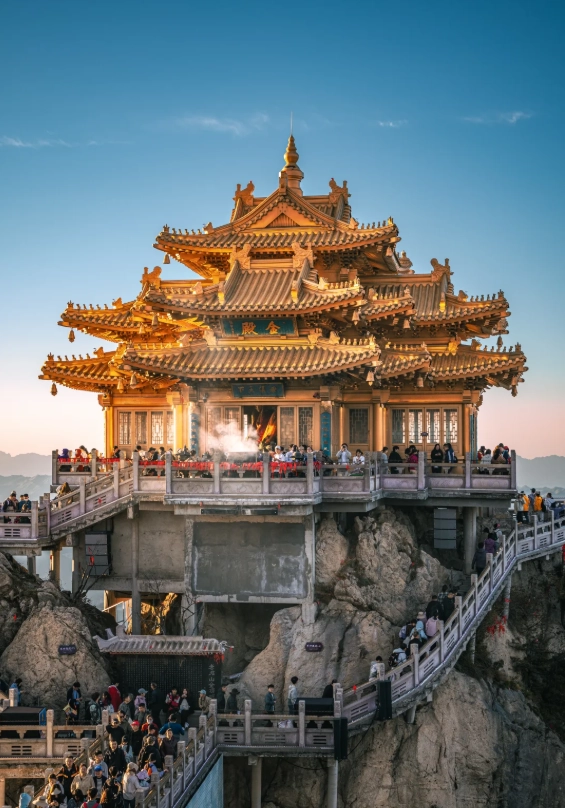





I’m a landscape photographer and Shuidonggou in late September was a dream. Golden hour light hitting the wind-eroded caves, no people in my shots, and the reflections in the river were flawless. The entry fee is very reasonable for such a unique site. Only downside: the toilets near the parking lot were pretty rough. But that’s minor compared to the experience. Five stars — just don’t come in summer.
Best decision we made: visiting in spring (late April). Wildflowers were blooming all over the loess hills, and we had entire sections of the site to ourselves. The staff were super friendly and let us take our time. The little museum inside the cliff is well-curated. If you hate crowds like me, do NOT come between June and August. Perfect score from me.
Absolutely loved this place! Came in early November — crisp, sunny, and almost empty. Walking through the ancient dugout fortifications felt like stepping back in time, and the views from the watchtower over the yellow earth were stunning. The boat ride through the canyon was a highlight. No queues, no noise, just pure history. 10/10 would skip summer and come here in fall again.
Late autumn visit here was pretty good — crispy air, golden reeds, and hardly any tourists. The cave dwellings and the Ming Great Wall section are impressive. Only gave 4 stars because the shuttle bus system was a bit confusing; we waited 20 minutes at one stop with no clear signage. Once you figure it out, it's fine. Definitely recommend coming after October.
We went in mid-July and honestly, it was a mistake. The crowds were insane — you could barely move on the boardwalks near the ancient ruins. The heat was brutal too, with no shade for long stretches. The actual historical site is fascinating, but the experience was ruined by the sheer number of people. If you can only come in summer, go early morning, but otherwise, pick any other season. Not worth the hassle.