 Ming Yang
Quick Navigation
Three hours. That's how long my clients spent arguing with a taxi driver near the Potala Palace last week—not because of a language barrier, but because the driver refused to take them uphill when they already had headaches. I get it. Lhasa sits at 3,650 meters (12,000 feet). Your lungs scream, your head pounds, and every step feels like a marathon. But here's the thing: most altitude problems are avoidable if you know a few insider tricks. Forget the generic advice you've read—I've been guiding in Tibet for over a decade, and I've seen it all. Let me show you exactly how to acclimatize without wasting your vacation days.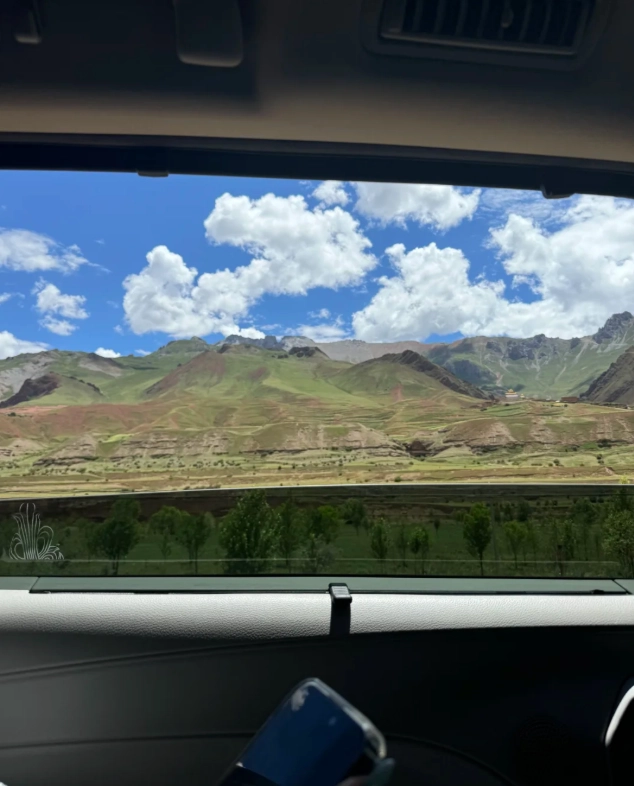
Why Acclimatization Matters in Lhasa
Altitude sickness isn't just a headache—it's your body's desperate attempt to adapt to lower oxygen. Lhasa's oxygen level is roughly 60% of sea level. Your body needs time to produce more red blood cells. Skip this process, and you risk acute mountain sickness (AMS), which can escalate to HAPE or HACE. I've had guests who flew in, went straight to the Jokhang Temple, and ended up in the hospital. Don't be that person.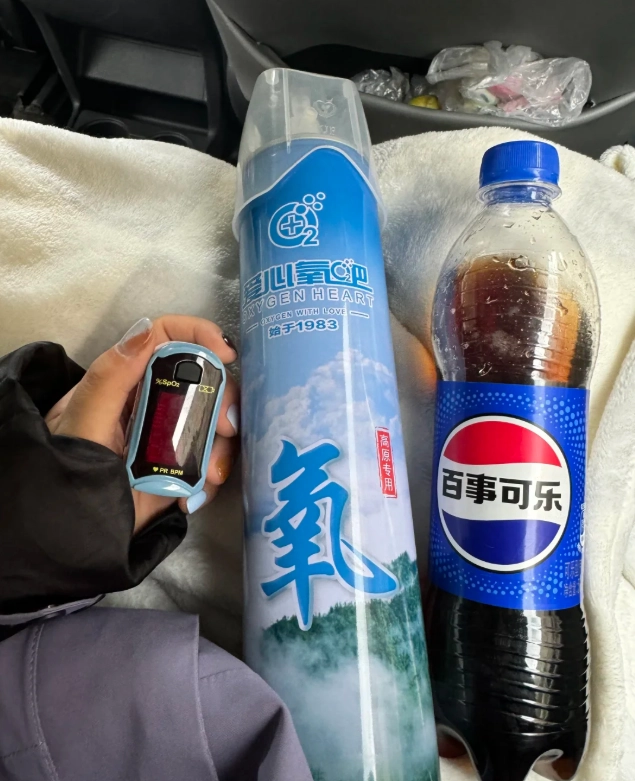
What Happens to Your Body at 3,650 Meters?
Shortness of breath, mild headache, fatigue, loss of appetite—these are normal for the first 24-48 hours. The problem starts when you ignore them. Here's a quick breakdown of AMS severity:
| Symptom Level | Common Signs | Action |
|---|---|---|
| Mild | Headache, nausea, dizziness, sleep trouble | Rest, hydrate, take acetaminophen |
| Moderate | Vomiting, severe headache, lack of coordination | Descend 300-500 meters, consider Diamox |
| Severe | Confusion, chest tightness, coughing up frothy sputum | Immediate descent and medical help |
My Top 5 Accidental Mistakes with Clients (and How You Avoid Them)
1. Booking a Windowless Hotel Room
Sounds trivial, but trust me—waking up in a sealed room after a night of low oxygen makes the headache ten times worse. I always request a room with a window that opens (even just a crack). The Lhasa atmosphere is dry, and fresh air helps more than you think.
2. Following the Crowd to the Potala Palace on Day Zero
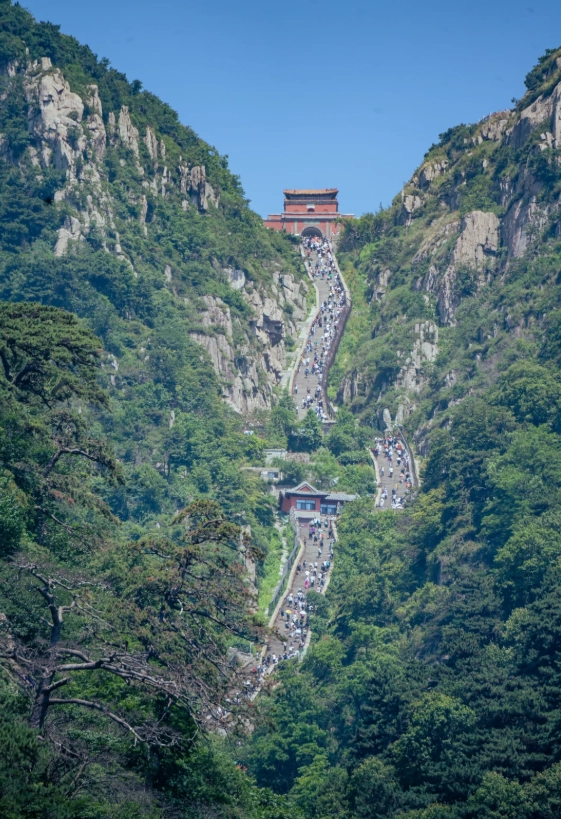
Every guidebook says “visit the Potala.” But climbing those 108 steps on your first day? I've seen people vomit halfway up. My rule: no sightseeing above 3,600 meters on arrival day. Instead, take a slow walk around Barkhor Street—it's flat, and the prayer wheels keep you at a gentle pace.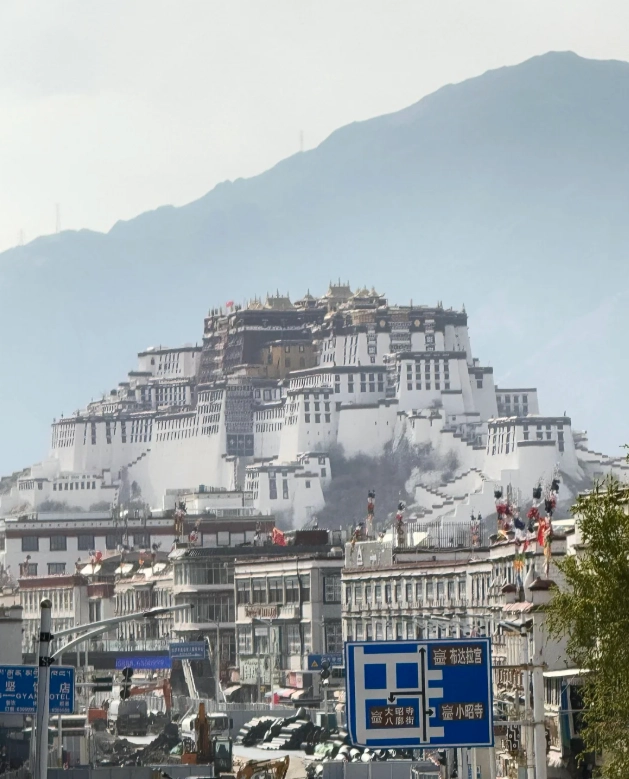
3. Relying Only on Oxygen Cans
Those little spray cans are everywhere in Lhasa, but they give a false sense of security. They relieve symptoms for 10 minutes, then you crash harder. Use them only for emergencies (like a quick climb). Real acclimatization needs time, not canned air.
4. Drinking Alcohol to “Sleep Better”
I've had clients who insisted a beer would help them sleep. Alcohol dehydrates you and depresses breathing. Result: worse headache at 2 a.m. Save the Lhasa beer for day 3, when you've already acclimatized.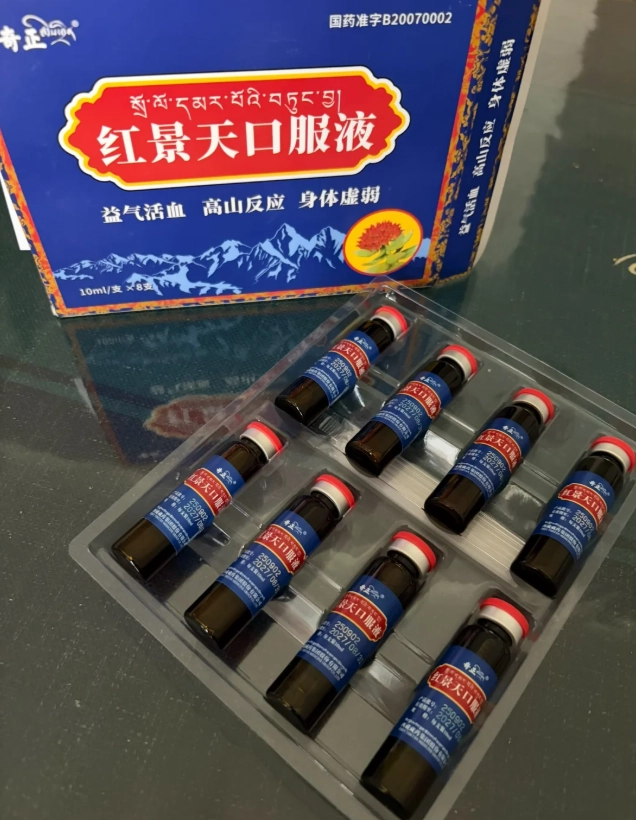
5. Ignoring the WeChat Payment Nightmare
This is a practical one: many small clinics in Lhasa don't accept international credit cards. They expect WeChat Pay or Alipay. I always remind clients to load money onto WeChat before leaving home, or at least carry enough cash (RMB) for medical emergencies. Yes, it's a hassle, but it beats being turned away when you need a doctor.
The 3-Day Lhasa Acclimatization Itinerary That Works
Here's the schedule I give every client—it's saved more trips than I can count.
Day 1: Arrival & Rest
- Morning: Land at Lhasa airport (Gonggar). Take a taxi to your hotel (about 1 hour, 400-500 RMB fixed price). Ask the driver to drop you at the hotel entrance—don't carry heavy bags uphill.
- Afternoon: Absolutely no activities. Lie down, drink water (at least 2 liters), eat light carbs (rice, noodle soup). Avoid meat.
- Evening: Short stroll (15 min) around the hotel block. If you feel dizzy, go back.
Day 2: Gentle Exploration
- Morning: Visit the Norbulingka (the summer palace). Entrance is 60 RMB. The gardens are flat, no steep stairs. Open 9:00–18:00 (last entry 17:00).
- Lunch: Try a local restaurant near the Tibet Museum. I recommend Tibetan tsampa or thukpa—easy on the stomach.
- Afternoon: Walk Barkhor clockwise. Avoid the Jokhang roof climb today. If you feel good, you can peek inside the Jokhang (but skip the upper floors).
- Evening: Dinner at your hotel. Sleep with your head elevated.
Day 3: Major Sights
- Morning (7:00–9:00): Potala Palace. Pre-book tickets through the official WeChat mini-program (search "布达拉宫门票") at least 1 day in advance. Entrance 200 RMB (peak season). Go with a local guide—they know the shortcuts and which stairways to avoid.
- Lunch: Café around the corner—plenty of international options (try the yak burger).
- Afternoon: Sera Monastery (15 min taxi, 50 RMB). The debating monks start around 3 PM—sit in the shade; it's a great low-key activity.
- Evening: You've earned a light beer if you want. But stop at one.
Altitude Sickness Medication: What I Carry in My Bag
I'm not a doctor, but after years of guiding, I've learned what works. Here's my personal kit:
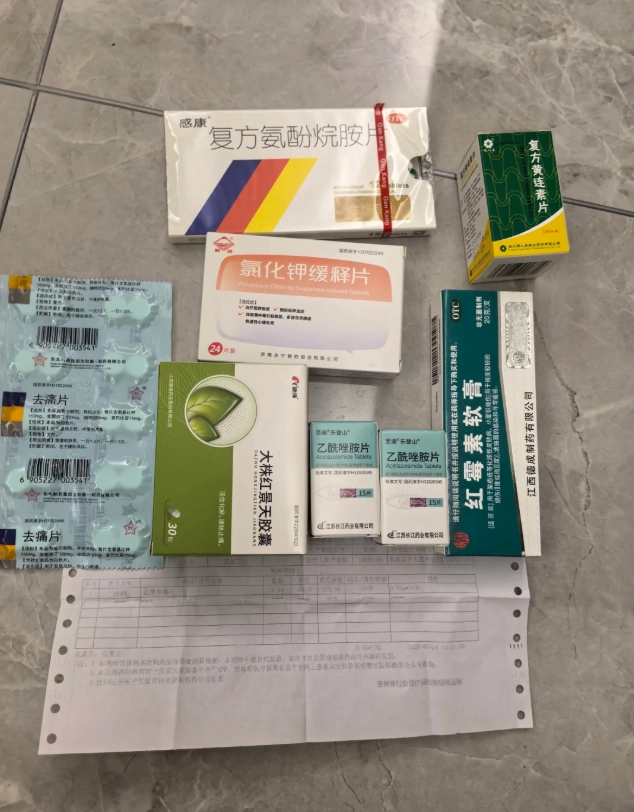
- Diamox (Acetazolamide): The gold standard. Start 125 mg twice a day 24 hours before arrival. Side effect: tingling fingers. Worth it. Get a prescription from your GP before leaving.
- Ibuprofen or Acetaminophen: For headaches. Avoid aspirin—it can worsen altitude-related bleeding risks.
- Ginger chews: Settle nausea without medication. Buy them at the airport pharmacy in Kathmandu or Chengdu.
- Dexamethasone: For severe AMS—only as a last resort. I carry one 4 mg tablet for emergencies. Don't use without medical advice.
Where to buy in Lhasa? There's a reliable pharmacy called Lhasa Kangmin Pharmacy (拉萨康民大药房) near the Xizang Hotel. They sell Diamox over the counter (but double-check the batch date). Bring your own if possible.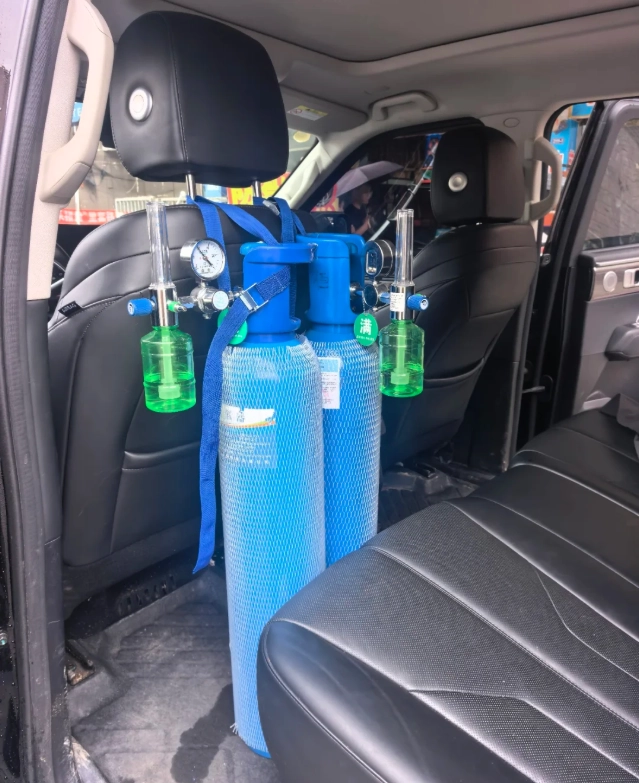
When to Descend: Recognizing Severe Symptoms
If you experience any of these, go down immediately—don't wait:
- Severe headache unrelieved by medication
- Vomiting more than twice
- Clumsy walking (ataxia)—ask the 'walk-a-straight-line' test
- Chest tightness or frothy cough
The nearest descent point is Gonggar County (3,300 meters), which is 60 km away. Most hotels can arrange a car for around 500 RMB. If you're near the Potala, the Tibet Autonomous Region People's Hospital on Linkuo Road has an altitude emergency unit (open 24/7). Save this number: +86-891-632-2001.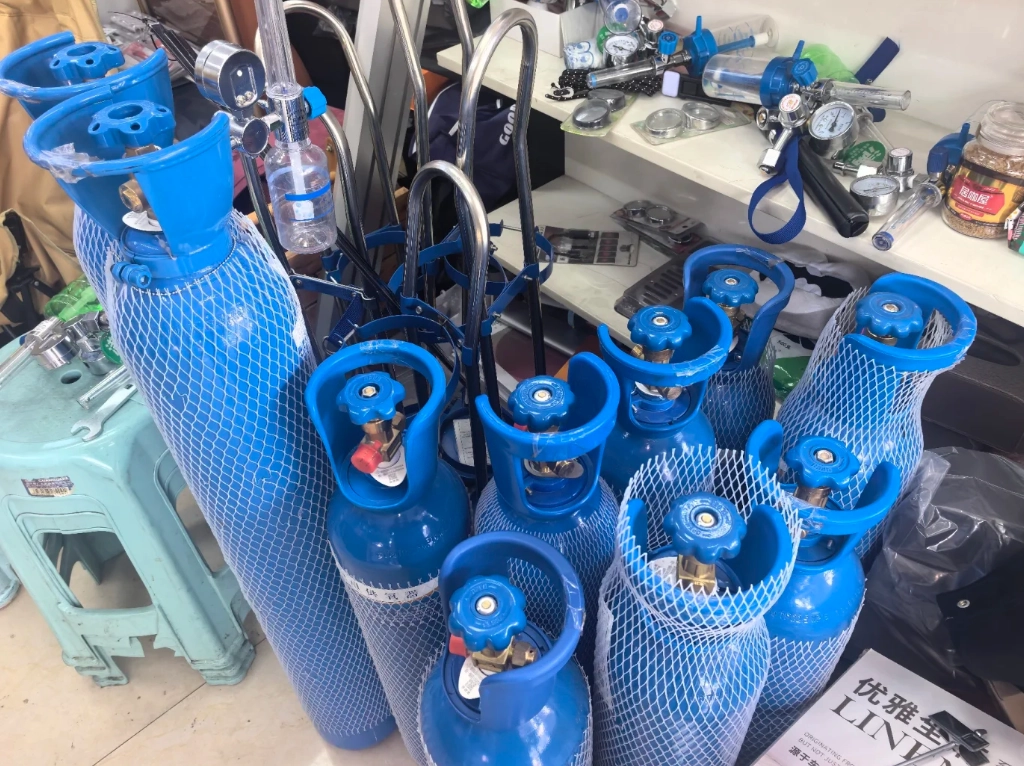
FAQ on Lhasa Altitude Acclimatization
This content has been fact-checked to ensure informational precision. Altitude medicine recommendations are based on general guidelines; consult your doctor before taking any medication.





I've been to high-altitude places before but never prepared like this. The tip about chewing gum to equalize ear pressure? Weird but it worked. And the reminder to avoid overexertion even if you feel fine — I ignored it on day one and paid for it with a mild headache. Once I stuck to the routine, everything clicked. Best advice I've read on Lhasa acclimatization. Well written and practical.
Absolute lifesaver for my family. We had two kids and an elderly parent, and I was so worried. The article's advice on gradual acclimatization and the 'no hot showers first day' rule made all the difference. My mom actually thanked me for finding this. The Potala Palace climb was tough, but we all made it without splitting headaches. Five stars, no doubt.
This saved my trip! Arrived in Lhasa two days ago and was dreading the altitude sickness everyone talks about. Followed the 'skip the headache' tips religiously — slow walks, no alcohol, extra water. I felt almost normal by the afternoon! The bit about sleeping with the window cracked was genius. Highly recommend, especially the local honey trick.
Good article overall, but I felt the pacing recommendations were a bit too conservative for someone like me who's used to high altitudes. The advice on ginger tea and avoiding caffeine was spot on though — I actually tried it and felt better than my last trip. Not a game changer, but definitely helpful for a first-timer.
I followed the tips about hydrating and taking it slow, but I still ended up with a nasty headache on day two. Maybe my body just needs more time? The tips are solid in theory, but I wish there was more advice on dealing with persistent symptoms. Still, the views are incredible once you push through.