 Bo Wu
Bo Wu
Standing on the Sacred Way, flanked by silent stone generals and mythical beasts, the weight of history isn't just a feeling—it's a physical presence. The Ming Tombs, or Ming Shisanling, are more than a collection of burial sites north of Beijing. They are a sprawling, atmospheric landscape where imperial ambition met eternity. I've walked these paths multiple times, in the crisp autumn and the sweltering summer, and each visit peels back another layer. Most guides tell you it's a UNESCO site with thirteen tombs. I'm here to tell you how to actually experience it without getting overwhelmed, which corners are worth your time, and the subtle mistakes almost every first-time visitor makes.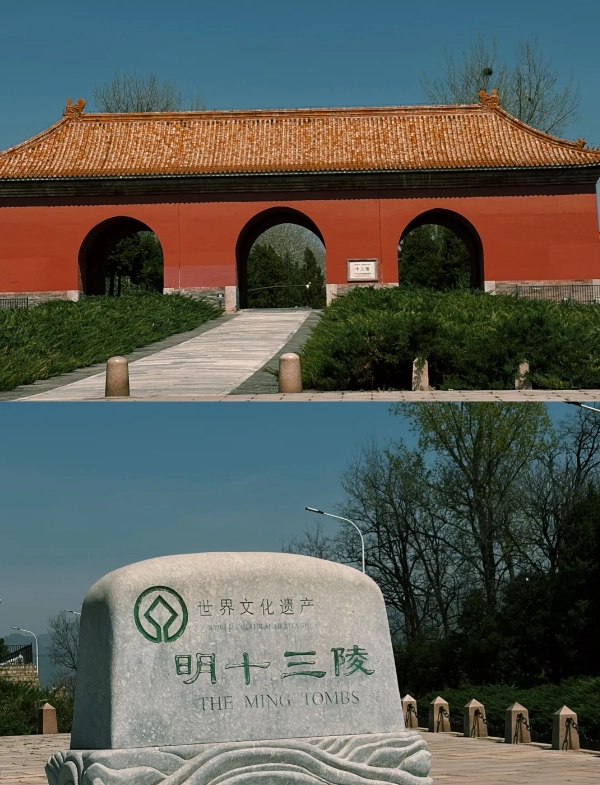
What's Inside This Guide
Where Exactly Are the Ming Tombs and How to Get There
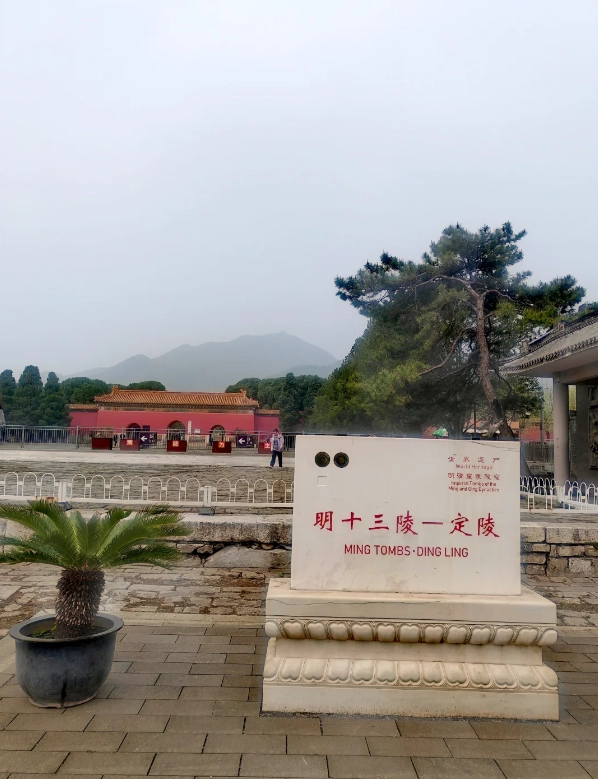
Let's clear a common confusion first. "Ming Tombs" refers to the entire protected area, about 50 kilometers northwest of central Beijing in Changping District. It's not a single walled park you enter once. It's a valley, with tombs scattered across several square kilometers, connected by roads. The two main visitor hubs are separate: the Sacred Way (Shendao) at the southern entrance, and the cluster containing the Changling and Dingling tombs a few kilometers north.
Getting there independently is straightforward but requires a plan.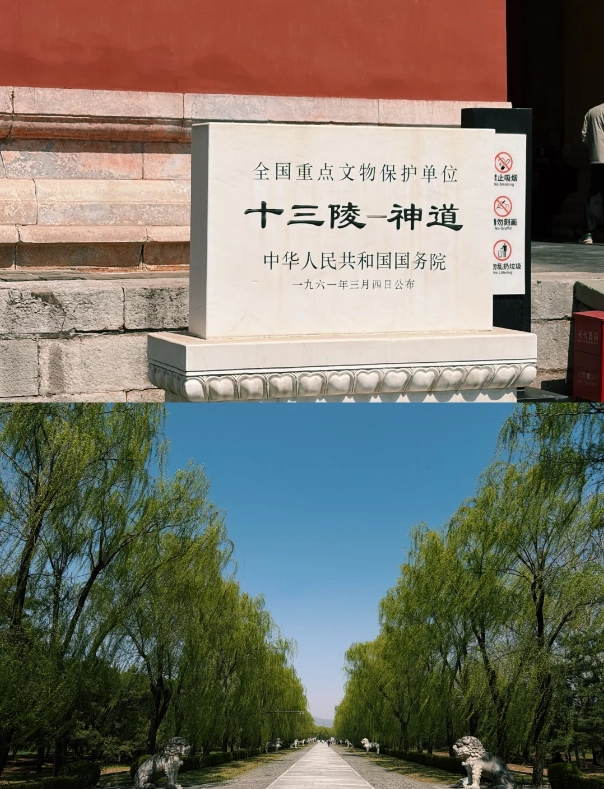
Public Transport Options
The most reliable way is the Tourist Bus 872 which departs from Deshengmen Bus Station. It goes directly to the Changling terminus. The ride takes about 90 minutes depending on traffic. From Changling, you can catch the local Changping Bus No. 314 or a taxi to Dingling and the Sacred Way. Don't rely on a single bus looping to all sites—the local connections are infrequent. I made that mistake once and ended up walking a long, dusty road between sites.
By Taxi or Ride-Hailing
Booking a car (Didi is China's Uber) for a half-day or full-day is the most efficient, though pricier, option. You can ask the driver to wait at each location. A typical route is: start at the Sacred Way, then drive to Changling, then Dingling. Negotiate the price and waiting time before you get in. Expect to pay significantly more for the return trip to Beijing if you hail a cab on the spot out there.
Organized Tours
Most group tours from Beijing combine the Ming Tombs with the Badaling Great Wall in a long day trip. It's convenient but rushed. You'll typically only see the Sacred Way and one tomb (usually Dingling). If deep immersion is your goal, this isn't it.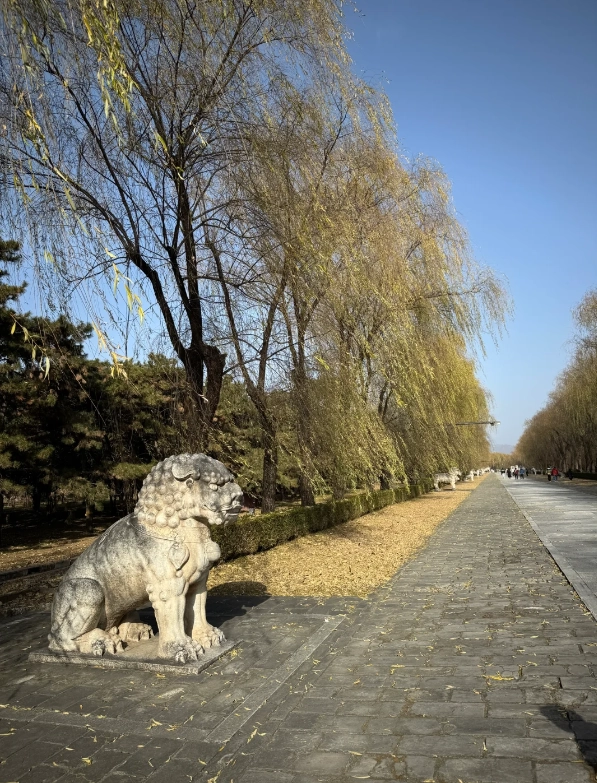
Key Location Facts
General Area Address: Ming Shisanling Special Area, Changping District, Beijing, China. Navigation apps work best with the specific tomb names (e.g., "Ming Changling").
Nearest Major Landmark: The site is in the foothills of the Jundu Mountains, south of the Badaling Great Wall corridor.
My Transport Advice: For a group of 3-4, hiring a private car for 4-5 hours offers the best balance of cost, time, and comfort. Start early to beat the tour buses.
Choosing Which Ming Tombs to Visit: A Realistic Breakdown
You cannot and should not try to see all thirteen. Only three are fully developed for tourism: Changling, Dingling, and Zhaoling. A fourth, the Sacred Way, is the ceremonial entrance. Here’s the real difference, beyond the brochure descriptions.
| Tomb | Who's Buried There | Key Feature & Vibe | My Personal Take |
|---|---|---|---|
| Changling | Yongle Emperor (Zhu Di) & Empress | The largest, best-preserved above-ground architecture. The Hall of Eminent Favors (Ling'en Dian) is a colossal cedar hall. | This is for the grandeur. The scale of the courtyard and the hall is immense and humbling. It feels imperial. The burial mound itself is closed off, so it's all about the surface buildings. |
| Dingling | Wanli Emperor & Two Empresses | The only tomb where the underground palace (burial chamber) has been excavated and is open to the public. | This is for the mystery underground. The descent is cool (literally). But manage expectations: the chambers are mostly empty, the artifacts are replicas, and it can feel like a concrete bunker. The excavation story is fascinating but tragic. |
| Sacred Way | Ceremonial Pathway | The 7-kilometer avenue lined with 24 stone animals and 12 stone human figures. | This is for the atmosphere and photos. Walking it is peaceful. The stone figures are incredibly detailed. Go early or late to have stretches of it to yourself. It's not a tomb, but it sets the spiritual tone for the whole area. |
| Zhaoling | Longqing Emperor | Recently restored, known for its unique architectural layout and quieter setting. | The "off-the-beaten-path" option. It's smaller and sees fewer tourists. If you've seen Changling, Zhaoling offers a more intimate, less crowded comparison. The restoration is excellent. |
The combo ticket sold at the site usually includes Changling, Dingling, and the Sacred Way. That’s the standard and sensible package for a first visit. If you have only 2-3 hours, prioritize the Sacred Way and Changling. They offer the most iconic and visually impressive experiences. Dingling is historically significant but aesthetically the least rewarding.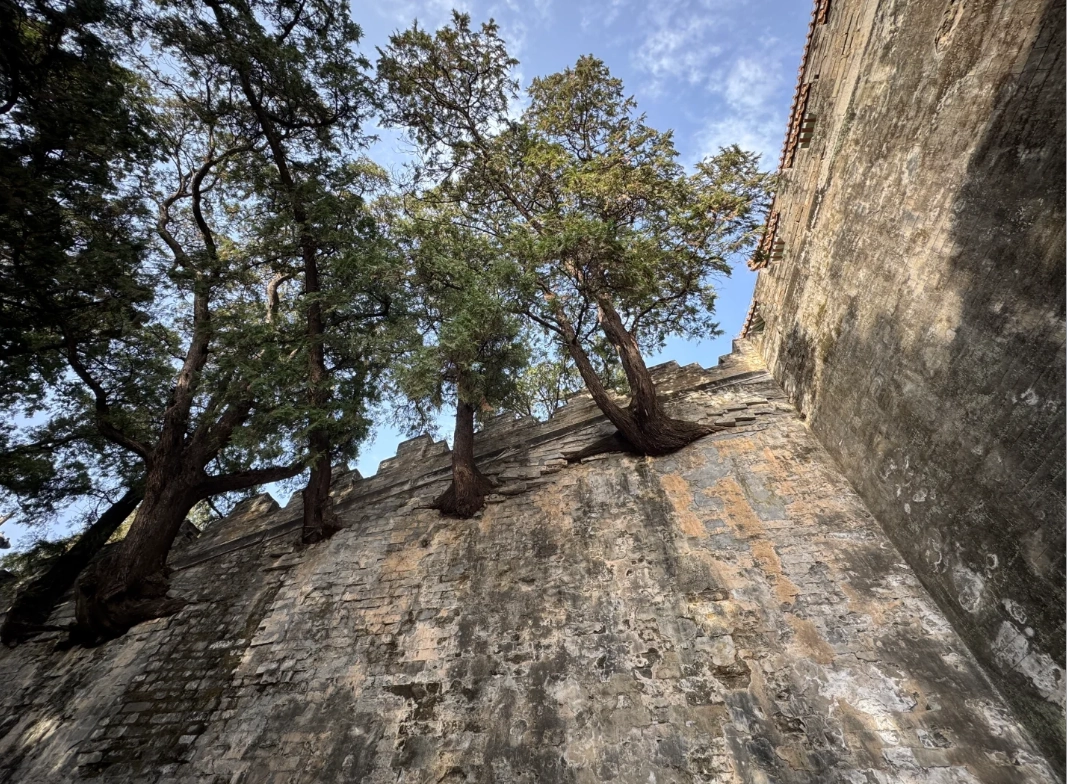
Navigating the Sacred Way: More Than Just a Walk
The Sacred Way is not merely a path to the tombs; it was believed to be the route the emperor's spirit would travel. Walking it from the Great Red Gate down to the Dragon and Phoenix Gate is a journey in itself.
Most people cluster at the first few stone statues. My advice? Keep walking. The figures change—first mythical beasts (xiezhi, qilin), then military officers, then civil officials. The detail on the later figures, especially the flowing robes and facial expressions, is where the real craftsmanship shines. The stonework on the civil officials' hats is so fine it looks like fabric.
A common mistake is to walk up the central path. Historically, only the emperor's coffin and spirit could use the center. Walking on the sides feels more respectful and, honestly, gives you a better angle for photographs without other tourists in your shot.
The site is long and exposed. In summer, it's brutally hot with little shade. Bring water, a hat, and sunscreen. In winter, the wind whips through the valley—layer up. The best light for photography is early morning or late afternoon, when the sun casts long shadows across the statues' faces.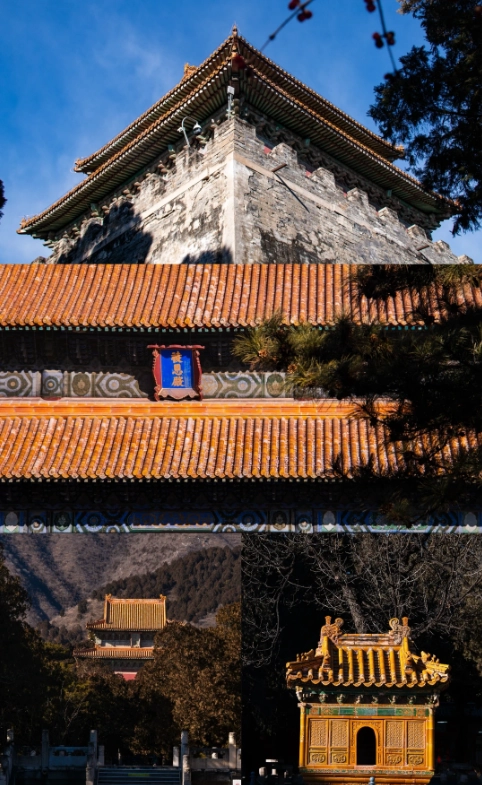
Practical Tips for Your Visit: Tickets, Timing, and Transport
Let's get into the nuts and bolts. This is where most generic guides fall short.
Tickets and Opening Hours
Each major site (Sacred Way, Changling, Dingling) sells individual tickets, but the combined ticket offers a discount and is sold at each location. Prices fluctuate slightly, but expect a combined ticket to be around 20-30% cheaper than buying three singles. Children under a certain height (usually 1.2m) are free. You can pay by WeChat, Alipay, or cash.
Opening hours are generally from 8:30 AM to 5:00 PM (last entry around 4:30 PM). The sites are open year-round, but winter hours may be slightly shorter.
The Ideal Visiting Route
Based on my experience, this sequence works best to avoid crowds and logistical headaches:
1. Start Early (8:30 AM) at the Sacred Way. You'll have the path largely to yourself.
2. Take a taxi or bus to Changling (largest tomb). Arrive before 11:00 AM, before the big tour groups from the Great Wall descend.
3. Have lunch. There are basic restaurants near Changling. The food is mediocre but functional.
4. Visit Dingling (underground palace) in the early afternoon. It's mostly indoors/underground, a good escape from the midday sun.
5. Head back to Beijing. Catch the 872 bus back from the Changling bus park, or have your pre-booked car pick you up from Dingling.
What to Bring and Wear
Comfortable walking shoes are non-negotiable. The sites involve a lot of walking on uneven stone and up staircases. The Dingling underground palace has steep, often slippery steps—tread carefully. Bring more water than you think you need, and snacks. While there are vendors, selection is limited. A power bank for your phone is wise, as you'll be using it for maps, photos, and translation.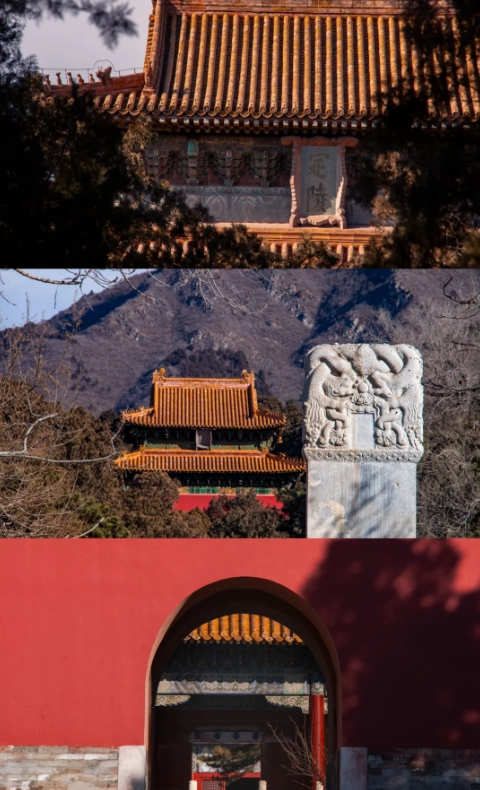
Your Ming Tombs Questions Answered
 Can I buy tickets online in advance for the Ming Tombs?
The Ming Dynasty Royal Mausoleum Area is a profound place. It’s not flashy or entertainment-driven. Its power lies in its scale, silence, and the tangible connection to a dynasty that shaped modern China. Go with patience, comfortable shoes, and a curiosity about the stories in the stone. You’ll leave with more than photos—you’ll have a sense of the immense narrative buried in those hills.
This guide is based on multiple personal visits and cross-referenced with official site information. Details like transport numbers and ticket prices are subject to change; always check a reliable source like the Beijing Municipal Culture and Tourism Bureau website for the latest updates before your trip.





Best travel guide I've used in years. It's short enough to read on the subway but packed with details that actually matter – like the best time of day for photos with the Sacred Way without photobombers, and the exact cost of the electric cart inside the complex. The author clearly visited multiple times. I even used the recommended vocabulary list to chat with local staff. Five stars without hesitation!
I read this guide cover to cover on the bus ride from Beijing, and it made the entire day so much smoother. The section on ticket buying tips alone saved me from standing in the wrong queue for 20 minutes. I loved that it included practical stuff like where to find a decent lunch near the site and which tombs are wheelchair accessible (even though I didn't need it, it shows thoroughness). Highly recommend for anyone wanting a stress‑free visit.
Honestly, I was a bit let down. The guide has plenty of useful info, but the map is really hard to read printed out in black and white – the symbols blend together. Also, some of the opening hours listed were wrong when I went in September (they changed for off-season). I ended up missing the Dingling underground palace because I planned my timing based on the guide. It's okay for background reading, but double check everything online before you go.
A solid guide with great depth – the explanations of each emperor's reign and the architectural symbolism were exactly what I wanted. The only reason I'm giving 4 stars instead of 5 is that the public transport directions felt a bit outdated. The bus route mentioned no longer runs directly to the site, and I had to ask locals for help. Still, the rest of the content is excellent and made my visit much more meaningful.
This guide was a lifesaver for my trip to the Ming Tombs. The detailed map and suggested walking routes saved me from getting lost in the sprawling complex. I especially appreciated the tips on which tombs are must-see and how to avoid the crowds. The historical background was concise but informative – just enough to feel like you understand the place without being overwhelmed. If you're planning a visit, get this guide first!
I really appreciated the cultural and historical context woven into this guide — it made walking through the Spirit Way and the tomb complexes a much richer experience. However, I found the layout a bit cluttered on my phone screen, and a proper map would have been really helpful for navigating the sprawling site. The content itself is solid and well-researched, just needs a bit of polish in presentation. Four stars.
As a first-time visitor, I couldn't have asked for a better companion than this article. It breaks down each tomb's history and highlights, and the suggested half-day itinerary worked like a charm — I visited three main tombs without feeling rushed. The photos included are stunning and got me even more excited beforehand. Everything from parking to ticket buying was explained clearly. Highly recommended for anyone wanting to make the most of their visit.
Honestly, I was a bit let down. The article clearly hasn't been updated in a while — the bus route number it mentions no longer exists, so I ended up walking an extra 30 minutes in the heat. Also, the restaurant it recommended near Dingling was permanently closed. The writing style is decent and the historical bits are interesting, but outdated info really hurts the practical value. Needs a refresh. Three stars.
A solid guide overall, but I wished it went deeper into the differences between the individual tombs. I started with Changling and Dingling as suggested, and while the overview was helpful, the description of Dingling's underground palace felt a bit rushed. On the plus side, the transportation tips were spot-on — I found the shuttle bus easily and saved a good chunk of time. It's a useful resource, just not exhaustive. Four stars from me.
This guide was an absolute lifesaver for my trip to the Ming Tombs. It covered everything from bus routes to ticket prices and even suggested the best time to visit to avoid the crowds. I followed the tip to go early on a weekday and ended up having the Sacred Way almost to myself. The historical background on each emperor was fascinating and made the visit much more meaningful. If you're planning a day trip from Beijing, don't go without reading this first. Five stars without hesitation.
I’m a photographer and this guide was a gem. It pointed out the best times of day for lighting along the Sacred Way and which spots are less crowded for shots. The descriptions of the stone animals and the roof tiles actually helped me frame my photos better. Only gave it 4 because the print layout could use bigger fonts for outdoor reading, but the content is top-notch.
I appreciate the effort, but the guide skims over the Ming dynasty’s burial rituals too quickly. I wanted more depth on why the tombs are laid out that way and what the symbolism means. Also, the photos in the PDF version are low-res. It’s okay for a quick read, but if you’re a history nerd like me, you’ll want to supplement with a proper book.
As a solo traveler on a budget, I found this guide incredibly helpful. It breaks down the cheapest ways to get there and even mentions which tombs are free to enter. I ended up spending way less than I expected. The writing is straightforward, no fluff. Perfect for someone who just wants the facts without the touristy hype.
This guide is decent, but it felt a bit dry. I was hoping for more atmospheric descriptions of the Spirit Way and the actual tomb chambers, but it’s mostly logistics and dates. Still, the maps and ticket prices were accurate, so I can’t complain too much. It’s useful, just not very exciting to read.
I read this guide before my trip to Beijing, and honestly it saved me from a lot of confusion. The detailed directions on how to get to the Ming Tombs by bus were spot-on, and the historical context gave me a real appreciation for the site. The only downside was that I wish it had more info on nearby food stalls, but for a practical guide, it’s hard to beat. Highly recommend printing it before you go!