 Ting Chen
What's Inside
I've guided dozens of groups through Lhasa over the past decade. Most people arriving from sea-level cities hit the ground running – and that's their first mistake. Altitude sickness doesn't care about your enthusiasm. I've watched travelers spend Day 1 in the hotel bathroom instead of exploring Barkhor. So here's my Lhasa 3-day itinerary built around acclimatization, smart pacing, and the spots that truly deserve your time.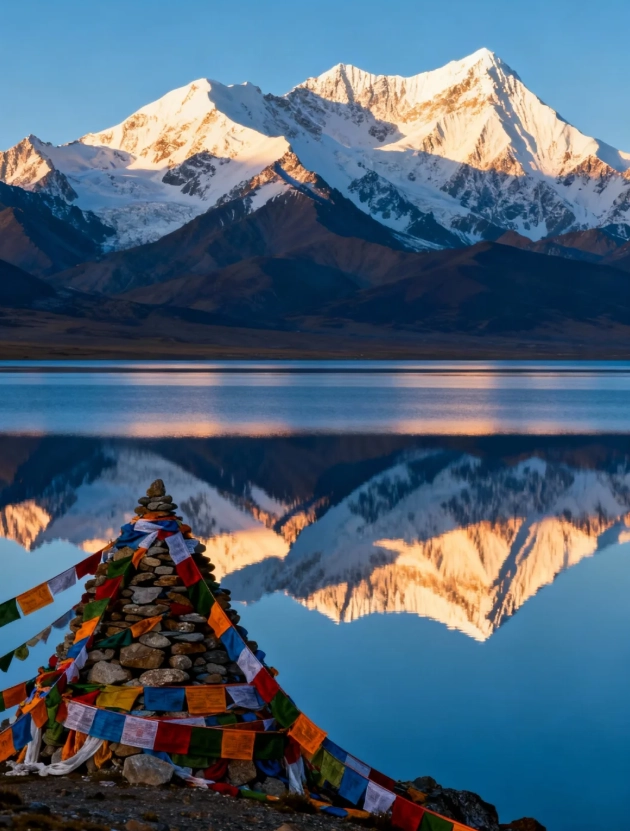
Day 1 – Acclimate and Explore the Sacred Core
Goal: Keep your blood pumping, but your feet on the ground.
Fly into Lhasa Gonggar Airport (LXA). The airport bus costs 30 RMB and takes about an hour to reach the city center – drops you near the Civil Aviation Hotel. If you're arriving from mainland China, the bus is fine; if you're jet-lagged, splurge on a taxi (around 200 RMB) straight to your hotel.
Morning: Check into your hotel and absolutely do not take a nap. I know you're tired, but sleeping midday at 3,650 meters can trigger worse headaches. Instead, take a slow walk around your hotel block. I usually recommend the area around Barkhor Street – it's flat, oxygen levels are slightly higher near the trees, and you'll see pilgrims spinning prayer wheels.
Lunch: I always bring my groups to Makye Ame (near Jokhang Temple). Their thukpa (noodle soup) is light on the stomach and the broth helps with hydration. Prices: around 35-60 RMB per dish. They have an English menu, which saves the day.
Afternoon: Visit Jokhang Temple – the spiritual heart of Tibet. Crowds peak 10am-2pm; I aim for 2:30pm. Entrance: 85 RMB (adults, no student discount). You'll need to walk clockwise around the temple – follow the locals. Inside, the gold-inlaid Buddha statue is stunning but photography is banned. Allow 1-1.5 hours. The square outside is perfect for people-watching; sit on the shaded benches and watch the prostration practice.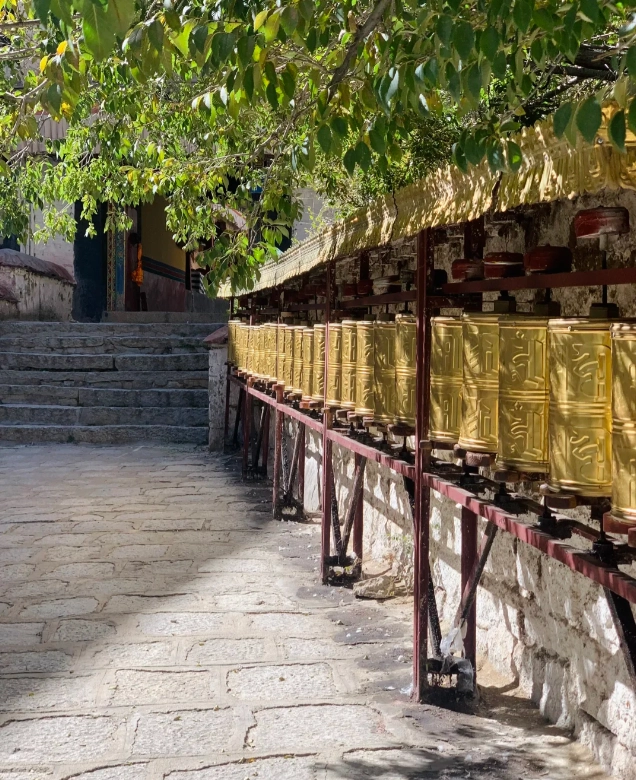
My tip: The public toilet near Jokhang's east entrance is surprisingly clean (for Lhasa). Use it before you leave – the one near Barkhor market is... well, avoid it.
Evening: Walk south on Barkhor Street. Most shops close at 8pm, but the kora (circumambulation) continues. Grab a glass of sweet tea at Himalayan Restaurant (rooftop views of Jokhang). Their momo (dumplings) are solid. Budget: 50-80 RMB per person. Return to hotel by 9pm – early to bed helps acclimatization.
Day 2 – Monasteries and Hidden Alleys
By now your body should be adjusting. Today we go deeper – but still at a gentle pace.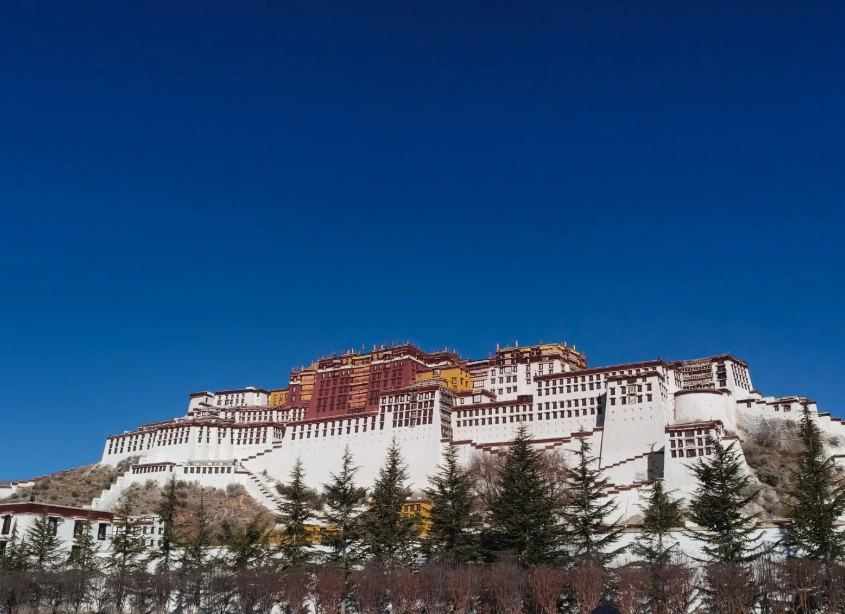
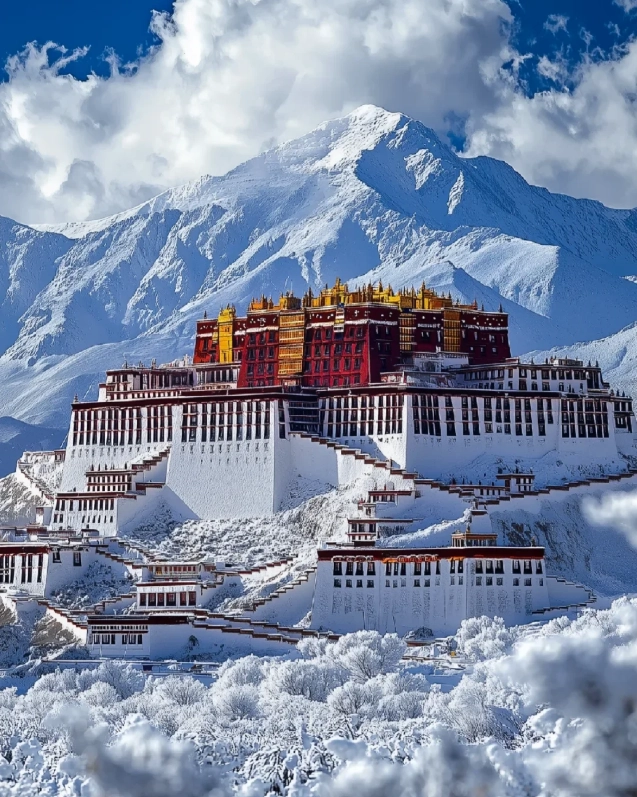
8:30am – Potala Palace
Yes, you need to book in advance. The official reservation system is a WeChat mini-program (search "布达拉宫门票预约") – it's entirely in Chinese, so ask your hotel to help. Tickets: 200 RMB in peak season (May-Oct), 100 RMB off-peak. Children under 1.2m free, students half price (with valid ID).
Enter from the south gate. The climb up the white steps will leave you breathless – take breaks, the views over Lhasa valley are worth it. Inside the Red Palace, you'll see the jeweled stupas of past Dalai Lamas. No photography inside. Allow 2.5-3 hours including the climb down.
12:30pm – Lunch at Lhasa Kitchen
I swear by their yak curry. Address: near the East Gate of Barkhor. Price: 40-70 RMB. They have vegan options too.
2pm – Norbulingka Summer Palace
A 20-minute walk from Potala (or 5-min cab, 15 RMB). This is the Dalai Lama's former summer residence – a sprawling garden complex with several palaces. Ticket: 60 RMB (adult). The zoo inside is sad, skip it. Stroll the gardens and visit the newer palace (Kelsang Pota). Crowd level: low. Perfect for an easy afternoon. Allow 1.5-2 hours.
5pm – Explore the Old City Backstreets
This is where groups on standard tours never go. Head west from Barkhor into the narrow alleys behind the Ramoche Temple. You'll find family-run thangka shops, local sweet tea houses, and maybe a game of dice played by old men. I once found a hidden courtyard with a 500-year-old willow tree. No entrance fee – just wander.
Evening dinner: Tibet Family Kitchen (near Potala's west side). Try the butter tea (if you dare) and the steamed yak momos. Price: 50-90 RMB. Cash only – bring small bills.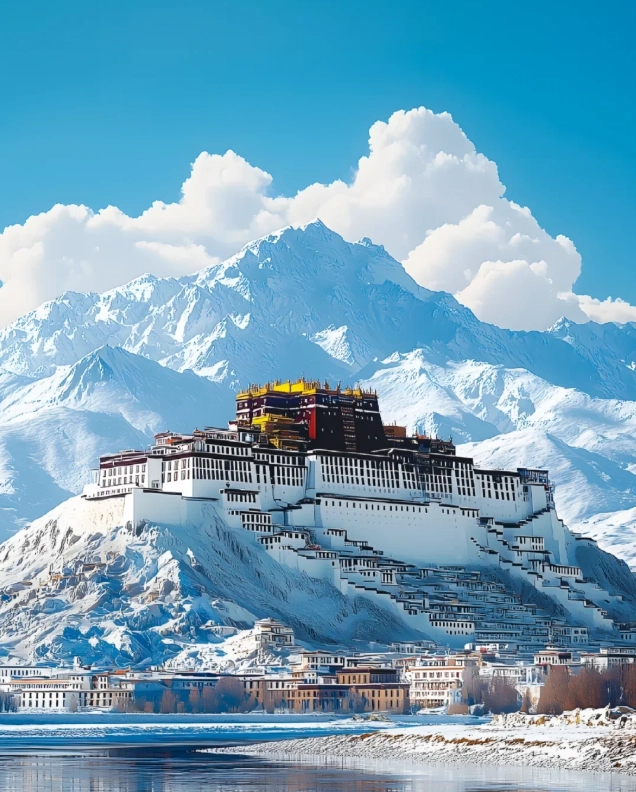
Day 3 – Lake, Palace, and Departure
Your last day – choose your adventure based on energy level.
Option A: Lake Namtso Day Trip (Full Day)
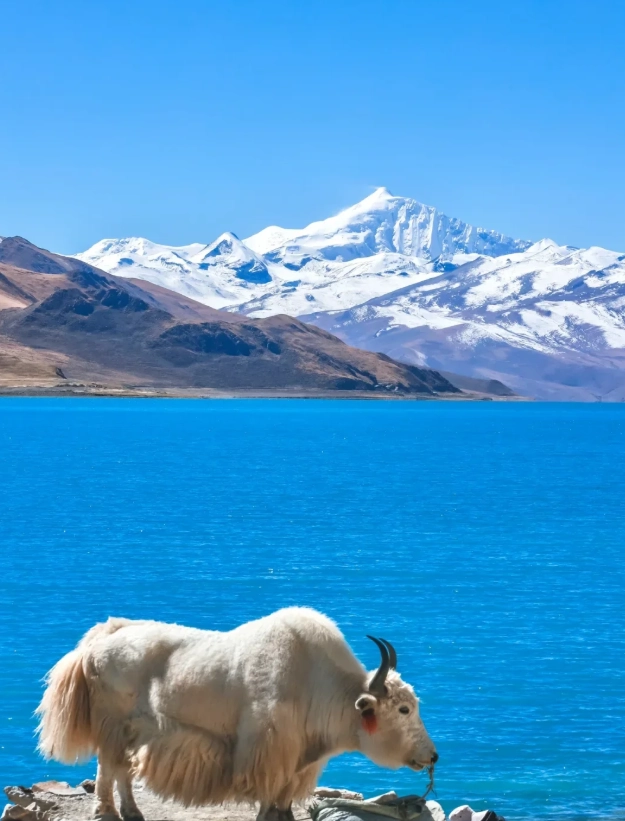
Drive 4 hours each way. Only do this if you've acclimatized well and have no flight today. Entrance: 120 RMB. The lake at 4,718m is breathtaking, but the altitude will hit you. Bring oxygen cans (available at any pharmacy in Lhasa, 25 RMB each). I always tell clients to sit on the beach for 30 minutes and not move much. Return to Lhasa by 6pm.
Option B: Sera Monastery & Relaxation
Perfect for those catching a late flight. 9am – Visit Sera Monastery (5 km north of center, taxi 20 RMB). Ticket: 50 RMB. The monks' debate at 3pm is the main attraction – it's like a loud, animated argument about Buddhist philosophy. Arrive early to explore the halls. Allow 2 hours.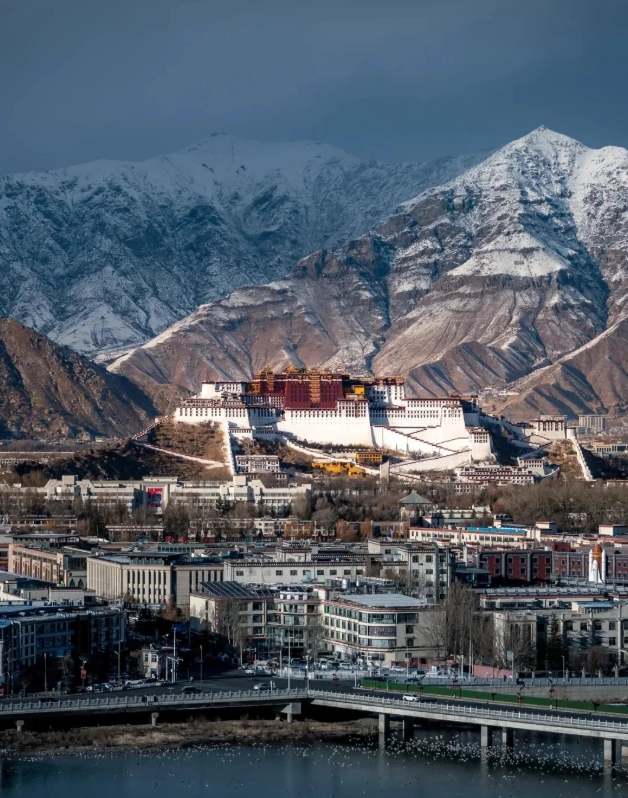
1pm – Lhasa Museum (free, closed Mondays)
A gem – well-curated exhibits on Tibetan history and culture. Air-conditioned, which is a blessing. Takes about 1 hour.
3pm – Last souvenir run
Head to Barkhor Market for items: prayer flags (10 RMB), handmade incense, or a small thangka. Bargain hard – start at 40% of asking price.
5pm – Head to airport
Airport bus departs from Civil Aviation Hotel every 30 minutes. Last bus around 7pm. Taxi to airport takes about 70 minutes and costs ~250 RMB.
Where to Stay in Lhasa: Hotels I Recommend
I've stayed in dozens of places. Here are three that consistently offer good value:
- Shangri-La Hotel Lhasa – Best for first-time visitors. Excellent oxygen supply system, great breakfast, and staff who speak English. Run by the official chain, so you avoid booking scams. Prices: 800-1500 RMB per night. Location: just west of Potala, 10-min walk.
- Lhasa Yak Hotel – Mid-range, authentic Tibetan decoration. Rooms can be small, but the rooftop restaurant has stunning views. Prices: 300-500 RMB. Near Barkhor Street. Note: some rooms don't have soundproof windows – ask for a quiet inner room.
- Pingcuo Kangsa Guesthouse – Budget choice in the old city. Very basic, but clean. Dorm beds from 60 RMB, private rooms from 150 RMB. No English, but the owner is helpful. Cash only. It's on a side alley off Barkhor – excellent location, but expect some noise.
What to Eat – My Personal Favorites
Must-try dishes in Lhasa: Yak momos (steamed dumplings), thukpa (noodle soup), tsampa (barley porridge), sweet Tibetan butter tea (less salty than the traditional version), and dried yak meat (jerky).
Best restaurant for a splurge: Himalayan Cafe – Tibetan-Western fusion. Their yak steak with rosemary is excellent. Price: 80-120 RMB per person. Address: near Jokhang Temple. They accept credit cards.
Best cheap eats: Street-side momo stalls near Barkhor. 1 RMB per momo. I always grab 10 and a cup of sweet tea (2 RMB). The vendor near the north gate of Barkhor is my go-to, no sign, just a red cart.
Warning: Tap water is not drinkable. Buy bottled water (1-2 RMB per 500ml). Avoid raw vegetables at street stalls unless washed with bottled water.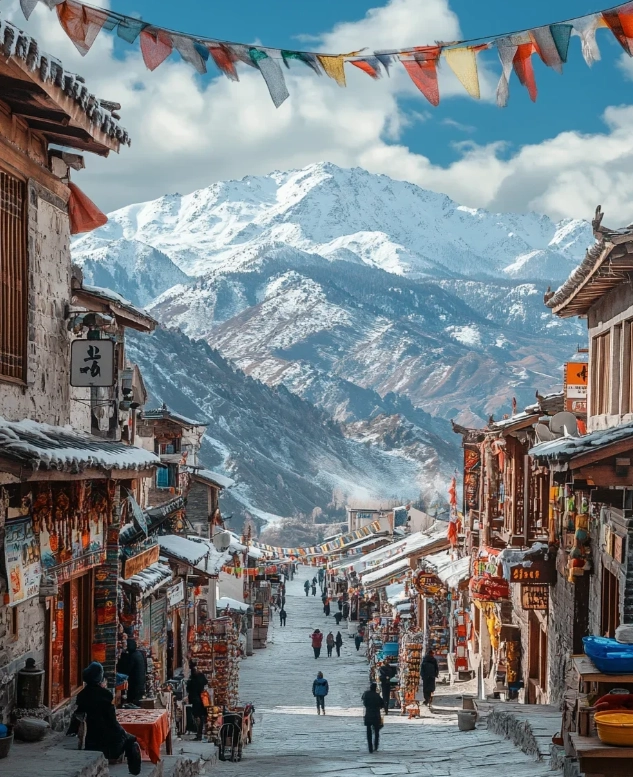
Essential Tips for a Smooth Trip
- Altitude first: Spend your first day slow. Walk like a penguin – small steps. Diamox (acetazolamide) helps; get a prescription before you come.
- Potala Palace tickets: I can't stress this enough: book at least 7 days in advance for peak season. The official website (potala.gov.cn) is in Chinese only. Ask your hotel to help, or use a travel agent. Walk-ups are rarely possible.
- Foreigner permits: You need a Tibet Travel Permit for Lhasa. If you book a tour, they usually handle it. If you go independently, you must arrange through a Tibetan travel agency. Without it, you can't board the flight to Lhasa.
- Connectivity: Wi-Fi is decent in hotels but slow in cafes. A local SIM card from China Mobile or China Unicom at the airport works well. VPN is needed for Google, Facebook, etc. Set it up before you come.
- Cash is king: Most small shops, taxis, and restaurants accept only cash or WeChat Pay. Foreign cards aren't accepted in many places. Withdraw cash at the airport arrivals hall ATM (offers up to 5000 RMB per transaction).
- Sun protection: The UV is brutal. Sunscreen SPF50+ and lip balm are non-negotiable. Sunglasses too.





Honestly a bit disappointed. The itinerary promises to 'beat the altitude' but I still spent the first day nauseous and dizzy despite taking Diamox. The walking routes between sights felt longer than described, and we had to skip the temple rooftop because of my headache. Also, the included meals were basic noodle shops, not the 'local cuisine' advertised. For the price, I expected better support for altitude issues. Maybe 3 days in Lhasa is too ambitious for most people. YMMV.
Good itinerary overall, but not flawless. The first day was well-paced and we got a great introduction to Tibetan Buddhism. However, day three felt a bit crammed—trying to do the Sera Monastery debate plus the old town in one afternoon left me exhausted (and still fighting a mild headache). I also think the guide could have shared more historical context at the Potala. Still worth the money, but if you're prone to fatigue, maybe stretch it to 4 days. Rating: 4.
Hands down the best 3 days I've spent in Tibet. The itinerary strikes a brilliant balance between iconic landmarks (Buddha statues in Drepung Monastery blew my mind) and quiet moments—like sitting by the Kyichu River on day two. Felt like I was truly connecting with the culture, not just checking boxes. Our guide shared personal stories about growing up in Lhasa, which added so much depth. Pro tip: bring a light jacket even in summer; morning wind on the rooftop was chilly.
This itinerary is a gem! The timing of each spot really lets you soak in the atmosphere without rushing. The highlight for me was Jokhang Temple—the smell of incense and the murmur of pilgrims created such a meditative vibe. Even the lunch spots they chose were thoughtful, with local momos that helped settle my stomach. Only tiny con: I wish we'd spent an extra hour at Norbulingka. But overall, a solid 5-star experience that makes high-altitude travel feel manageable.
Absolutely loved this 3-day itinerary! As someone who was really worried about altitude sickness, the pace felt perfect—plenty of slow walks and built-in rest stops. The sunrise at Potala Palace was unreal, and our guide even had oxygen canisters ready just in case. Saw Barkhor Street at dusk, tasted butter tea for the first time, and the monastery visits were peaceful. By day 3 I felt fully acclimated. Can't recommend this enough for first-timers to Lhasa!