 Wei Zhang
Quick Navigation
- The Big Two: Potala Palace and Jokhang Temple (But Not When You Think)
- Where Locals Go: A Hidden Temple and a Rooftop View
- How to Avoid Altitude Sickness Like a Pro
- What to Eat in Lhasa: Beyond Yak Butter Tea
- My 3-Day Lhasa Itinerary (With a Plan B for Bad Weather)
- Practical Tips You Won't Find in Guidebooks
- Frequently Asked Questions
I've been guiding travelers through Lhasa for over a decade, and here's the honest truth: the tourist trail around the Potala is just the tip of the iceberg. Most visitors rush through the main sights, get hit with altitude sickness, and miss the raw, quiet beauty of this city. So let me show you not just what to do, but how to do it without the crowds, the stress, and the rookie mistakes.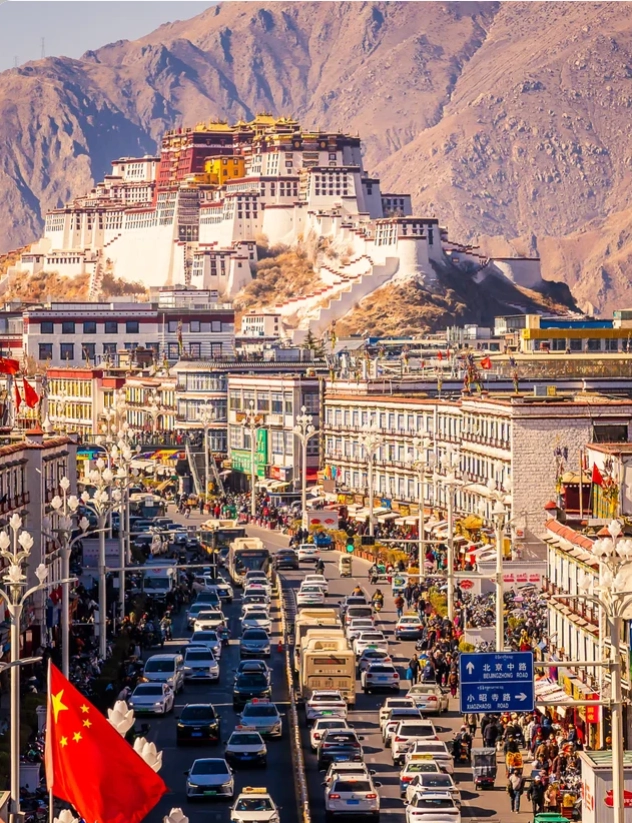
The Big Two: Potala Palace and Jokhang Temple (But Not When You Think)
Potala Palace
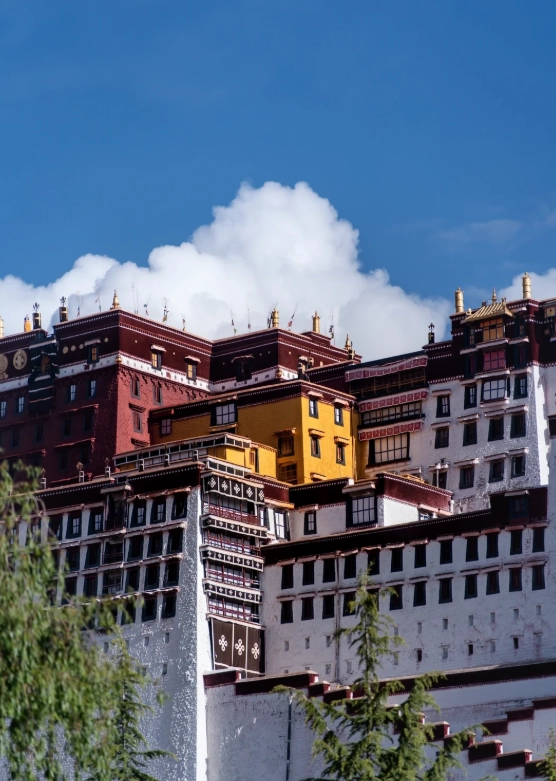
Yes, it's iconic. But I always tell my groups: don't spend more than 2 hours inside. The real magic is the view from the outside, especially at sunrise. Here's what you need to know:
| Detail | Info |
|---|---|
| Address | No. 35, Beijing Middle Road, Chengguan District |
| Ticket Price | High season (May–Oct): 200 RMB (adult), 100 RMB (child 1.2–1.4m), free for under 1.2m. Low season: 100 RMB. |
| Booking Requirement | You must book in advance via the WeChat mini-program "Potala Palace Official Ticket" (no English version – ask your hotel to help). Same-day tickets are rarely available. |
| Opening Hours | 9:00–16:00 (last entry at 15:00). Closed on some Tibetan holidays; check local notice. |
| Best Time to Visit | 8:30–9:00 AM (right after gates open) to avoid the tour bus crowds. The light from the east side is perfect for photos. |
| Getting There | Taxi from anywhere in the city center (around 15–20 RMB). Alternatively, take bus route 24, 29, or 105 to Potala Square stop. |
My insider tip: Don't bother with the internal tour if you're short on time. The chapels are dark and often crowded. Instead, walk around the entire palace complex (the kora) in the early morning – you'll see locals spinning prayer wheels and catch the real atmosphere. Plus, the ticket for the grounds only is 50 RMB (still requires advance booking).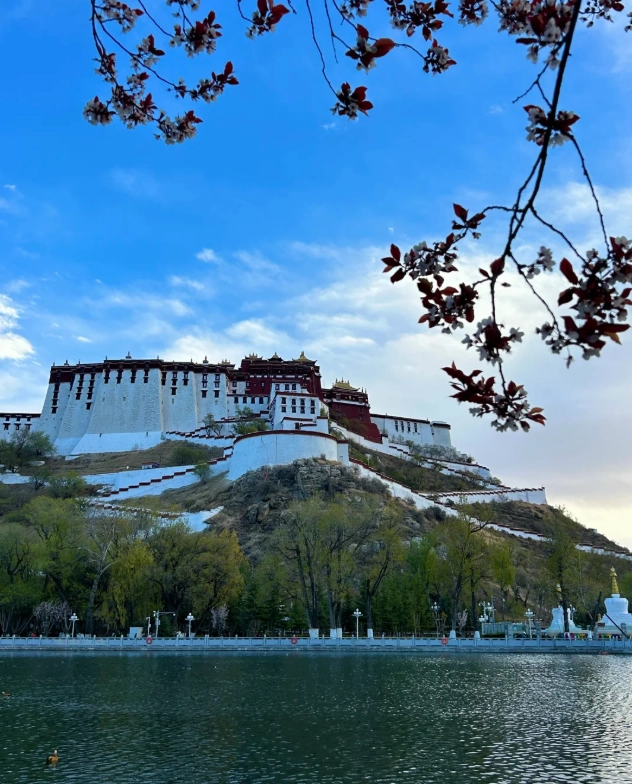
Jokhang Temple
This is where the heart of Lhasa beats. Unlike the Potala, Jokhang feels alive with pilgrims prostrating. It's smaller but far more spiritual.
| Detail | Info |
|---|---|
| Address | Barkhor Street, Chengguan District (entrance on the south side of Barkhor square) |
| Ticket Price | 85 RMB (adult). No children's discount available. |
| Booking | No advance booking needed – buy on-site. However, you'll need to queue at the ticket office which opens at 8:30. |
| Opening Hours | 8:30 – 17:30. The rooftop (where you get amazing views of Barkhor) closes at 17:00. |
| Best Time | Early morning (8:30–10:00) to see the butter lamp offerings and avoid the worst of the crowds. After 11am, it's packed with tour groups. |
| Getting There | A 10-minute walk from Potala Square. Alternatively, take bus 24, 29, or 105 to the "大昭寺" stop. |
Pro tip: The public toilet near the south entrance is often dirty and has long queues. Use the one in the nearby Shangri-La Hotel (free for non-guests, just walk in confidently) before you go in.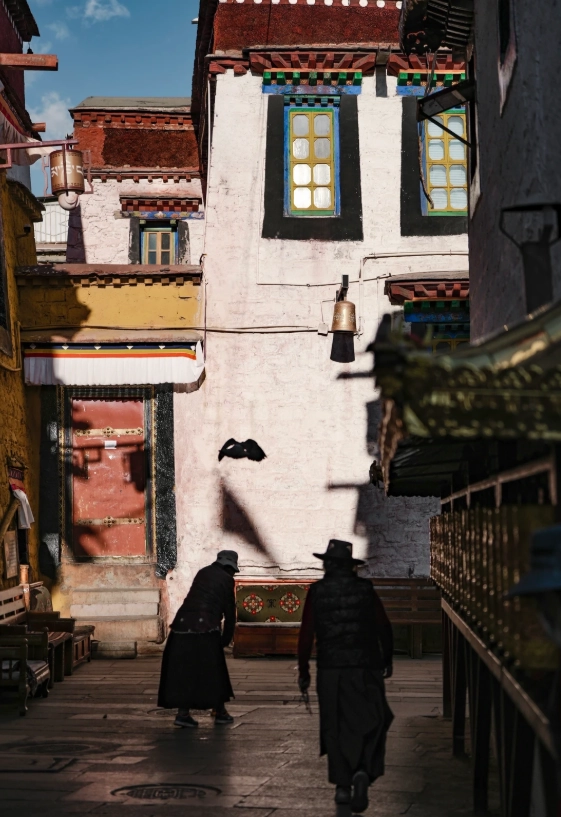
Where Locals Go: A Hidden Temple and a Rooftop View
Sera Monastery
Everyone goes to Drepung, but I prefer Sera. It's smaller, quieter, and the debates at 3 PM are genuinely fascinating – monks argue Buddhist philosophy with dramatic hand claps. Entrance is 50 RMB. Take bus 6 from the city center (30 minutes).
Watch out: The debate sessions are held in the main courtyard, but arrive by 2:45 to get a good spot. The crowd gets thick fast.
The Rooftop of the Tibet Museum (New Building)
Yes, a museum. But the new Tibet Museum has a free rooftop terrace with a panoramic view of the Potala. Most tourists don't know about it. The museum itself is excellent for understanding Tibetan history, and it's free. Address: 2 Lhasa City, Chengguan District, Norbulingka Road. Opening hours: 10:00–17:00 (closed Mondays).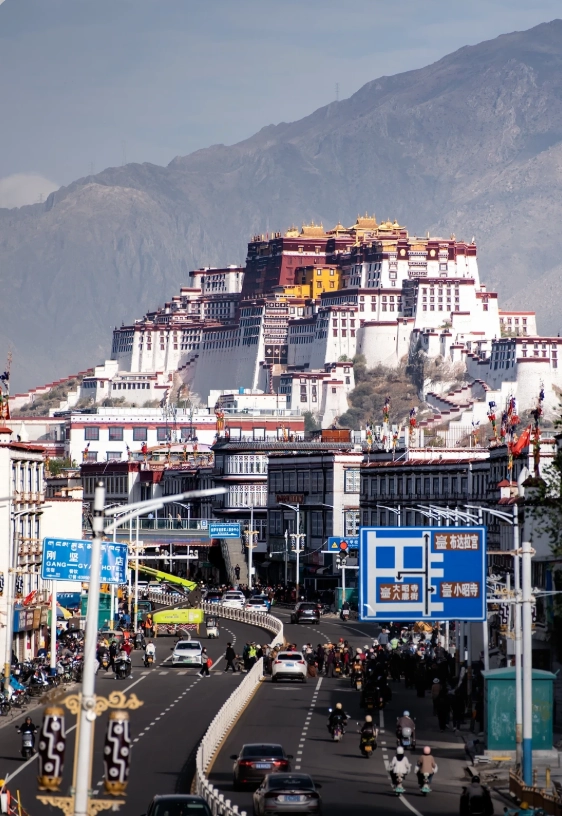
How to Avoid Altitude Sickness Like a Pro
This is the number one reason trips get ruined. Lhasa sits at 3,650 meters. Here's my never-fail routine that I've tested with hundreds of clients:
- Day 1: Do nothing major. Arrive, check into your hotel, and literally lie down for 3 hours. No sightseeing. Order room service or have a light meal at the hotel restaurant.
- Hydrate like crazy. Drink 3–4 liters of water per day. Avoid alcohol and caffeine for the first 48 hours.
- Take acetazolamide (Diamox) if you can get it prescribed. Start the night before you fly in. It reduces symptoms dramatically.
- Don't shower. I know it sounds gross, but hot showers dilate blood vessels and can trigger headaches. If you must, keep it lukewarm and under 5 minutes.
What to Eat in Lhasa: Beyond Yak Butter Tea
Tourists often hate yak butter tea, and that's okay. Here are the dishes I always recommend, plus restaurants that cater to foreign palates:
| Restaurant | Must-Try Dish | Address | Price Range (per person) | Note |
|---|---|---|---|---|
| Lhasa Kitchen | Momo (Tibetan dumplings) – both steamed and fried | Barkhor Street, near the Jokhang south gate | 40–70 RMB | Tourist-friendly, English menu available. No credit card – bring cash. |
| Tibetan Family Kitchen | Thenthuk (hand-pulled noodle soup with yak meat) | 17 Beijing East Road | 30–60 RMB | Very authentic, busy at lunch (12–1:30). Cash only. |
| Makye Ame | Yak steak with Tibetan herbs – a bit touristy but consistent quality | 2 West Beijing Road, near Potala | 100–180 RMB | Accept international cards (Visa/Mastercard). Great for dinner view of the palace. |
Personal favorite: I always grab a cup of sweet milk tea from the street stalls outside Barkhor – it's only 2 RMB, and it's the perfect energy boost. Yes, it's safe – the milk is boiled on the spot.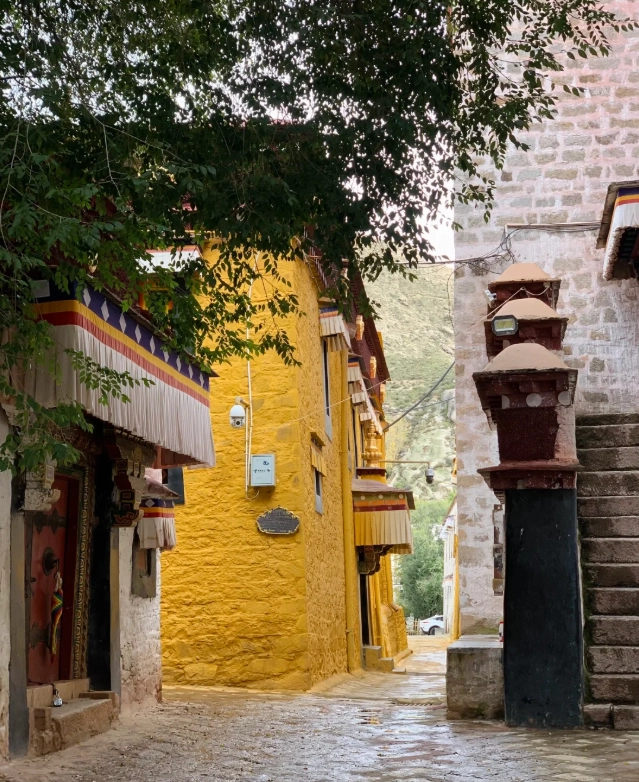
My 3-Day Lhasa Itinerary (With a Plan B for Bad Weather)
This itinerary balances highlights with rest and avoids the worst crowds. Adjust based on your energy level.
Day 1: Arrival and Acclimation
- Morning: Arrive at Lhasa Gonggar Airport. Take an airport shuttle (30 RMB, 1 hour) or taxi (200 RMB, 50 min) to your hotel.
- Afternoon: Complete rest at hotel. No activities. Light lunch (stick to simple foods like congee or noodles).
- Evening: Gentle walk around Barkhor Street (30 minutes) after sunset. The kora is quiet and the prayer flags flutter – it's magical. Then early dinner and early bed.
Day 2: Main Sights
- 8:00–10:00: Jokhang Temple (arrive by 8:15, beat the crowds).
- 10:00–11:30: Walk the full Barkhor kora (the outer circuit). Stop for sweet tea at a street stall.
- 12:00–13:00: Lunch at Lhasa Kitchen.
- 13:30–15:30: Potala Palace (book your entry slot for 13:30).
- 15:30–17:00: Rest at a café (e.g., The Summit Café near Potala – good coffee, western owners, reliable Wi-Fi).
- 18:00: Light dinner at Makye Ame with rooftop view.
Day 3: Hidden Gems and Departure
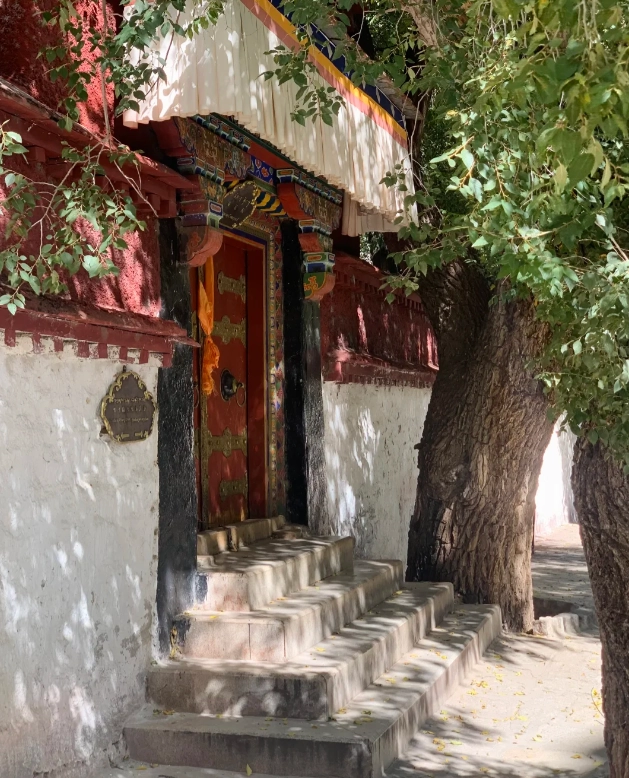
- 9:00–11:00: Sera Monastery. Watch the debates at 15:00? No, actually on Day 3 you need to leave by noon if your flight is afternoon. So go in the morning to explore the grounds and visit the chapels. Skip the debates unless you have a late flight.
- 11:30–12:30: Tibet Museum rooftop and quick museum visit.
- 13:00: Lunch and head to airport.
Plan B (Rain or Snow): Swap outdoor activities for the Tibetan Medical Hospital (free museum on traditional medicine) or the Tibet Art Museum (admission 30 RMB, near Potala). Both are indoors and fascinating.
Practical Tips You Won't Find in Guidebooks
- Toilets: Public toilets in Lhasa are… challenging. Always carry your own toilet paper and hand sanitizer. The best public toilet is in the Shangri-La Hotel lobby (free and clean).
- Internet: VPNs often don't work well in Tibet. Download offline maps (Google Maps? No, use Maps.me or Baidu Maps offline). Most hotels have patchy Wi-Fi, but the Summit Café has the strongest signal.
- Payment: Cash is king for street food and small shops. WeChat Pay/Alipay are ubiquitous but require a Chinese bank account. Bring enough RMB for daily expenses. ATMs are common but may charge a fee.
- Photography: Many temples prohibit photography inside. Always look for signs or ask. At Jokhang, you can take pictures in the courtyard but not in the inner sanctum.
- Sun protection: The UV index is brutal. I've seen tourists with sunburns on their scalps because they didn't wear a hat. Use SPF 50+ and reapply every 2 hours.
Frequently Asked Questions
 Is it safe to walk around Barkhor Street at night?
Verified and fact-checked by the editorial team.





It's an okay read — the info is accurate but feels very generic. Most of these tips you can find for free in any blog or even on Reddit. I was hoping for more hidden gems or local perspectives beyond the usual tourist trail. Also, the formatting on my phone was a bit messy with huge paragraphs. Not bad, but nothing that blew my mind.
Pretty useful overview, especially the sections on transportation and where to stay for easy access to monasteries. But I felt the article glossed over seasonal variations — I traveled in December and several places mentioned as 'must-do' were closed or under renovation. A brief note on weather/closures would have helped me plan better. Still, the core advice is solid, just not perfect.
Been to Lhasa twice before reading this, and I still picked up new tips! The detailed explanation of how to snag a Potala Palace timed ticket was worth the price of admission alone — I wasted hours queuing on my first trip. The photography spots mentioned are also top-notch. If you're a first-timer, stop browsing and just follow this guide.
As a solo female traveler, I really appreciated the thoughtful sections on local customs and safety. The tone feels like a friend giving you honest advice rather than a generic travel brochure. The restaurant picks were spot on — the little momo place near Barkhor Street became my go-to. Only wish there were a few more budget-friendly accommodation options listed, but overall a solid read.
This article is an absolute goldmine for anyone stepping foot in Lhasa for the first time. I loved how the author broke down altitude acclimation into simple steps — I followed the 'no shower on day one' advice and honestly felt great the whole trip. The insider tip about visiting the Jokhang Temple at dawn saved me from the midday crowds. Already planning my next visit based on this guide!