 Ming Yang
What You'll Learn
Three hours. That's how long my client from Boston lasted at the Potala Palace gates before needing a wheelchair. He'd flown in directly from Shanghai, skipped the rest day, and thought chewing gum would solve his headache. It didn't. Altitude sickness in Lhasa isn't a joke—but with the right moves, you can dodge it entirely. I've been guiding trips here for eight years, and I've seen what works and what sends people to the hospital. Here's the real deal on how to prevent altitude sickness in Lhasa without turning your trip into a medical drama.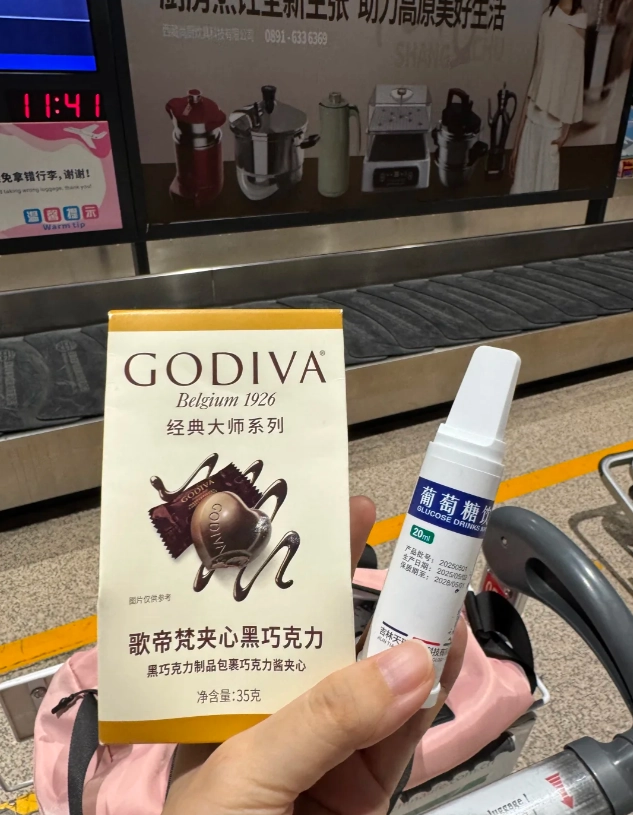
Why Lhasa Hits Hard
Lhasa sits at 3,656 meters (12,000 feet). That's high enough that even healthy athletes feel it. The air has about 60% of the oxygen at sea level. Your body needs time to crank up red blood cell production. Rush it, and you get headaches, nausea, dizziness—or worse, HACE or HAPE. The mistake I see most? People land and immediately head to the Potala Palace (lots of stairs) or Jokhang Temple (packed and hot). Bad idea. Your first day should be almost boring.
Pre-Departure Prep
Talk to a Doctor
Before you book, have an honest chat with your GP. If you've had heart or lung issues, Lhasa might not be for you. For most people, a prescription for acetazolamide (Diamox) is the gold standard. Start it 24 hours before flying in, continue for 2-3 days after. Dosage: typically 125mg twice a day. I've used it myself; it makes your fingers tingle and fizzy drinks taste flat, but it works.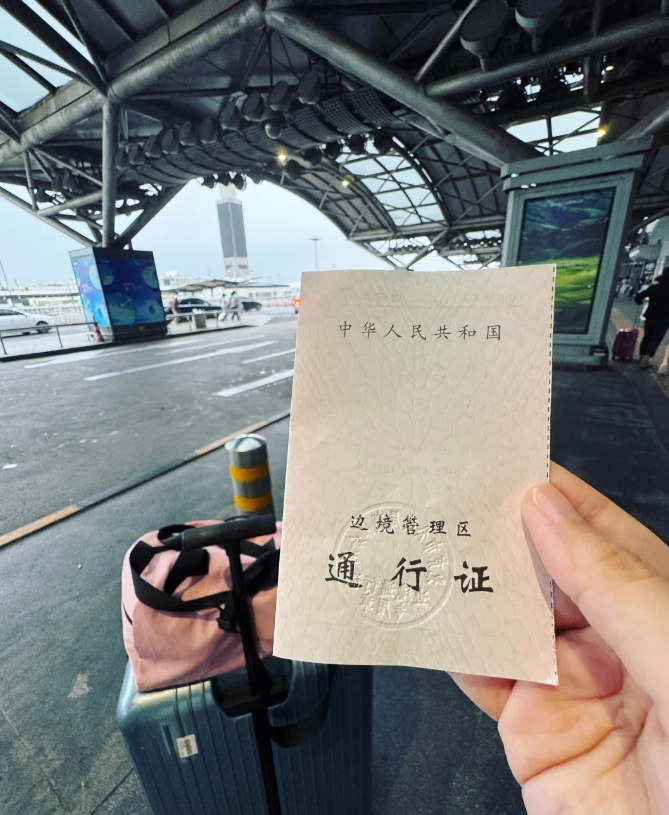
Avoid Sleeping Pills & Alcohol
Many travelers pop a sleeping pill on the flight to Tibet. Don't. It depresses your breathing, and at altitude you need every breath. Same goes for booze—save the celebration for day three. I tell my groups: arrive sober, stay hydrated, and you'll thank me.
Pack Smart
- Diamox (with prescription)
- Portable oxygen cans (available at pharmacies in Lhasa, but bring a few from home if you want)
- Hydration tablets (like Nuun or Hydralyte)
- Lip balm & moisturizer (dry air strips your skin)
- Sunscreen SPF 50+ (UV is intense up here)
The First 48 Hours in Lhasa
This is where most people screw up. Here's my exact plan I give every tourist.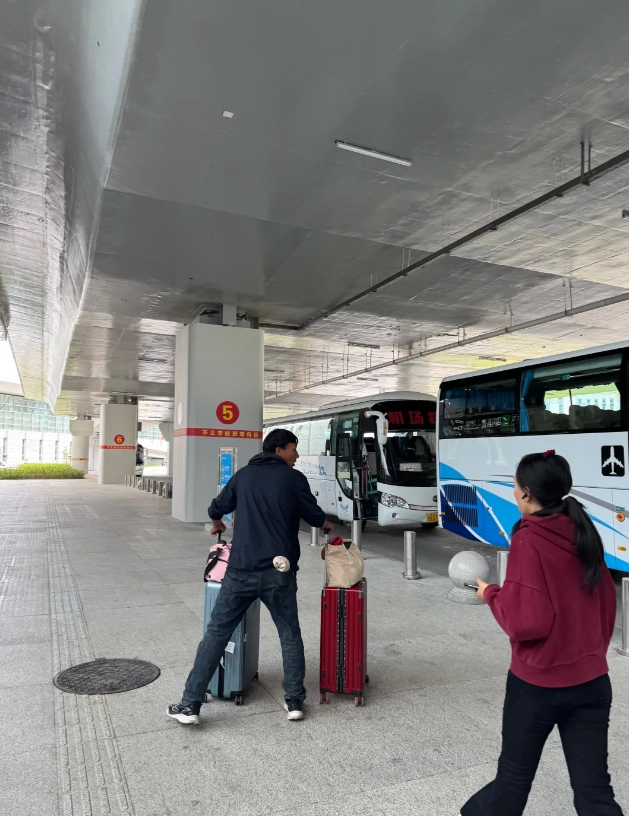
Day 1: Land, Rest, Walk Very Slowly
Your flight lands at Lhasa Gonggar Airport (about an hour from the city). Take the airport bus (30 CNY) to the city terminal—it's comfortable. Or hire a private car (around 200 CNY). Do not take a taxi that tries to speed you to your hotel; ask them to drive normally. Check into your hotel, preferably in the Barkhor area (walking distance to Jokhang Temple). I recommend Lhasa Snow Land Hotel (simple but oxygen-supplied rooms, about 400 CNY/night) or Yak Hotel Lhasa (better amenities, around 700 CNY, with oxygen concentrators in lobby).
Spend the rest of day one doing nothing strenuous. Walk around your hotel block. Sit in a tea house. Drink water. I always say: if you feel energetic, you're not moving slow enough. Take a nap. Avoid showers—hot water dilates blood vessels and drops oxygen to your brain. I've seen three clients faint in the shower. Just sponge bath.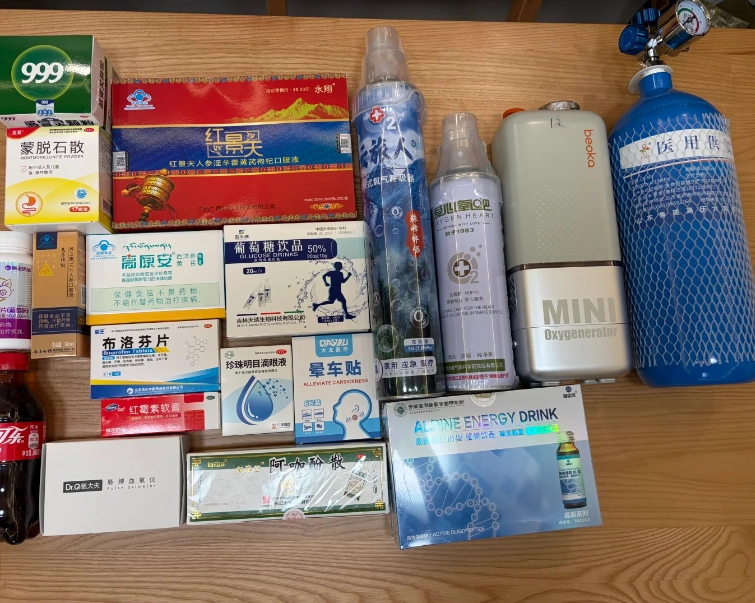
Day 2: Gentle Exploration
If you're feeling okay (headache under 3/10), you can visit a low-elevation site like the Tibet Museum (free, closed Mondays) or walk around Drepung Monastery (but skip the uphill climb—take a taxi to the parking lot and just walk the flat grounds). Avoid the Potala Palace entirely until day 3 or 4. The staircase to the top is killer. I had a Dutch couple who insisted on day 2; he ended up vomiting at the Red Palace entrance. Don't be them.
Medication & Oxygen
Acetazolamide (Diamox)
As I said, this is the most effective prevention. Side effects: tingling fingers, weird taste. Not dangerous. I take it myself every time I fly up. You can buy it at pharmacies in Lhasa too, but the prices are steep (maybe 200 CNY a strip). Better to bring from home.
Oxygen Tanks & Concentrators
Every hotel in Lhasa offers oxygen rental—either portable cans (15-30 CNY each, last 10 minutes) or room concentrators (50-100 CNY per night). Rent a concentrator for your room. Seriously. Run it while you sleep. I've seen guests wake up refreshed after a night on oxygen while others feel hungover. For daytime, buy a can of medical oxygen from pharmacies (around 40 CNY for a larger can). Use it when climbing stairs or if head starts pounding.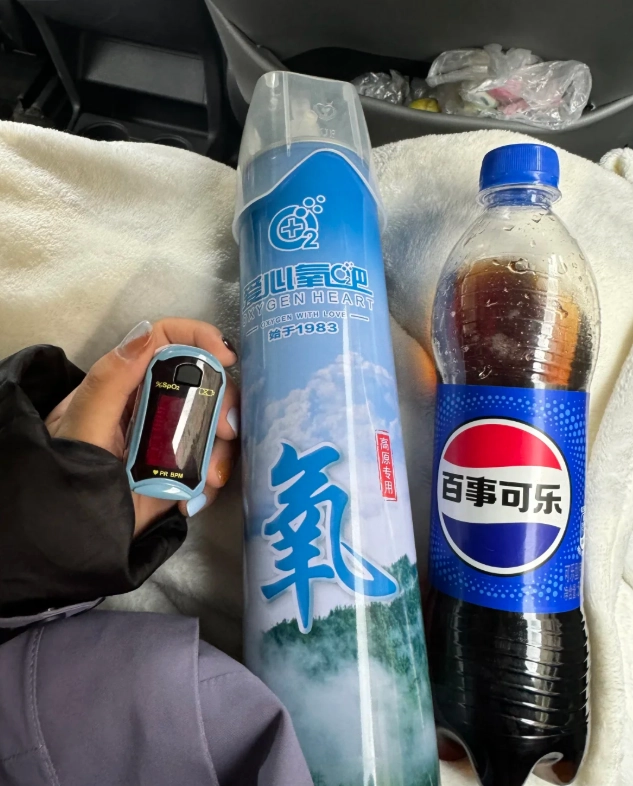
Dexamethasone & Nifedipine
These are emergency meds for severe AMS, HACE, or HAPE. Don't prophylactically use them—they have side effects. But if you have a history of mountain sickness, your doctor might give you a prescription. Carry them, know how to use, and descend if condition worsens.
Natural Remedies That Work
Many locals swear by Rhodiola rosea (hong jing tian). I've tried it; can't say it's a miracle, but it might help with fatigue. Drink butter tea (po cha) in moderation—the fat gives energy but too much can upset stomach. Eat garlic (seriously, locals eat raw garlic cloves to boost immunity). Also, chew ginseng slices. Not proven by science, but my clients who do it claim less headache. Placebo? Maybe. But if it helps, it helps.
What to Eat & Drink
Hydration is key. Aim for 3-4 liters of water daily. Not all at once—sip throughout the day. Avoid coffee and black tea (caffeine dehydrates). Herbal tea is fine. Eat light meals: soups, steamed veggies, rice. Avoid heavy meat and grease. My go-to recommendation for dinner is at Nylma Restaurant near Barkhor (Tibetan momo and thukpa soup). Their vegetable thukpa is gentle on the stomach and warms you up.
| Food/Drink | Good or Bad? | Why |
|---|---|---|
| Butter tea | Good in small amounts | Fat gives energy, but too much = nausea |
| Sweet tea (cha ngamo) | Moderate | Milk + sugar okay, but not too sweet |
| Raw garlic | Good | Local remedy, may boost immunity |
| Red meat | Avoid first 2 days | Hard to digest, diverts blood from brain |
| Alcohol | Bad | Dehydrates, depresses breathing |
| Hydration tablets | Excellent | Replaces electrolytes lost due to dry air |
When to See a Doctor
You have a simple rule: if headache doesn't respond to paracetamol or ibuprofen after two doses, or if you feel confused, short of breath at rest, or can't walk in a straight line—descend immediately. Go to lower altitude (like Tsedang at 3,500m or back to Chengdu). Lhasa has a good hospital: People's Hospital of Tibet (address: No. 18, LinKuo Road). They have oxygen and meds. But don't wait. I've seen altitude sickness turn nasty in hours.
FAQ
This content has been fact-checked to ensure informational precision.





Eh, I was hoping for more concrete tips, but a lot of this felt like common sense – drink water, don’t run, sleep early. I tried everything mentioned and still ended up with a pounding headache and nausea on day two in Lhasa. Maybe my body just doesn’t adapt well, but the article didn’t address emergency steps if you’re already feeling bad. Pretty disappointed for such a hyped-up guide.
Pretty solid advice overall, and most of it worked for me – especially the gradual ascent. I’d give it 4 stars because I felt it could be more specific for older travelers. My dad in his 70s followed the same tips but still got mild headaches and fatigue. A section on medication options or when to see a doctor would have been helpful. Still, better than most guides out there.
What a lifesaver! I was really nervous about altitude sickness because I have asthma, but this article convinced me to arrive a day early and just rest. The tip about using a humidifier in the hotel room was genius – my sinuses didn’t dry out at all. Also, the natural remedies like ginger tea actually helped settle my stomach. I felt great the whole week. Thank you for this goldmine of info!
Honestly, this was the most practical altitude sickness guide I found online. The step-by-step advice on acclimatization – especially ‘climb high, sleep low’ – made a huge difference for me. I shared it with my whole tour group and everyone agreed it helped. Only wish I’d found it sooner! The writing is clear and not preachy. 10/10 would recommend to first-timers in Lhasa.
I followed this guide to the letter before my trip to Lhasa and it worked like a charm! The tip about taking it slow on day one and drinking at least 3 liters of water really saved me. I used to get altitude sickness in Colorado, but here I felt almost normal. The part about avoiding showers for the first 48 hours seemed extreme but totally worth it – no headaches at all. A must-read for anyone heading to Tibet.