 Ling Wu
Quick Navigation
- The #1 Mistake Almost Every Tourist Makes
- Footwear: Your Most Critical Decision
- Clothing: Layering Is Not Optional
- Tech & Connectivity: Surviving the Digital Gap
- Documents & Payment: Cash Is Still King
- Health & Safety: The Items You'll Thank Me For
- FAQ: What to Pack for Zhangjiajie – Your Top Questions Answered
Three hours. That's how long my clients stood in the sun at the South Gate last week—because they didn't have the right gear. Forget the glossy brochures—if you don't pack smart, Zhangjiajie will humble you. I've been leading tours here for the past seven years, and I've seen every packing mistake imaginable. This guide is the exact list I give my friends before they visit. No fluff.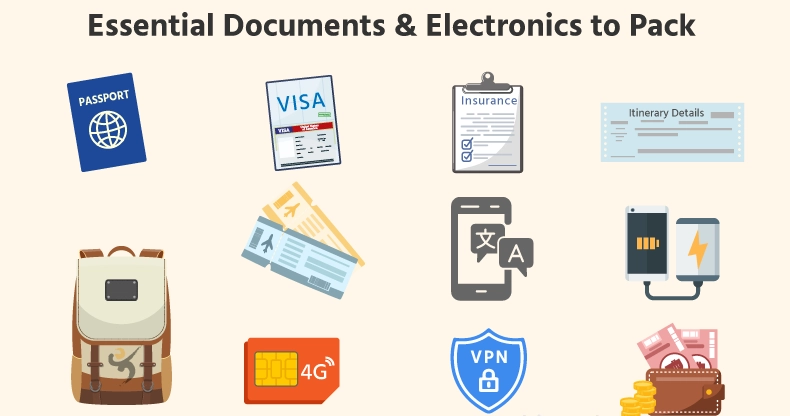
The #1 Mistake Almost Every Tourist Makes
They bring an umbrella. Here's the thing: Zhangjiajie is unpredictable. One minute it's sunny, the next you're in a cloud burst. Umbrellas are useless on narrow cliffside paths—they poke people and catch wind. What you need is a lightweight poncho (the disposable kind that covers your backpack too). I pack two per person because the first one usually rips after a downpour.
Another rookie error: thinking you can buy everything at the local shops. Yes, there are vendors near the entrances, but they sell cheap knock-off hiking boots that'll fall apart by the second day. And the ponchos? They're thin plastic that tears instantly. Buy quality stuff before you come.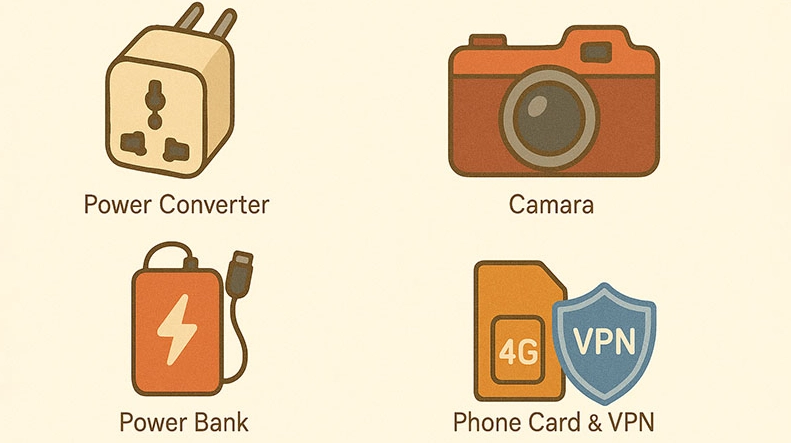
Footwear: Your Most Critical Decision
I cannot stress this enough: do not wear fashion sneakers or new boots. The trails are granite steps, often wet, with steep drops. I've pulled tourists out of ditches because their soles had no grip.
What I Wear and Recommend
| Shoe Type | Best For | Avoid |
|---|---|---|
| Trail running shoes (e.g., Salomon Speedcross) | Most paths; light, breathable, excellent grip | Worn-out soles or smooth bottoms |
| Mid-cut waterproof hiking boots | Rainy days or off-trail sections like Tianzi Mountain | Heavy leather boots – they're too hot and stiff |
| Approach shoes (e.g., La Sportiva) | Scrambling near the Grand Canyon glass bridge | Sandals or flip-flops – absolute no-go |
Pro tip: Bring a second pair for evenings. Your feet will thank you. I always carry a pair of Crocs (in sport mode) for after hikes—they're light and let blisters breathe.
Clothing: Layering Is Not Optional
Zhangjiajie's altitude ranges from 300m to 1,300m. At the top of the cable car, it can be 10°C cooler than at the base. I've seen tourists shivering in T-shirts while locals wear puffer jackets. Here's my tried-and-true layering system:
- Base layer: Merino wool or synthetic. Avoid cotton—it stays wet and chafes. I always pack two, because you'll sweat even in winter.
- Mid layer: A fleece or thin down jacket. Even in summer, you'll want this for the early morning mist at Zhangjiajie National Forest Park.
- Outer shell: A waterproof and windproof jacket. The brand doesn't matter, but make sure it has pit zips for ventilation. I learned the hard way: unlined rain jackets turn you into a sauna.
Also: pack a pair of long pants (hiking trousers with zip-off legs are genius) and a warm hat for the cable car ride. The gusts at the top are no joke.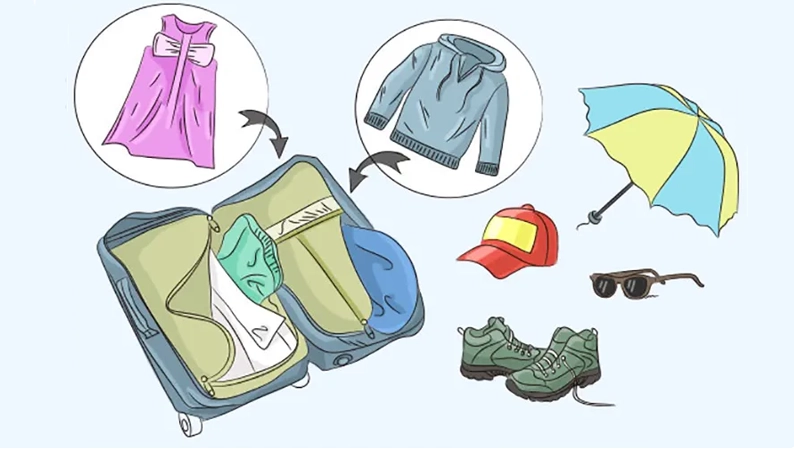
Tech & Connectivity: Surviving the Digital Gap
This is where most foreign tourists get stuck. China's digital ecosystem is different. Here's what you absolutely must have:
- A smartphone with WeChat installed. Zhangjiajie's official tickets, hotel bookings, and even some food stalls operate through WeChat mini-programs. Download and set it up before you leave—activation needs a foreign passport scan and sometimes a friend to verify.
- VPN loaded and tested. Google, Instagram, WhatsApp—they're blocked. Get a reliable VPN (I use Astrill or ExpressVPN, but test before departure because not all work). Without it, you'll be stranded offline.
- Power bank (20,000mAh or more). There are few charging stations on the mountains. I've watched tourists panic with dead phones and no way to call a taxi. Anker or Xiaomi are good brands.
- Offline maps. Download Baidu Maps or Gaode Maps (both in Chinese only, but you can use Google Maps offline with downloaded tiles). Alternatively, pre-load Maps.me with the Hunan region.
One more thing: bring a universal adapter with a Type A/C plug (China uses 220V with two flat pins). Most hotel rooms have both USB and sockets, but not always.
Documents & Payment: Cash Is Still King
I know, I know—everyone says China is cashless. But for a foreigner, it's a nightmare. Many local shops and even some ticket windows don't accept foreign credit cards. Alipay and WeChat Pay are dominant, but linking them to a foreign card can fail randomly. Here's my survival system:
- Passport. You'll need it to buy train tickets and enter attractions. Keep a photocopy in your hotel safe.
- Chinese yuan cash. Bring at least 1,000–2,000 RMB in small bills (20s and 50s). Most big hotels can exchange major currencies, but ATMs are hit-and-miss for foreign cards. I always carry cash for street food, tips for porters, and backup.
- Two credit cards. Visa and Mastercard are widely accepted at large hotels and the airport, but not in the park. UnionPay is better; if you have a UnionPay card, use it.
Health & Safety: The Items You'll Thank Me For
The trails are physically demanding, and the environment is alien to many bodies. These are the non-negotiable health items:
- Blister plasters (Compeed or similar). I've walked 25 km in one day around the park. You will get blisters. Treat them immediately.
- Insect repellent with DEET. The mosquitoes around the streams and tea houses are aggressive. Citronella doesn't cut it.
- Travel-sized sunscreen. Even on cloudy days, the UV at high altitude burns. Spray is easier to reapply.
- Hand sanitizer and wet wipes. Public toilets are… an experience. Many have no soap or toilet paper. I always carry a mini pack of tissues too.
- Basic first-aid: bandages, antiseptic cream, painkillers (ibuprofen). Medical help is available in town but sparse on the mountain.
- A small daypack (20-30 liters). It needs to be waterproof or have a rain cover. I use an Osprey Daylite with a built-in rain flap.
Don't forget: A lightweight reusable water bottle. There are filtered water stations at most rest stops (look for the hot water dispensers). Buying plastic bottles every time is expensive and bad for the environment.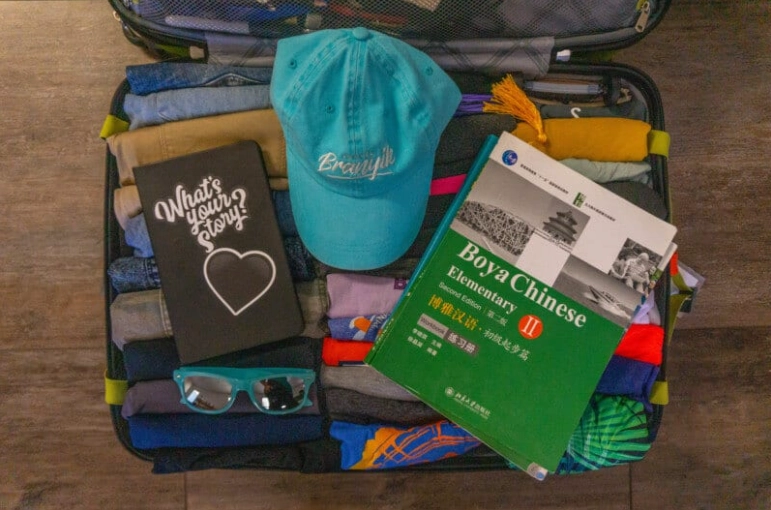






If you're hesitating about packing what this article suggests, don't. I followed it to the letter—brought a travel towel, quick-dry clothes, and even the little flashlight they recommended for the Ten Thousand Peaks Pavilion at sunrise. Everything came in handy, especially the towel after the sudden rain shower near Golden Whip Stream. My friends who didn't read it regretted it. Definitely worth bookmarking!
I read this before my trip and thought it was pretty thorough, but I'd add one thing: a pair of light gloves for the cable car rides. The wind at the top of the Avatar Hallelujah Mountain was biting, and my hands went numb. Otherwise, the recommendations for moisture-wicking socks and a small first-aid kit were solid. Good article for first-timers.
Just got back from a week in Zhangjiajie and this packing list was my bible. The article nailed it with the suggestion to bring a reusable water bottle—there are refill stations at the park entrances and it saved me a ton of money and plastic. Also, I never thought about carrying a compact umbrella for the sudden downpours, but it was a lifesaver. Five stars for practicality.
A decent list overall, but I felt the article overhyped the need for hiking poles. I'm a fairly experienced hiker and the trails at Zhangjiajie are well-maintained—unless you have knee issues, you'll be fine without them. Also, they didn't mention how many layers you actually need in winter; I was freezing my butt off on the glass bridge. Wish they'd been more specific about temperature ranges.
Honestly, the backpacking list in that article saved my trip. I almost forgot a rain poncho, and let me tell you, the mist on Tianzi Mountain is no joke! Had I not packed one, I'd have been soaked and miserable. The tip about bringing a headlamp for the early morning hikes was also spot on. 10/10 would recommend this guide to anyone heading to Zhangjiajie.