 Ming Yang
What's Inside
Two hours. That’s how long I watched a couple from London trying to buy a metro ticket at Tianfu Square station last week. The machine only accepted Chinese ID cards, and they didn’t have Alipay set up. Frustrating? Absolutely. But totally avoidable if you know the tricks.
Here’s the thing: Chengdu’s public transport is modern, cheap, and efficient—once you understand the digital ecosystem. Forget the glossy city guides; this is the real deal from someone who’s navigated it hundreds of times with clients.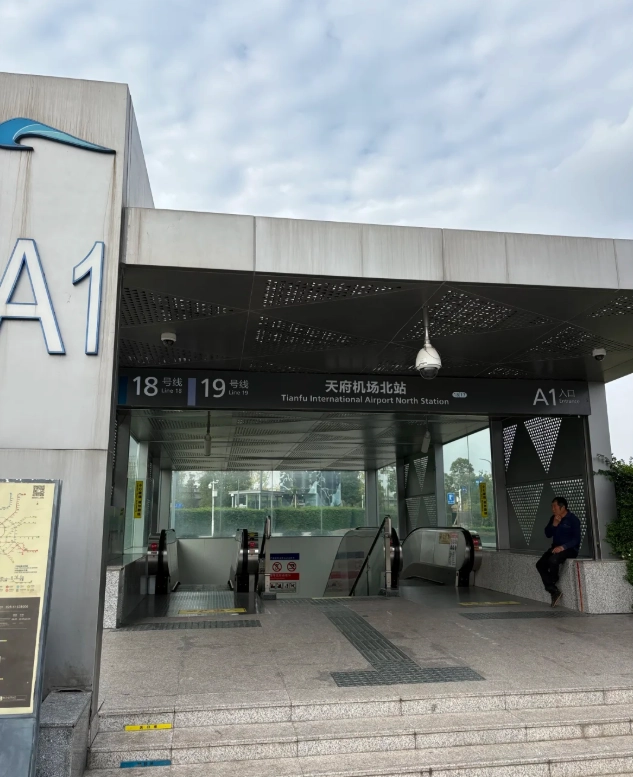
Subway: The Backbone of Chengdu
The metro is your best friend. 12 lines cover the city, with trains running from 6:00 AM to 11:30 PM (last train varies by line). Fares range from 2 to 8 RMB based on distance. You can pay with cash at ticket machines, but most machines only accept small bills or coins—and they hate crumpled notes. I always tell people: carry 5 and 10 RMB bills folded flat.
Essential Lines for Tourists
- Line 1: Runs north-south, connects Chengdu South Railway Station and Science Museum (for Tianfu Square).
- Line 2: East-west, goes to Chunxi Road (shopping), Chengdu East Railway Station, and the Panda Base (stop: Panda Avenue – then a 15-min bus).
- Line 3: Good for Wuhou Shrine (stop: Gaoshengqiao) and Jinli Ancient Street.
- Line 4: Access to Kuanzhai Alley (stop: Kuanzhai Alley) and Du Fu Thatched Cottage.
Pain point: Ticket machines often have long queues during rush hour (8:00-9:30 AM, 5:30-7:00 PM). Download the Chengdu Metro app or use Alipay's transport QR code to bypass lines entirely. To set up Alipay, ask your hotel staff for help—many foreigners get stuck on verification.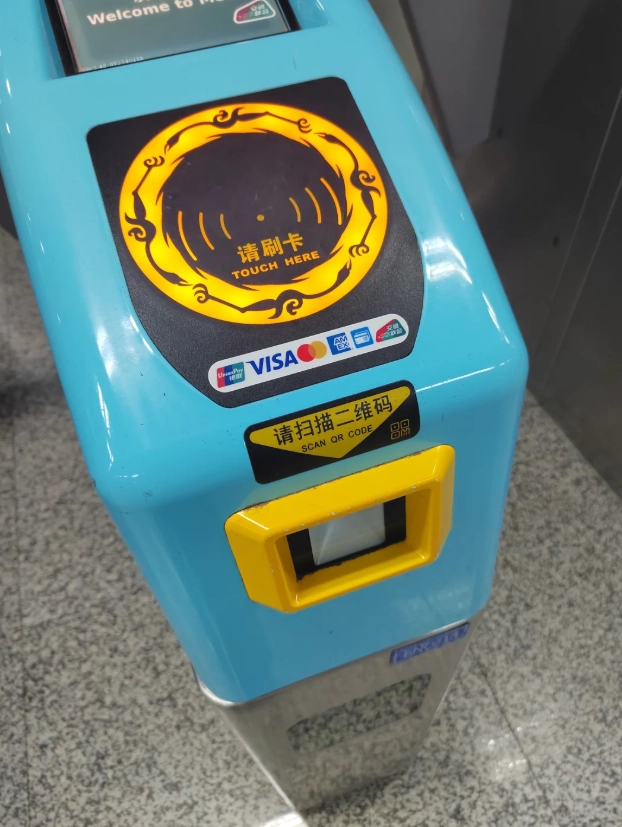
Buses: Cheap but Tricky
Buses cost 1-2 RMB per ride, but route numbers can be confusing (e.g., 58, 82, 341—same prefix, different directions). I rarely recommend buses for first-time visitors unless you're on a tight budget. The real kicker: most bus stop signs are Chinese-only, and the audio announcements only play in Mandarin. If you really want to try, use the Baidu Maps app (switch to English) to see real-time bus locations.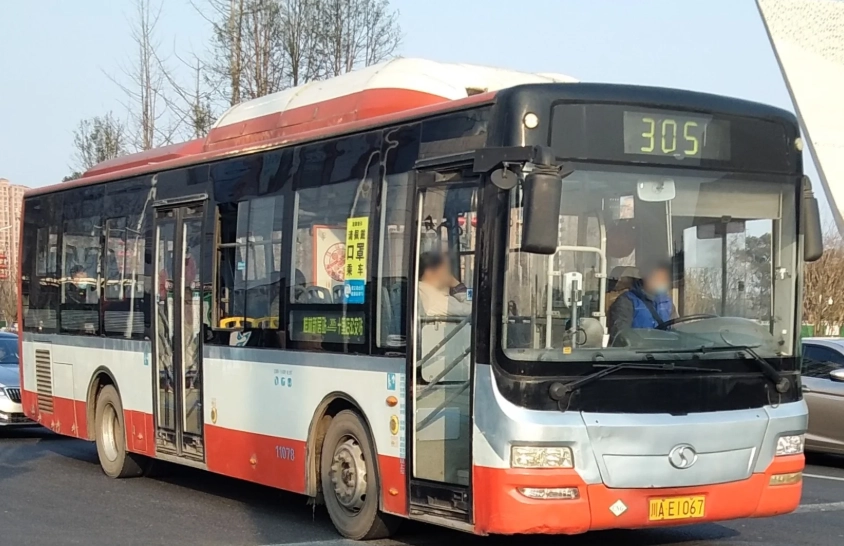
Taxis and Ride-Hailing: What Works
Taxis start at 8 RMB (with a 2 RMB fuel surcharge). Flag them down on the street, but be ready to show your destination in Chinese on your phone. Many older drivers don’t speak English. For ride-hailing, DiDi is the local Uber alternative—it’s in Chinese, but the app has an English version. One thing: international credit cards often fail on DiDi. Link your Alipay or WeChat Pay instead.
Scam alert: At popular spots like the Panda Base, touts offer “private taxis” for triple the meter fare. Only use official taxis with a red license plate or DiDi.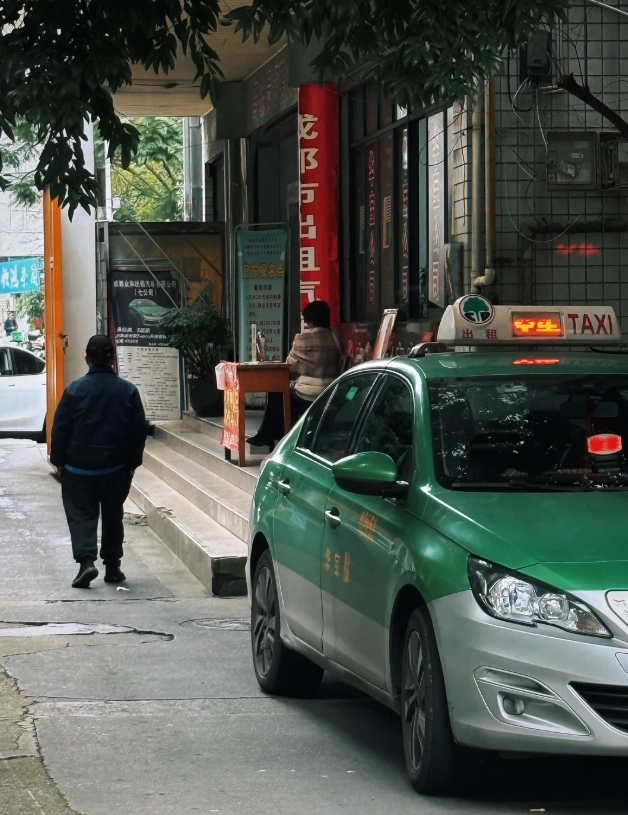
Bike-Sharing: The Local Secret
Orange and blue bikes (Mobike, Hellobike) are everywhere. Scan the QR code to unlock—cost is about 1.5 RMB per 30 minutes. But here’s the catch: many bikes require a 299 RMB deposit unless you link a Chinese bank card. Skip the deposit by using Alipay’s bike-sharing feature (no deposit for tourists with foreign cards—seriously, it works). I always bike from Kuanzhai Alley to People’s Park in 8 minutes flat.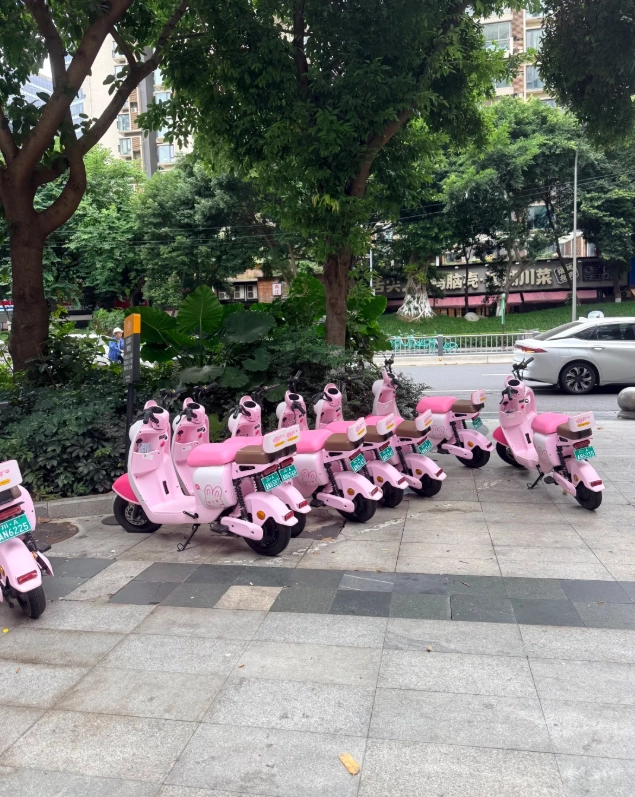
Payment: Transport Cards & Apps
Carry a Chengdu Tianfu Tong card (25 RMB deposit + top-up). You can buy it at any metro station and use it on buses and metro. But honestly, I find it faster to use Alipay. Open the app, tap “Transport,” and generate a QR code. It works on metro gates and buses. Tip: scan your face to pay at some metro exits—cool but unnecessary.
| Payment Method | Metro | Bus | Taxi/DiDi | Bike |
|---|---|---|---|---|
| Cash | Yes (small bills) | Yes (exact change) | Yes | No |
| Alipay QR | Yes | Yes | Yes | Yes |
| WeChat Pay | Yes | Some buses | Yes | Some |
| Transport Card | Yes | Yes | No | No |
| International Credit Card | No | No | Unreliable | No |
Reality check: If you only have cash and a foreign credit card, you're going to struggle. I’ve had clients spend 20 minutes trying to buy a 2 RMB bus ticket because the driver couldn’t break a 100 RMB bill. Get Alipay set up, even if it’s annoying.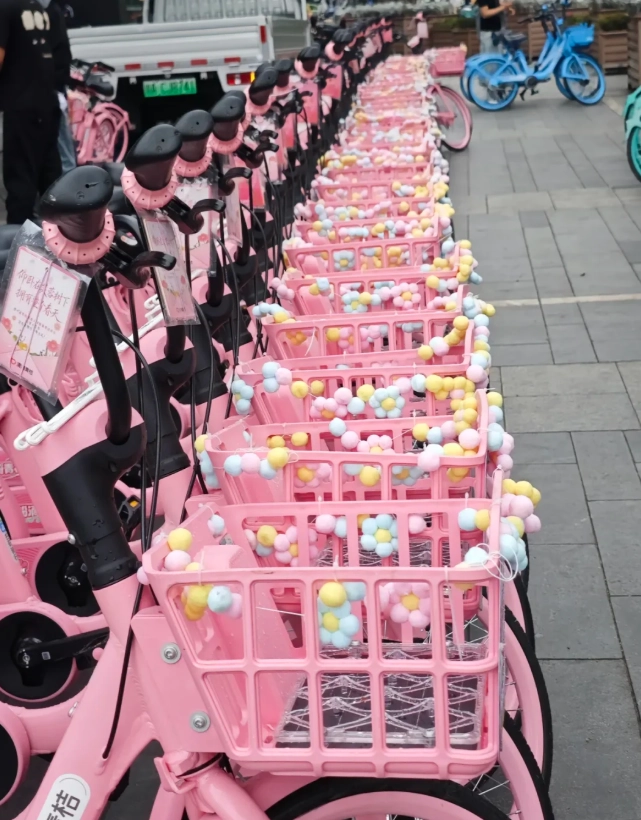
FAQ: Your Questions Answered
Verified and fact-checked by the editorial team.







I was skeptical about buying a transit guide online, but this one proved its worth within the first hour in Chengdu. The map of the metro exits near the popular hotpot spots helped me avoid the rain twice. Also appreciated the honest warning about pickpockets on Line 2. Would buy again for any other city.
Best 5 bucks I spent on my entire China trip. The step-by-step instructions for getting to Leshan Giant Buddha on public transport were clutch—no tour bus markup, and I arrived before the crowds. The local bus tip saved me a taxi fare of nearly 80 yuan. Five stars, no question.
Honestly a bit disappointed. The guide says 'skip queues' but the main tip was just to use the metro app, which I could have figured out myself. The money-saving part was okay—pointed out a cheap noodle place near the Jinli Ancient Street—but nothing I couldn't find on Google Maps. Expected more insider hacks.
This guide has some solid tips, but I found a few of the recommended bus routes were outdated—one line had changed its stop. Still, the advice on avoiding taxi scams near Kuanzhai Alley was spot on. Good value for the price, just double-check the latest local transit updates before you go.
I used this guide during my 3-day trip to Chengdu and it was a lifesaver for getting to the Panda Base without the usual long wait. The QR code trick for the subway saved me at least 30 minutes each morning. Totally worth the few bucks—highly recommend for first-timers who hate wasting time in queues.