 Ming Yang
Two hours. That’s how long it took my guest last week to get from the airport to Kuanzhai Alley by taxi—a trip that should take 40 minutes. Traffic in Chengdu is unpredictable, but with the right strategy, you can breeze through. So, how to get around Chengdu without losing your mind? First, forget taxis during rush hour. The metro is cheap, clean, and covers almost every major sight. Here’s the ultimate shortcut: download Alipay and link your credit card before you land. It unlocks bike-sharing, bus payments, and Didi. Do this, and you’re golden.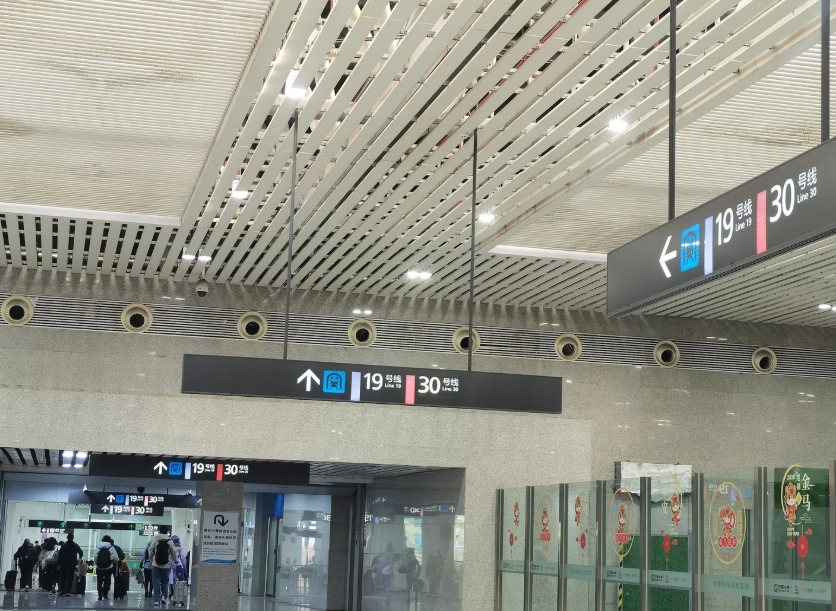
Chengdu Metro: Your Fastest Bet
The metro is hands-down the best way to navigate Chengdu. It’s reliable, air-conditioned (crucial in summer), and signs are in English. Lines 1, 2, 3, 4, and 7 cover most attractions. Let me break it down.
Lines You’ll Actually Use
| Line | Key Stops | Attractions |
|---|---|---|
| Line 2 | Chunxi Road, Tianfu Square, People’s Park | Shopping, museums, local tea houses |
| Line 3 | Military Command, Wuhou Shrine, Jinli | Historical sites, snack streets |
| Line 4 | Kuanzhai Alley, Chengdu University | Alley culture, food hub |
| Line 7 | East Station, South Station | Transfers to high-speed rail, airport bus |
Buying Tickets Like a Local (Without WeChat Pain)
The ticket machines accept cash (10, 5, 1 yuan notes/coins) or Alipay QR. If you don’t have Chinese apps, get a Chengdu Tianfu Tong Card from any station—a stored-value card that works on metro and buses. The initial card costs 20 yuan (refundable). Avoid the ticket queues at Chunxi Road station; it’s insane during weekends. I always guide my guests to buy from the machine near the far end of the hall—less crowded.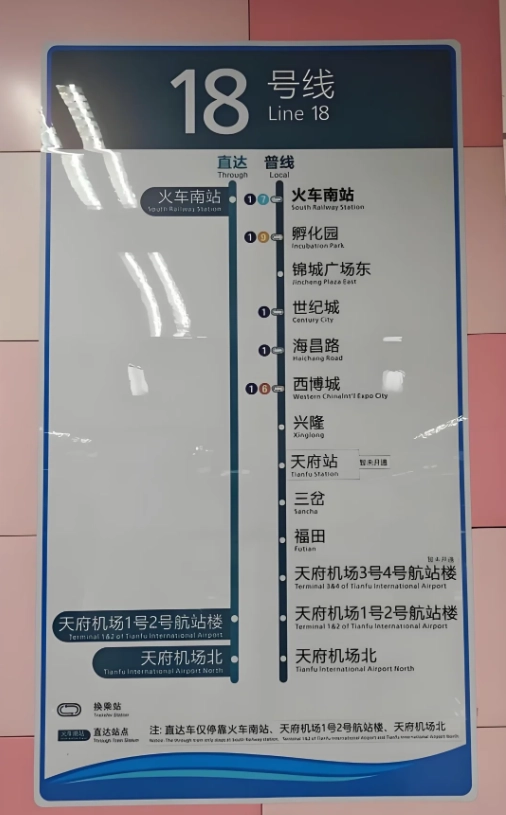
My tip: If you’re staying 3+ days, get the 3-day metro pass (only available at certain stations like Tianfu Square). It’s 50 yuan for unlimited rides. I’ve saved clients a solid 30 yuan vs. single tickets.
Peak Hour Survival Tips
Weekday mornings 7:30–9:00 and evenings 17:30–19:00 are insane—expect shoulder-to-shoulder crowds. Line 1 is the worst. If you can, avoid those hours. But if you must travel, stand away from the doors (the middle of the train is less packed). And please, do not take luggage onto the metro during peak hours—you’ll get evil stares. I once saw a traveler with two giant suitcases get stuck in the closing doors. Not fun.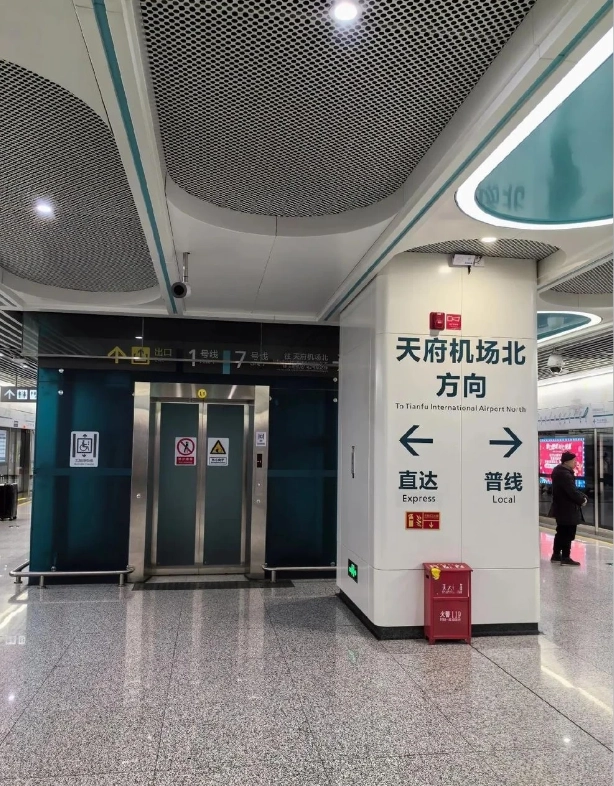
Buses: Cheap but Tricky
Buses cost only 1 yuan (with cash or same Tianfu Tong Card). They go everywhere, but routes can be confusing. English announcements are hit-or-miss. I only recommend them for a few specific lines.
Bus Routes to Major Attractions
- Bus 55 from Chunxi Road to Wuhou Shrine (approx. 25 min, no traffic)
- Bus 58 from Kuanzhai Alley to Panda Base (40 min, but often stuck in traffic—better to take metro to Panda Base shuttle)
- Bus 82 from Jinsha Site Museum to Du Fu Thatched Cottage (15 min)
But here’s the catch: bus drivers don’t speak English, and stops are announced in Chinese only on older buses. Use a real-time app like Gaode Maps (set to English) to track your stop. I always tell my clients: “If you miss your stop, just get off and take a Didi—it’s only 10 yuan.”
 Navigating the Digital Payment Maze
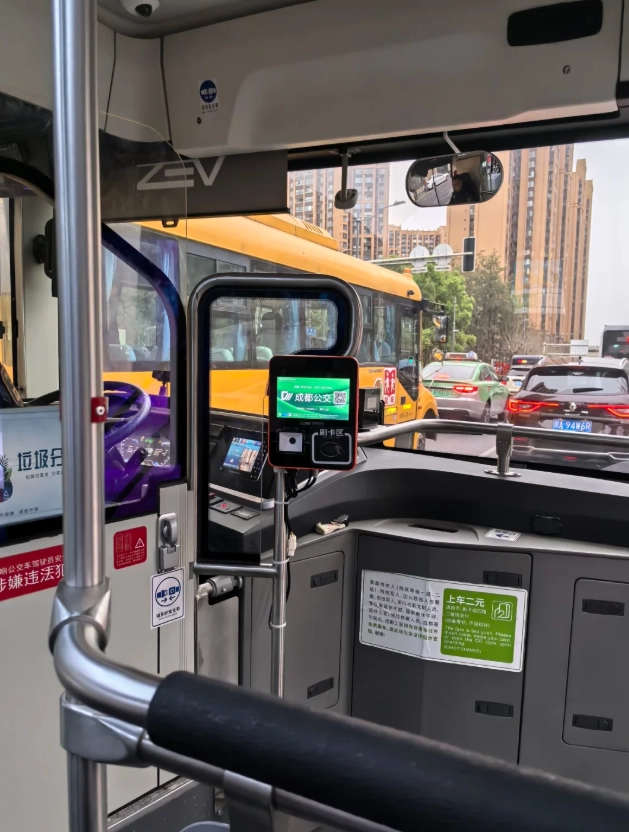
Most buses now support Alipay QR (scan the blue code). Some still require cash—no change given. So carry a few 1 yuan coins. I got burned once when I only had a 10 yuan note and the driver refused to break it. Now I keep a small pouch of coins. Also, buses are slower than metro; avoid them during peak hours entirely.
Taxis and Ride-hailing: Convenience vs. Scams
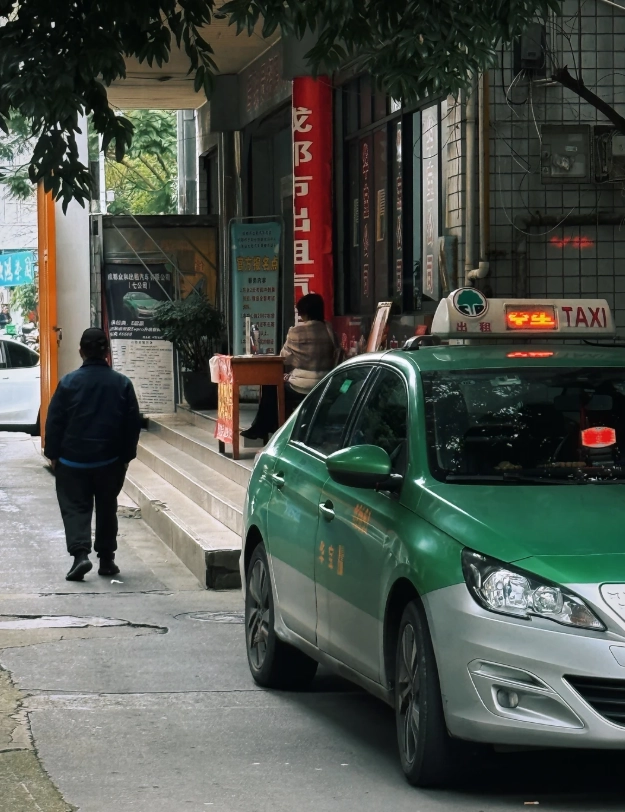
Taxis are everywhere, but the scam rate is high near tourist spots. Last year, a guest paid 80 yuan for a 3-km ride from Jinli—should be 15 yuan. Don’t be that person.
Didi vs. Traditional Taxi: Which Wins?
Didi (Chinese Uber) is my go-to. You can download the app, set up Alipay payment, and see the price upfront. No haggling, no scams. The baseline fee starts at 8 yuan. A typical 5-km ride costs around 20-30 yuan.
Traditional taxis: cheaper base fare (10 yuan for first 2 km) but drivers sometimes refuse to use the meter. If you hail one, say firmly “Da biao” (use meter). If they shake their head, get out. I’ve had drivers demand 50 yuan flat for a 15-yuan ride. Just close the door and order a Didi.
Common Taxi Scams and How to Avoid
- Airport taxi touts: Ignore them. Walk to the official taxi stand (follow signs) or use Didi pickup at the parking lot.
- “Tour” pitches: Some drivers offer to take you to a “special” teahouse or silk factory—they get commission. Politely decline.
- No change: Drivers often claim to have no change for large bills. Always carry small bills (10s and 5s).
Biking and Walking: For Short Distances
Shared bikes are everywhere in Chengdu—Hellobike and Didi Bike. Scan with Alipay (deposit free if your credit score is high enough). Cost is 1.5 yuan per 30 minutes. The bike lanes are decent, but watch out for scooters and pedestrians. I love biking along the Jin River at sunset—it’s peaceful and you pass through old neighborhoods.
My Favorite Walking Routes
If you’re near People’s Park, you can walk to Kuanzhai Alley in 15 minutes. The route goes through a quiet residential area with street food stalls. Stop at a malatang shop for a quick bowl. Also, walking from Wuhou Shrine to Jinli takes 5 minutes—they’re next to each other.
Getting to and from the Airport
Chengdu Shuangliu Airport is 16 km south of the city. The new Tianfu Airport is farther (50 km), but metro Line 18 connects both. Here’s the breakdown.
| Method | Cost | Time | Notes |
|---|---|---|---|
| Metro Line 10 (Shuangliu) | 5-8 yuan | 40 min to city center | Runs until 23:00; last train from airport 23:40 |
| Airport Bus | 10-15 yuan | 60 min (traffic dependent) | Runs 24hrs for some lines, but night frequency low |
| Taxi/Didi (Shuangliu) | 50-80 yuan | 30-50 min (traffic) | Add 20 yuan for Tianfu Airport |
My advice: If you arrive between 6:00 and 22:00, take the metro. It’s faster and cheaper. After 22:00, use Didi—but avoid taxis queued outside. For Tianfu Airport, the metro Line 18 takes 45 minutes to South Station; from there, transfer to a Didi or another line. I’ve missed flights because of traffic, so I always recommend leaving at least 3 hours before departure if using a taxi.
One more thing: The airport has free Wi-Fi, but you need a Chinese phone number for verification. Download a VPN before you travel if you need Google services.







As someone who lived in Chengdu for two years, I thought I knew all the tricks. But this article taught me something new — the bus lane bypass hack during rush hour! I tried it last weekend going to the Jinli ancient street and skipped a 20-minute jam. The writing is clear, the screenshots are helpful, and the budget breakdown for each method is exactly what a frugal traveler needs. Absolutely worth a read before you step foot in the city.
I’m usually skeptical of blog posts full of obvious advice, but this one genuinely delivers. I used the WeChat mini-program they mentioned to locate a nearby bike-share station within seconds. Going from Kuanzhai Alley to the Panda Base using the subway cost me only 6 yuan — that’s like a dollar! The article even warned me about the fake taxi touts near the train station. Five stars because it saved me both time and money on my very first day.
This article was an absolute lifesaver during my business trip to Chengdu! I followed the recommended ‘metro + shared bike’ combo to get from Chunxi Road to the Hi-Tech Zone on a Monday morning — zero traffic, cost less than 5 kuai, and I even found a nice shortcut through a little park. The tip about avoiding the 7-9 PM rush on Line 1 was spot on. Can’t recommend it enough for any traveler who wants to keep their sanity and their wallet happy.
Pretty helpful read! I followed the suggestion to buy a天府通 card and use the subway for my airport transfer. That alone saved me about 40 kuai compared to a taxi. The section on shared e-bikes was accurate, though I wish they mentioned that many WeChat mini-programs require a Chinese bank card. Still, it’s a practical guide if you’re on a budget and don’t want to get stuck in traffic on Renmin South Road.
Honestly, I was a bit disappointed. The article gives solid tips like taking the metro and renting bikes, but I was hoping for more hidden hacks for avoiding the city's notorious traffic jams. The advice about avoiding peak hours felt too generic — everyone knows that. Also, the map screenshot was blurry on my phone. Decent starting point for newcomers, but not worth bookmarking if you've been here a week.