 Hui Lin
Let's be honest. When you think of Beijing, sprawling flower gardens aren't the first thing that comes to mind. You picture the Forbidden City, the Great Wall, maybe the bustling hutongs. So when a local friend insisted I check out the Beijing International Flower Port in Shunyi district, I was skeptical. Another manicured park, I thought. But after spending a full day there last spring, camera in hand, I had to admit I was wrong. This place is a legitimate destination for anyone craving color, tranquility, and some seriously impressive landscape design, especially if you're into photography.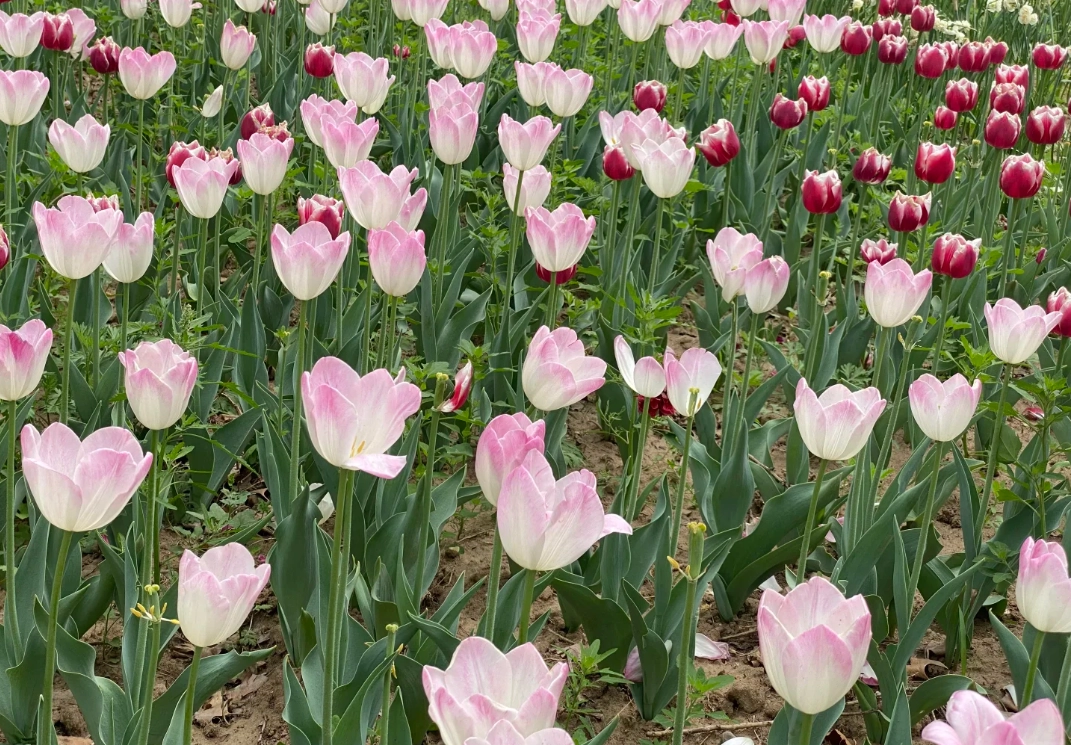
It's not just a collection of flower beds. It's a massive, thoughtfully planned horticultural showcase that feels worlds away from the city's smog and noise. The air smells different here. But planning a visit has its quirks. Go at the wrong time, and you'll see more dirt than dahlias. Choose the wrong entrance, and you'll add a kilometer of unnecessary walking to your day. I learned these lessons the slightly sweaty way so you don't have to.
What You'll Find in This Guide
Planning Your Visit: Tickets, Hours & Location
First things first. Here's the core information you need to lock down before you go. The park's official name in Chinese is 北京国际鲜花港, and it's located in the northeastern suburb of Shunyi.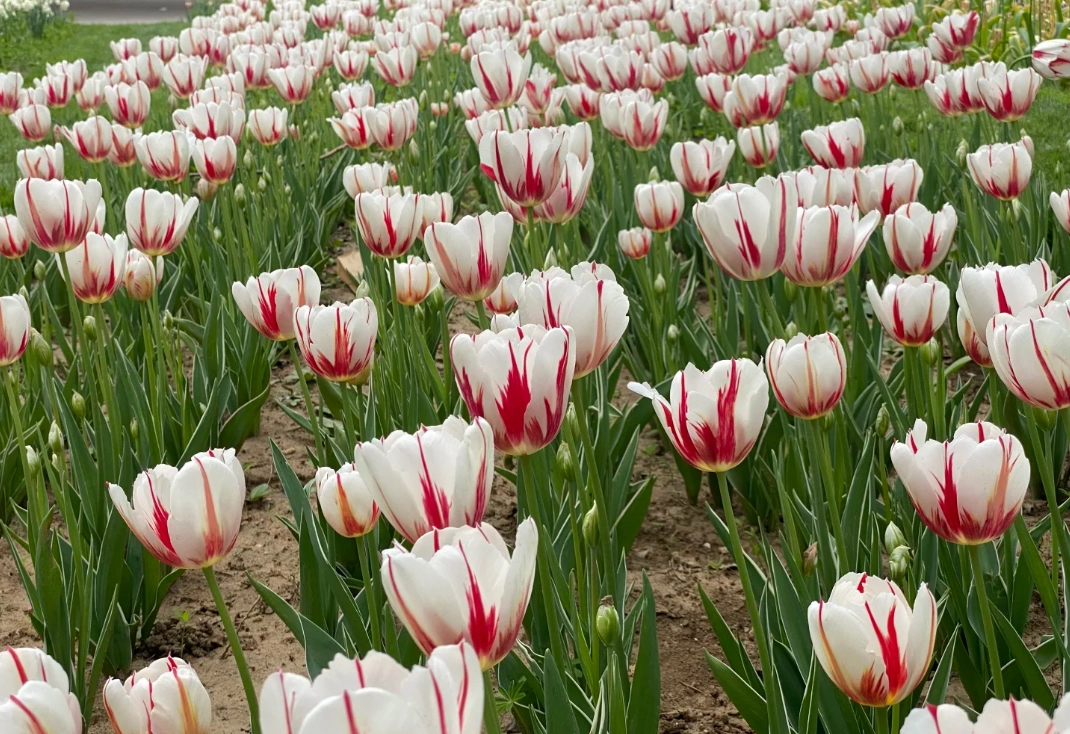
Key Visit Info at a Glance
Address: No. 9, Xinhua West Street, Yang Town, Shunyi District, Beijing. Don't just rely on "Flower Port" in your map app; use the full Chinese name or the coordinates for accuracy.
Standard Opening Hours: 9:00 AM – 5:00 PM (Last entry usually at 4:00 PM). Hours can extend during major festival periods.
Ticket Price: This is where it gets interesting. The price isn't fixed year-round. During the off-season or for the basic park entry, it's around 30-50 RMB. However, during the flagship Spring Tulip Festival (April-May) or the Autumn Chrysanthemum Festival (late September-October), the ticket price jumps to 80-100 RMB. Always check their official WeChat account or platforms like Da Zhong Dian Ping for the latest pricing before your trip.
Official Contact: Searching for "北京国际鲜花港官方" on WeChat is your best bet for the most current news and event schedules.
A common mistake is assuming the ticket grants access to every single greenhouse or exhibition. Some special, temporary indoor exhibits (like rare orchid shows) might charge a separate, small fee on top of the entrance ticket. The staff at the ticket window will tell you. It's rarely a deal-breaker, but good to know.
How to Get to Beijing International Flower Port
It's in the suburbs, so you need a strategy. There's no subway station right at the gates.
By Public Transport (The Budget-Friendly Choice)
The most common route involves taking the Beijing Subway Line 15 to Fengbo Station. From there, you have two main options:
- Bus S912: This is a direct shuttle bus that runs between Fengbo Station and the Flower Port. It's infrequent. I waited 25 minutes for it. Check the schedule at the bus stop, but don't hinge your entire plan on it.
- Taxi/Ride-Hailing: This is what most people, including myself, end up doing. From Fengbo Station, a DiDi or taxi will cost about 25-35 RMB and take 15-20 minutes. Pro tip: Have the park's Chinese address ready to show the driver. Simply saying "Flower Port" might not be enough.
By Car or Taxi (The Convenient Choice)
If you're coming from central Beijing (like from Sanlitun), a direct taxi will cost around 150-200 RMB and take 60-90 minutes depending on traffic. Driving yourself? Parking is plentiful and usually costs 5-10 RMB for the day. The parking lot near the South Gate is the largest.
My personal take? If you're in a group of 3 or 4, splitting a DiDi from Fengbo Station or even from downtown is the best balance of cost, time, and hassle.
When to Go: The Best Time to See Flowers
Timing is everything. This isn't a conservatory with year-round blooms. The landscape changes dramatically with the seasons. Outside of the festival periods, vast areas can be under preparation or replanting.
| Season | Main Attraction | Peak Period | Visitor Note |
|---|---|---|---|
| Spring | Tulip Festival (Millions of tulips), cherry blossoms, peonies | Mid-April to Mid-May | The absolute peak season. Stunning but crowded, especially on weekends. Book tickets online if possible. |
| Summer | Roses, lilies, lotus flowers in the water gardens | June to August | Hot and humid. Mornings and late afternoons are best. The water features provide nice cooling spots. |
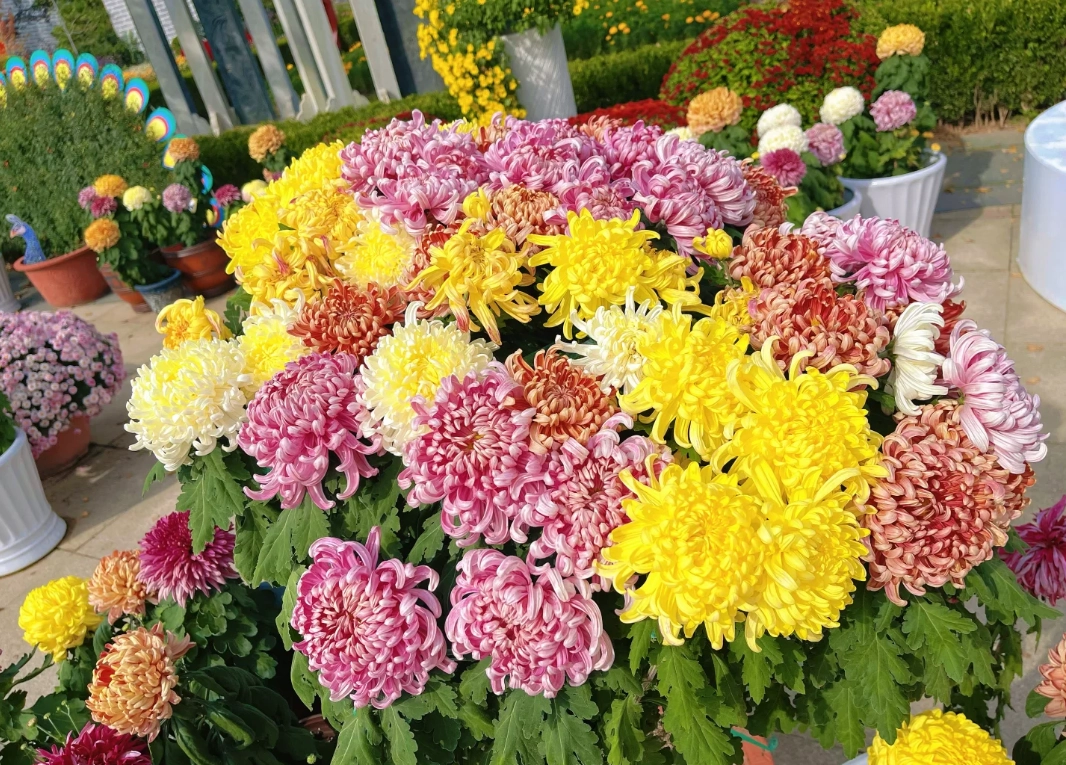
| Autumn | Chrysanthemum Festival (Intricate displays), cosmos, foliage | Late September to Late October | Second busiest season. The chrysanthemum sculptures are works of art. Weather is ideal. |
| Winter | Limited outdoor flowers. Some greenhouse exhibitions. | November to March | Very quiet. Many outdoor areas are bare. Only go if you're specifically interested in a greenhouse event or want a solitary walk. |
I visited in late April. The tulip fields were a dizzying mosaic of color. But the "secret" my photographer friend shared was that the peonies in the Chinese garden section, which bloom just after the tulip peak, are often more spectacular and less mobbed. Most visitors cluster around the main tulip beds and miss this.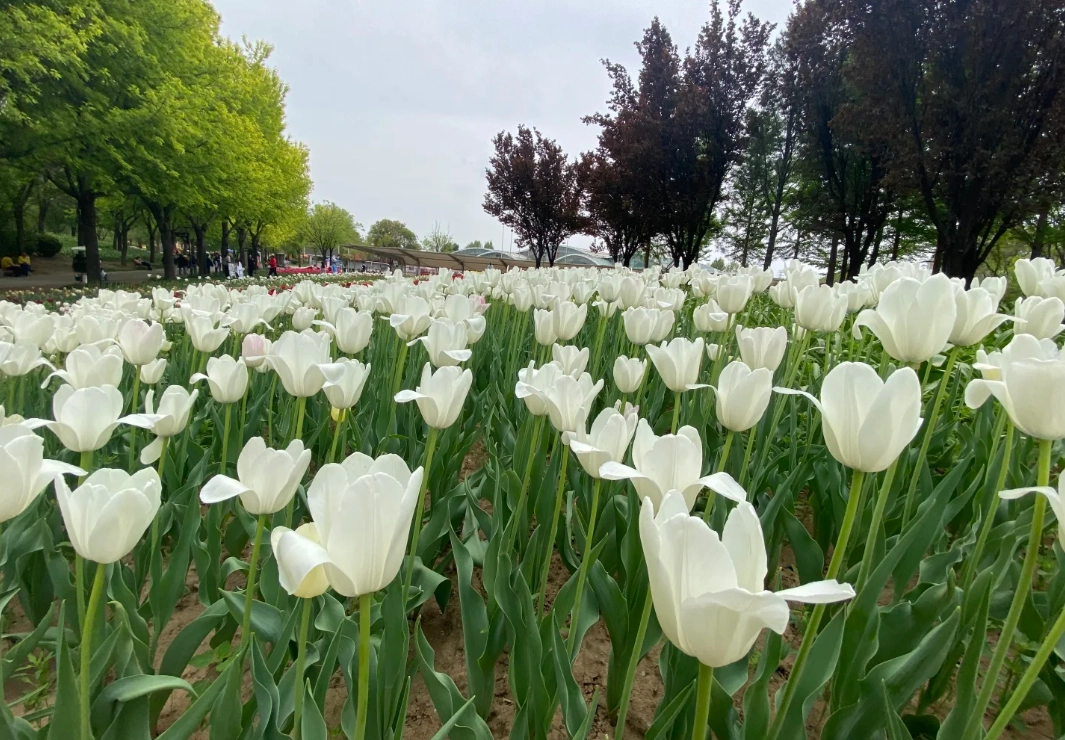
What to See and Do Inside the Flower Port
The park is huge. You can easily spend 4-5 hours here. It's divided into thematic zones.
The Must-See Zones
The Tulip Sea (Spring only): This is the headline act. Vast, rolling fields of tulips arranged by color. It feels almost Dutch. The scale is what impresses.
The Chrysanthemum Exhibition Area (Autumn): This isn't just flowers in the ground. They create dragons, pagodas, and animals out of thousands of potted chrysanthemums. The craftsmanship is incredible.
The Swan Lake Area: A large central lake with fountains, bridges, and black swans. It's a peaceful spot to sit and breaks up the flower viewing. The reflections at sunset are beautiful.
The Butterfly Garden: A large enclosed greenhouse (separate small fee may apply) filled with tropical plants and free-flying butterflies. It's humid but magical for kids.
The European-Style Garden & The Chinese Garden: These contrasting areas show different landscaping philosophies. The European part has neat hedges and geometric patterns. The Chinese garden feels more organic, with winding paths and pavilions.
They also have a lawn area where families picnic, some simple cafes (don't expect gourmet food—pack snacks), and rental bikes or shuttle carts to help you cover ground.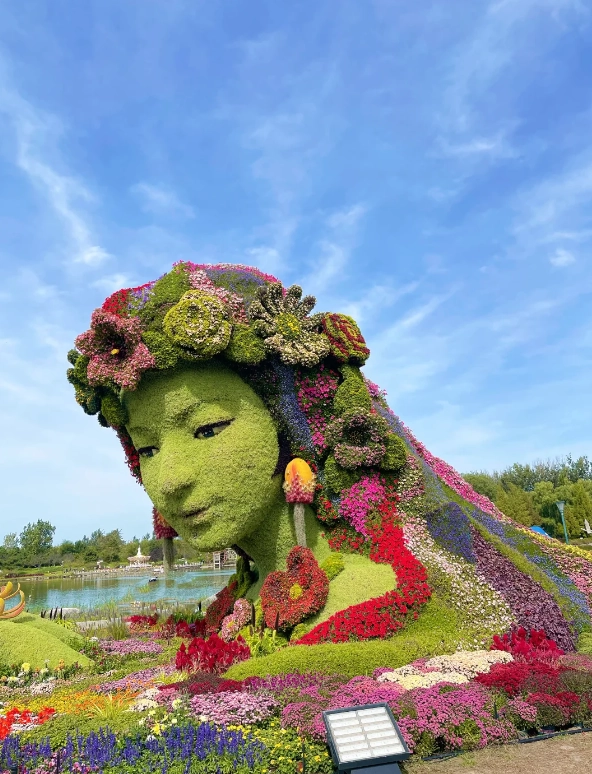
Photography Tips and Secret Spots
As someone who lugged a camera bag around, here's what I wish I knew.
Gear: A wide-angle lens (like 16-35mm) is great for capturing the vast fields. But a telephoto zoom (70-200mm) is secretly more useful. It lets you compress backgrounds, isolate single blooms, and capture details of the chrysanthemum sculptures from a distance without getting in everyone's way.
Time of Day: The golden hour before sunset is pure magic. The low sun lights up the petals from the side, and the crowds thin out significantly. Midday light is harsh and flat. If you must go then, look for shaded areas or use a diffuser.
The "Secret" Spot: Everyone photographs the main tulip fields from the pathways. For a different perspective, walk to the small hillock or viewing pavilion often found in the center of the larger fields. You get an elevated, slightly more panoramic view that includes the colorful patterns.
Avoid the Crowd Shot: To make your photos look like you had the place to yourself, get low. Shoot from ground level, pointing up at the flowers against the sky. It eliminates the background crowds and paths instantly.
Practical Tips for a Smooth Trip
- Wear Comfortable Shoes: You will walk a lot. The paths are mostly paved or hard-packed gravel, but it's a large area.
- Sun Protection is Non-Negotiable: Vast open spaces mean little shade. Hat, sunscreen, sunglasses.
- Bring Water and Snacks: While there are kiosks, the selection is limited and can be pricey. Packing a water bottle and some fruit is a smart move.
- Cash & Mobile Payment: Have some cash (RMB) as a backup, though WeChat Pay and Alipay are widely accepted for tickets and inside vendors.
- Check the Weather: A rainy day can ruin the experience. The flowers are lovely, but muddy paths and grey skies aren't ideal for photography or strolling.
- Manage Expectations for Food: This isn't a culinary destination. The cafes serve basic noodles, rice bowls, and instant coffee. For a better meal, plan to eat in Shunyi town center after your visit.
Frequently Asked Questions (Answered)
 Can I visit Beijing International Flower Port and another Shunyi attraction in one day?
Having visited multiple times across seasons, my final thought is this: The Beijing International Flower Port succeeds because it commits fully to its concept. It doesn't try to be everything. It's a celebration of flowers on a grand, almost theatrical scale. It's not a subtle, hidden gem. It's a bold, colorful statement. And in a massive, grey city like Beijing, that kind of statement is exactly what many people need.
Plan around a festival, wear good shoes, bring your camera (and a snack), and you'll leave with your phone full of color and your mind a little more refreshed than when you arrived.







My family and I had a magical day here! The kids loved the flower maze and the little train ride around the park. We visited during the chrysanthemum festival, and the autumn colors were breathtaking. Very stroller-friendly paths, and there were enough picnic spots. I appreciated that the staff helped us take a family photo with the giant flower clock. Plenty of restrooms and drinking water stations. A perfect day out for all ages—highly recommend!
Photographer’s paradise! I came specifically for the flower displays and left with over 200 shots. The landscaped areas are meticulously designed—the Dutch windmill section with tulips gave me the best shots. Golden hour (around 5 PM) made the colors pop like crazy. Pro tip: go on a weekday to avoid crowds. The only tiny downside was the occasional loudspeaker announcements in Chinese, but that didn’t ruin the experience. Will definitely return next spring!
Honestly, I was a bit let down. The flowers were nice, but not worth the 80 RMB entry fee. Many of the tulips were already wilting (mid-April visit), and some sections felt a bit overgrown with weeds. The indoor butterfly house had very few butterflies. The bathrooms were clean, which was a plus, but overall I expected more variety. If you’ve been to Keukenhof in the Netherlands, this place doesn’t compare. Save your money for better spots.
A solid 4 stars. The flower displays are beautiful and well-maintained, especially the lavender maze. Only reason I’m not giving 5 is the lack of shaded seating areas—on a hot day you’ll be searching for benches under trees. The food stalls were overpriced and average, so I’d suggest packing your own snacks. That said, the sunset views over the flower terraces were postcard-perfect. Photography enthusiasts will have a field day here.
Absolutely stunning! The tulip fields stretched like a painting—every color you could imagine. I spent almost four hours wandering the different themed gardens, and the fragrance from the rose section was intoxicating. The staff at the entrance were friendly and gave me a map with suggested photo spots. Best part was the greenhouse with tropical flowers—perfect for escaping the midday sun. Bring a wide-angle lens if you’re into photography; you’ll thank me later!
Hands down one of the best botanical experiences I've had in China. The scale is massive – you can easily spend 4-5 hours here. I visited during the 'Tulip Culture Festival' and the themed displays were jaw-dropping: a giant flower clock, a replica of Amsterdam's canal houses made of flowers, and even a small petting zoo for kids. The lighting at sunset creates magical photo opportunities with the windmill silhouettes. Pro tip: rent a bike near the entrance to cover more ground. The only reason I'm not giving a perfect 5 is the lack of shaded seating areas – it gets brutally hot in summer. Otherwise, an unforgettable day!
Honestly a bit disappointed. I came specifically for the cherry blossom avenue advertised online, but the trees were mostly bare – either too early or too late in the season. The park itself is big and clean, but many of the flower displays felt repetitive after an hour. The restrooms were not very well maintained, and one of the water features was dry. Also, the staff at the ticket counter seemed uninterested and couldn't answer simple questions about the best viewing spots. For the price, I expected more attention to detail. Maybe it's better during a special event, but my visit was underwhelming.
Great value for a relaxing day trip from the city center. The subway + bus combo worked fine, and once inside, the park is huge but well-marked. I loved the lavender maze and the rose garden – the scent was intoxicating. The highlight for me was the little train ride around the lake, only 20 yuan and gave a nice overview. If you're on a budget, bring your own snacks because the on-site restaurants are pricey and mediocre. Overall, a solid 4-star experience – not world-class like Keukenhof, but for Beijing, it's a gem.
A well-designed flower park with lots of Instagrammable spots. I went on a weekday morning and it was relatively quiet, which was nice. The greenhouses with tropical plants and cacti were a cool break from the outdoor heat. However, I felt the entrance fee (¥80) was a bit steep considering some of the flower beds were past their peak bloom – a few sections looked a little tired. Also, the shuttle bus inside the park runs infrequently, so be prepared to walk a lot. Still a pleasant day out, just manage your expectations on the exact bloom status.
Absolutely stunning! Visited on a sunny Saturday in early May and the tulip fields were like a living painting. The sheer variety of colors and the way they're arranged in waves is incredible. I spent hours just walking through the different themed gardens – the Dutch windmill area is a must for photos. If you're into photography, bring a zoom lens for the close-ups of the petals and a wide-angle for the sweeping views. The staff at the information booth were super helpful with route suggestions. Only minor downside: the food court was a bit crowded at lunch, but the flower-shaped ice cream made up for it. Will definitely come back for the autumn chrysanthemum festival!
Nice escape from the city chaos. The flower fields are beautiful, but getting here took almost two hours by bus from downtown. The on-site café is overpriced and the coffee was meh. That said, the lavender garden was a highlight — smelled amazing and made for great selfies. If you drive, parking is easy. 4 stars because the location is inconvenient, but the scenery makes up for it.
As a plant lover, this place exceeded my expectations! The tropical greenhouse was incredible — I spotted rare orchids and giant monstera leaves. The staff were knowledgeable and gave tips on caring for some of the plants. The outdoor lily pond was so peaceful. I spent almost 4 hours just wandering and photographing. An absolute gem for any botany enthusiast.
Honestly, a bit let down. Entry fee is steep for what you get. Many flowers were already wilting or past their prime, and the layout felt confusing without proper signage. The queues for the washroom were ridiculous. I get that it's a tourist spot, but for the price I expected better maintenance. Might be nice if you go at peak season, but I wouldn't rush back.
Great for a family outing! My kids adored the petting zoo and the butterfly greenhouse. The flower displays are lovely, though some sections felt a bit dry in the afternoon. Plenty of benches and shaded areas to rest. The only downside was the price of food inside — better to bring your own snacks. Still, a solid 4-star experience for us.
Absolutely stunning! The tulip fields were like a rainbow on the ground — perfect for photos, especially during golden hour. The themed gardens are well-maintained, and I loved the little bridges and streams. If you're into floral photography, this is paradise. Came on a weekday and it wasn't too crowded. Highly recommend bringing a picnic and spending the whole day.