 Qiang Huang
What's Inside
Three hours. That's how long my clients from Chicago stood at the wrong immigration counter last month. The officer didn't speak English, their connecting flight was boarding, and they had the right policy but the wrong form. I love this policy—but the execution is where tourists lose it.
Let me cut the noise. China's 144-hour visa-free transit is a golden ticket for travelers from 53 countries, letting you explore Shanghai, Beijing, Guangzhou, and 20+ other cities without a visa—as long as you stay inside your allowed region and exit within 6 days. But the devil is in the WeChat mini-program, the address you write on the arrival card, and the exact door you walk through.
Here is exactly how to use it, avoid the rookie mistakes, and actually enjoy your stopover.
My Take on the 144-Hour Rule
It's technically a transit visa exemption, not a visa waiver. The difference? You must have a confirmed ticket to a third country (not back to your home country) within 144 hours. For example: London → Shanghai → Tokyo works. London → Shanghai → London does not — that counts as a round trip, and they'll ask for a full visa.
I always tell my groups: bring a printed copy of your onward itinerary. The immigration officer may ask to see it, and scrolling through your email while they wait is not a good look.
The policy covers 53 nationalities. Americans, Brits, Australians, Canadians, most Europeans, Japanese, South Koreans—you are in. Check the exact list on the Chinese National Immigration Administration website (nia.gov.cn) before you pack.
Cities That Actually Work
Not every city in China is open. You are restricted to specific regions. The most popular and flexible is Shanghai (including all of Jiangsu, Zhejiang, and Anhui provinces—yes, you can visit Hangzhou, Suzhou, Nanjing within the 144 hours).
| Region / City | Allowed Area | Entry Points |
|---|---|---|
| Shanghai | Shanghai + Jiangsu + Zhejiang + Anhui | PVG, SHA, Shanghai cruise ports |
| Beijing | Beijing + Tianjin + Hebei | PEK, PKX, Tianjin port |
| Guangzhou | Guangdong Province | CAN, Shenzhen port, etc. |
| Chengdu | Sichuan Province | CTU, TFU |
| Xiamen | Xiamen city only | XMN, Xiamen port |
| Kunming | Yunnan Province | KMG |
My personal favorite entry point is Shanghai Pudong (PVG). The visa-free counters are clearly marked, and the staff see this every day. Avoid Beijing Capital (PEK) Terminal 3 during Chinese holidays—the line can be 90 minutes.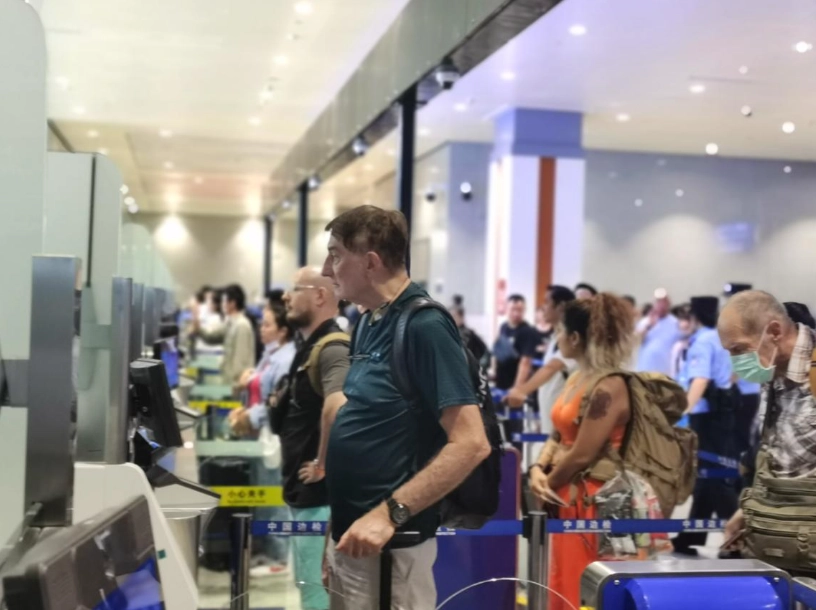
Arrival Procedure: No Panic
Before Landing
Fill out the blue Arrival Card and the Customs Declaration form. You can get the customs form on the plane. Key fields: your accommodation address in China (write the hotel name and address—I carry a printed slip with pinyin for my groups) and your flight number out of China. Do not write 'transit' or 'transit without visa' — write '144-hour visa-free transit' exactly.
At Immigration
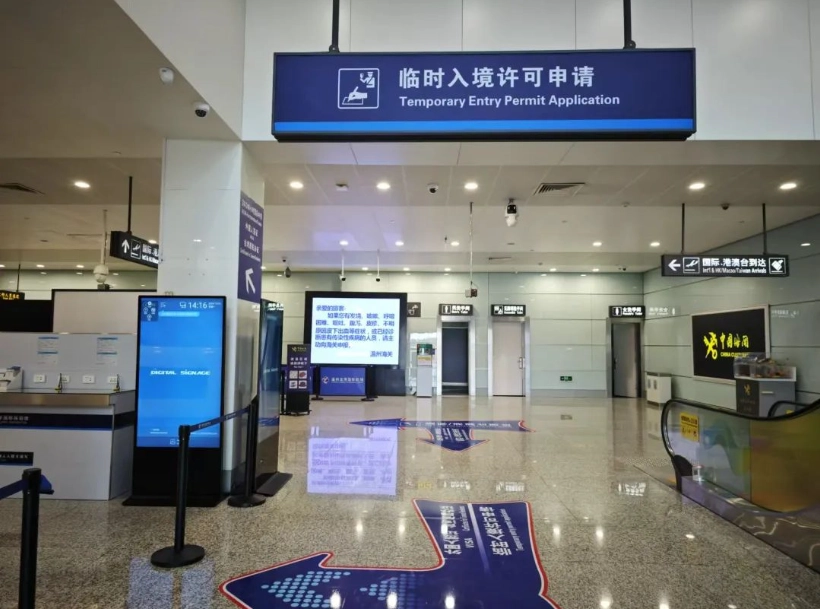
Look for the counters marked '144-Hour Visa-Free Transit' or 'Transit Without Visa.' In Shanghai PVG Terminal 1, they are on the right side of the main hall. Hand over your passport, the arrival card, and your onward ticket (printed or on phone). The officer will take your fingerprints and photo. I have seen them deny entry if your passport has less than 6 months validity—check that before you fly.
The whole process takes 10–20 minutes if you are prepared. I once had a group stuck because their flight to Tokyo the next day was a separate booking—the officer wanted to see it on the same reservation. A quick email printout solved it.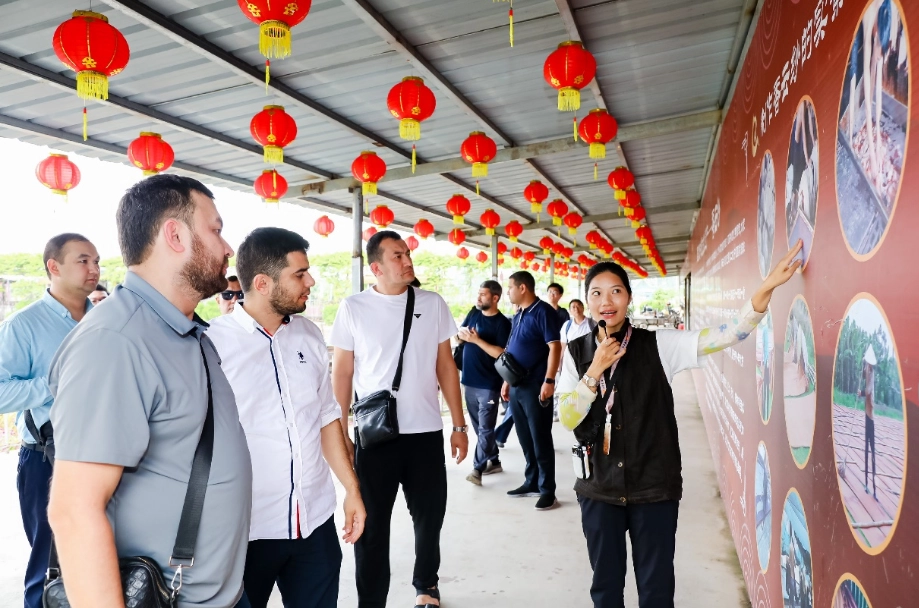
Things That Get You Denied
- No onward ticket within 144 hours: If your flight out is 150 hours later, you need a full visa.
- Traveling outside your allowed region: In Shanghai, you can go to Suzhou but not to Wuhan. The permit is region-locked.
- Overstaying even by an hour: The fine is 500 RMB per day, and you get a black mark. Set a phone reminder.
- Using a damaged passport: Even a small tear or water damage can get you rejected.
- No hotel booking: They may ask for your accommodation. I always book a refundable hotel before flying.
Shanghai in 72 Hours: My Go-To Plan
You have 6 days max, but most stopovers are 2–3 days. Here is a tight 72-hour schedule that hits the essentials without rushing.
Day 1: Arrival & The Bund at Night
Land at PVG, take the Maglev train (7 minutes to Longyang Road, then Metro Line 2 to People's Square). Check into a hotel near Nanjing Road. I always recommend the JW Marriott Shanghai (address: 399 Nanjing West Road, +86 21 5359 4969) for its English-speaking staff and central location. Prices from $150–250/night. After checking in, walk to The Bund at 5:30 PM to catch the sunset and the lights turning on. Avoid the main viewing platform near the Peace Hotel—go north to the Bund Sightseeing Tunnel entrance area, where the crowd thins.
Day 2: Old City & French Concession
Start at Yuyuan Garden (adult ticket 40 RMB, need to book via WeChat mini-program 'Yu Garden Ticketing'—or ask your hotel concierge). Arrive at 8 AM before the tour groups. From there, walk to the French Concession: take Metro Line 10 to Xintiandi. For lunch, try Din Tai Fung (address: 1386 Huaihai Middle Road, floor 3—Google Maps rating 4.4). Their pork xiaolongbao is 75 RMB for 10. Always cash or Alipay—foreign credit cards rarely work. Afternoon: stroll on Wukang Road for the historic buildings. Dinner at Lost Heaven (address: 38 Yunnan South Road, 4.6 on Dianping) for Yunnan cuisine. Spicy but incredible. Average 200 RMB per person.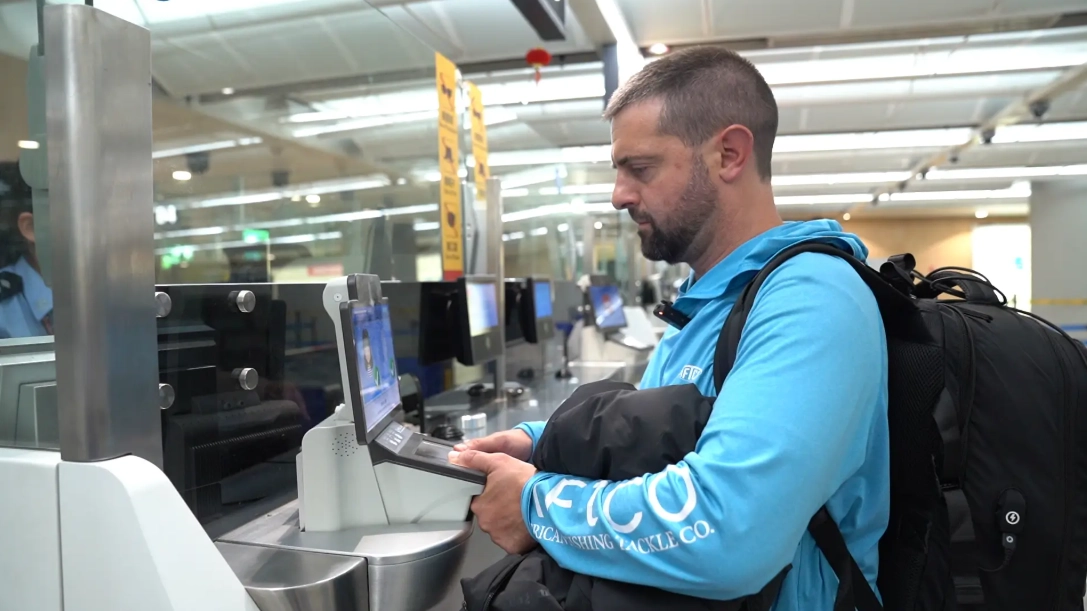
Day 3: Zhujiajiao Water Town & Departure
Take Metro Line 17 from Hongqiao Railway Station to Zhujiajiao (about 90 minutes). The water town ticket is 80 RMB. Rent a boat for 200 RMB for 6 people. Return by 3 PM to catch your flight out of PVG. If the weather is bad, swap this for the Shanghai Museum (free, reservation needed on WeChat—search 'Shanghai Museum Ticket'—and get there by Metro Line 1/8 to People's Square).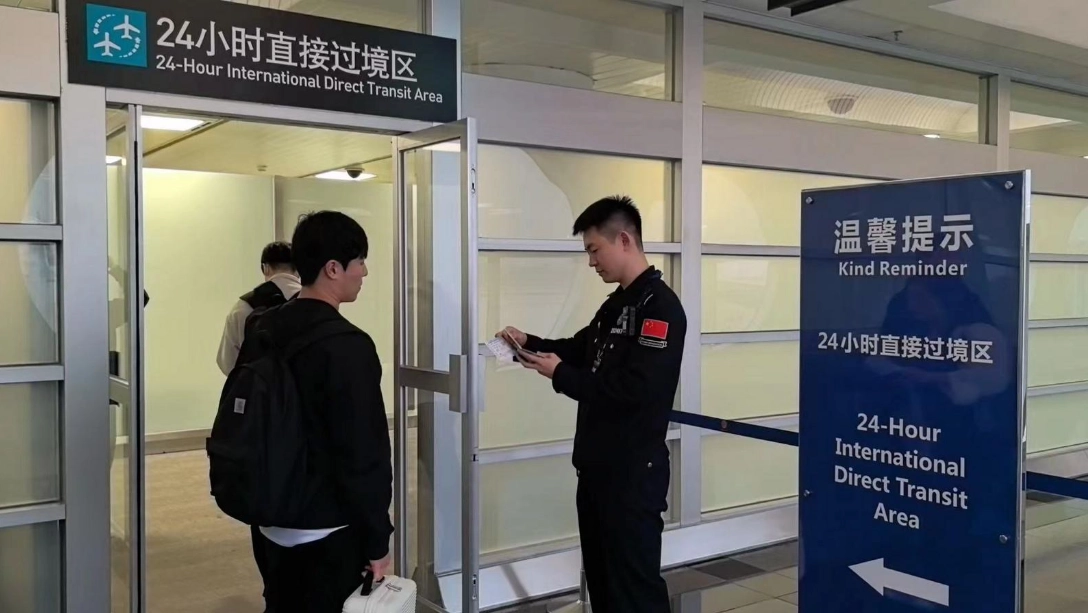
Quick Answers to Tricky Questions
Verified and fact-checked by the editorial team. This advice is based on years of guiding international travelers through Chinese immigration procedures.





I cannot recommend this enough! Landed in Shanghai on a layover to Seoul, and the 144-hour policy turned a boring wait into an incredible mini-vacation. I spent the first day exploring the M50 art district (totally empty on a Monday) and the second day walking through Yuyuan Garden early morning before the crowds. The trick is to go off-peak. This is how you should see Shanghai—efficient, calm, and authentic. Loved every minute.
Best decision I made on this Asia trip. The 144-hour transit let me stay three full days in Shanghai without a visa. I deliberately avoided the Bund and went to the Water Town at Zhujiajiao instead—almost no tourists on a weekday. The immigration staff at Hongqiao were super efficient too. Only regret: I didn't book a second night. Five stars, no doubt.
Absolutely worth it! The 144-hour visa-free transit saved me so much hassle. I flew in from Bangkok and used the extra time to explore the former French Concession on a bike. Hardly any tourists there—just locals sipping coffee. Also hit up the Shanghai Tower late at night when it was quiet. If you want to see Shanghai without the insane crowds, this is the perfect loophole. Strongly recommend!
Overall a solid experience. The 144-hour policy let me zip through immigration in less than 20 minutes, which was fantastic. I followed the advice to hit up lesser-known spots like the Long Museum and the Wharf area, and those were nearly empty. Only downside: I stayed near the old town and the subway was packed at 8 AM. Still, a good way to see Shanghai if you plan your route carefully.
The 144-hour visa-free transit is a great concept, but the execution at Pudong Airport was a bit messy. I had to fill out the same form twice and the officer seemed confused about my flight itinerary. Once I got past that, the city itself was fine, but I ended up at the Bund during peak hour anyway—hard to avoid crowds when everyone else has the same idea. For a first-timer it's okay, but I expected a smoother entry process.